Hitechreports's coverage over the past month does not show one single collision between Windows, Arm and AI so much as three separate pressures landing on PCs at the same time: Microsoft is tightening security and retiring old hardware support, Arm-based machines are showing up at both ends of the price range, and AI tools are being bolted onto the operating system, onto rival platforms, and even onto security exploits. The result, as reflected in these reports, is a Windows ecosystem that looks more fragmented and more contested than it has in some time.
Microsoft is closing old doors while opening new vulnerabilities
The clearest administrative story is Microsoft's steady tightening of what Windows will and will not support. The October 2026 security update blocked NTLMv1 by default, breaking Wi-Fi, Ethernet and VPN logins for enterprises still relying on the decades-old protocol, though it does not affect Windows 11 24H2 or Windows Server 2025, which had already removed NTLM entirely (4). Separately, Microsoft's own documentation confirmed, without a press release, that Windows 11 26H2 is the last version to support Snapdragon 850 devices, with no security updates after October 10, 2028 for Home and Pro editions (16). Patch Tuesday for November brought File Explorer customization and a Search interface overhaul built on WinUI 3, plus a Remote Lock feature in Insider testing that lets IT administrators lock a stolen laptop without wiping its data or disturbing BitLocker (14, 20, 29).
But the same month also surfaced real holes. Security researcher Abdelhamid Naceri disclosed a zero-day, covered by both Tom's Hardware and Neowin, that uses the Narrator accessibility tool at the lock screen to bypass BitLocker with only a keyboard and physical access, reportedly working even on fully patched Windows 11 26H2 systems (24, 25). Naceri told reporters the exploit takes under five minutes to reach an encrypted drive (25). So in the same stretch of coverage, Microsoft is simultaneously hardening remote-management tools for lost laptops and absorbing a fresh exploit for anyone who can reach a PC in person.
Arm is showing up at the cheap end and the creative end, not just the top
Arm-based Windows machines appear in this coverage less as a premium bet and more as a value play. Best Buy was reported selling the ASUS Vivobook 14 2K with a Snapdragon X1 chip for $399.99, down from $700, described as its lowest tracked price (6). That sits alongside separate coverage of the Lenovo Yoga Mini, an Intel Core Ultra 5 compact desktop with a 50 TOPS NPU built for Windows Copilot+ features, discounted to $799 at Best Buy as what TechRadar called the most aggressive challenge to the Mac mini since 2023 (27). Neither story suggests Arm Windows laptops have become the default high-end choice; instead, Arm chips and AI-accelerator chips are both being used to hit lower price points while still carrying an 'AI-ready' label.
On the Apple side, Arm has long been settled business as usual: the M5 MacBook Air was discounted to $1,099 during October's Prime Big Deal Days, and Apple pushed out M6-powered versions of the 14-inch MacBook Pro and 24-inch iMac ahead of its Pro and Tell event, which carried persistent rumor of a touchscreen MacBook (1, 8). Apple's coverage this period treats Arm silicon as mature infrastructure rather than news in itself.
AI is arriving as a feature bolted onto existing software, not a new category of PC
None of the reports describe a new class of 'AI PC' hardware breaking out on its own. Instead, AI shows up as an add-on to existing products. Google's Gemini gained a computer-use feature on macOS that can click menus, fill forms and move files, but it launched with three hard limits: subscription-only, English-only and US-only, with no word on Windows support ever, according to TechCrunch's reporting (21). On the Windows side, a Microsoft VP, Scott Hanselman, released gputaskman, a free, open-source GPU monitor that works on Windows 11, Linux and macOS on Apple Silicon, built to show exactly which process is consuming VRAM, though it is not an official Microsoft product (10).
A more unusual AI story involves LiberNT, a free, GPL-licensed Windows 11 alternative built for amd64, arm64 and riscv64 hardware, whose GitHub page states that 'AI is part of how LiberNT is built... it helps us review and write code' while insisting a person validates every end-to-end test before code reaches the main branch (19). Tom's Hardware reported the project's own benchmark claims say it outpaces Windows 11 in over 80 percent of system-level tests, though these are the project's own figures, not independently verified in Hitechreports's coverage (19).
The real action in AI and hardware is happening in Nintendo's software, not Windows laptops
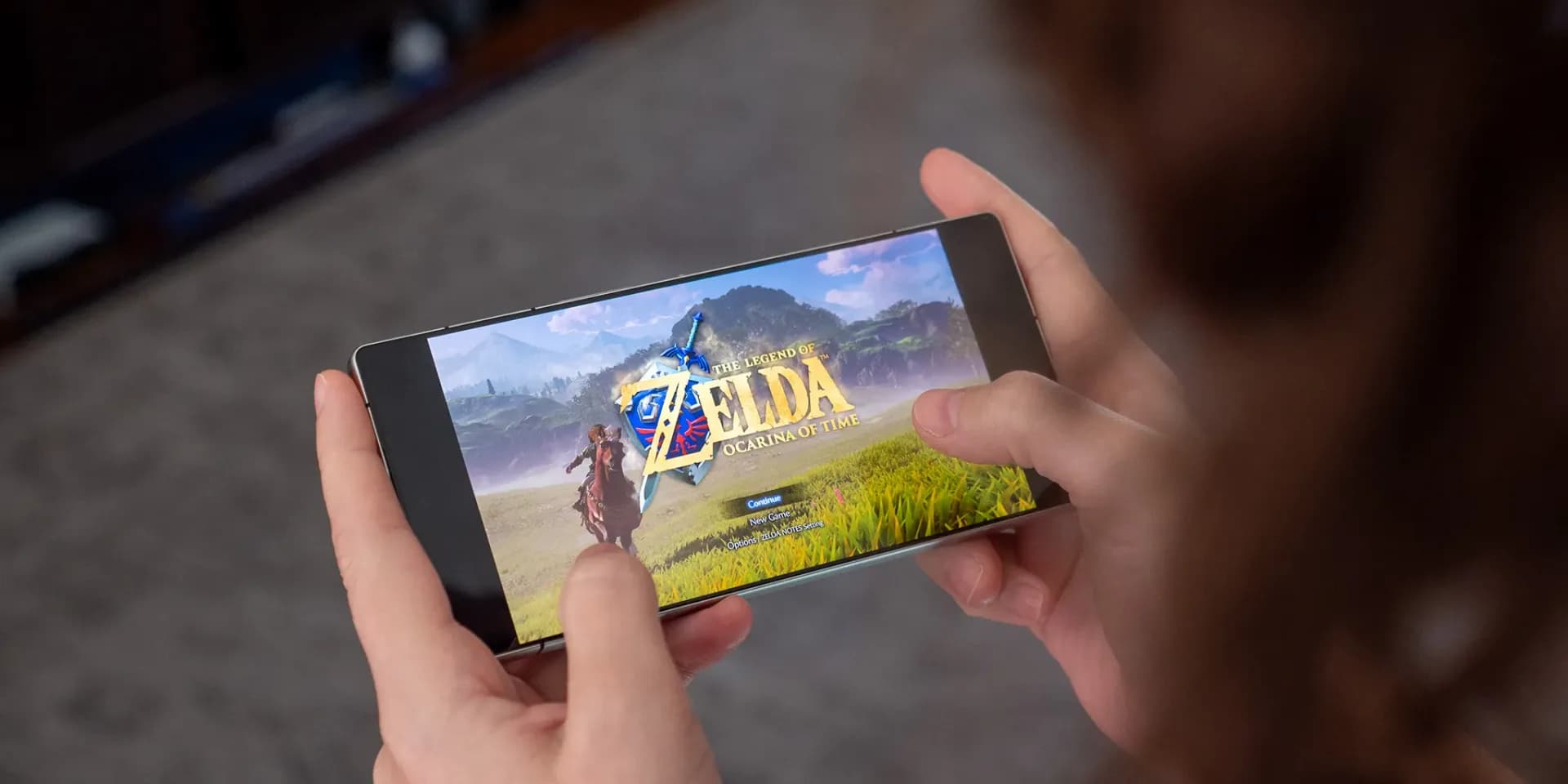
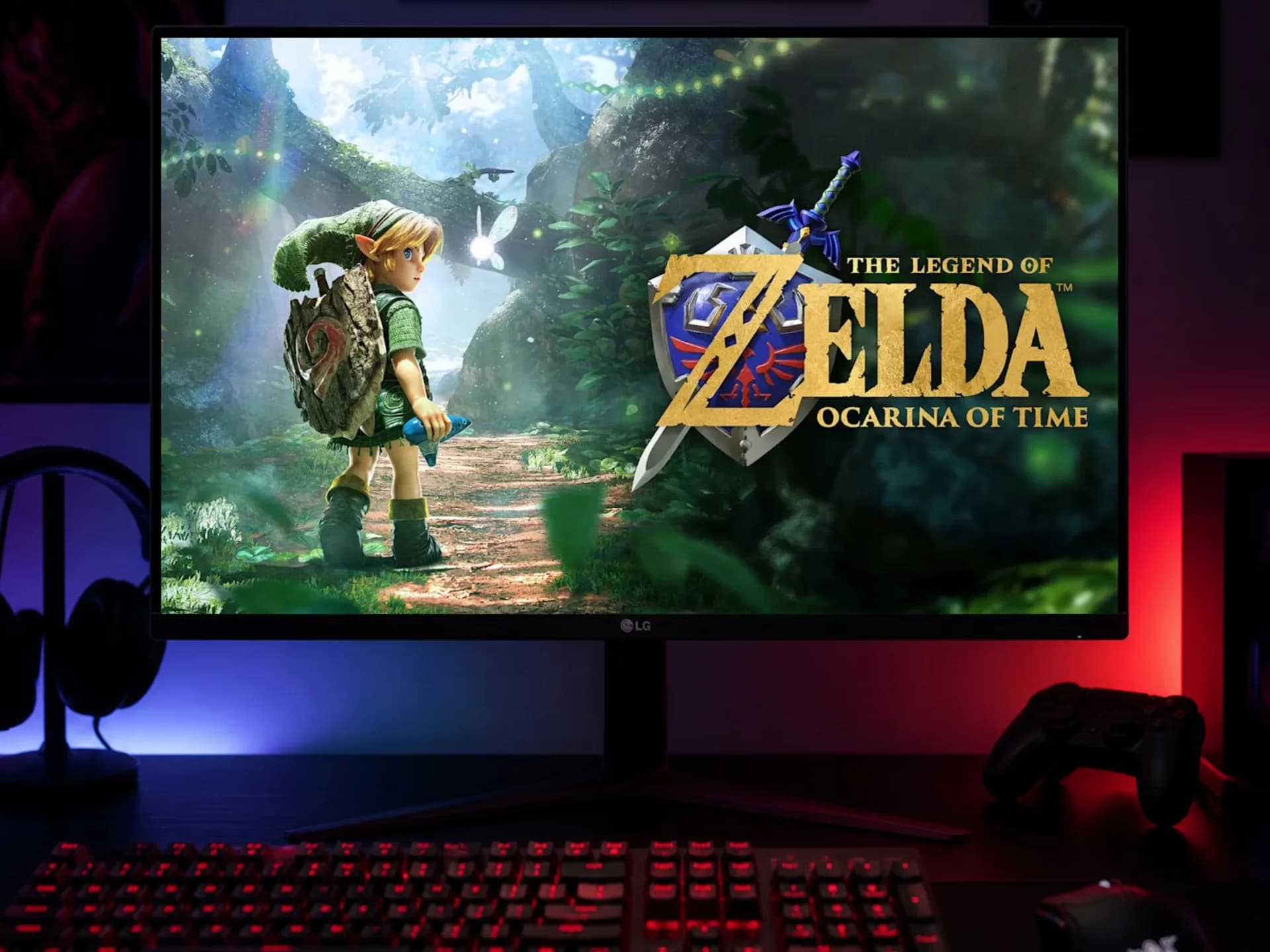
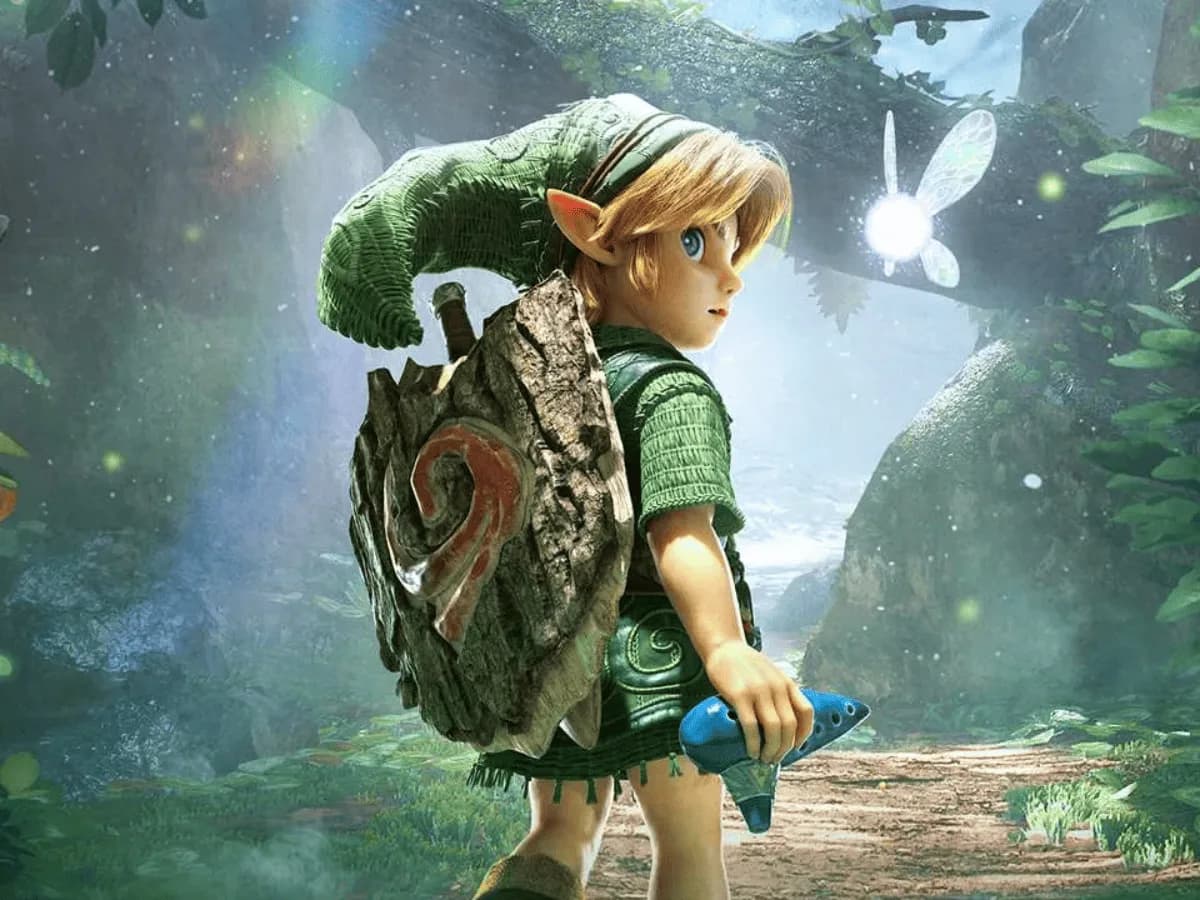
Oddly, much of this month's most dramatic Arm-and-AI activity in the coverage is not about Windows PCs at all, but about getting Nintendo Switch 2 games running on PC hardware. The Ocarina of Time remake, released for Switch 2 on November 5 or 6, 2026, depending on the report, was running on Windows PCs within days via multiple independent routes: emulator forks, a static recompiler called Hookshot that converts ARM64 code into native Windows executables, and a separate recompiler called NX2navi (9, 11, 12). A further tool, Longshot, added support for DLSS, FSR 4 and frame generation up to 8x, though it required a game copy dumped before Nintendo rolled out a firmware update that closed the jailbreak exploit used to extract the game image (15). The same remake was also reported running on Android phones via a tool called Banana Native, hitting roughly 15 FPS with AI frame generation enabled to produce a stable 30 FPS visual output on a Poco F7 Ultra, according to a public test cited by 9to5Google (13). Separately, ASUS launched the ProArt GR1X mini-PC built around Nvidia's RTX Spark SoC, pitched as an AI-ready, 1440p gaming workstation at 140W TDP, though Wccftech noted ASUS has not published frame-time breakdowns or test conditions behind its 100FPS claim (2).
What the coverage does not tell us
This review covers roughly one month of one outlet's published stories, and it should be read with that limit in mind. Many of the performance figures cited, the ASUS GR1X's 100FPS claim, LiberNT's benchmark percentage, Banana Native's frame rates, are claims made by companies or by individual testers, not conclusions Hitechreports reached through its own testing; as the site's own Black Friday guides state plainly, 'Hitechreports does not test laptops' and 'Hitechreports does not test products' (6, 7). Pricing data is similarly a snapshot: deal prices reported during Prime Big Deal Days or Black Friday previews can change or sell out, and some prices are presented without equivalents for other countries, as with the Lenovo Yoga Mini's US-only listing (1, 27). The security disclosures around NTLMv1 and the lock-screen bypass describe vulnerabilities and researcher demonstrations rather than independently confirmed real-world breach rates. And none of this coverage offers a single industry-wide figure for Arm's share of Windows PC sales or for AI-feature adoption; the picture is built from individual product and policy stories rather than market-wide data.
What to watch
Several threads from this coverage point toward near-term decisions. Black Friday, falling on November 27 with Cyber Monday on November 30, is flagged as a period where list prices rose during 2026 due to memory and storage costs, meaning discounts may look smaller in real terms than last year's (6, 7). Apple's HomeView Starlight color is delayed until January 5, a scheduling detail that could affect how the company's broader device lineup, including its PCs, rolls out around the holidays (26). On the Windows side, the disclosed lock-screen zero-day has no patch available yet, so a Microsoft response is worth watching (25). And the race to bring Switch 2 titles to PC and Android continues to evolve quickly, with Nintendo already patching one jailbreak exploit after Longshot's release, suggesting further back-and-forth between Nintendo and the recompilation community (15).
Sources
- Amazon Prime Day 2026 is live: AirPods Pro 3, MacBook Air M5, S26 Ultra, Nothing Headphone (1) at record lows, reported from Insider Gaming, Wired Gear, Wired
- ASUS ProArt GR1X mini-PC launches with RTX Spark chip, 1440p gaming, 140W TDP, reported from Wccftech
- Windows 11 NTLMv1 blocked October 2026 update, reported from The Register
- Black Friday Laptop Deals 2026: The Prices to Beat, the MacBooks and Windows Laptops to Buy, and the Doorbusters to Avoid, reported from Memeburn, Gizmodo, Macworld
- Black Friday 2026 Tech Deals: Dates, the Prices to Beat and Our Guides for TVs, Laptops, Phones, Consoles and Audio, reported from Target, Best Buy, Amazon
- Apple Pro And Tell Event Live Stream: Where To Watch, Start Time, reported from Gizbot
- Zelda: Ocarina of Time remake runs on PC before November 5 release date, reported from Notebookcheck
- Microsoft VP Releases Free GPU Monitor Gputaskman for Windows 11, reported from XDA Developers
- Ocarina of Time remake runs on PC with Hookshot recompiler, DLSS 5, and frame generation, reported from XDA Developers
- Ocarina of Time Remake PC: Hookshot and NX2navi native ports now live, reported from Wccftech
- The Legend of Zelda: Ocarina of Time remake on Android: how it runs, what phone it needs, reported from 9to5Google
- Windows 11 26H2 and 25H2 get November 2026 Patch Tuesday: File Explorer customization, Cloud Rebuild, and the return of 'App updates', reported from Notebookcheck
- Ocarina of Time remake on PC: Longshot recompiles Switch 2 version natively, reported from XDA Developers
- Windows 11 26H2 is the last version for Snapdragon 850 tablets, reported from XDA Developers
- LiberNT: A Free, AI-Assisted Windows 11 Alternative Launches With Builds for AMD64, ARM64, and RISC-V64, reported from Tom's Hardware
- Windows 11 Pro Remote Lock feature stops laptop theft without wiping data, reported from ExtremeTech
- Gemini can now use your Mac, reported from TechCrunch
- Windows 11 lock screen zero-day lets attackers bypass BitLocker with keyboard, reported from Tom's Hardware
- Windows 11 key bypass: FastUnlock zero-day lets attackers skip lock screen and unlock Bit, reported from Neowin
- Apple HomeView Starlight delayed to January; tabletop model shipping now, but not all colors, reported from The Ambient
- Mac mini price rival: Lenovo Yoga Mini drops to $799 at Best Buy, reported from TechRadar
- Windows 11 26H2 Search update KB5132057: New UI, inline actions, Copilot coming, reported from How-To Geek
This analysis was written by Hitechreports's automated Analysis Desk from the stories listed above. Figures are as those reports gave them; market figures are estimates, and Hitechreports does not test products itself.
ADFiled by The Analysis Desk
One question about the technology industry a day, answered from our own coverage, with every claim linked to the story it comes from.
More from this desk →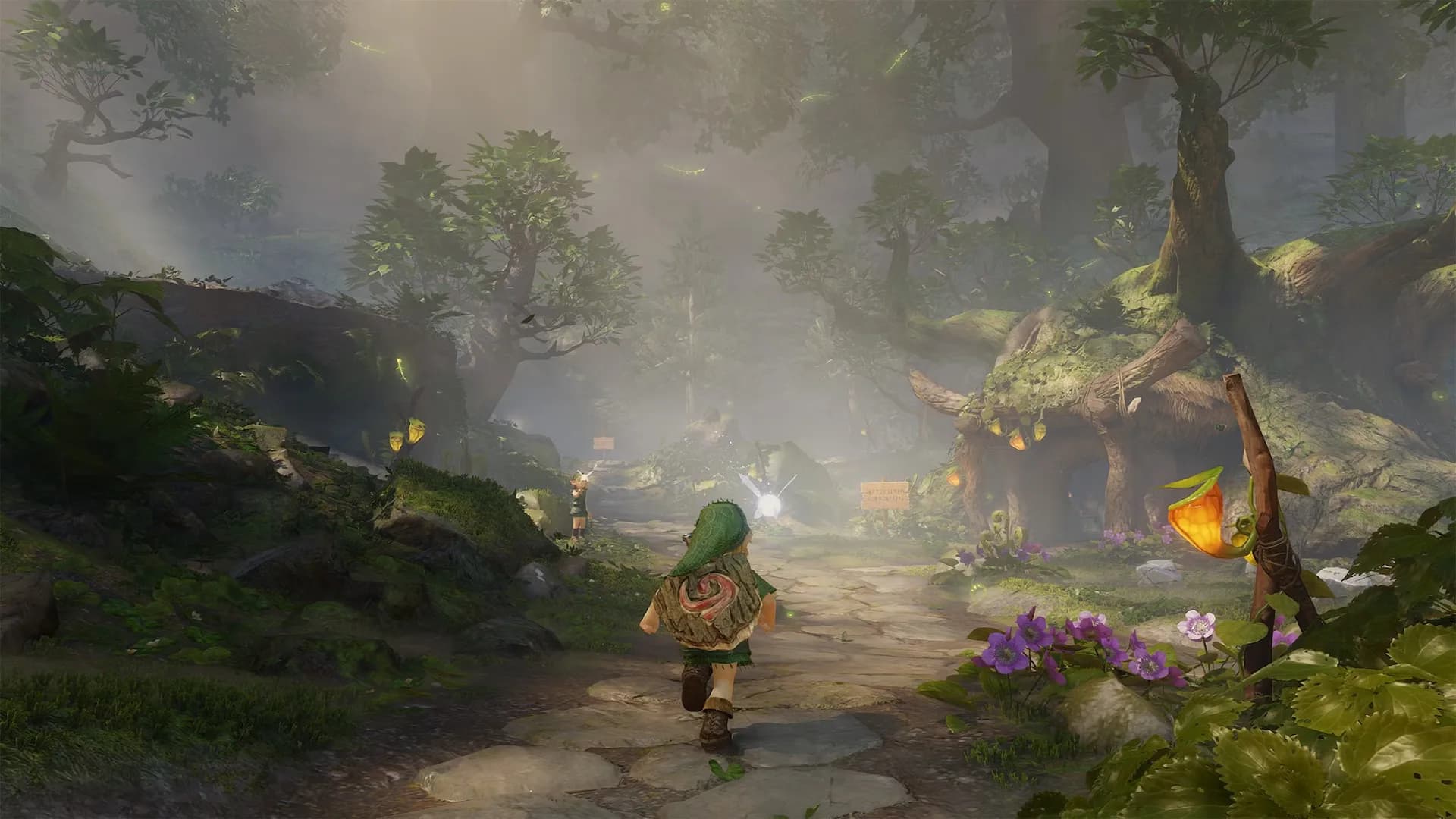
Be the first to comment
Join the argument. No password, just your email or a passkey.