Versaterm has rolled out an integrated FAA airspace authorization system inside DroneSense — the public safety drone operations platform it acquired in July 2025. The update brings Low Altitude Authorization and Notification Capability (LAANC) approvals directly into DroneSense’s dispatch workflow, eliminating the need for operators to log into a separate portal or coordinate manually with the FAA during time-critical missions.
LAANC is the FAA’s automated system for granting near-instant authorization to fly drones in controlled airspace up to 400 feet. It’s especially vital for agencies operating near airports, where even brief delays in clearance can slow response times during search-and-rescue, tactical deployments or active-shooter incidents.
With the new integration, dispatchers and pilots initiate authorization from within DroneSense. The system pulls real-time airspace data via Versaterm’s Aloft platform, which it acquired in February 2026. And submits requests to the FAA as part of the standard mission launch sequence. Approvals come back in near real time, and compliance reports auto-generate.
“This readiness shouldn’t depend on how many systems a pilot can juggle under pressure,” said Versaterm CEO Steve Seoane. His comment points to the operational logic: LAANC isn’t tacked on as an extra step. It’s folded into the existing CAD-to-drone pipeline, alongside computer-aided dispatch and telemetry.
The integration makes DroneSense an FAA-approved LAANC Secondary Data Service Provider, a designation Aloft held before the acquisition. That status lets DroneSense customers access LAANC through Aloft’s infrastructure without needing separate accounts or subscriptions.
No additional cost applies. Versaterm says all existing DroneSense customers will receive the LAANC capability as part of their current license.
The FAA has publicly welcomed the move, framing it as a collaboration that supports both rapid public safety response and airspace safety. But Versaterm stresses the integration doesn’t override regulatory requirements: operators still must meet all FAA eligibility criteria, and not every request will be approved.
This isn’t about bypassing rules. It’s about removing friction between call receipt and drone launch. Particularly for Drone as First Responder (DFR) programs scaling across U.S. Cities and counties.
The timing matters. As more agencies deploy drones for routine patrols, traffic monitoring and emergency response, the bottleneck isn’t hardware or training, it’s procedural latency. A two-minute delay in airspace clearance can mean missing critical visual data in the first minutes of an incident.
Versaterm’s consolidation of DroneSense and Aloft reflects a broader industry shift: vertical integration of airspace management, fleet control and dispatch software. Competing platforms like Skyward and AirMap offer LAANC, but none have merged the authorization layer so tightly into a public safety CAD-native interface.
DroneSense is used by over 1,200 U.S. Agencies, including major city police departments and county sheriff offices. The LAANC integration begins rolling out immediately to those customers.
Next, Versaterm plans to extend the workflow to include automatic NOTAM checks and dynamic geofence updates. Features that would further reduce pre-flight overhead for frontline drone pilots.
GDFiled by The Gadgets Desk
Audio, wearables, cameras, tablets, chargers and every other device worth carrying or plugging in.
More from this desk →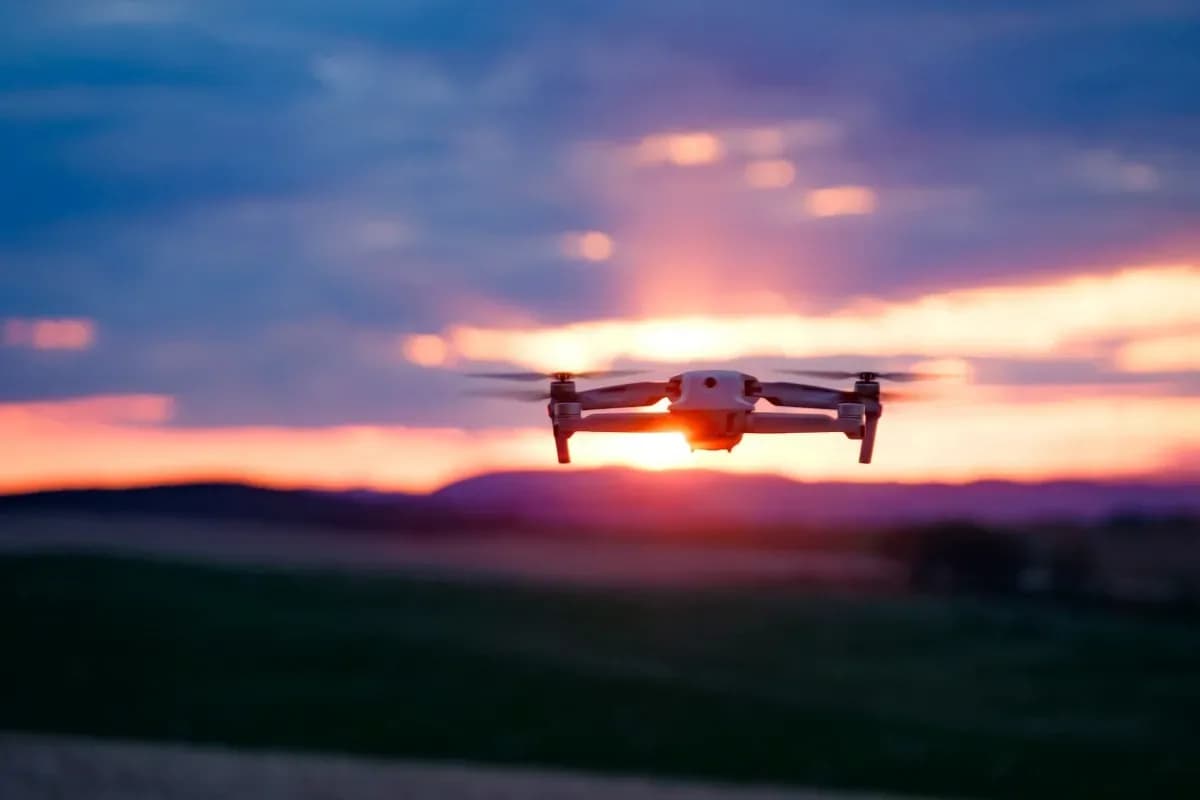
Be the first to comment
Join the argument. No password, just your email or a passkey.