Skip to content
Trending
Laptops & PCs2 min read

Why Linux Skips Traditional Antivirus Software While Windows Keeps Demanding It

Strict execution barriers and repository controls defend Linux systems far more effectively than low market share ever did against modern credential threats.

By Clock Speed

The Computing Desk · (2 hours ago)

Reported fromoutlet, credited1
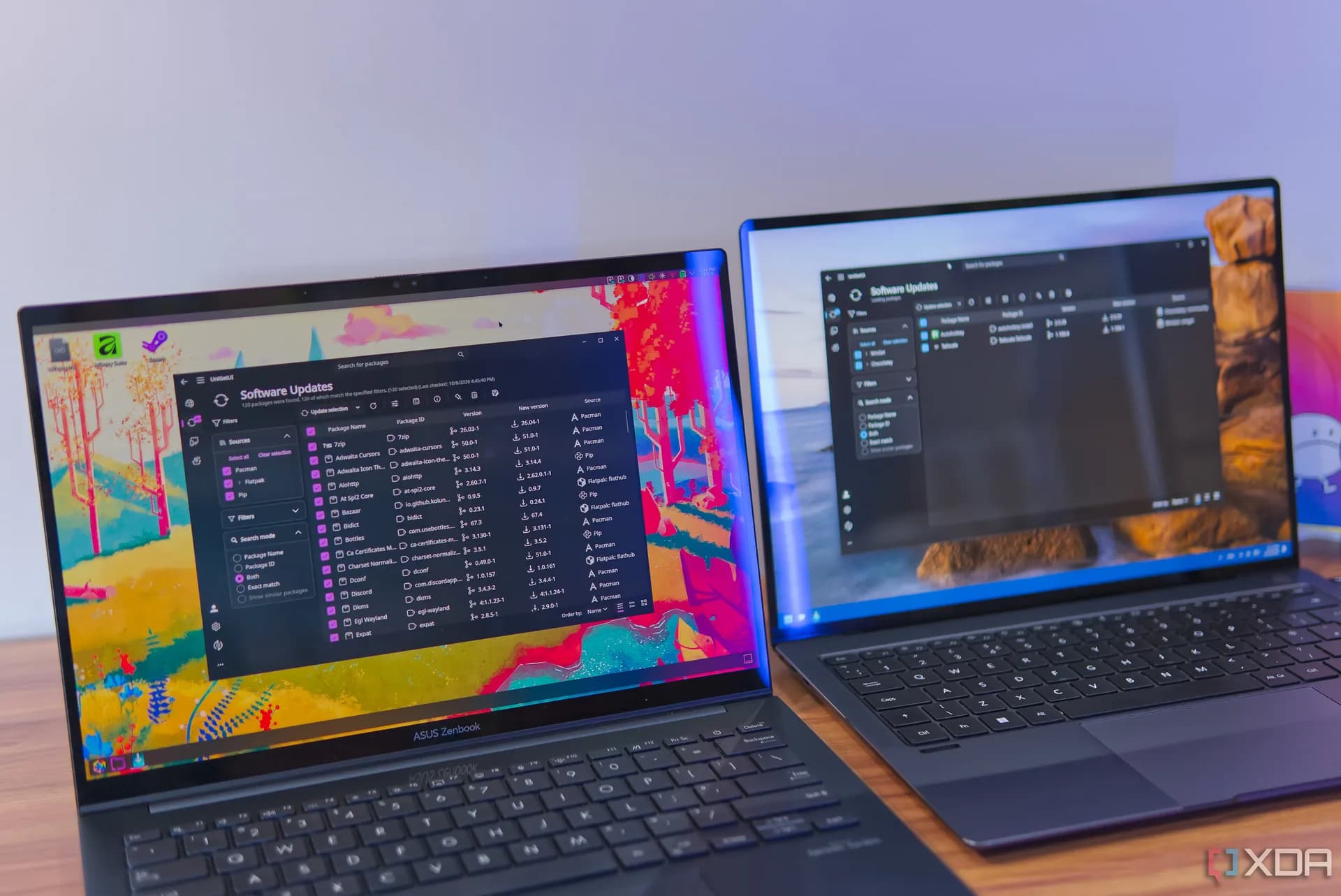
A laptop running a Linux terminal display next to a computer monitor running a system security scan.
A laptop running a Linux terminal display next to a computer monitor running a system security scan.Photo via XDA Developers

Linux desktop users rarely install persistent background virus scanners, and that deliberate choice has very little to do with operating system market share. The long-standing belief that Linux escapes digital infection simply because desktop attackers prefer Windows ignores how Unix-derived architecture handles daily computing tasks. Security on a standard distribution relies on strict system structures rather than constant background policing.

On Windows, downloaded files can execute almost immediately unless an active scanning engine intervenes to inspect the payload. Linux approaches the problem from the opposite direction. Any incoming file arriving via a browser or an external drive lacks execution permissions by default. It sits on the local storage drive as an inert block of data. Launching that binary requires the user to open a terminal or a file manager to grant execution rights deliberately. Critical system directories behave the same way, refusing write requests from unprivileged accounts without explicit administrative approval.

That defensive wall is not impenetrable. Attackers have shifted away from direct binary execution toward upstream supply-chain poisoning. In June 2026, malicious actors breached trust inside the Arch User Repository, commonly called the AUR, by taking maintainership of unmaintained community listings. The intruders altered installation routines to incorporate an npm item called atomic-lockfile, deploying rootkit-like tools across the ecosystem. Cybersecurity analysis from Sonatype later calculated that around 1,500 AUR packages faced manipulation aimed at collecting stored passwords and credentials from affected machines.

Why User Habits Outweigh Signatures

The AUR incident highlighted the central vulnerability in modern open-source environments: elevated privileges. Most desktop distributions place the initial user profile inside the sudo group. When an individual downloads community packages or runs installation scripts without auditing the underlying code, administrative rights are granted voluntarily, bypassing the operating system's built-in roadblocks.

Traditional detection utilities offer limited relief in those scenarios. Open-source scanning engines such as ClamAV maintain databases containing roughly 3.6 million threat signatures. They easily identify historic hazards, catching standard test samples like the dummy files created by the European Institute for Computer Antivirus Research. But signature matching only works against threats that analysts have already catalogued. They struggle to flag zero-day exploits or customized scripts crafted using automated coding tools.

Running a scanner like ClamAV still carries value for vetting inbound mail attachments without dragging down system performance. Yet the broader reality of Linux computing remains unchanged. The platform stays safe not through heavy antivirus software, but through strict permission boundaries and cautious handling of administrator credentials.

Reported from

How this story was made

Written by the Hitechreports desk from the reporting credited above, with facts attributed to their original publishers. We do not test devices ourselves; anything about performance, battery life or cameras comes from the outlets that did. Prices are as reported at the time of writing. Editorial policy · Report an error

What did you make of it?

Filed by The Computing Desk

Laptops, desktops, processors, graphics cards and the operating systems that run on them.

More from this desk →

Be the first to comment

Join the argument. No password, just your email or a passkey.