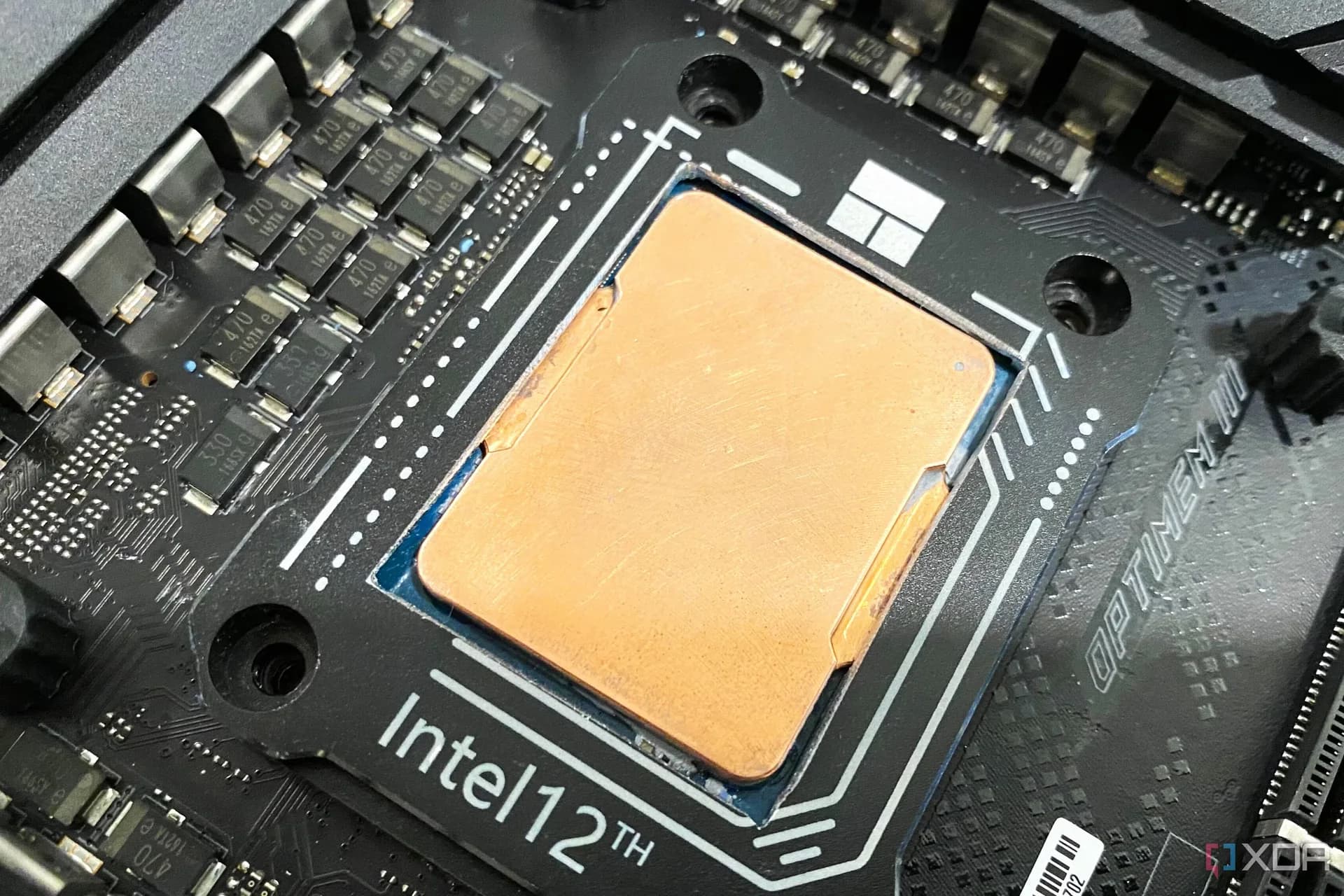
Intel’s 12th Gen Alder Lake CPUs — the Core i5-12400, i5-12600K, i7-12700K, and i9-12900K, are now five years old. And yet, they’re still the default choice for thousands of PC builders, upgraders, and system integrators across the US and India. Not because people can’t afford newer chips. But because there’s no compelling reason to leave. Not with Windows 10’s end-of-life already a year in the rearview. And users still clinging to it at 27% global adoption, this isn’t nostalgia. It’s rational hardware economics. 12th Gen is the Windows 10 of CPUs: stable, capable, and stubbornly un-replaced. 12th Gen launched in late 2021 with Intel’s first hybrid architecture. Performance and Efficiency cores, and delivered real gains in both gaming and productivity. Today, the i5-12400 still handles 1080p and 1440p gaming without breaking stride. The i9-12900K remains competitive in multithreaded workloads. PCIe 5.0? Available. If your motherboard supports it. DDR5? Yes, again, on compatible boards. Resizable BAR? Enabled. None of those features require jumping to a newer generation. That’s the first reason people aren’t upgrading. The second is risk. Intel’s 13th and 14th Gen CPUs. Raptor Lake and Raptor Lake Refresh, shipped with a hardware-level ‘Vmin shift instability’ bug. It caused excessive voltage delivery, leading to irreversible silicon degradation. Microcode patches arrived, but not before many pre-owned chips entered the market already damaged. For 12th Gen owners eyeing a cheap upgrade path on the same LGA 1700 socket, that’s a hard stop. The third is cost. A 32GB DDR5-6000 kit now costs at least $480. Up fourfold in 12 months, thanks to last year’s DRAM crisis. DDR4 prices have spiked too. Arrow Lake, Intel’s next platform, demands DDR5 and new motherboards. So swapping in a 14th Gen chip might cost $200. Moving to Arrow Lake could easily top $800. Meanwhile, GPU prices remain sky-high. Budgets go where performance per dollar matters most: toward graphics cards, not CPU swaps. In India, where price sensitivity is acute and component imports carry steep duties, the calculus is even sharper. No major Indian OEM has announced new desktops or prebuilts based on Arrow Lake as of mid-October 2026. Local retailers like MD Computers and PrimeABGB still list 12th Gen CPUs prominently. The i5-12400F at ₹13,490, the i7-12700KF at ₹24,990, with steady demand noted through Q3. In the US, Newegg and Best Buy continue to stock them alongside refurbished units. AMD hasn’t filled the vacuum. Its Ryzen 7000 and 8000 series require AM5 motherboards and DDR5, locking out budget-conscious upgraders just as firmly. So the platform stands. Not because Intel’s roadmap stalled. But because 12th Gen didn’t fail, and nothing since has clearly won. Arrow Lake’s launch window remains unannounced. When it arrives, it’ll need more than benchmarks to convince. It’ll need pricing that makes sense next to a five-year-old chip that still ships in new builds, powers remote workstations, and runs modern AAA titles at high settings. Until then, Alder Lake isn’t legacy. It’s baseline.
Windows 10 end of life: Why Intel's 12th Gen CPUs are still the default in 2026
Five years after launch, Intel’s 12th Gen CPUs are still the default build choice — not from loyalty, but from logic.
By Clock Speed
The Computing Desk · (2 hours ago)
Reported from
How this story was made
Written by the Hitechreports desk from the reporting credited above, with facts attributed to their original publishers. We do not test devices ourselves; anything about performance, battery life or cameras comes from the outlets that did. Prices are as reported at the time of writing. Editorial policy · Report an error
Filed by The Computing Desk
Laptops, desktops, processors, graphics cards and the operating systems that run on them.
More from this desk →Read next
More Laptops & PCs →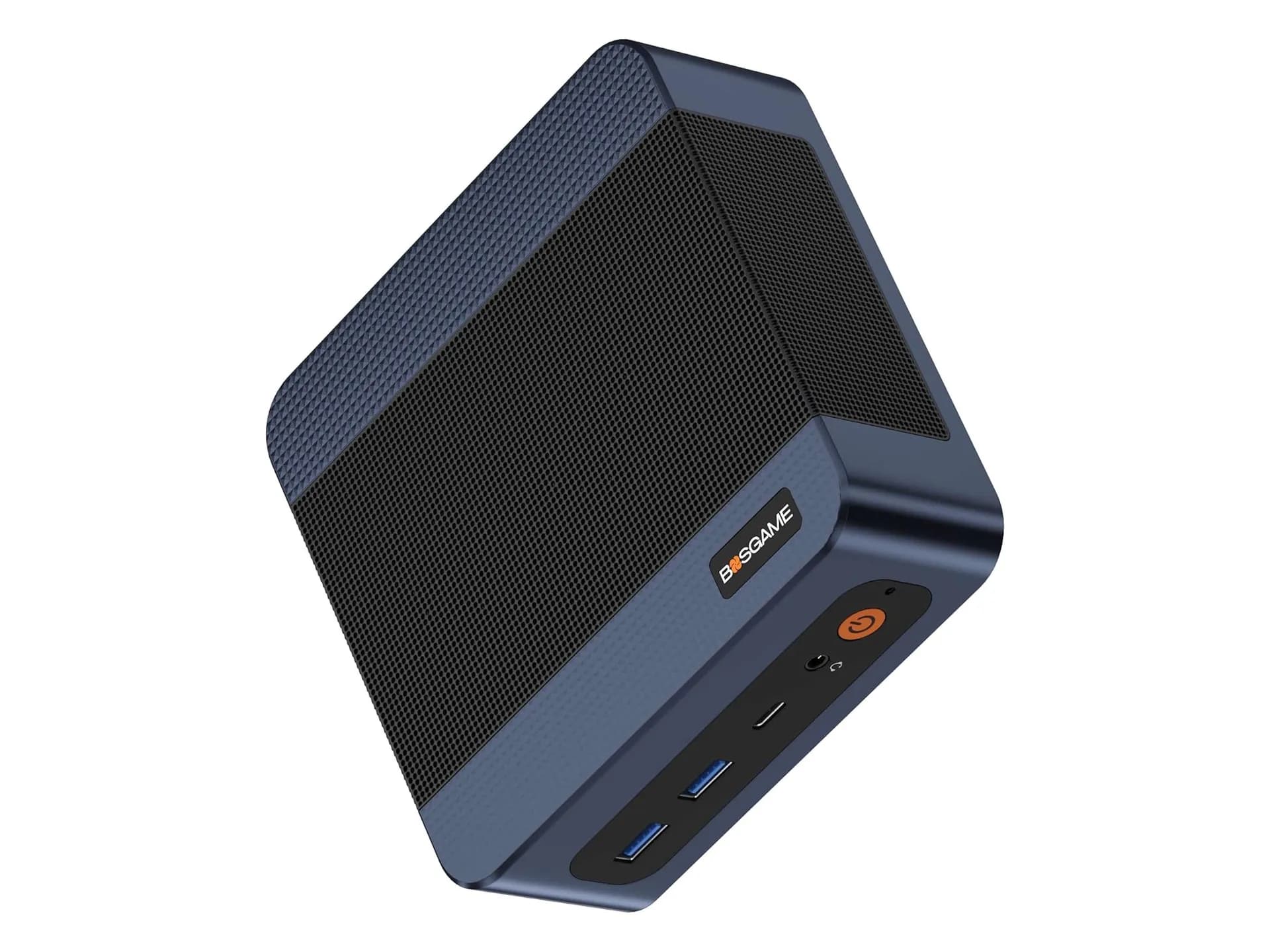
Bosgame E7 Mini PC Launches on Amazon for $320
Bosgame has released the E7 mini PC on Amazon for $320, pairing an Intel Core 3 100U processor with dual Ethernet ports, 16GB of RAM, and room to upgrade internal storage.

Samsung Galaxy Book4 Edge 16 drops to $599.99 at Best Buy
Samsung Galaxy Book4 Edge 16 drops to $599.99 at Best Buy — $400 off, powered by Snapdragon X and Galaxy AI. The deal is live as of October 13, 2026. No Indian price is listed in the reporting.
Intel and Qualcomm Raise PC Processor Prices as AMD Prepares Hikes
Qualcomm and Intel have increased PC chip prices by up to 20 percent, with AMD expected to roll out similar hikes on Ryzen and EPYC lines soon.
Be the first to comment
Join the argument. No password, just your email or a passkey.