Microsoft has started rolling out a recovery feature that could make the emergency USB drive obsolete for a lot of Windows 11 users. It's called Cloud Rebuild, and it can reinstall the operating system on a PC that won't boot, no external media required.
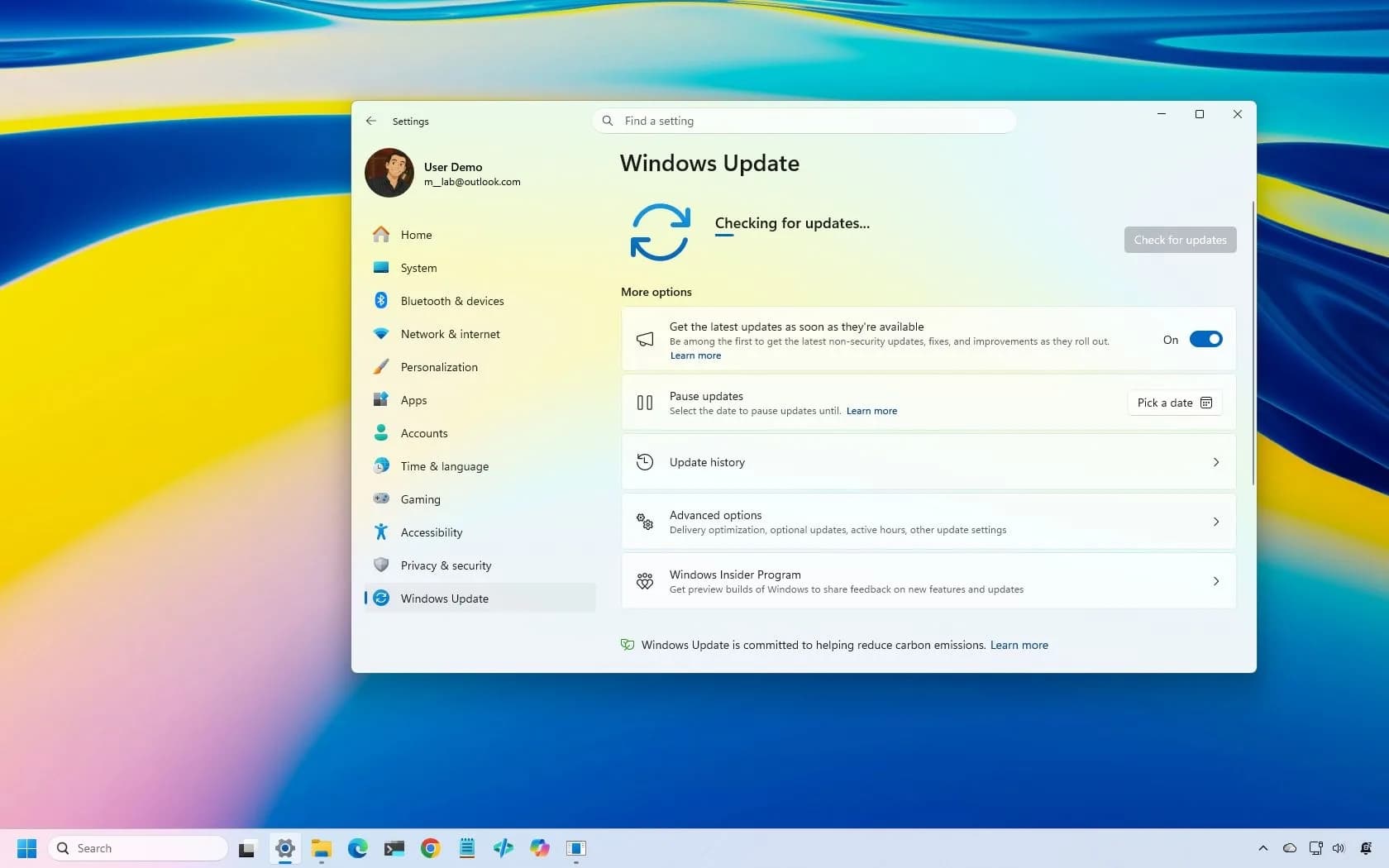
The feature arrived with KB5127936, a non-security feature update for Windows 11 that Microsoft is currently distributing as an optional release, according to Windows Central. That means most people won't see it automatically yet. Going into Settings and flipping on "Get the latest updates as soon as they're available" should speed things along, though Windows Central notes that doesn't guarantee immediate access. Microsoft says the feature will reach the rest of the Windows 11 user base over time.
What makes Cloud Rebuild different from the recovery tools already baked into Windows 11 is how little it depends on the machine actually working. Windows 11 has shipped with a Cloud Download recovery option for a while, letting you refresh your installation by pulling files from Microsoft's servers instead of a local recovery partition. Cloud Rebuild goes a step further. It downloads both the Windows operating system and the correct device drivers directly from Windows Update, and it doesn't rely on the integrity of whatever is currently installed on the drive. In practice, that means it can resurrect a PC whose system files are too damaged to boot into the repair environment that earlier tools needed.
What it means for your files
Cloud Rebuild performs a full system reinstall, which is the tradeoff for not needing a recovery drive sitting around. Anything on the PC that isn't backed up elsewhere is at risk, so Windows Central is blunt about the prerequisite: back up your files first if there's any way to do it before running the tool. The PC also needs to stay connected to power and the internet for the process to finish, since it's pulling gigabytes of OS and driver files over the network rather than reading them off a local drive or USB stick.
For anyone who has kept a bootable USB recovery drive in a desk drawer for years just in case Windows stops starting up, Cloud Rebuild is aimed at making that habit unnecessary. Instead of hunting down a spare flash drive, downloading a Windows ISO on a different machine, and building install media by hand, a broken PC could in theory fix itself the next time it has a network connection and a power outlet.
Microsoft has published its own description of how Cloud Rebuild works in release notes tied to KB5127936, along with fuller documentation for IT administrators managing fleets of machines. The company hasn't given a firm date for when the feature moves from optional preview to a default part of Windows 11, only that broader availability is coming soon as the update works its way through Microsoft's staged rollout process.
CDFiled by The Computing Desk
Laptops, desktops, processors, graphics cards and the operating systems that run on them.
More from this desk →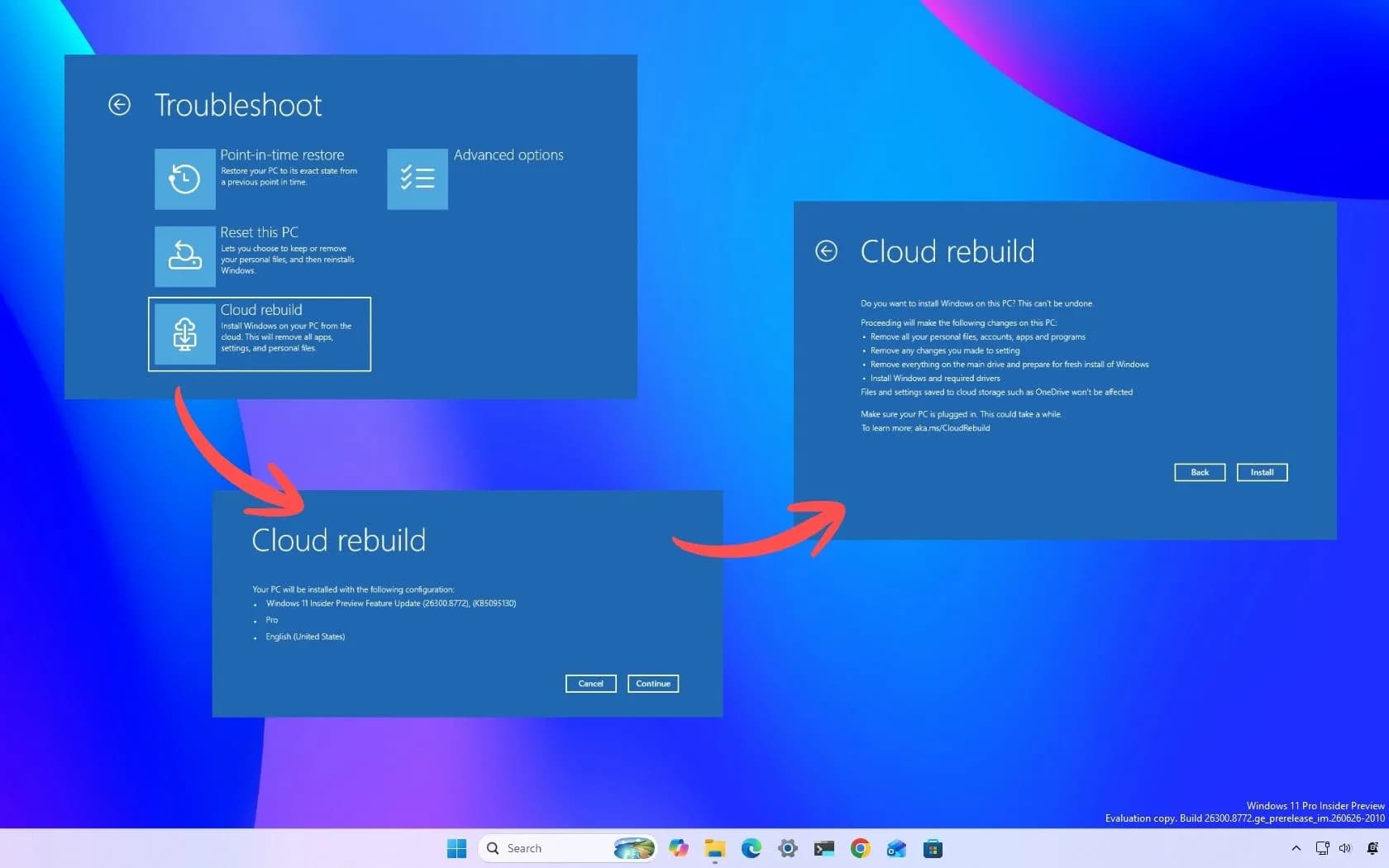


Be the first to comment
Join the argument. No password, just your email or a passkey.