Microsoft Edge just became the first app to benefit from a new Windows 11 feature built to make programs open faster, and the company says it isn't planning to keep the advantage to itself.
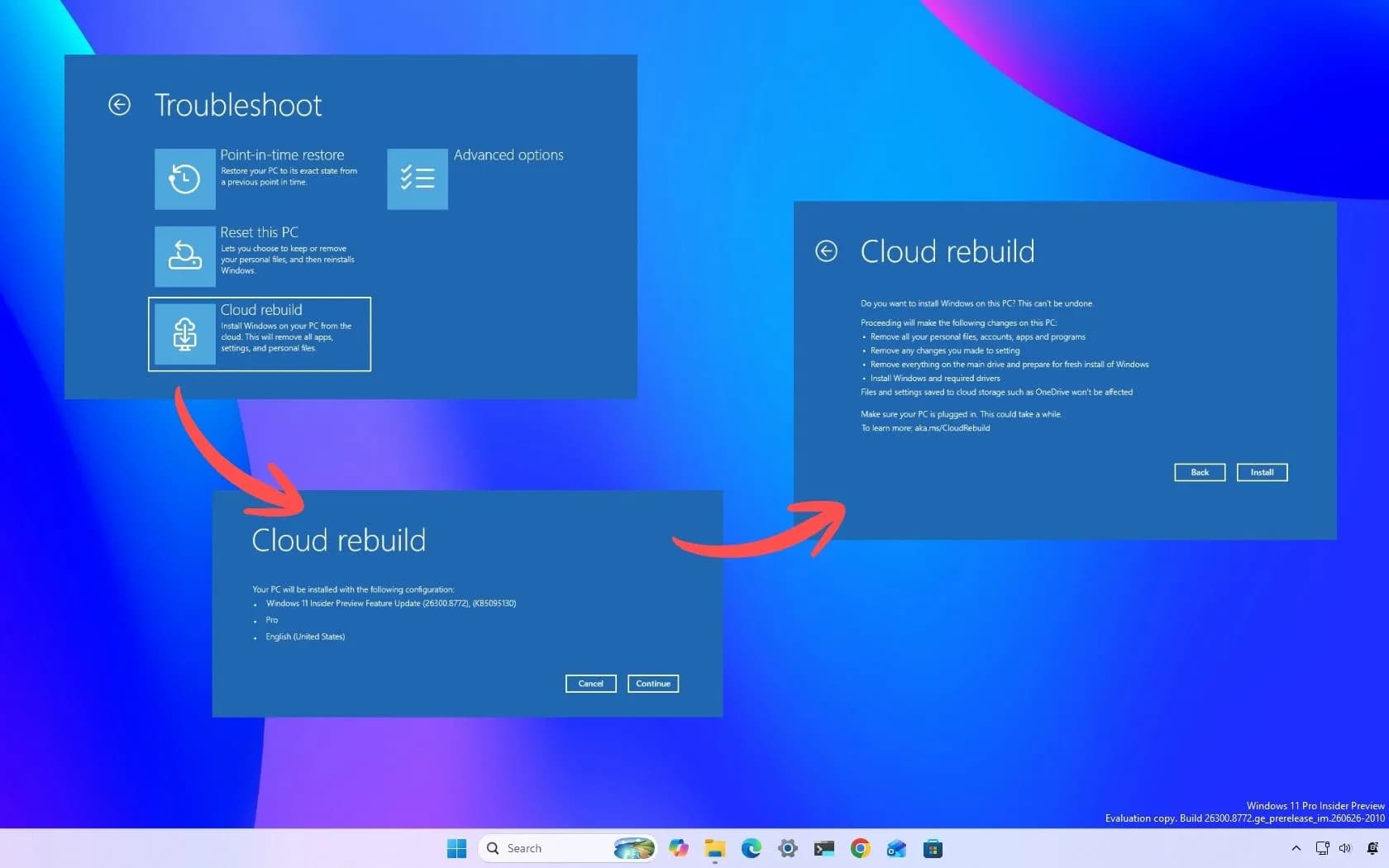
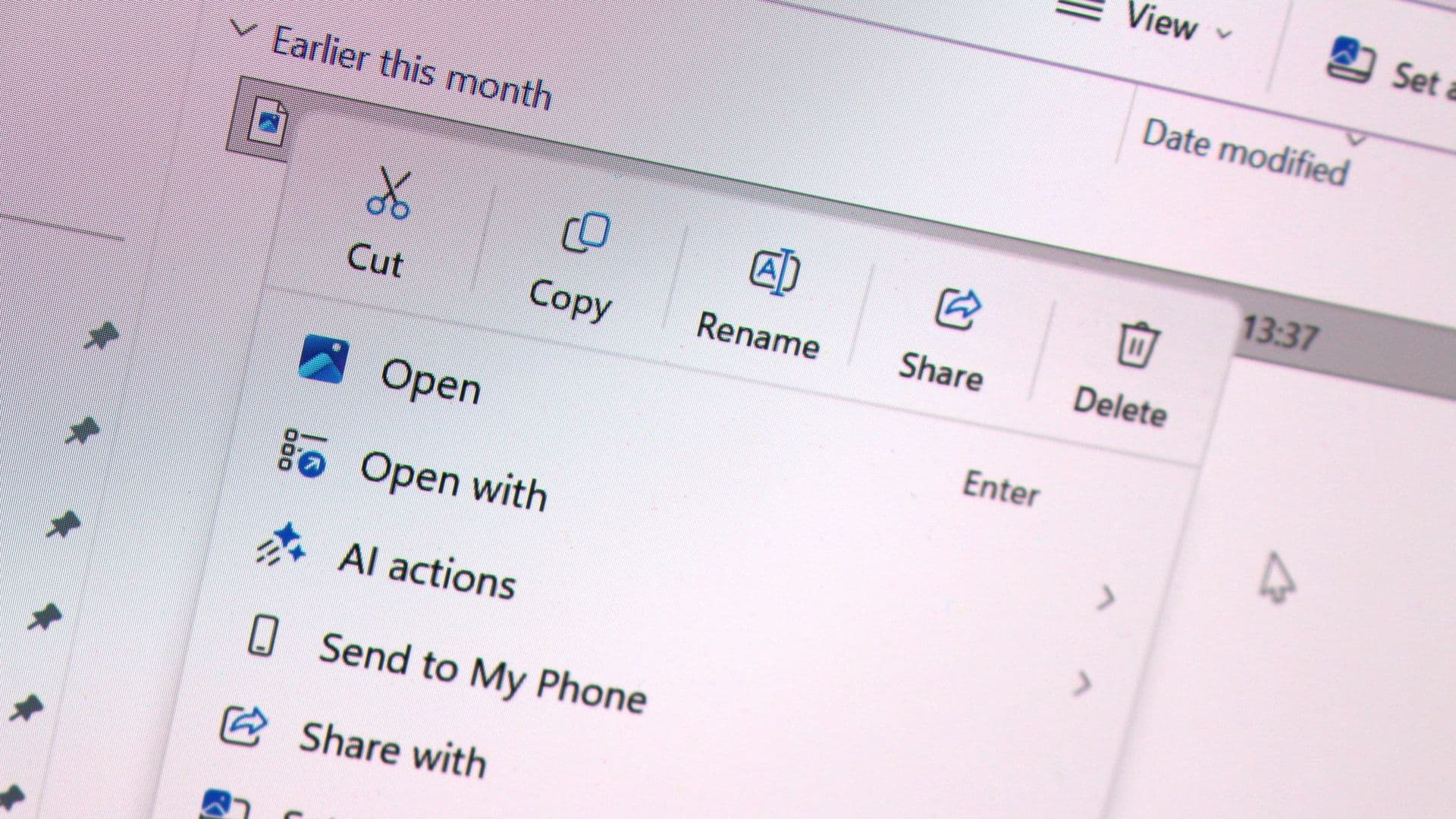
The feature is called accelerated app launch. According to Windows Central, it shaves 15 percent off Edge's launch time in general use, and up to 33 percent when a PC is juggling several tasks at once. It ships inside KB5127936, the October 2026 non-security update for Windows 11, which is currently rolling out as an optional release alongside an updated context menu and a feature called Cloud Rebuild.
The slowdown it targets is a quirk of how Windows normally opens apps. Click a link meant for your browser, and Windows first has to figure out whether that browser is already running somewhere in the background. That check runs through an intermediary process that hunts for an existing Edge instance. On a PC that just booted, you'd likely never notice the delay. Push a machine hard with a dozen things open, though, and that lookup starts to add real friction.
Accelerated app launch skips the hunt. When Edge opens for the first time, it registers itself with Windows. The next time you click a link, Start menu tile, or taskbar icon tied to Edge, Windows already knows where to look, no search required. That also means the speed gain only kicks in once Edge has launched at least once and is sitting in the background, not on a browser's very first cold start.
Not staying exclusive to Edge
Edge got the feature first for an obvious reason: it's the browser Windows 11 ships with. But Microsoft isn't treating accelerated app launch as an Edge-only perk. The company is contributing its work on the feature to Chromium, the open-source project that underpins Edge, Chrome, Brave, Opera and a long list of other browsers. That opens the door for those browsers to pick up the same launch-speed trick without building it from the ground up.
Nothing technically stops a non-Chromium browser, like Firefox, from implementing something similar either. It would just mean more engineering work without Microsoft's code to build on.
Microsoft also plans to extend accelerated app launch to PDF files, another common case where Windows has to figure out which app should handle a click. The feature currently works through the Start menu, the taskbar, and any supported link set to open in Edge by default.
For now, the fastest way to see the change is to install the optional KB5127936 update and let Edge run in the background. Microsoft hasn't said when accelerated app launch moves from an optional preview into a mandatory Windows 11 update, or how soon Chromium-based rivals might ship their own version of it.
CDFiled by The Computing Desk
Laptops, desktops, processors, graphics cards and the operating systems that run on them.
More from this desk →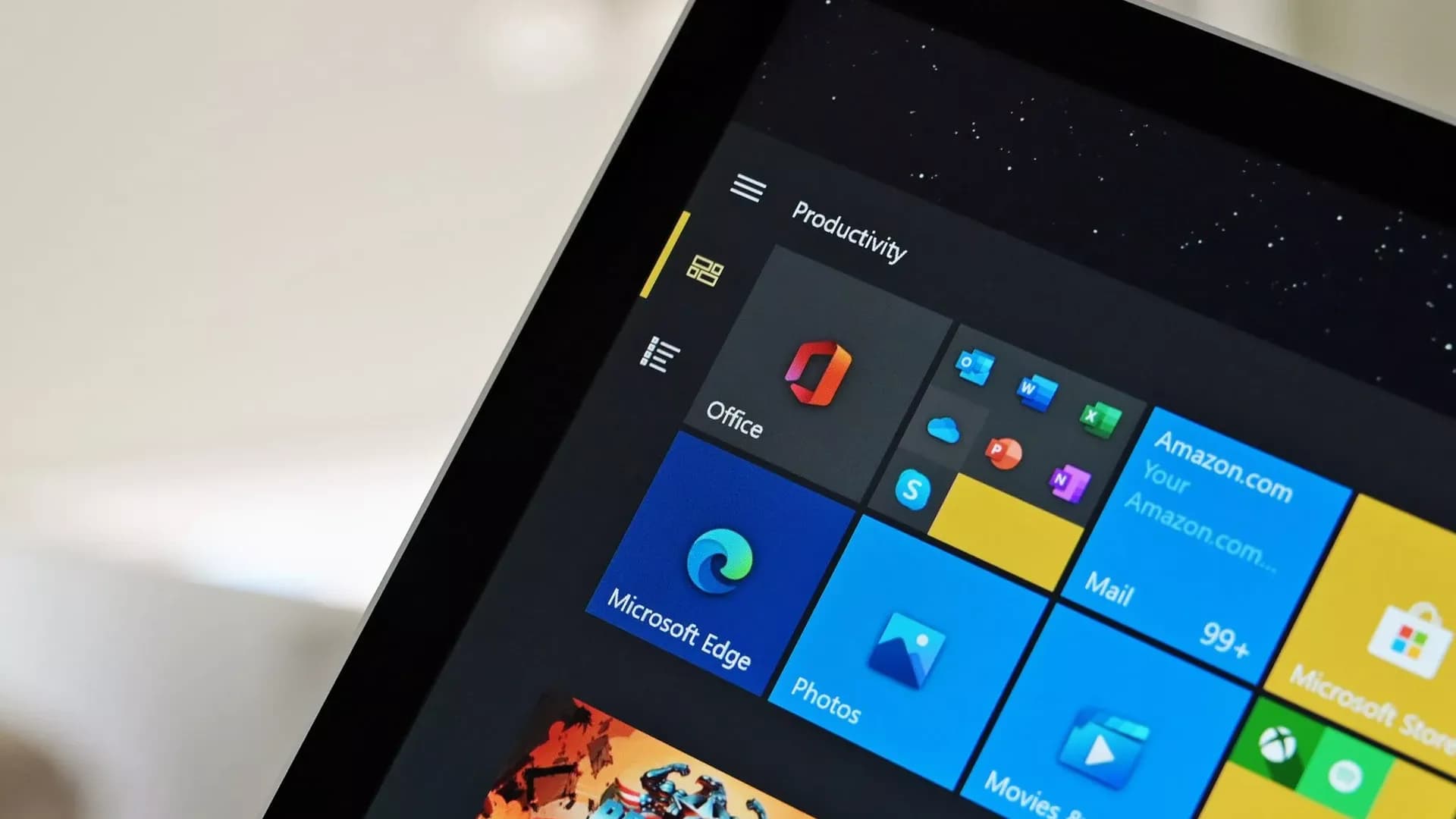
Be the first to comment
Join the argument. No password, just your email or a passkey.