Windows 11 now runs noticeably faster on PCs with just 8GB of RAM — and Microsoft says it’s not just about squeezing more out of old hardware. It’s about keeping Windows usable amid a global memory shortage that’s spiked prices and constrained supply. The update, rolled out in late October 2026 and confirmed by Microsoft in a blog post published 3 November, delivers up to 40% faster multitasking and up to 20% snappier system responsiveness compared to the January 2026 version of Windows 11.
That includes opening Start, launching File Explorer, right-clicking files, and searching, all tasks Microsoft insists must feel instant, even when memory is tight. 8GB remains the official minimum for Windows 11, but until now, that spec often meant compromises: sluggish tab switching, app reloads after backgrounding, and visible lag during basic workflows. Not anymore, at least not as much.
Microsoft achieved the gains through three interlocking changes: smarter memory compression (keeping up to 2GB more active data in RAM instead of swapping to disk), tighter prioritization of foreground tasks (like app launches) over background work (like search indexing), and reduced memory footprints across core apps. Word, PowerPoint, Excel, Outlook, and WhatsApp now use less RAM collectively.
Edge puts inactive tabs to sleep after 15 minutes instead of two hours. And Widgets loads only on demand, freeing ~200 MB when closed. Across Windows, Microsoft 365, and Edge, those tweaks cut cumulative memory growth by up to 900 MB. Microsoft tested the improvements across more than 20,000 PCs in its labs, including current-gen 8GB systems, using real-world workloads: browsing 20 Edge tabs while playing 4K video and loading large Office files.
A 2026 Dell XPS 13 with 8GB outperformed a 2021 model with the same RAM by 94% in multi-core CPU speed, and matched the responsiveness of a 2021 system with 16GB. That shows what Microsoft is really optimizing for: not raw throughput, but perceived speed on budget and mid-tier laptops where upgrading RAM isn’t always feasible or affordable.
The timing matters. This comes amid what Microsoft calls the ‘RAMageddon’ crisis, AI chipmakers hoovering up DDR5 and LPDDR5X chips, shrinking supply, and pushing prices sharply upward. For buyers searching ‘Windows 11 key’, ‘Windows 11 Pro’, or ‘Windows 11 laptop’, that means an 8GB Windows 11 Pro laptop, like the $799 Dell Inspiron 14 Plus or the Rs 79,999 HP Pavilion Aero 13 in India, now delivers a far more viable daily driver experience than it did six months ago.
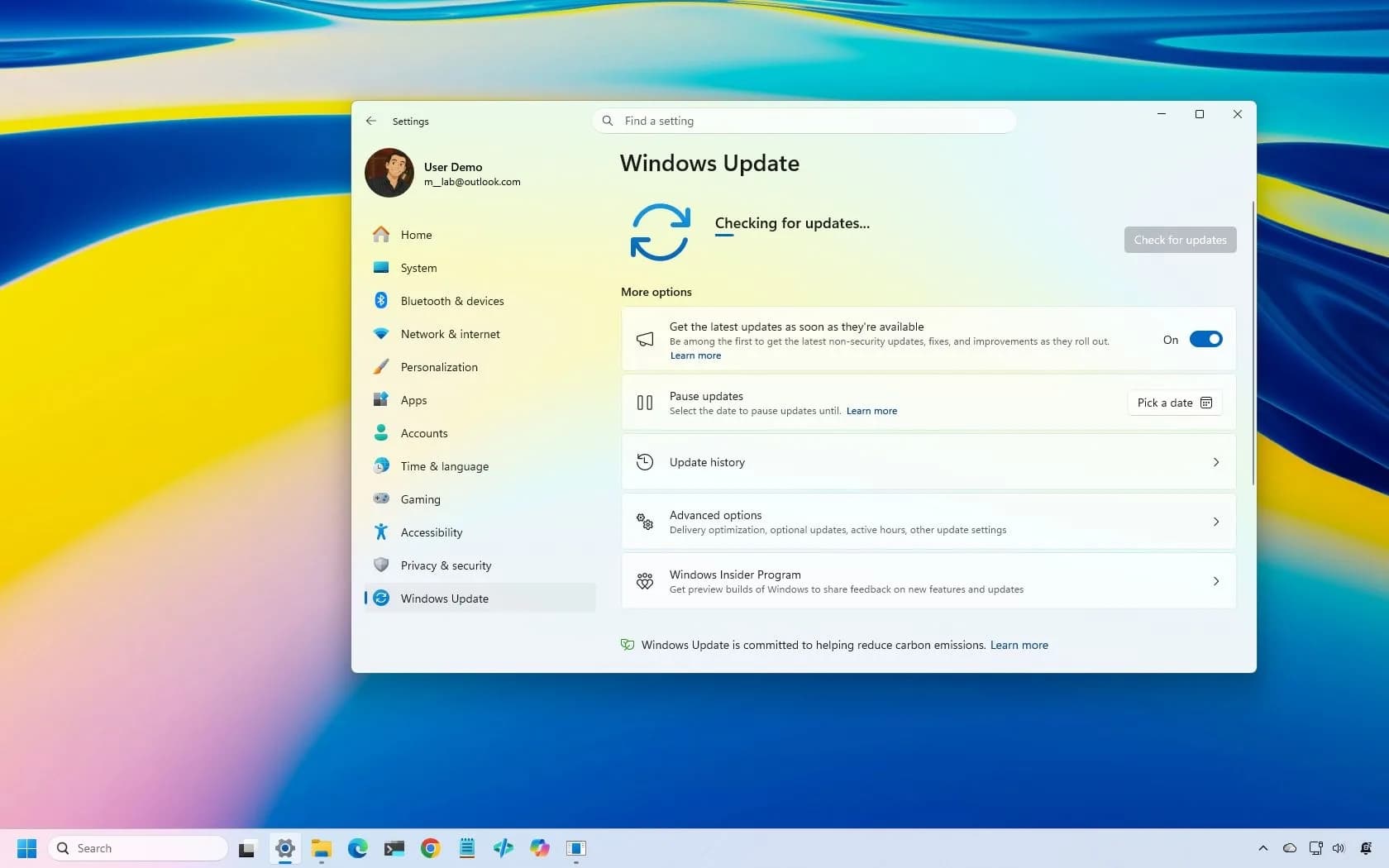
No new license, no extra cost. Just install the latest Windows update. The fix is already live.
CDFiled by The Computing Desk
Laptops, desktops, processors, graphics cards and the operating systems that run on them.
More from this desk →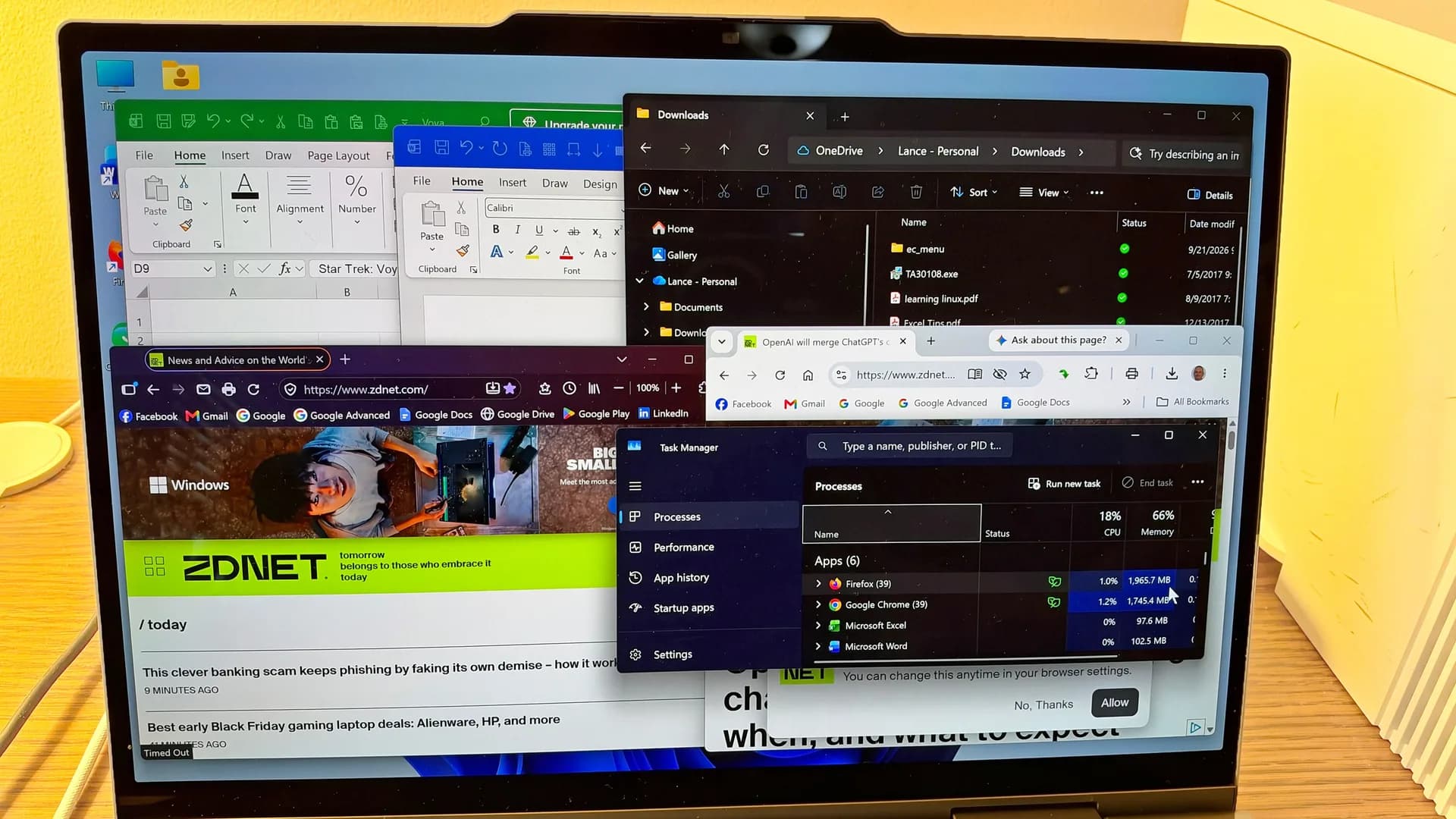

Be the first to comment
Join the argument. No password, just your email or a passkey.