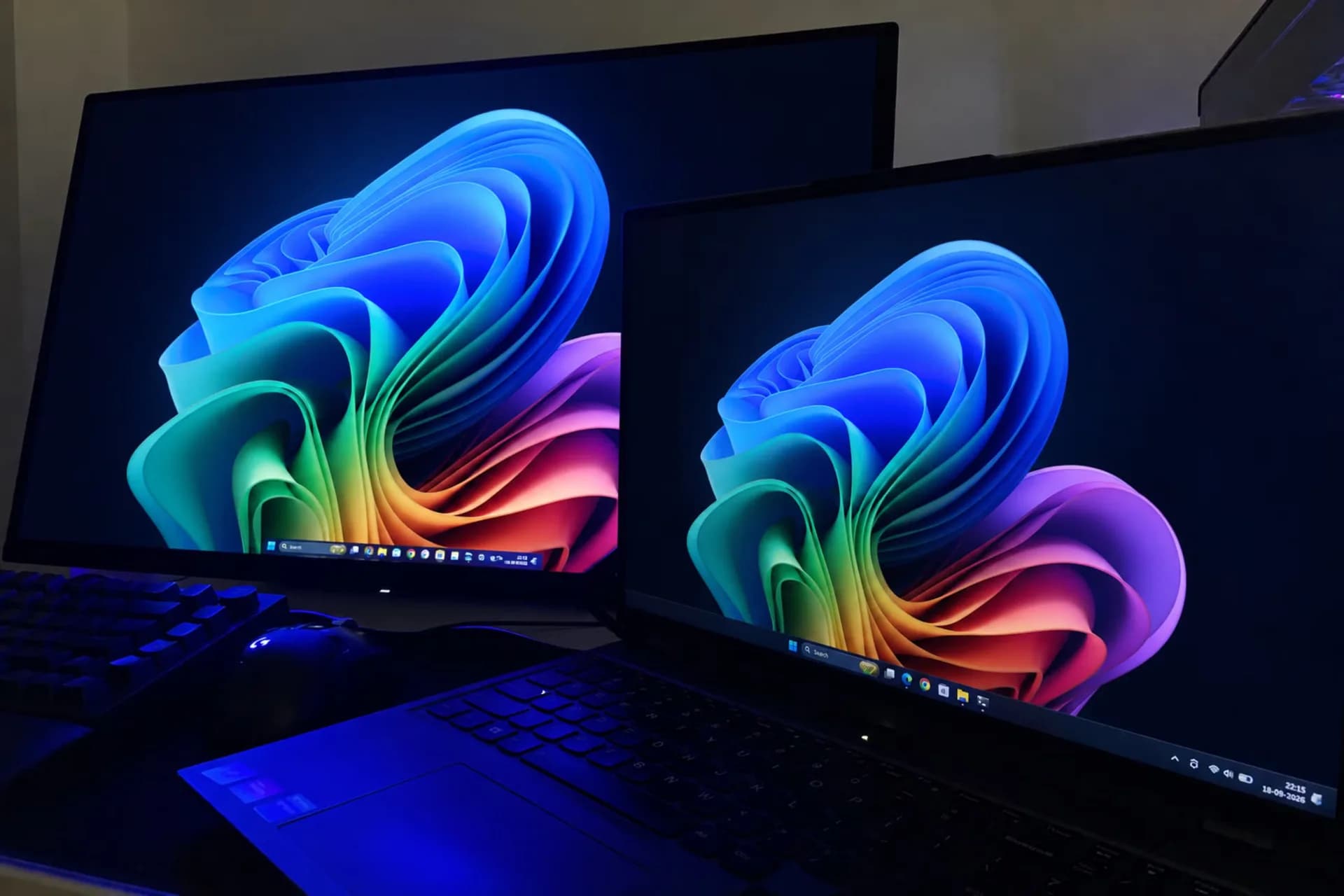
Windows 11 Pro remains the default OS for power users who need RTX Video Super Resolution, Windows Sandbox, and kernel-level anti-cheat compatibility — not because Linux has stalled, but because the rest of the industry hasn’t moved with it. That’s the core argument in a widely shared XDA Developers essay published Friday, which lays out four concrete reasons why its author paid $199.99 for Windows 11 Pro and has no plans to switch to Linux, despite acknowledging that Linux “has done the work” and Proton “has caught up” on many fronts. The piece isn’t a critique of Linux. It’s a map of where the ecosystem still fails users, and why those failures sit squarely with hardware vendors, game publishers, and app developers, not the kernel or desktop environments. The four reasons: RTX features tied to Windows-only software (RTX HDR, RTX Video Super Resolution, DLDSR), Windows Sandbox’s one-click disposable VMs, Windows Hello’s system-wide credential integration, and kernel-level anti-cheat in Fortnite, Valorant, Call of Duty, PUBG, and others. All of which block Linux by design. None of these are missing from Linux due to technical immaturity. They’re missing because Nvidia ships its RTX app only for Windows. Because Microsoft built Sandbox into Windows 11 Pro, not as an optional download, but as a baked-in feature requiring no ISO, no setup, no snapshots. Because Windows Hello plugs directly into Credential Manager, while Linux alternatives like Howdy or fprintd remain third-party, fragmented, and unconnected to system auth. And because publishers choose ring-0 anti-cheat instead of user-space alternatives. A decision that excludes Linux regardless of Proton’s maturity. The author notes that over 300 hours logged in Fortnite alone make switching impractical. That’s not nostalgia. It’s infrastructure lock-in. The price of Windows 11 Pro is $199.99 in the US. In India, it’s Rs 15,999 when purchased standalone through Microsoft’s store. It’s available now. No new version, no update, no leak, just a clear-eyed accounting of what still binds users to Windows, even in 2026.
Windows 11 Pro vs Linux: Why RTX Video Super Resolution, Windows Sandbox, and Kernel-Level Anti-Cheat Keep Users Paying $199.99
It’s not about Linux falling behind. It’s about Nvidia, game publishers, and Microsoft holding the keys — and choosing not to hand them over.
The Computing Desk · (2 hours ago)
Reported from
How this story was made
Written by the Hitechreports desk from the reporting credited above, with facts attributed to their original publishers. We do not test devices ourselves; anything about performance, battery life or cameras comes from the outlets that did. Prices are as reported at the time of writing. Editorial policy · Report an error
Filed by The Computing Desk
Laptops, desktops, processors, graphics cards and the operating systems that run on them.
More from this desk →Read next
More Laptops & PCs →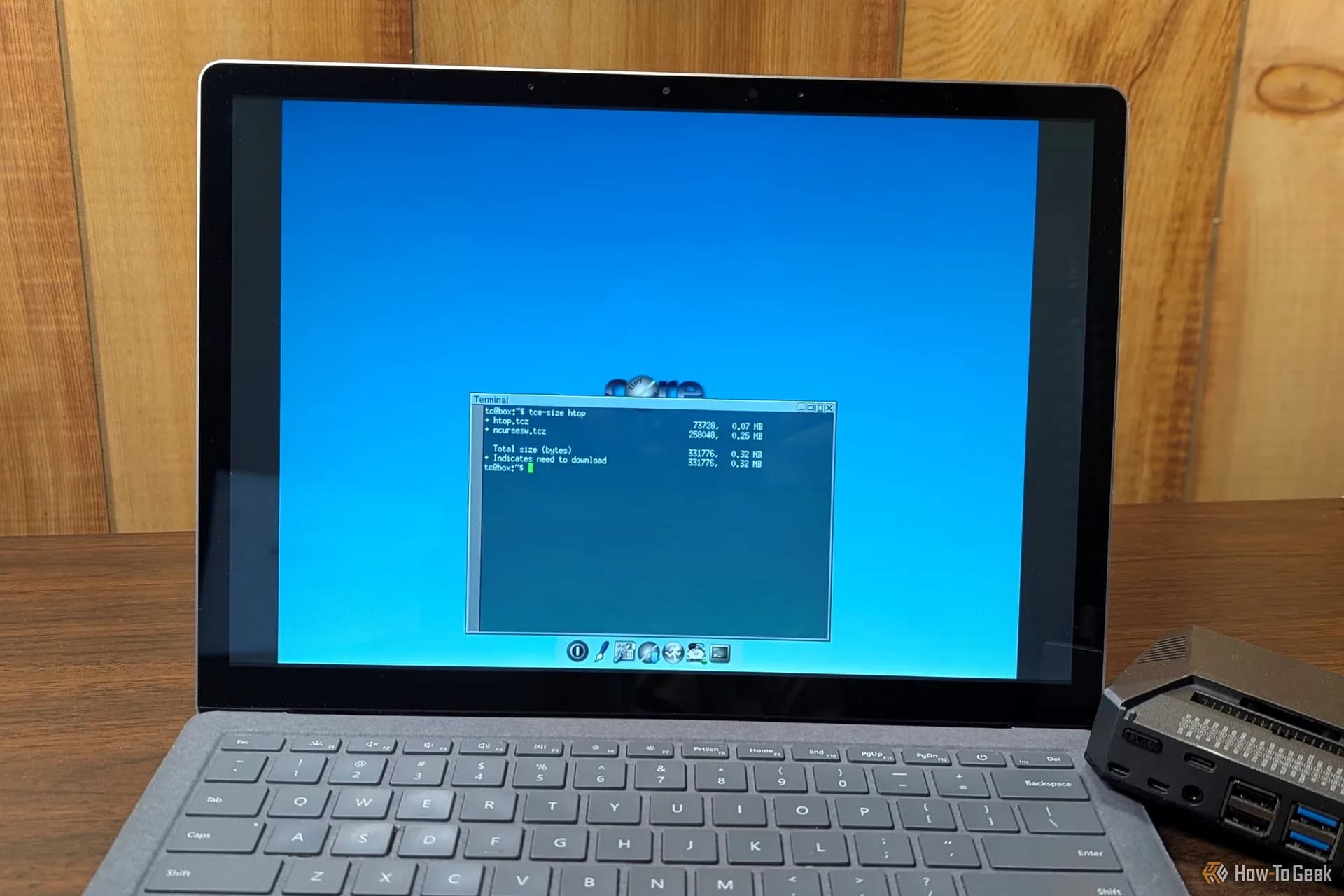
Four Lightweight Linux Distros Can Rescue Hardware Too Weak for Mint
When Linux Mint proves too heavy for aging processors and failing hard drives, these four ultra-lean operating systems offer practical paths to bring ancient laptops back to life.
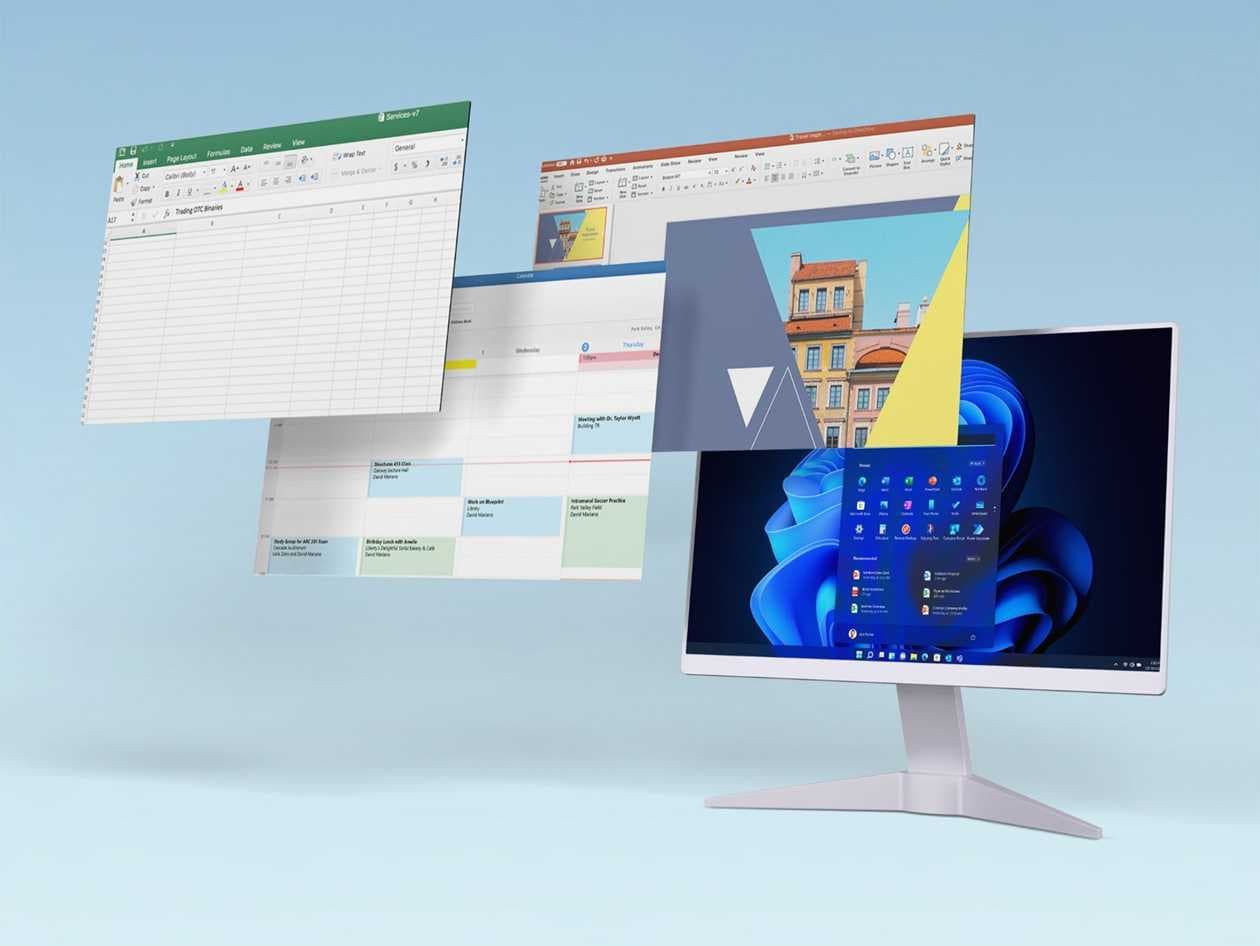
Windows 11 Pro and Office Pro 2021 for $34.97: What You Get, What You Don’t
A $34.97 bundle delivers Windows 11 Pro and Office Professional 2021 with lifetime licenses — no subscription, no renewal. It’s a limited-time third-party offer, not sold by Microsoft directly.
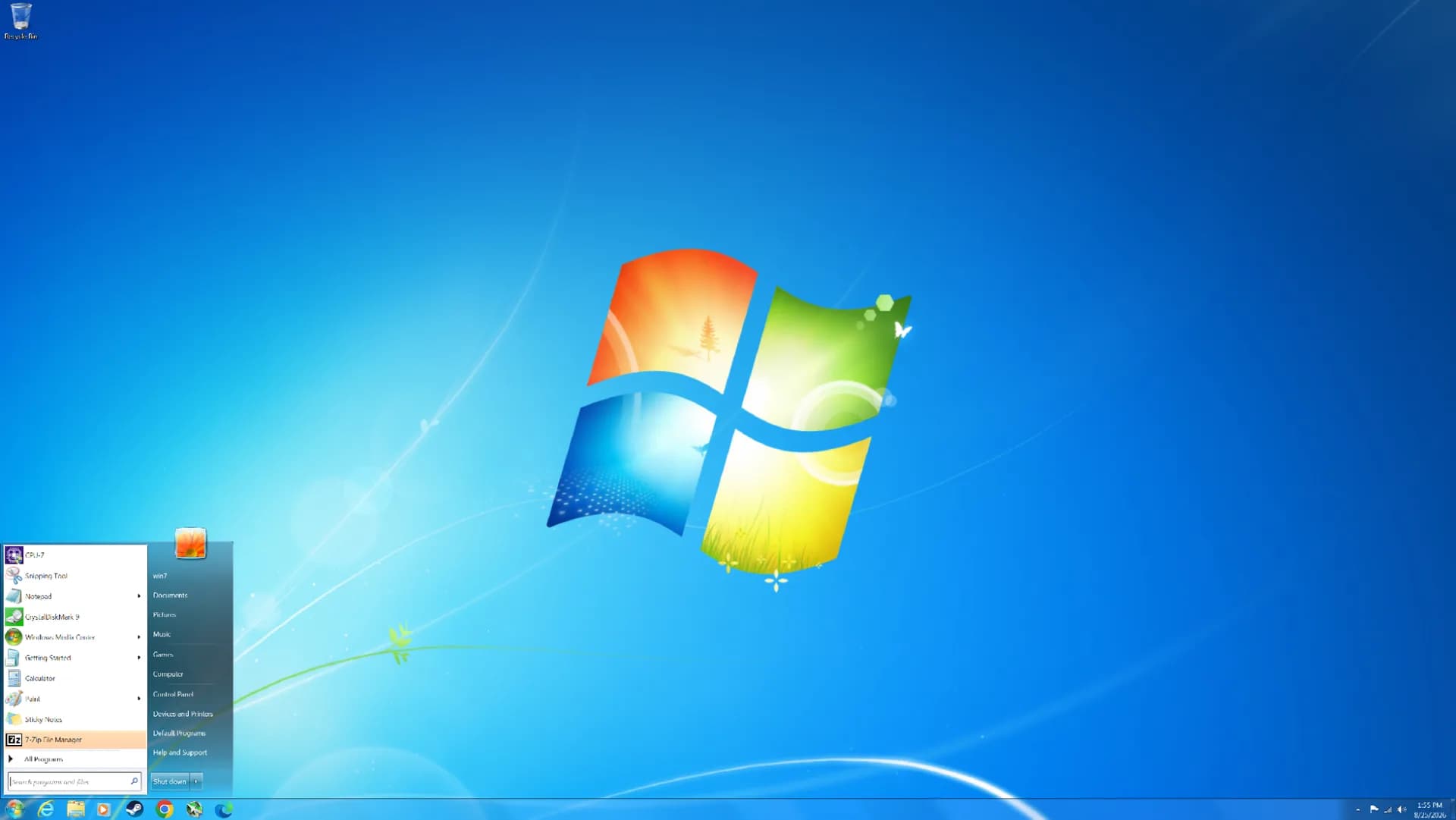
Windows 7 vs Windows 11: older OS wins frame consistency in key games
Windows 7 still boots on modern hardware — and in some games, it runs smoother than Windows 11.
Be the first to comment
Join the argument. No password, just your email or a passkey.