Apple engineered the HomeView smart display to stay firmly in place, whether anchored to a tabletop pedestal or screwed into drywall. Yet because the company chose standard USB-C connections rather than a captive proprietary cable, accessory makers and the 3D printing community have an opening to reshape how the screen is used.
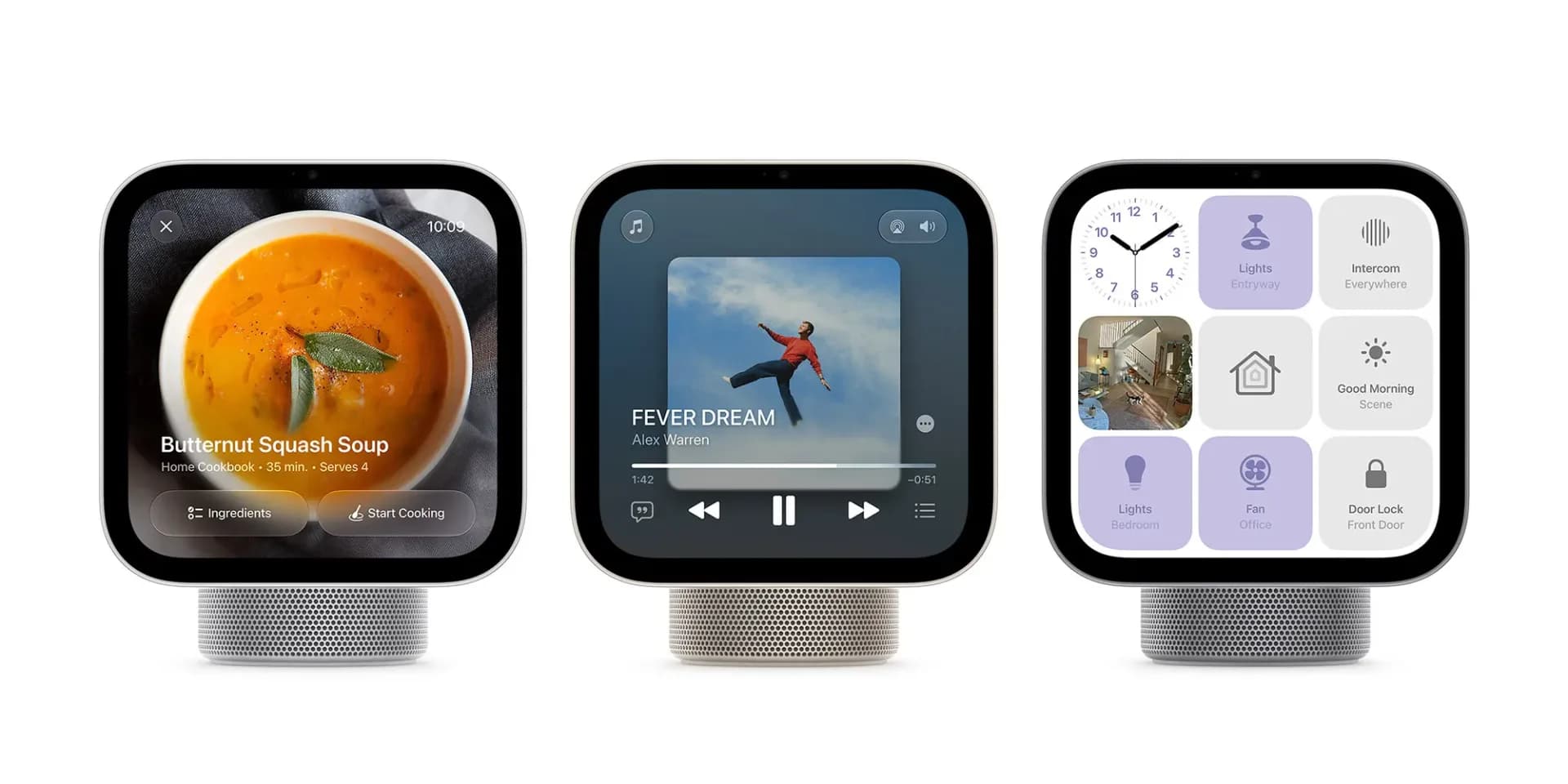
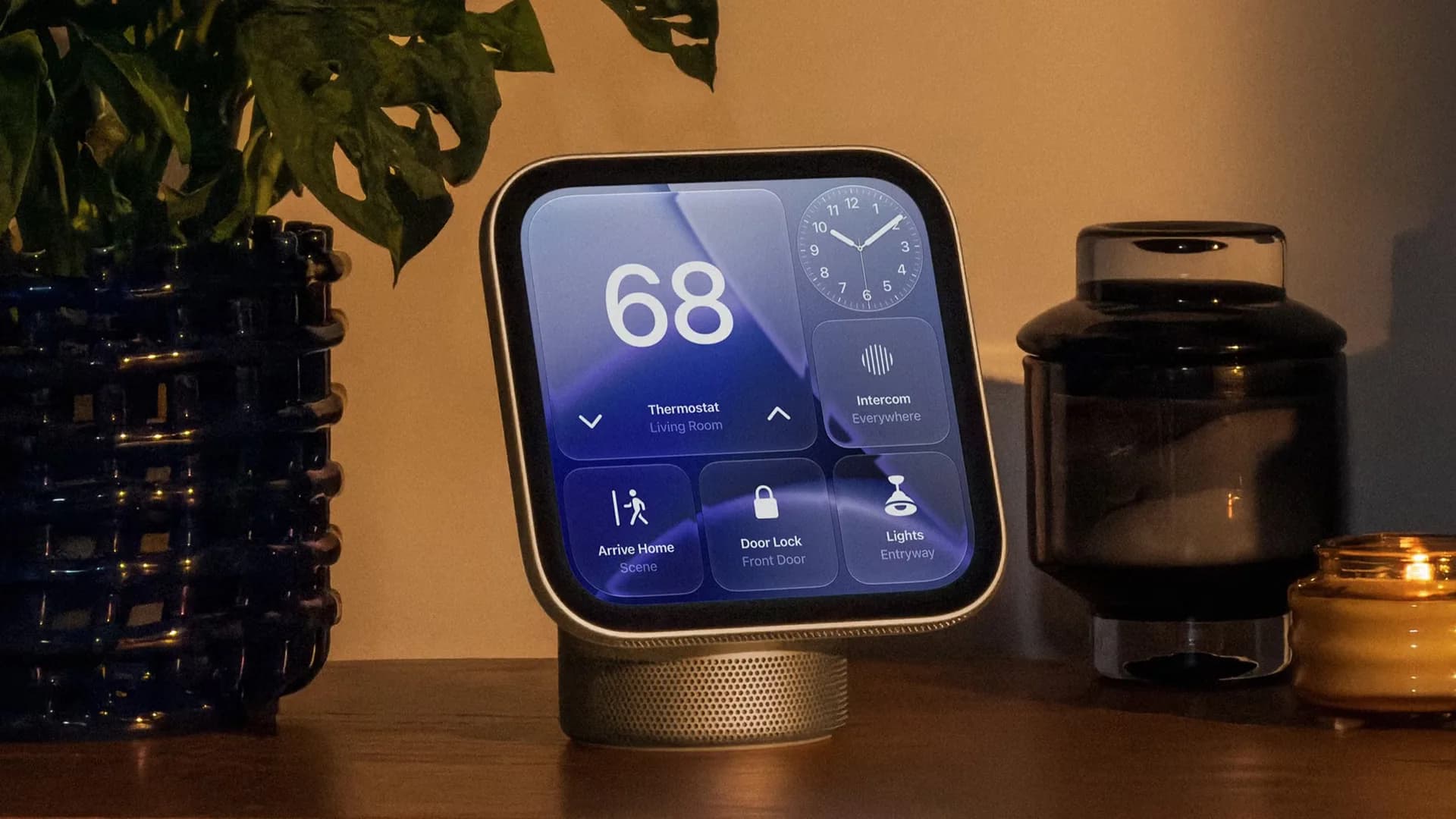
Apple plans to sell the 7-inch hub in two distinct hardware configurations. One option pairs the display with an audio speaker base, while the other is designed specifically for wall mounting. The company lists official mounting kits on the Apple Store, but the physical interface on the rear of the device does not lock owners into first-party hardware.
Apple has also published exact electrical specifications for both setups. The HomeView paired with the speaker base requires a 30W power adapter. The standalone wall-mount version draws 20W, accepting power delivery configurations of 9V at 2.22A or higher.
Custom Stands and Portable Power
Those modest electrical demands make third-party engineering straightforward. On the wall-mount edition, Apple centered a standard USB-C port recessed inside a rear ring. Any bracket capable of routing a cable into that recess can hold the display. Users are not required to purchase Apple's official wall fixtures to get the screen up and running.
Even on the speaker model, the lack of an integrated, non-removable power lead gives buyers more setup flexibility. For the wall-mount slate, third-party builders are looking well past simple drywall brackets. With official hardware dimensions already posted on Apple's website, hobbyists and independent brands can prepare custom desktop docks, articulating arms, or retro housings styled after vintage Macintosh computers and the sunflower base of an iMac G4.
A standard 20W power threshold also creates a path toward portability. Apple built the HomeView without an internal battery, intending it to remain a stationary fixture so households buy multiple screens for multiple rooms. Unplugging the slate from a wall shuts it off immediately.
Third-party battery enclosures can easily sidestep that design choice. A portable power bank capable of pushing 20W over USB-C can keep the 7-inch panel running without a wall outlet. Accessory makers previously built battery docks for the HomePod mini to let users take it outdoors, and the HomeView's power profile allows for the exact same treatment. For buyers willing to wait on independent case makers, the stationary home hub might not stay tethered to a single wall for long.
HTFiled by The Home Tech Desk
TVs, home appliances and the smart home: refrigerators, washing machines, air conditioners, purifiers, robot vacuums, the sets on the wall and the platforms that connect them. Launches, prices in the US and India, and what changed.
More from this desk →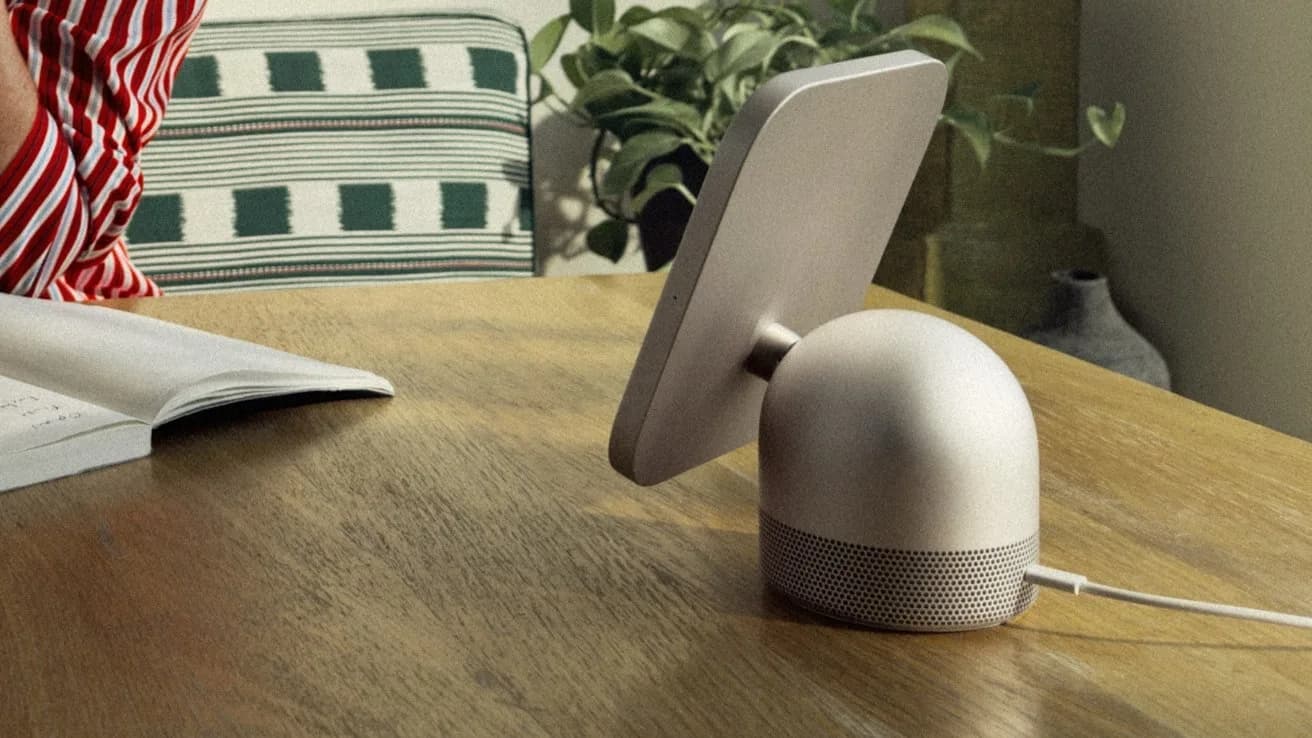
Be the first to comment
Join the argument. No password, just your email or a passkey.