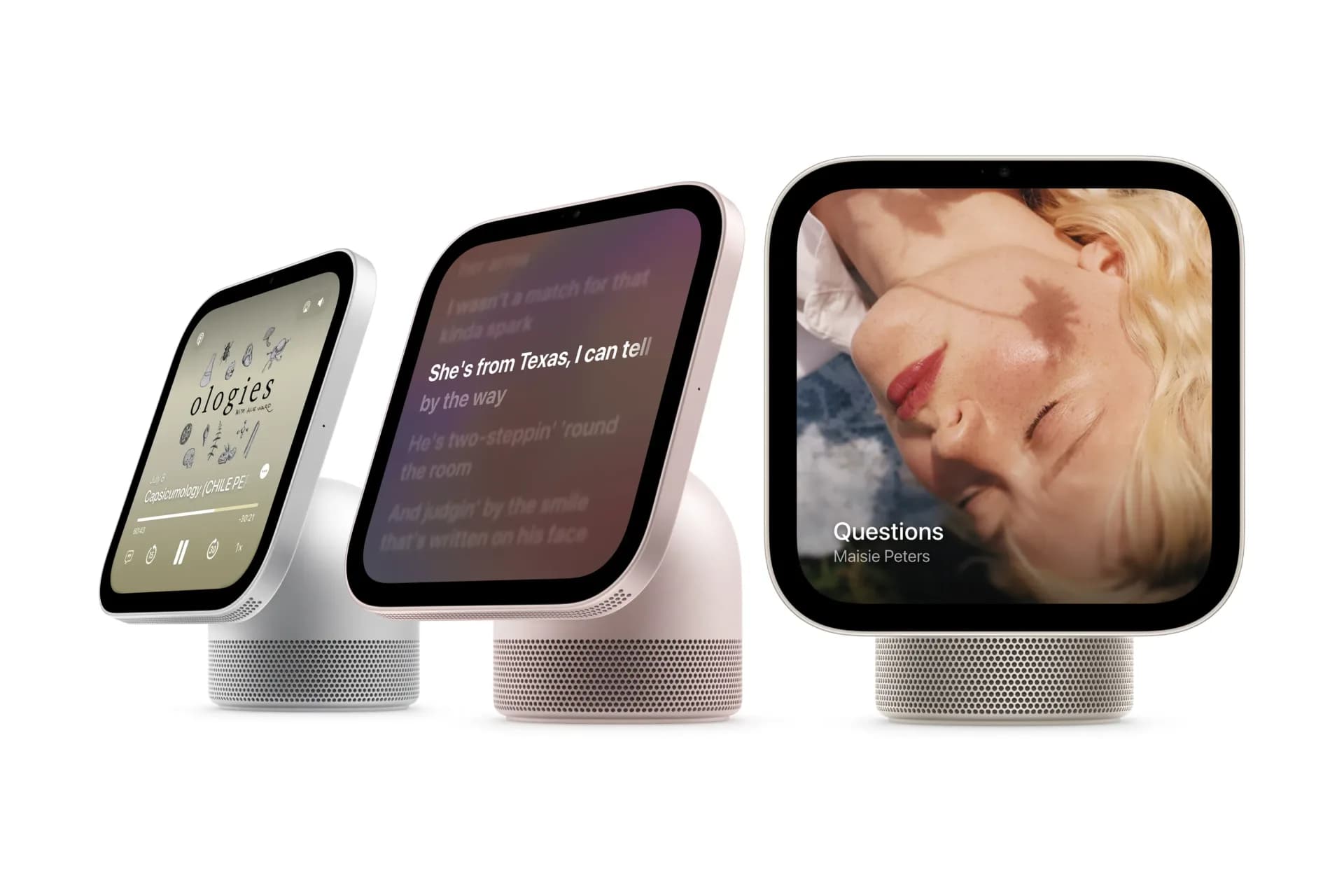
Apple HomeView price: $299 in the US, Rs 34,990 in India — preorders open, shipping starts November 13. It’s Apple’s first smart display. Not a tablet. Not an iPad. Not a HomePod with a screen. A new category: a 7-inch square Liquid Retina display that runs HomeView software, not iOS or iPadOS, and requires an iPhone 15 Pro or newer to set up and unlock personal features. No iPad support. No Android pairing. No App Store. Just Apple’s curated stack, FaceTime, Messages, Safari, Spotify, and CarPlay-compatible apps that auto-appear if already installed on your iPhone. The device is built around facial recognition, voice ID, and on-device processing. All data stays local, Apple says. Up to six iCloud accounts can be added. Stand in front of it, and it switches to your widgets, your app icons, your photo albums, your music preferences, but only if your iPhone is nearby and recently unlocked. That’s the gate. That’s the lock. That’s how Apple keeps your messages private from your spouse’s glance at the nightstand. The camera is 12-megapixel Center Stage. The mic array has four elements. Both feed Siri AI. Now context-aware enough to parse ‘play the song Eric recommended’ by scanning your Messages history. The A18 chip powers it. Aluminum body. Four colors: silver, starlight, rose pink, space gray. Two models: speaker base (with down-firing woofer and passive radiators) and wall-mount version (no bass boost, audio tuned for reflection off drywall). Wall mount options include DIY (visible cord), hardwired, or Power over Ethernet. Brightness drops to 0.3 nits, Apple’s dimmest screen ever. For bedroom use. True Tone adjusts color temperature. Preorders began October 13. Units ship November 13. This launch arrives amid Apple’s broader push to revive its lagging smart home ecosystem, one that long relied on HomePod speakers while rivals flooded the market with screen-equipped smart speakers for over a decade. Apple even removed the iPad as a hub device years ago, forcing users to buy an Apple TV or HomePod just to get started. Analyst Anshika Jain of Counterpoint told Wired that trust is becoming increasingly important with rising consumer expectations around privacy and security. And that Apple could actually benefit from its privacy-first approach. The HomeView’s interface borrows heavily from Apple Watch: swipeable watch faces, customizable colors, complications for glanceable info like weather or shared photo albums, including Snoopy animations. Swipe up, and you land on a home screen that resembles iOS or iPadOS, with app grids and widgets. But it’s not those operating systems. It’s HomeView software. Closed, controlled, and deliberately narrow. Handoff works both ways: bring your iPhone near the display to send a Safari recipe, continue a podcast, or transfer an active FaceTime or phone call. And if you have multiple HomePods or HomeViews, speaker groups can be managed directly from the HomeView interface.
Apple HomeView price: $299, Rs 34,990 in India
Apple HomeView price: $299, Rs 34,990 in India — Apple’s first smart display, no iPad setup, no App Store, and a closed ecosystem
By Home Screen
The Home Tech Desk · (2 hours ago)
Reported from
How this story was made
Written by the Hitechreports desk from the reporting credited above, with facts attributed to their original publishers. We do not test devices ourselves; anything about performance, battery life or cameras comes from the outlets that did. Prices are as reported at the time of writing. Editorial policy · Report an error
Filed by The Home Tech Desk
TVs, home appliances and the smart home: refrigerators, washing machines, air conditioners, purifiers, robot vacuums, the sets on the wall and the platforms that connect them. Launches, prices in the US and India, and what changed.
More from this desk →Read next
More Smart Home →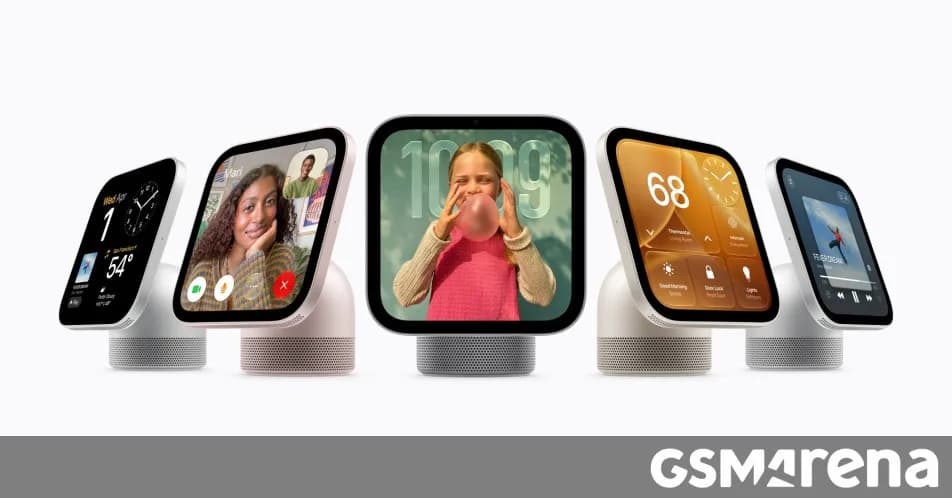
Apple Unveils HomeView Smart Display With A18 Chip and Siri AI
Apple has introduced the HomeView smart display, pairing an A18 chip and Siri AI with a 7-inch square screen for $299 ahead of a November 13 release.
Apple HomeView Smart Display Leak Points to A18 Chip and November Debut
Apple's upcoming smart home screen is reportedly named HomeView. Bloomberg's Mark Gurman says the device runs an A18 processor, comes in tabletop and wall-mounted styles, and arrives in mid-November.
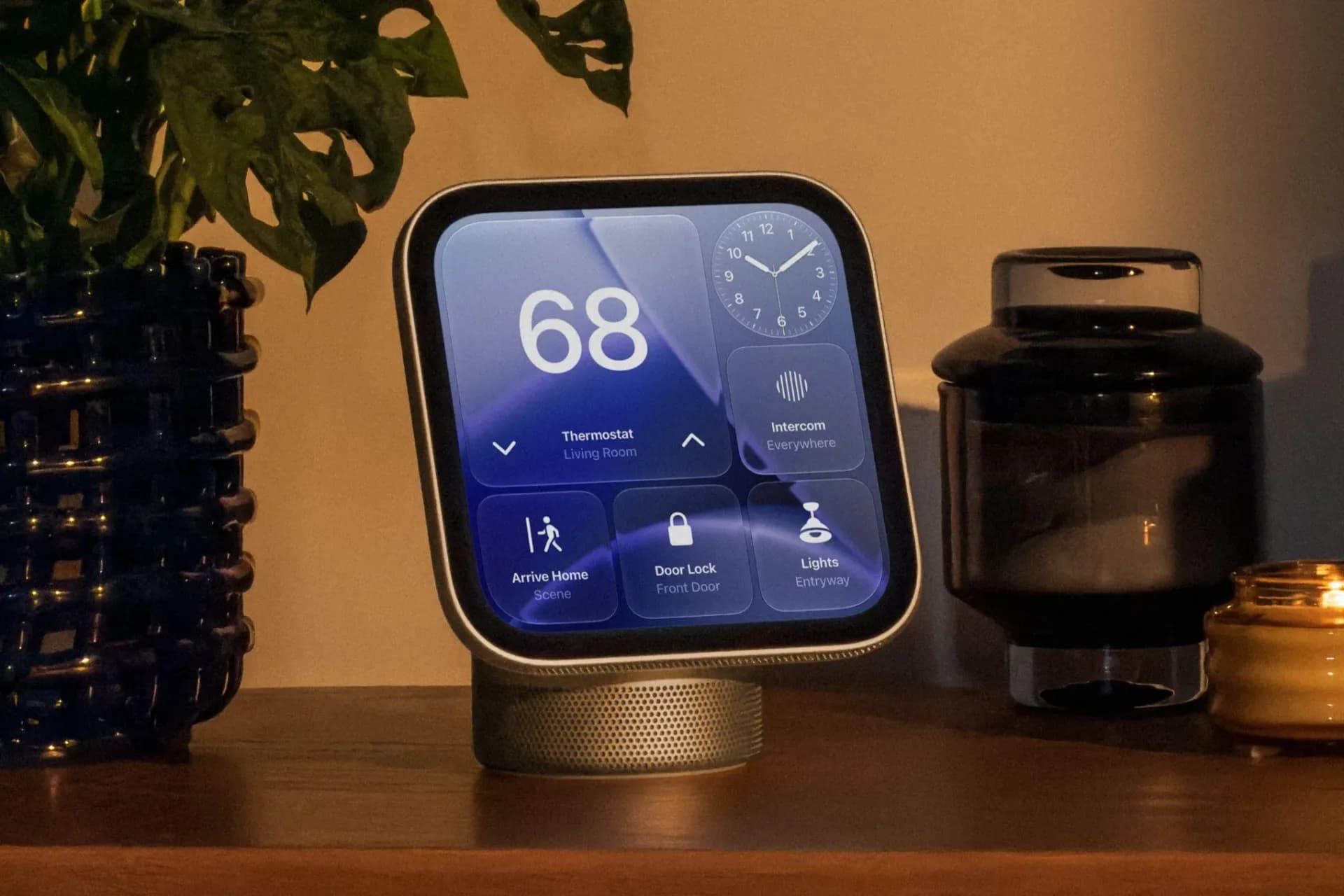
Apple HomeView smart display price, release date, features
Apple HomeView smart display is $289.99 at Amazon US — $10 off — in gray and starlight. Launches globally November 13. No Indian pricing or availability announced.
Be the first to comment
Join the argument. No password, just your email or a passkey.