Apple's touchscreen MacBook Pro goes on sale November 6, and the most interesting part of the launch might be what Apple didn't do: kill off the laptop it's replacing.
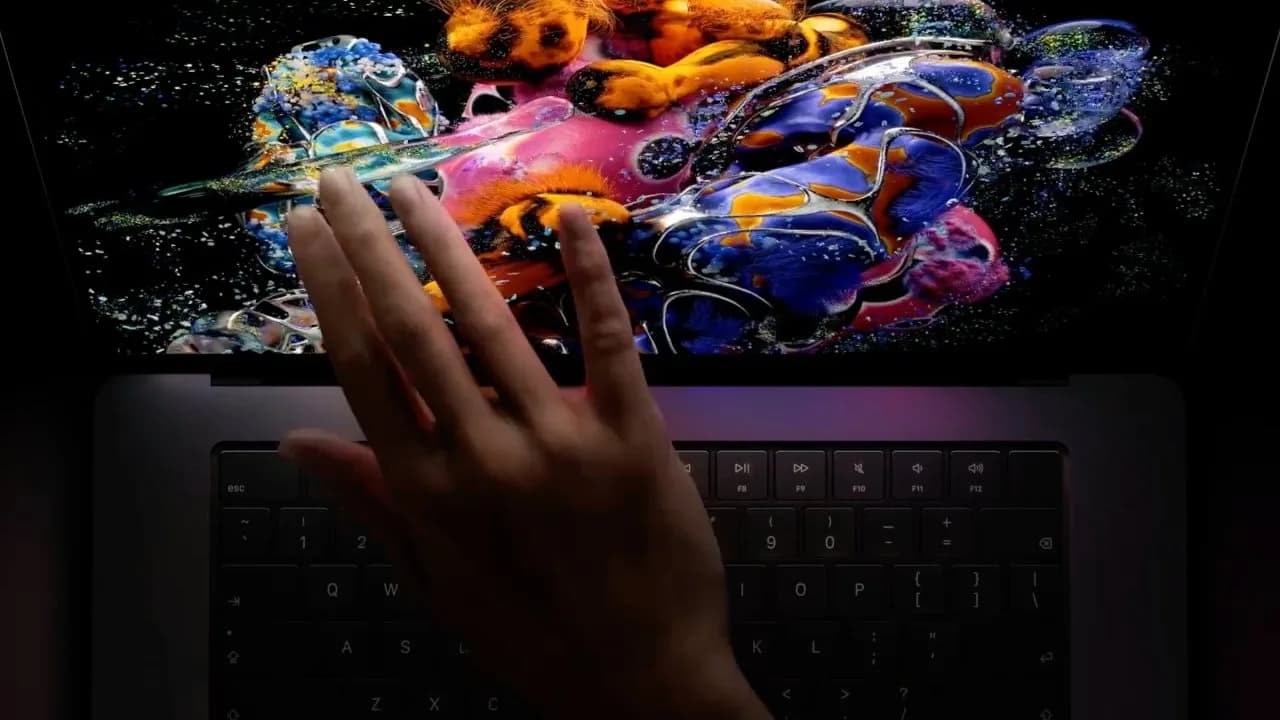
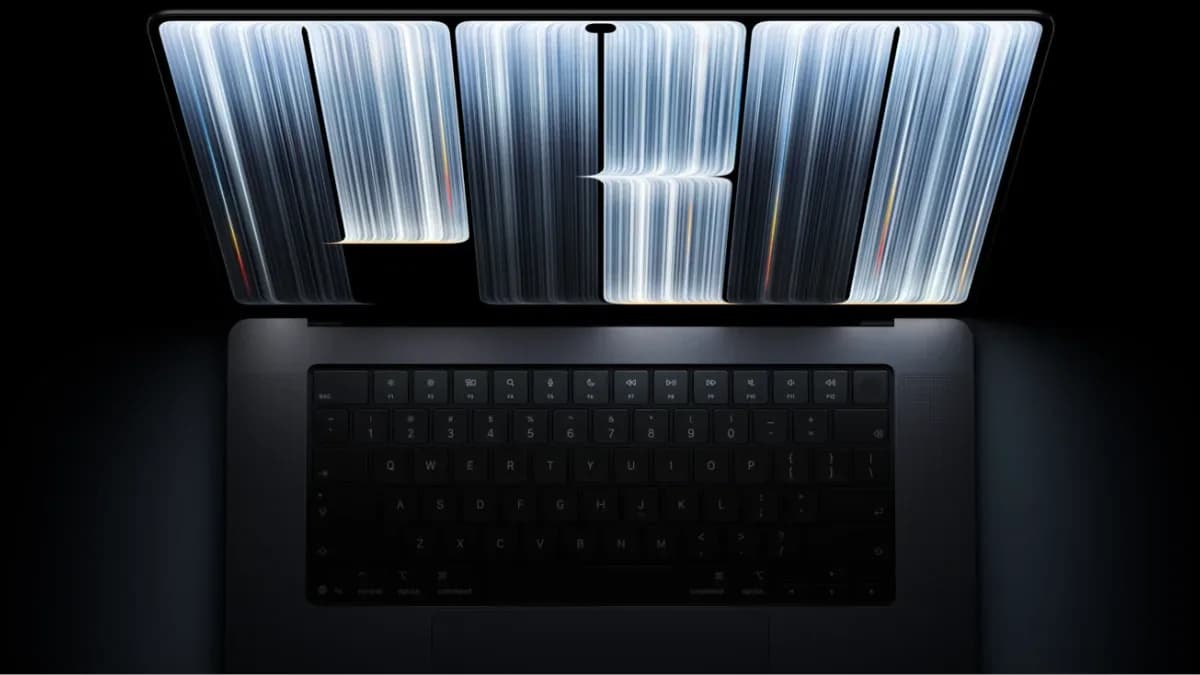
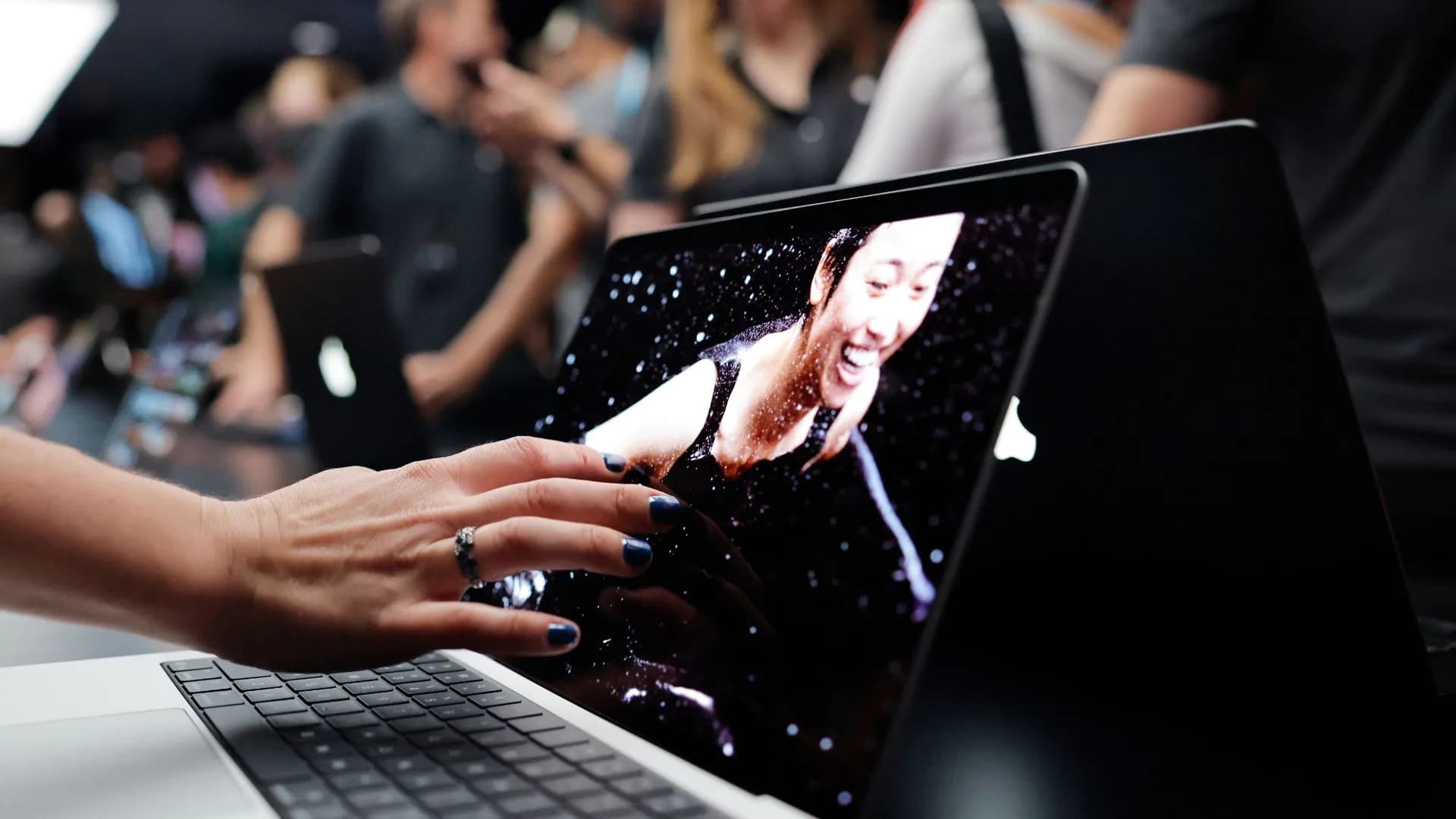
The new MacBook Pro with PROLED XDR Display, Apple's branding for its tandem OLED panel, carries a roughly $400 premium over the standard M5 Pro and M5 Max MacBook Pro models, according to 9to5Mac. Those non-touch machines are staying on the shelf rather than getting pulled the moment the new one ships.
That matters because the chips inside both versions are identical. Buy the touchscreen model and you get the same M5 Pro or M5 Max silicon as the cheaper laptop next to it, plus a Tandem OLED display, a thinner and lighter chassis, slimmer bezels, a redesigned audio system, a Dynamic Island cutout, and the return of the backlit Apple logo on the lid that disappeared from MacBook Pros years ago. 9to5Mac reports the new thermal system appears built mainly to manage the display's heat rather than to squeeze more sustained performance out of the chip, though it notes that reviews will need to confirm whether it changes anything in practice.
So the $400 buys design and screen technology, not speed. For anyone upgrading primarily for more horsepower or more memory, rather than a touch display, that's the laptop to skip.
A different playbook than the Touch Bar
Apple has not always let buyers choose between old and new like this. When the Touch Bar arrived in 2016, the only MacBook Pro left without it was the base 13-inch model. Anyone who wanted more power, or the 15-inch size, had no option but to pay the Touch Bar's markup, which ran $300 to $400 depending on configuration.
Keeping the plain-screen M5 Pro and M5 Max models around this time means Apple isn't forcing a touchscreen tax on every buyer who wants a capable machine. It's a notable change in approach for a company that has, in the past, used new features as a lever to push people into pricier tiers whether they wanted the feature or not.
Pricing and full configuration details for both the touch and non-touch lines haven't been laid out in full outside the $400 gap 9to5Mac describes, and Apple's own site will presumably carry the complete breakdown once preorders and the November 6 release line up. What's clear already is that this launch gives buyers a real fork in the road: pay more for the OLED screen and touch input, or save the money and get the same chip in a laptop that's already proven itself over the current generation.
Reviews of the touchscreen model should start landing in the days leading up to the November 6 ship date, and those will be the first real test of whether that redesigned thermal system changes anything about how the chip performs under load.
CDFiled by The Computing Desk
Laptops, desktops, processors, graphics cards and the operating systems that run on them.
More from this desk →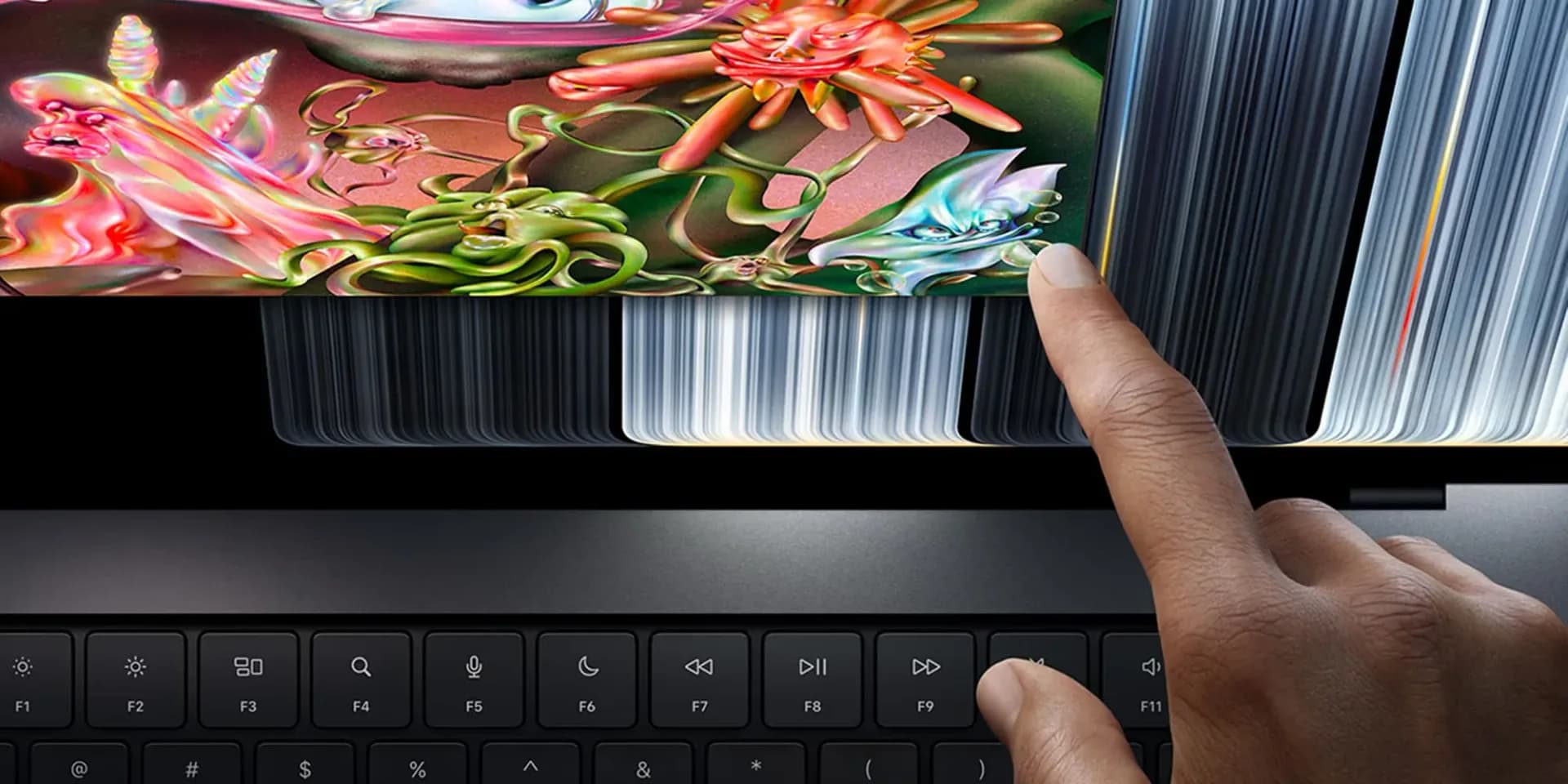
Be the first to comment
Join the argument. No password, just your email or a passkey.