Apple has given the MacBook Pro its biggest screen overhaul in years, and the headline spec isn't just the touch support everyone expected. It's everything else Apple bolted on around it.
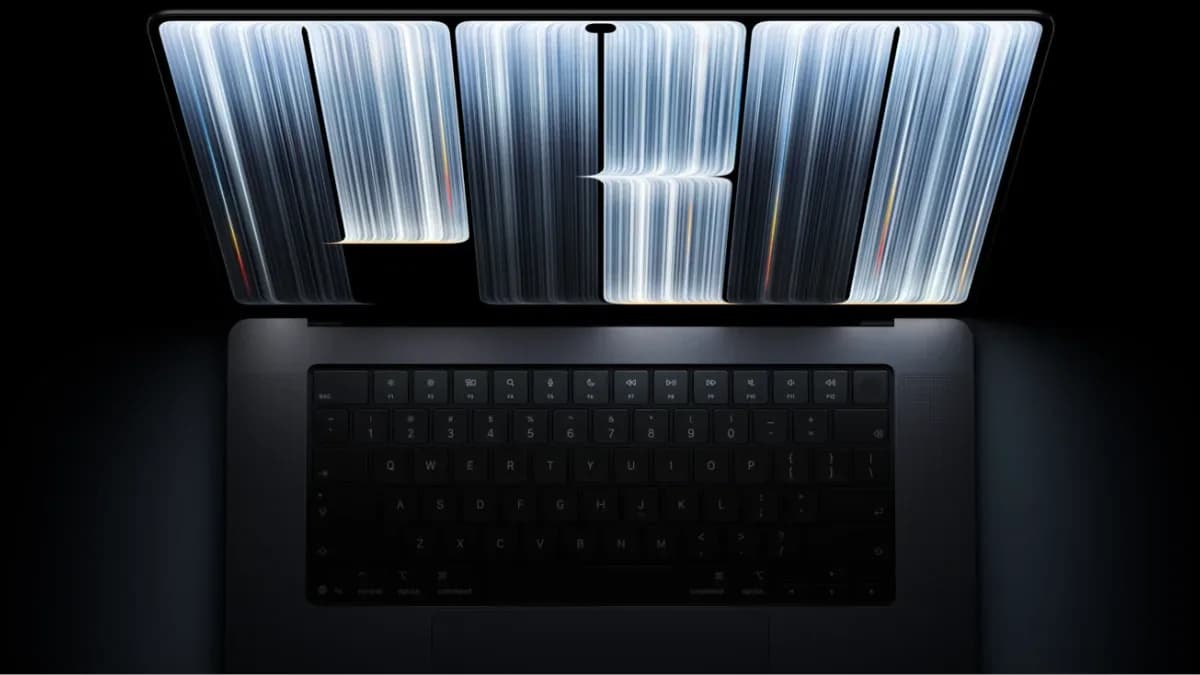
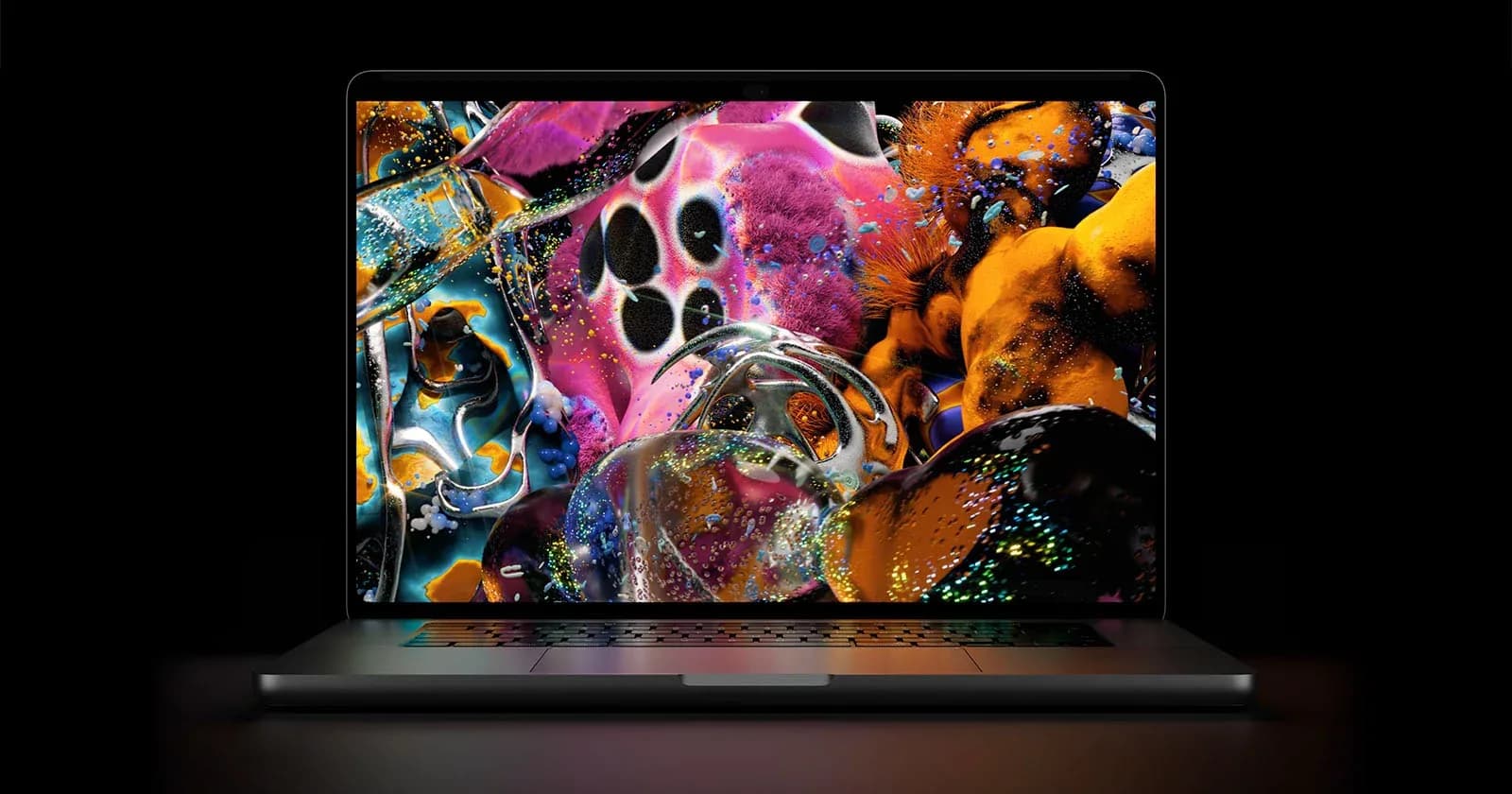
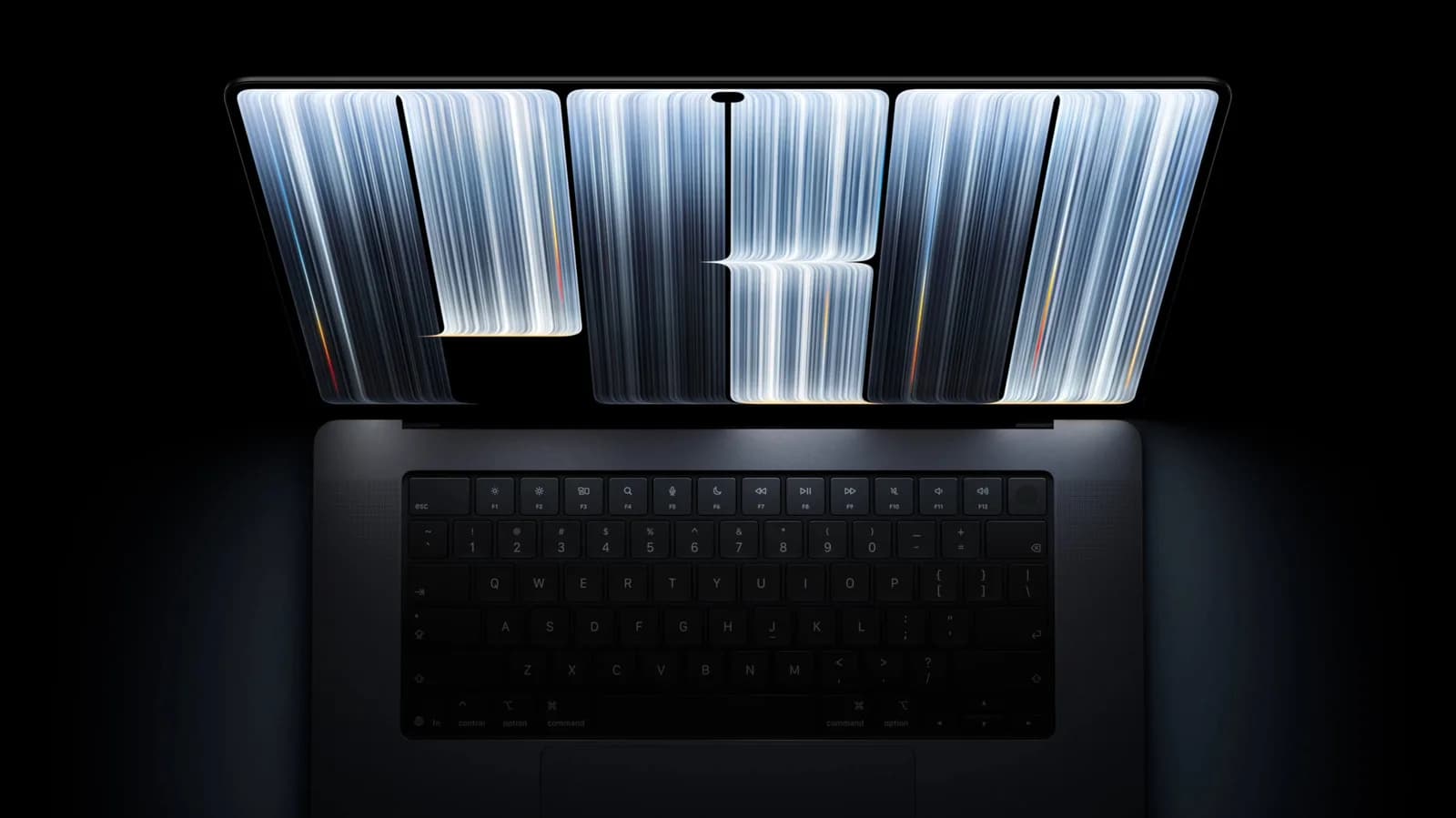
The new laptop, officially called the MacBook Pro with PROLED XDR Display, keeps the familiar 14.2-inch and 16.2-inch sizes and the same resolutions as the non-touch models, 3,024 by 1,986 pixels and 3,472 by 2,266 pixels. But the tandem OLED panel pushes brightness to 1,200 nits for full-screen content and 2,000 nits at peak for HDR, with a 120Hz variable refresh rate and a 10,000,000:1 contrast ratio. The notch is gone, replaced by a smaller Dynamic Island borrowed from the iPhone.
Both sizes also got lighter. The 14-inch model now weighs 3 pounds, half a pound less than before, and the 16-inch drops to 4 pounds, a 0.7-pound cut. Apple credits the OLED stack, which doesn't need a backlight layer the way LCD panels do.
Touch finally lands on a Mac
For a company whose executives spent a decade insisting touch and laptops don't mix, this is a reversal worth sitting with. Tim Cook said in 2015 he didn't think the tablet and the laptop would ever merge into one device, and Steve Jobs once called touchscreen laptops "ergonomically terrible." Apple's closest prior attempt, the Touch Bar strip above the keyboard, launched in 2016 and was quietly killed off by 2021.
This time it's a full multitouch display, with macOS tweaked to handle finger input directly on screen rather than through the trackpad. Johny Srouji, Apple's chief hardware officer, called it "a whole new way for pros to interact with their content" in Apple's announcement.
The glowing Apple logo on the lid is also back, eight years after Apple dropped it from the MacBook Pro in 2016.
Same chips as before, oddly
The new display sits on top of M5 Pro and M5 Max silicon, the same chips already in the non-touch MacBook Pro, rather than the M6 chip Apple put in a separate MacBook Pro refresh earlier the same week. The M5 Pro configuration starts at 24GB of RAM, the M5 Max at 36GB. Reports cited by XDA Developers suggest Apple's M6 Pro and M6 Max variants simply weren't ready in time, leaving this year's chip lineup split across two different MacBook Pro models sold side by side.
Apple also redid the audio. Six speakers with a new woofer design are meant to deliver bass 50% deeper than the outgoing model, alongside Spatial Audio with Dolby Atmos and tuning specifically for clamshell mode, when the lid is shut and the laptop drives an external display. Ports carry over unchanged: MagSafe 3, a headphone jack, an SD card slot, HDMI and three Thunderbolt 5 connections, with support for up to three external displays on the M5 Pro model and four on the M5 Max. Apple lists battery life at up to 24 hours.
Pricing starts at $2,899 for the 14-inch model and $3,399 for the 16-inch, a premium over the non-touch versions that use the same chips. Apple hasn't detailed pricing for India or other markets outside the US. Pre-orders are open now, with units shipping from November 6.
CDFiled by The Computing Desk
Laptops, desktops, processors, graphics cards and the operating systems that run on them.
More from this desk →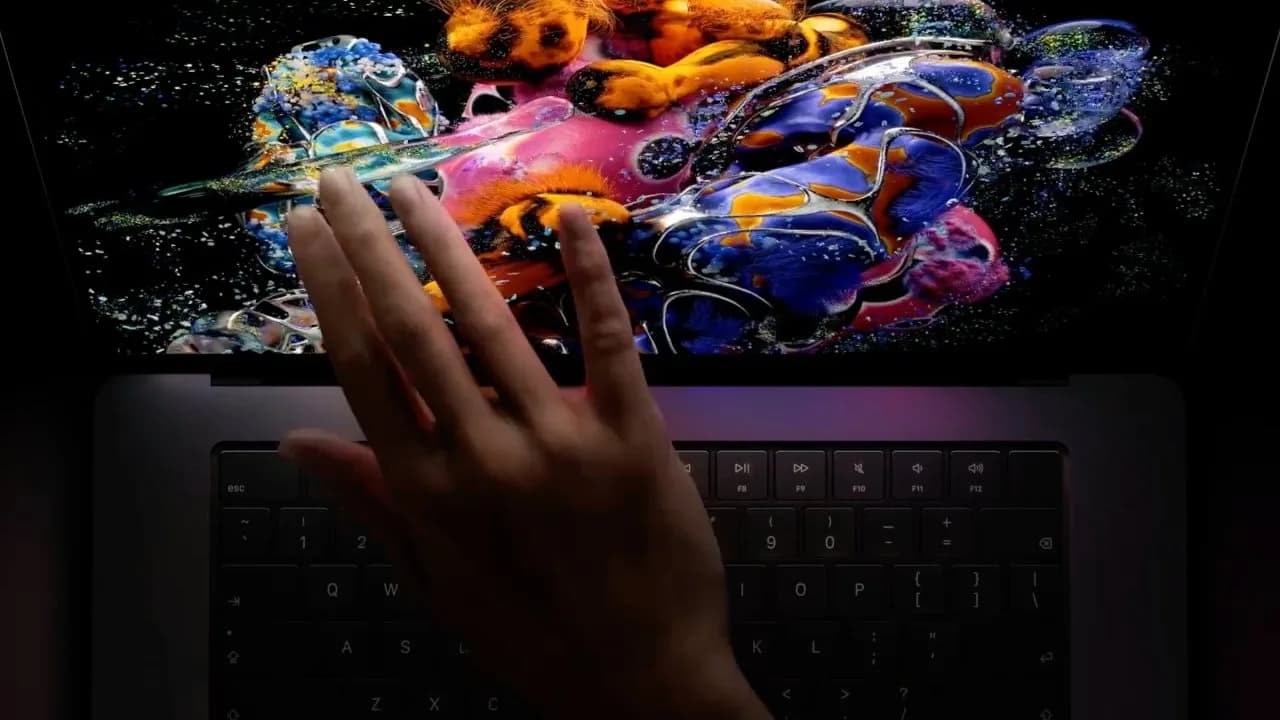
Be the first to comment
Join the argument. No password, just your email or a passkey.