Apple Watch SE 3 and Apple Watch Series 12 are now the two most talked-about models in Apple’s wearable lineup — not because either launched recently, but because they’re head-to-head options for holiday shoppers weighing value against capability.
The Apple Watch SE 3 remains Apple’s entry point into the ecosystem. It got a major refresh last year: Always-On display, sleep apnea notifications, temperature sensing, interactive wrist flick, and double-tap gestures. Battery life is rated at 18 hours, extendable to 32 hours in Low Power Mode. Fast charging hits 0–80% in 45 minutes. And it sells for under $200, the lowest price point for a current-gen Apple Watch with those features.
The Apple Watch Series 12, meanwhile, is Apple’s newest smartwatch. It introduces an all-new Health Sensing System that captures heart rate every five seconds, a jump from the five-minute intervals used by the SE 3 and earlier models. Apple says its internal study of over 1,000 participants found the Series 12 “achieved statistically better accuracy than every competing wearable it tested across workouts and daily activities.”
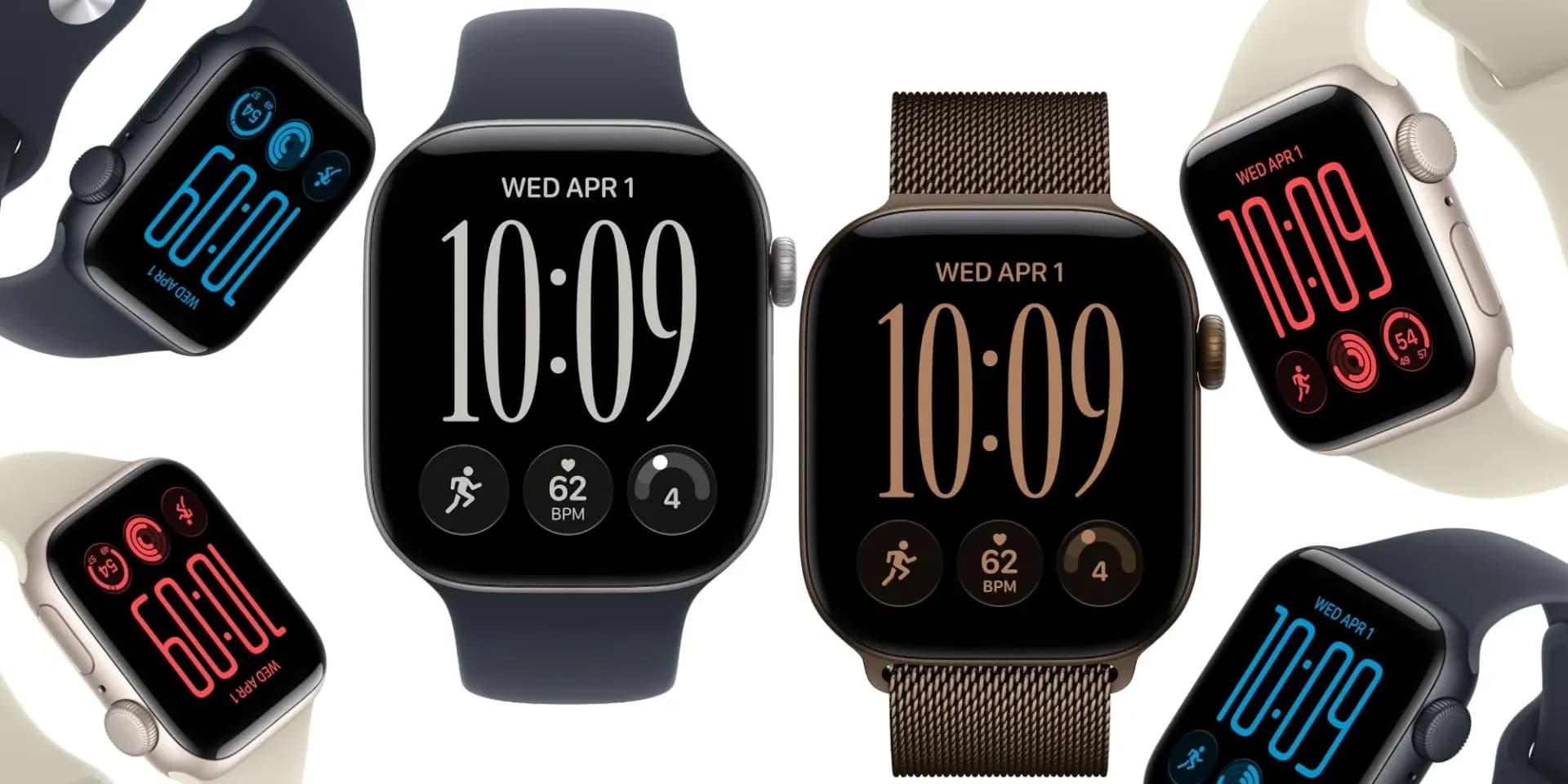
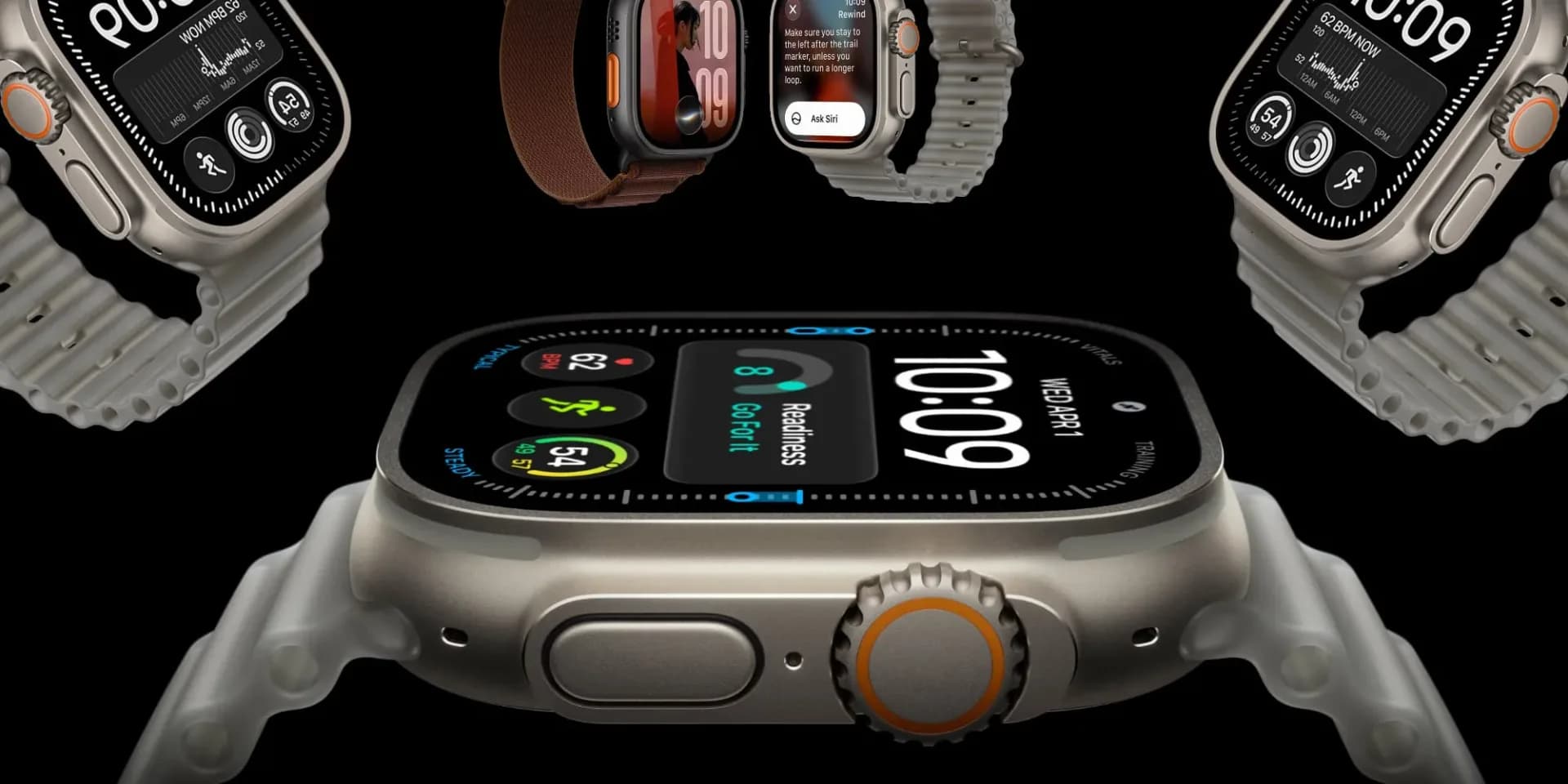
That system also powers a new readiness score, which synthesizes recent activity, training load, vitals, and sleep data. According to 9to5Mac’s review, this is among the biggest health-tracking leaps Apple has made in years.
No pricing or launch date was disclosed for the Series 12 in the source material. Nor was there any mention of Indian pricing, UK pricing, or regional availability. The report treats the Series 12 as already shipping, noting the reviewer has used it for two months, but gives no official sales start date or retail channel.
The SE 3’s affordability makes it ideal for first-time buyers, students, or anyone prioritizing core Apple Watch functionality without paying for advanced biometrics. The Series 12 targets users who treat their watch as a clinical-grade health companion, especially those tracking recovery, training intensity, or subtle physiological shifts.
Neither model appears to sacrifice battery life relative to the other: both are rated for ~18 hours of typical use, though only the SE 3’s Low Power Mode extension (to 32 hours) is specified. Neither is confirmed to support cellular-only configurations in this reporting.
What’s missing? Any detail on chip generation, display brightness, water resistance rating, or case materials. No mention of ECG, blood oxygen, or AFib history features, so it’s unclear whether those carry over from prior Series models or are exclusive to the Series 12.
Also absent: Indian pricing. The SE 3’s sub-$200 US price is noted, but no Rs equivalent is provided. No retailer names, no Black Friday promotions, no trade-in terms, just comparative capability.
So who should buy what? If you want Apple Watch basics, notifications, fitness tracking, sleep staging, and basic health alerts, the SE 3 delivers. If you want denser, more frequent physiological sampling and a composite readiness metric, the Series 12 is positioned as the upgrade path. But without concrete pricing or rollout details for the Series 12, the decision hinges on what’s actually available on store shelves, not just what’s technically possible.
GDFiled by The Gadgets Desk
Audio, wearables, cameras, tablets, chargers and every other device worth carrying or plugging in.
More from this desk →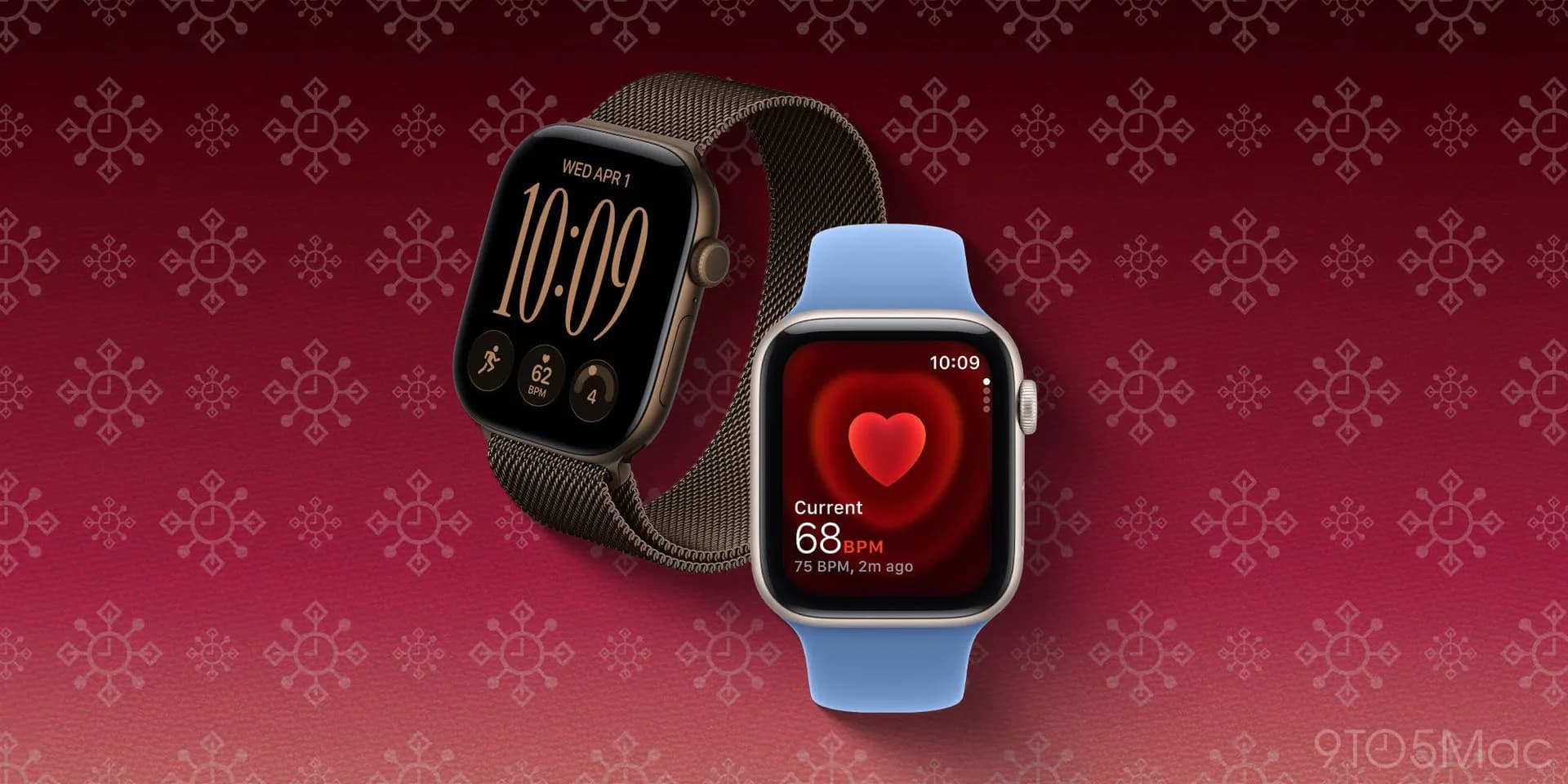

Be the first to comment
Join the argument. No password, just your email or a passkey.