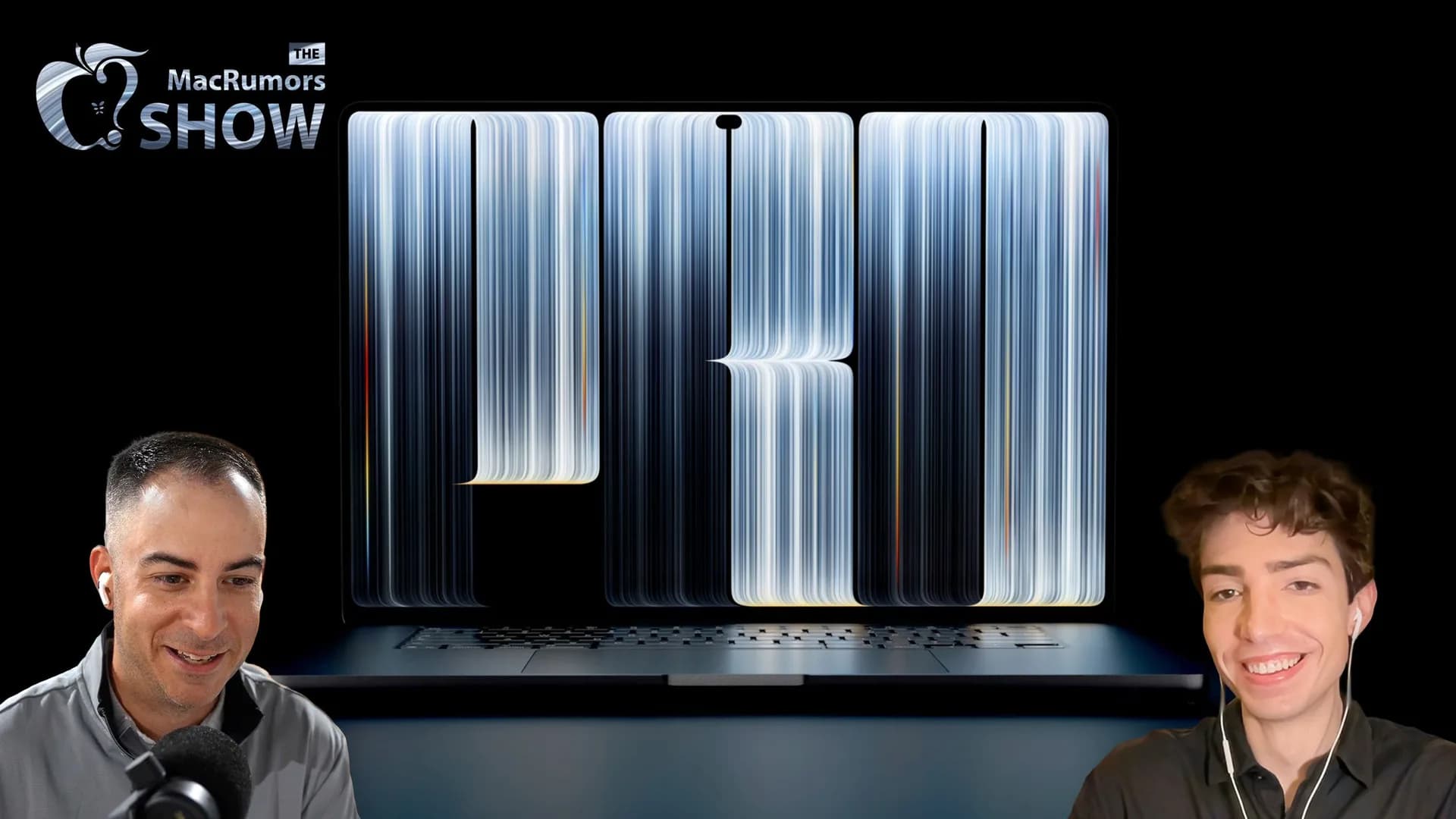
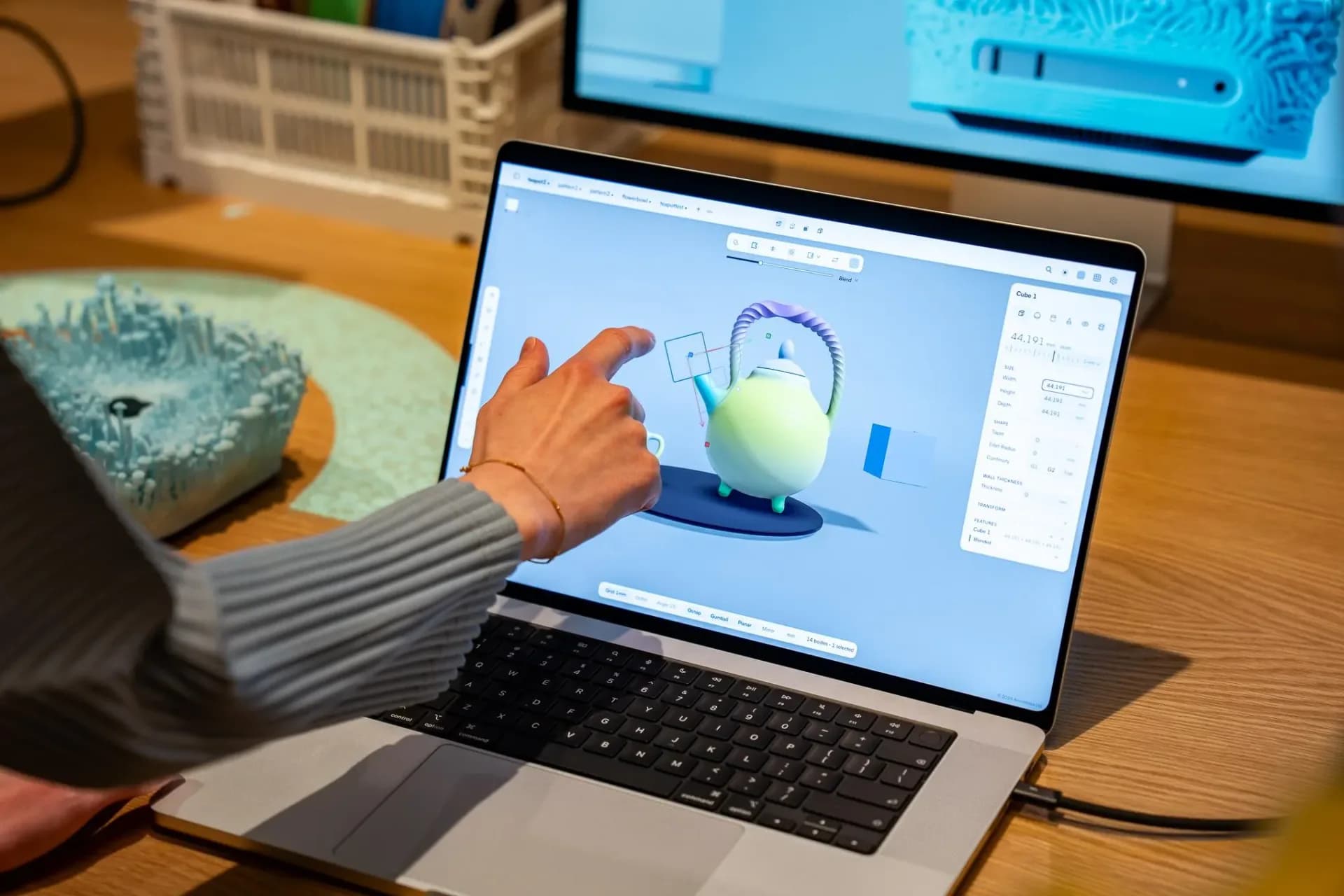
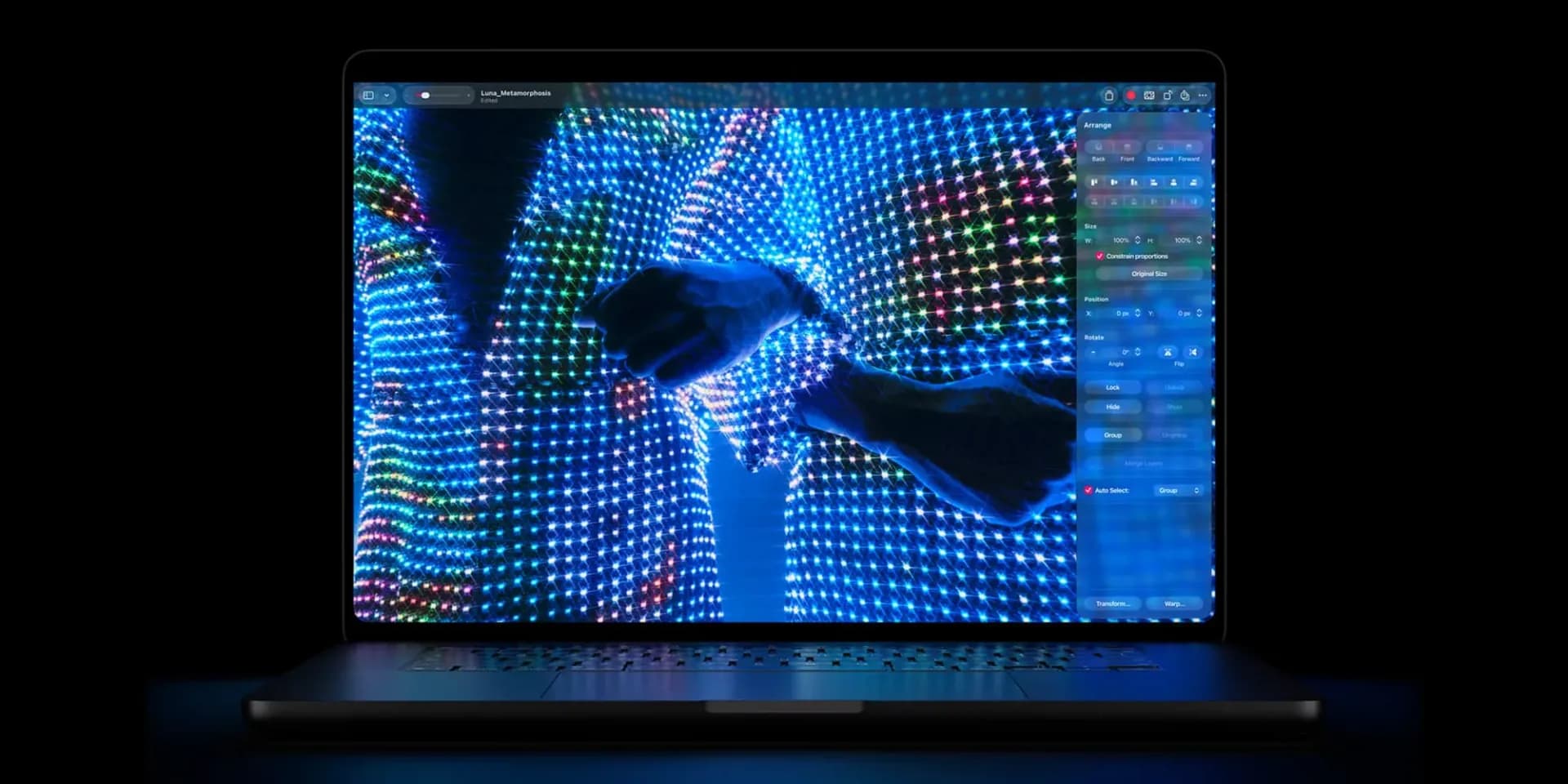
Apple has finally built a MacBook Pro you can poke, swipe and tap. The company's first touchscreen laptop, built around what it calls a PROLED XDR Display, starts at $2,899 for a configuration roughly equivalent to a mid-range MacBook Pro. Push the specs to the limit and the same laptop climbs to $14,549.
That starting price gets buyers into the 14-inch model. The 16-inch version, running Apple's M5 Pro chip, starts at $3,399. Apple's base 16-inch configuration ships with 24GB of memory, and stepping up to 48GB adds another $600 to the bill.
The touchscreen itself is the real headline here, not the chip. For years Apple argued, repeatedly and publicly, that reaching up to touch a laptop screen was ergonomically wrong and that the Mac didn't need it. That argument is gone now. Apple's own ad for the machine shows someone playing a digital piano directly on the display, which is about as clear a reversal as a company can stage.
What Windows has had all along
Touchscreens have been standard on premium Windows laptops for close to a decade, and several of them now sit awkwardly close to Apple's pricing, sometimes below it.
Dell's XPS 14 starts around $2,550 with a 14.5-inch 3.2K OLED touchscreen running at 120Hz, full DCI-P3 color coverage and HDR support, built on Intel Core Ultra chips with optional Nvidia GeForce RTX graphics. Configured to compete directly with Apple's M5 Pro chip, though, the XPS 14 actually costs more, around $3,300, which says something about how expensive high-end silicon has gotten across the industry.
Asus undercuts both. The Zenbook 14 OLED starts at $2,000 for an Intel Core Ultra 7 configuration with 32GB of RAM and 1TB of storage, and an AMD Ryzen AI variant drops the starting price to $1,500, at the cost of some performance against Apple's chip.
Samsung's Galaxy Book6 Ultra is the closest spec-for-spec match. It pairs an Intel Core Ultra 7 chip with an Nvidia GeForce RTX 5060, 32GB of RAM and 1TB of storage, inside a 16-inch Dynamic AMOLED 2X touchscreen that supports both finger and stylus input, something the MacBook Pro's OLED display does not. Amazon has listed the Galaxy Book6 Ultra at $3,481, slightly above Apple's $3,399 asking price for its own 16-inch model, though Amazon's pricing on the Samsung machine has reportedly dipped below $3,000 at times.
None of this makes the Windows machines faster than Apple's new laptop. People already committed to macOS are not likely to jump to Windows over a touchscreen, and vice versa. But the comparison does show how much company Apple now has at this price point, years after it insisted touch didn't belong here at all.
Apple has not said whether touch will extend down to the MacBook Air lineup, and that decision will likely shape how much pressure Dell, Asus and Samsung feel to keep cutting prices on their own OLED touchscreens.
CDFiled by The Computing Desk
Laptops, desktops, processors, graphics cards and the operating systems that run on them.
More from this desk →
Be the first to comment
Join the argument. No password, just your email or a passkey.