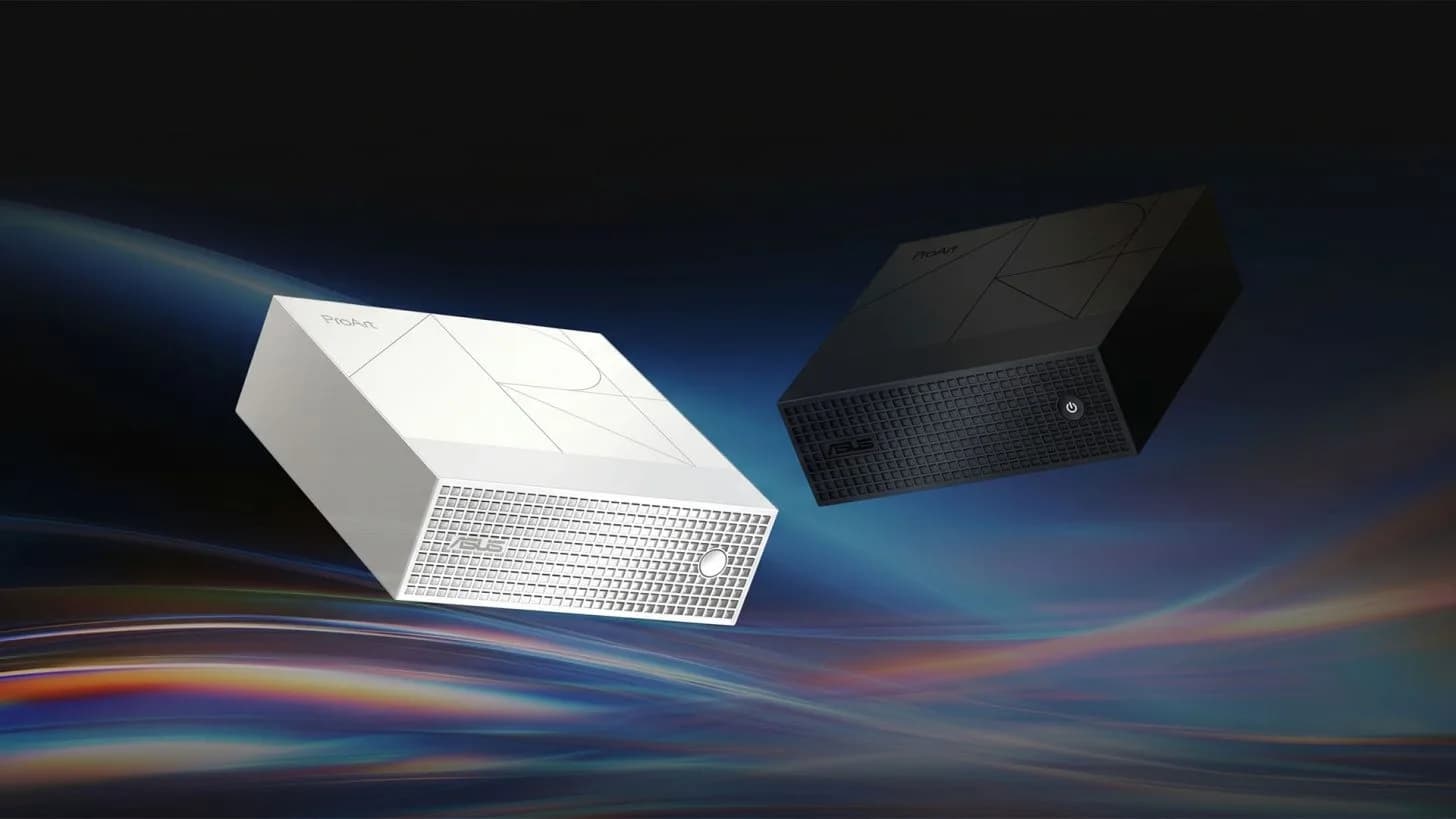
ASUS has launched the ProArt GR1X mini-PC — the first confirmed desktop system built around NVIDIA’s RTX Spark SoC, and it’s priced at $1,299 in the US and Rs 1,09,990 in India. Pre-orders opened globally on 9 October 2026, with shipments expected to begin 28 October. The device is marketed as a compact workstation that doubles as a 1440p gaming rig, claiming 100FPS in AAA titles at that resolution while drawing just 140W of power. That TDP figure is central to ASUS’s pitch: the GR1X uses only a dual-fan, four-heatpipe cooling setup, not the bulky vapor chambers or liquid loops typical of high-end mini-PCs. It’s built for desks, not server racks. And for creators who also play. But the 100FPS claim comes with quiet caveats. Wccftech notes ASUS hasn’t published frame-time breakdowns, GPU utilization stats, or test conditions. The number appears tied to DLSS 4.5 upscaling and NVIDIA’s Multi-Frame Generation (MFG), which can interpolate up to six frames per rendered frame. Since RTX Spark is based on Blackwell, MFG support is baked in, but real-world stability, latency impact, and visual fidelity under heavy interpolation remain unmeasured by third parties. The GR1X also targets AI workloads: ASUS says it handles 120B-parameter LLMs with up to one million token context windows, and renders 90GB 3D scenes. Those are workload categories, not benchmarks. No throughput numbers, no inference speeds, no memory bandwidth specs are given. What is confirmed: fourth-gen Ray Tracing cores, full Blackwell feature parity, and the same architecture powering the first wave of RTX Spark laptops now hitting pre-order. This isn’t a replacement for a full tower. It’s a new category, small, silent, and spec’d for hybrid use. And it arrives just as developers start building tools explicitly for RTX Spark’s integrated AI stack. Unity’s Spark platform, for example, was just announced as AI-native. And now there’s hardware ready to run it without a cloud round-trip. Availability starts 28 October. No UK or EU pricing has been disclosed.
ASUS ProArt GR1X mini-PC launches with RTX Spark chip, 1440p gaming, 140W TDP
ASUS’s ProArt GR1X mini-PC is the first RTX Spark desktop — 1440p gaming at 100FPS, 140W TDP, and AI-ready from day one.
The Computing Desk · (1 hour ago)
Reported from
How this story was made
Written by the Hitechreports desk from the reporting credited above, with facts attributed to their original publishers. We do not test devices ourselves; anything about performance, battery life or cameras comes from the outlets that did. Prices are as reported at the time of writing. Editorial policy · Report an error
Filed by The Computing Desk
Laptops, desktops, processors, graphics cards and the operating systems that run on them.
More from this desk →Read next
More Laptops & PCs →Asus ProArt P16 and P14 Arrive With Nvidia RTX Spark Silicon
Asus has opened pre-orders for the ProArt P16 and ProArt P14 laptops featuring Nvidia RTX Spark hardware, starting at $2,599.99 ahead of US retail shipments on October 16.
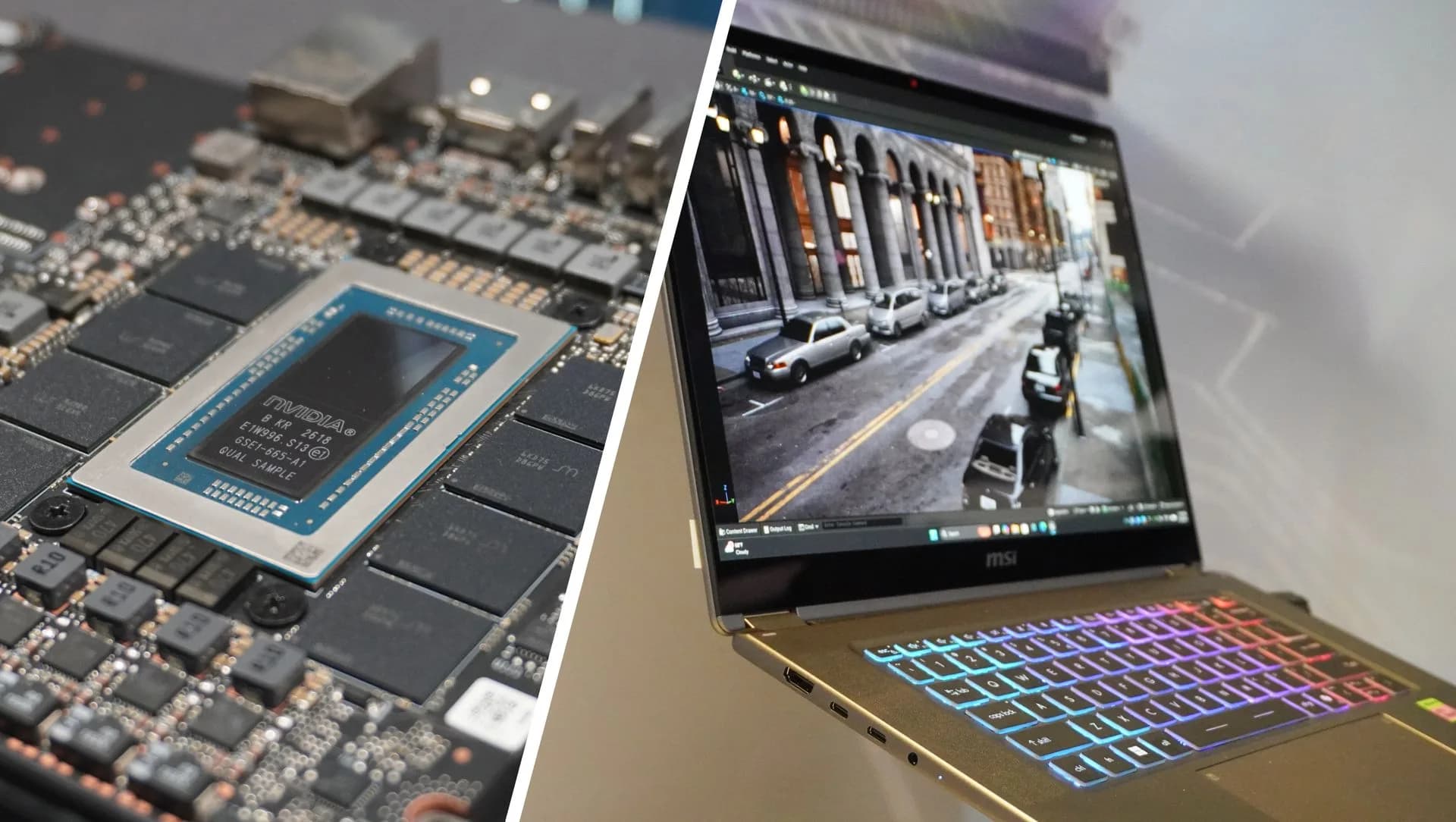
Nvidia RTX Spark laptop: same performance on battery as on AC
Nvidia RTX Spark laptops are shipping now — and they’re the first Windows PCs built on Arm that promise identical performance whether plugged in or running on battery.

Dell XPS 16 Creator Edition with Nvidia RTX Spark N1X chip up for pre-order at $3,799.99
Dell XPS 16 Creator Edition with Nvidia RTX Spark N1X chip is now up for pre-order at $3,799.99 in the US — same price as the leaked listing from last week, and $1,000 more than the Asus ProArt P16’s $2,799.99 starting point. It ships October 16.
Be the first to comment
Join the argument. No password, just your email or a passkey.