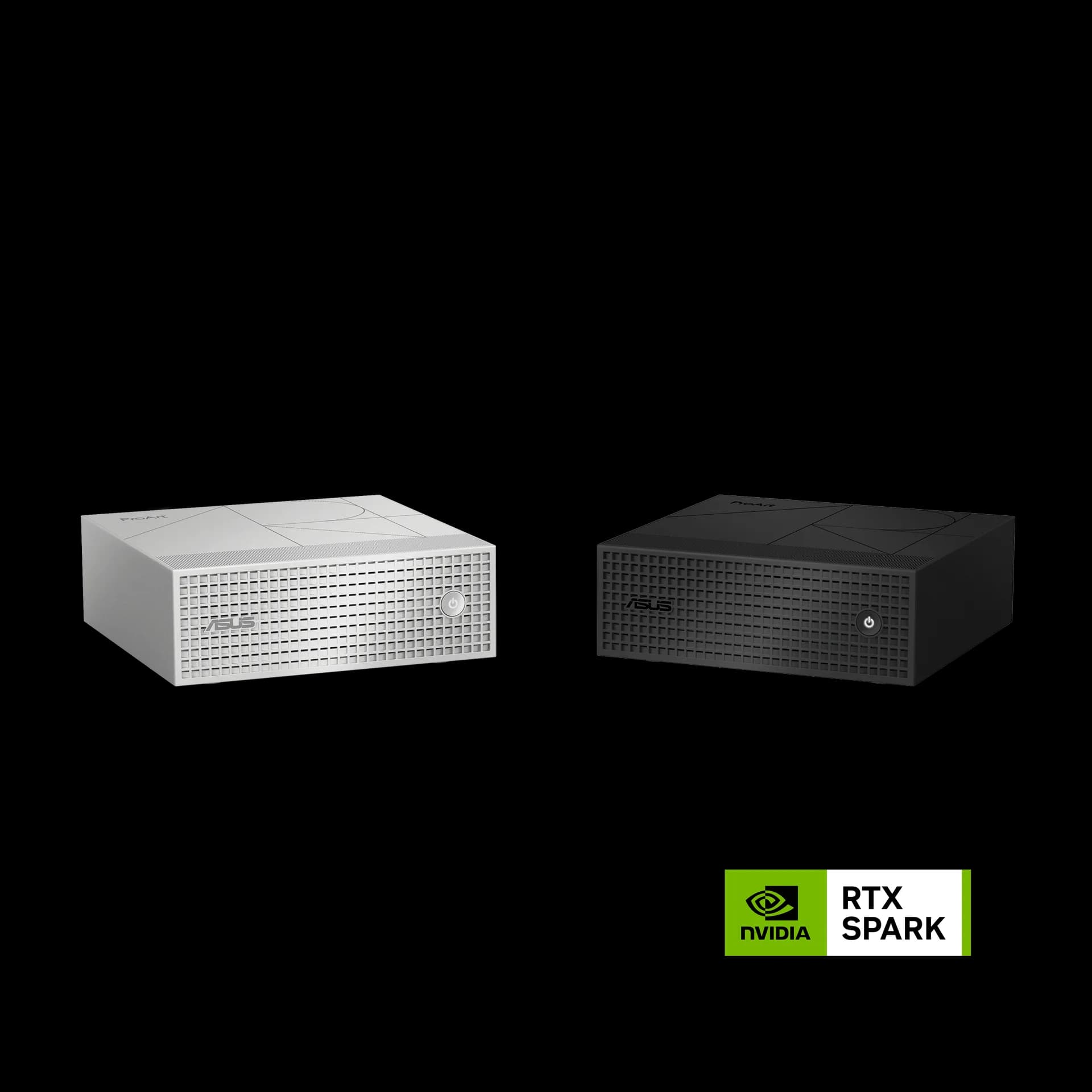
Asus has confirmed full specs for the ProArt GR1X — its RTX Spark N1X-powered mini PC, but still won’t say how much it costs. The device is now locked to a single chip option: the 20-core RTX Spark N1X, with a 6,144-core Blackwell GPU and 140W TDP. It ships in 64GB or 128GB LPDDR5X unified memory configurations, weighs 1.48kg, and fits in a 150 × 150 × 51mm chassis. Just over 1.1 liters. Power comes via a 240W USB-C adapter compliant with USB PD 3.1 EPR. Availability is promised before year-end 2026, through select premium retailers, no date, no region breakdown, no price tag. Not in the US. Not in India. Not anywhere. Just silence. And that silence is louder than the spec sheet. The GR1X isn’t entering an open field. It’s stepping into a pricing war already heating up across three continents. Microsoft’s Surface RTX Spark Dev Box launched at $5,999. Nvidia’s own DGX Spark. Same GB10 silicon, same architecture, now lists at $6,950 for 128GB, up nearly 75% from launch. GMKtec’s Gorgon Halo-based EVO-X5 Pro sells for $6,599 (was $6,799) with 192GB and 2TB. Lenovo’s ThinkCentre X Ultra starts at $3,699 in November. But caps at 128GB. In China, Peladn’s YO2 495 hits CNY 49,999 (~$7,454). Meanwhile, AMD’s Gorgon Halo platform supports up to 192GB of LPDDR5X-8533 at 273GB/s memory bandwidth, matching DGX Spark and, by extension, the GR1X. And lets developers allocate up to 160GB directly to the GPU. Asus’s page doesn’t list memory bandwidth at all. Nor does it clarify whether its “1 petaflop FP4” claim includes sparsity caveats, unlike Nvidia’s DGX Spark datasheet, Microsoft’s Dev Box announcement, and Asus’s own Ascent GX10 release, all of which do. The GR1X also shares identical dimensions, weight, fan size, and power supply with the GX10. A Linux-focused DGX Spark derivative Asus quietly launched in early October. That overlap suggests the GR1X may be less a new product and more a rebranded, Windows-tuned variant aimed squarely at creative pros, not AI researchers. Its positioning is clear: it’s built to sit next to the Mac Studio, not the DGX SuperPOD. But without a price, it can’t sit anywhere on a buyer’s shortlist. And without memory bandwidth figures or verified thermal performance, its “rivalry” with Apple’s desktop remains theoretical. The GR1X will ship before December 31, 2026. Until Asus names a number, in dollars, rupees, or any currency. Every other spec is just scaffolding.
RTX Spark laptop and desktop: Asus ProArt GR1X specs confirmed, no price yet
Asus has locked the ProArt GR1X’s specs — RTX Spark N1X, 128GB LPDDR5X, 240W USB-C — but still won’t say how much it costs. The RTX Spark laptop and desktop race just got awkward.
By Clock Speed
The Computing Desk · (2 hours ago)
Reported from
How this story was made
Written by the Hitechreports desk from the reporting credited above, with facts attributed to their original publishers. We do not test devices ourselves; anything about performance, battery life or cameras comes from the outlets that did. Prices are as reported at the time of writing. Editorial policy · Report an error
Filed by The Computing Desk
Laptops, desktops, processors, graphics cards and the operating systems that run on them.
More from this desk →Read next
More Laptops & PCs →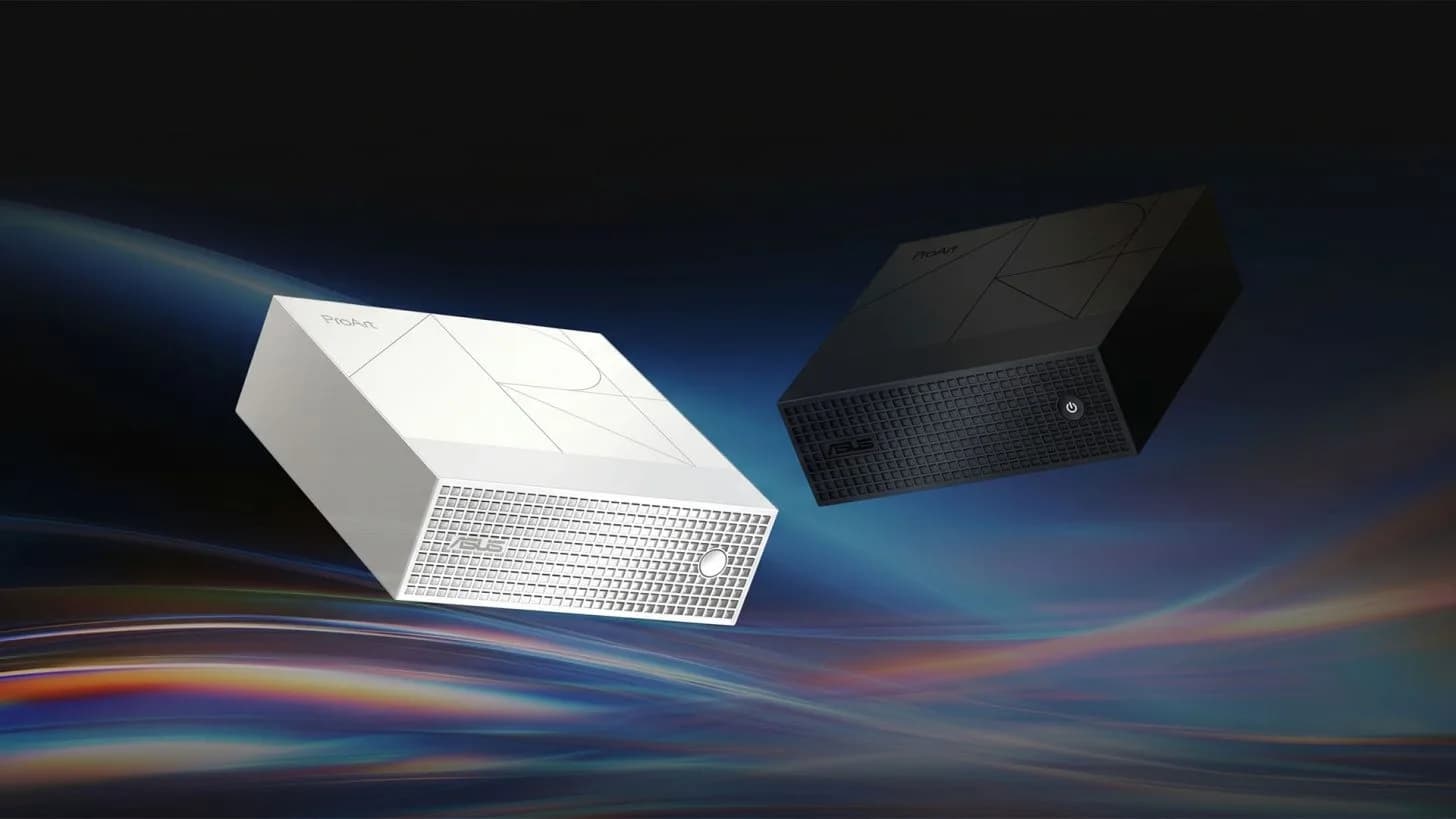
ASUS ProArt GR1X mini-PC launches with RTX Spark chip, 1440p gaming, 140W TDP
ASUS has launched the ProArt GR1X mini-PC — the first confirmed desktop system built around NVIDIA’s RTX Spark SoC — and it’s priced at $1,299 in the US and Rs 1,09,990 in India.
Asus ProArt P16 and P14 Arrive With Nvidia RTX Spark Silicon
Asus has opened pre-orders for the ProArt P16 and ProArt P14 laptops featuring Nvidia RTX Spark hardware, starting at $2,599.99 ahead of US retail shipments on October 16.
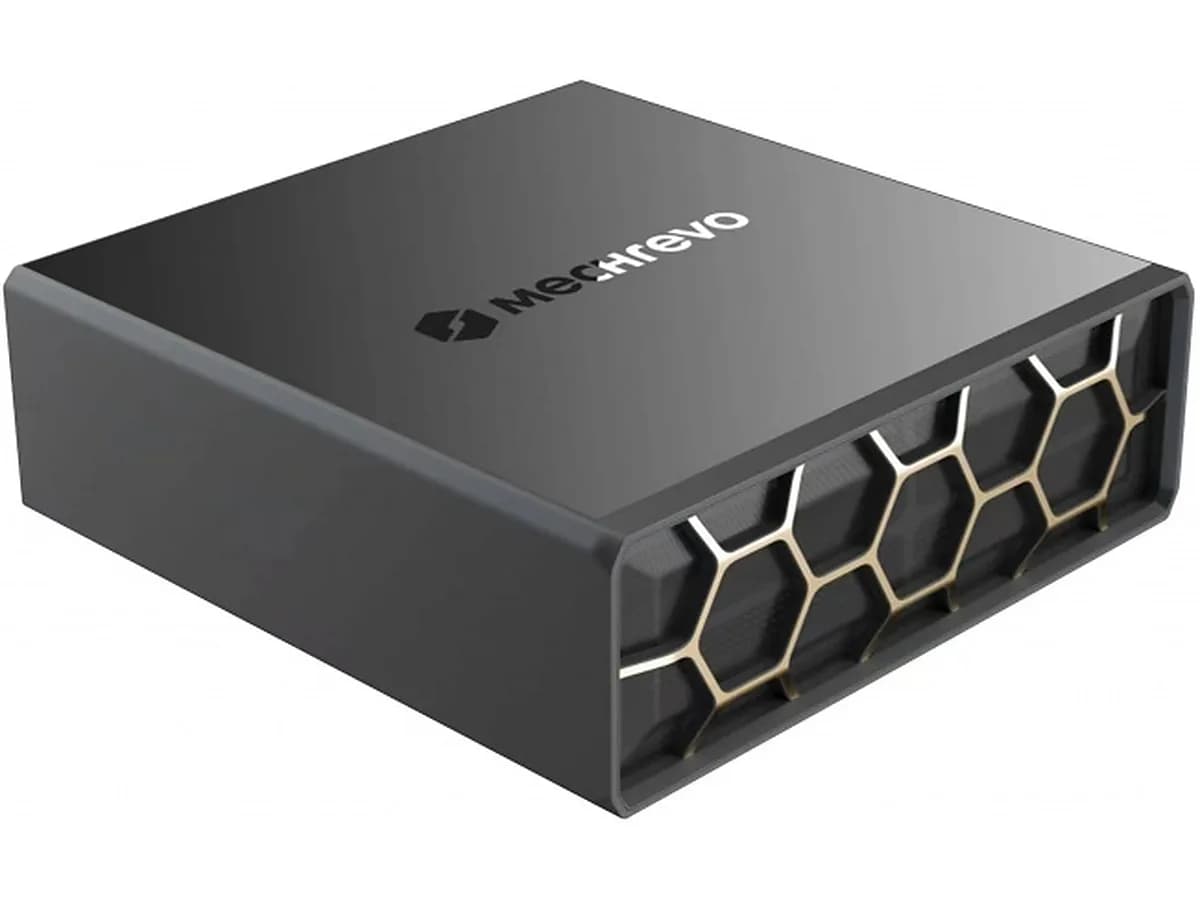
Mechrevo Master Road X10 Mini PC Pairs Nvidia RTX Spark With AI Storage
Mechrevo is building the Master Road X10 mini PC around Nvidia's RTX Spark platform, using a custom AI SSD designed to offload model weights from unified system memory to flash storage.
Be the first to comment
Join the argument. No password, just your email or a passkey.