Skip to content
Trending
Apps & Software1 min read

usb-rea generates Linux drivers from Windows USB traffic

New MIT-licensed tool from developer Emir Mrkaljevic captures manufacturer app commands and spits out PyUSB drivers for RGB controllers, case LCDs, mice and smart lamps.

By Release Notes

The Software Desk · (58 min ago)

Reported fromoutlet, credited1
Terminal showing usb-rea command output generating a Python driver for a USB device
Terminal showing usb-rea command output generating a Python driver for a USB devicePhoto via How-To Geek

A new open-source project called usb-rea wants to turn Windows-only USB accessories into Linux-supported hardware without waiting for manufacturers to care. Developer Emir Mrkaljevic released version 0.7.14 on GitHub this week under an MIT license. Install it with pip install usb-rea. There is also a simulated-device demo if you want to poke at it without plugging anything in.

The tool records USB traffic between a manufacturer's Windows application and the device — using USBPcap on Windows or usbmon on Linux, then analyzes the tagged interactions to reconstruct command structures, counters, lookup tables and checksums. Out pops a standalone PyUSB driver and a Markdown report documenting the protocol. Target hardware includes case LCDs, RGB controllers, gaming mice and smart lamps.

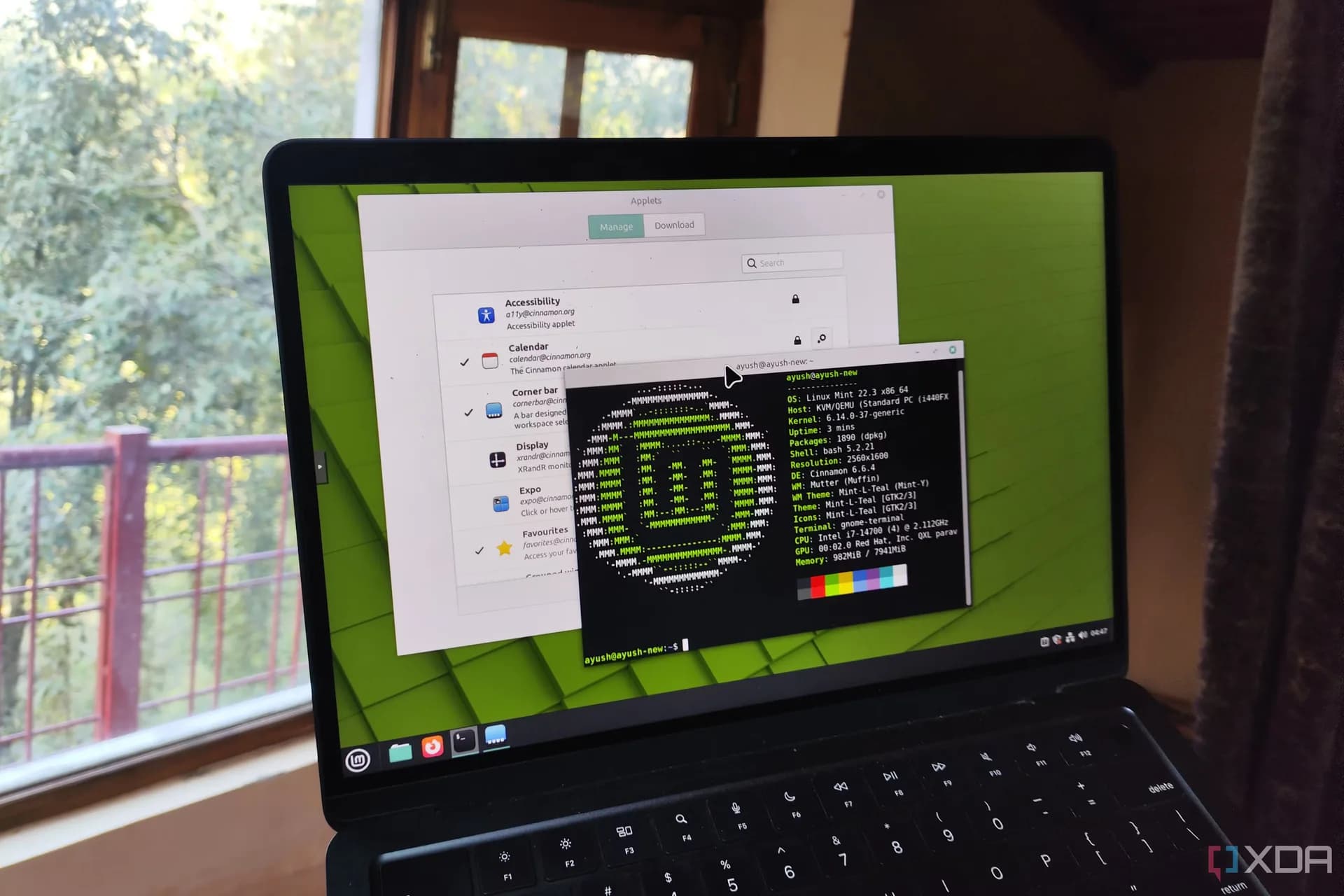
Basically anything that works on Linux at a basic level but hides its extra features behind proprietary Windows software. Early validation looks promising. Usb-rea reproduced the exact fan-control command byte for the NZXT Kraken X cooler, matching what the existing liquidctl project had already reverse-engineered by hand. It also cross-checked the SteelSeries Rival 100 mouse protocol against rivalcfg, nailing DPI, polling rate and RGB settings.
This is alpha software. Vendor and product IDs alone do not guarantee two devices speak the same language. You still need to capture traffic from your specific device and click through the Windows app to tag each action, change fan speed, swap RGB mode, whatever. That is not a one-click fix.

But it replaces weeks of manual packet analysis with a guided workflow. The real test is whether the community can use usb-rea to support accessories that existing Linux projects have not cracked yet. The code is on GitHub. The demo runs without hardware.

If you have a Windows box, a Linux box and a stubborn RGB controller, the barrier just got lower.

Reported from

How this story was made

Written by the Hitechreports desk from the reporting credited above, with facts attributed to their original publishers. We do not test devices ourselves; anything about performance, battery life or cameras comes from the outlets that did. Prices are as reported at the time of writing. Editorial policy · Report an error

What did you make of it?

Filed by The Software Desk

Apps, platforms, operating system releases, security fixes and the features arriving in them.

More from this desk →

Be the first to comment

Join the argument. No password, just your email or a passkey.