Claude Code, Codex, and Antigravity now share a single project folder — not as rivals, but as teammates. A developer at XDA Developers has built a working handoff system that lets all three coding agents read the same context, follow shared rules, and pass work between them without re-explaining the project.
No API integrations. No custom plugins. Just Markdown files in a folder, and a deliberate workflow that treats AI coding tools like colleagues who rotate shifts on the same codebase. The setup hinges on AGENTS.md: a plain-text instruction file all three agents are configured to read on startup.
It points each one to HANDOFF.md, a timestamped log where the last agent signs off with what it finished, what stalled, and where the next should begin. DECISIONS.md locks in irreversible choices (e.g., “use vanilla HTML, no frameworks”) so one agent doesn’t undo another’s architecture call. CLAUDE.md, Codex’s config, and Antigravity’s own init files all import AGENTS.md, meaning rule updates propagate instantly across all three.
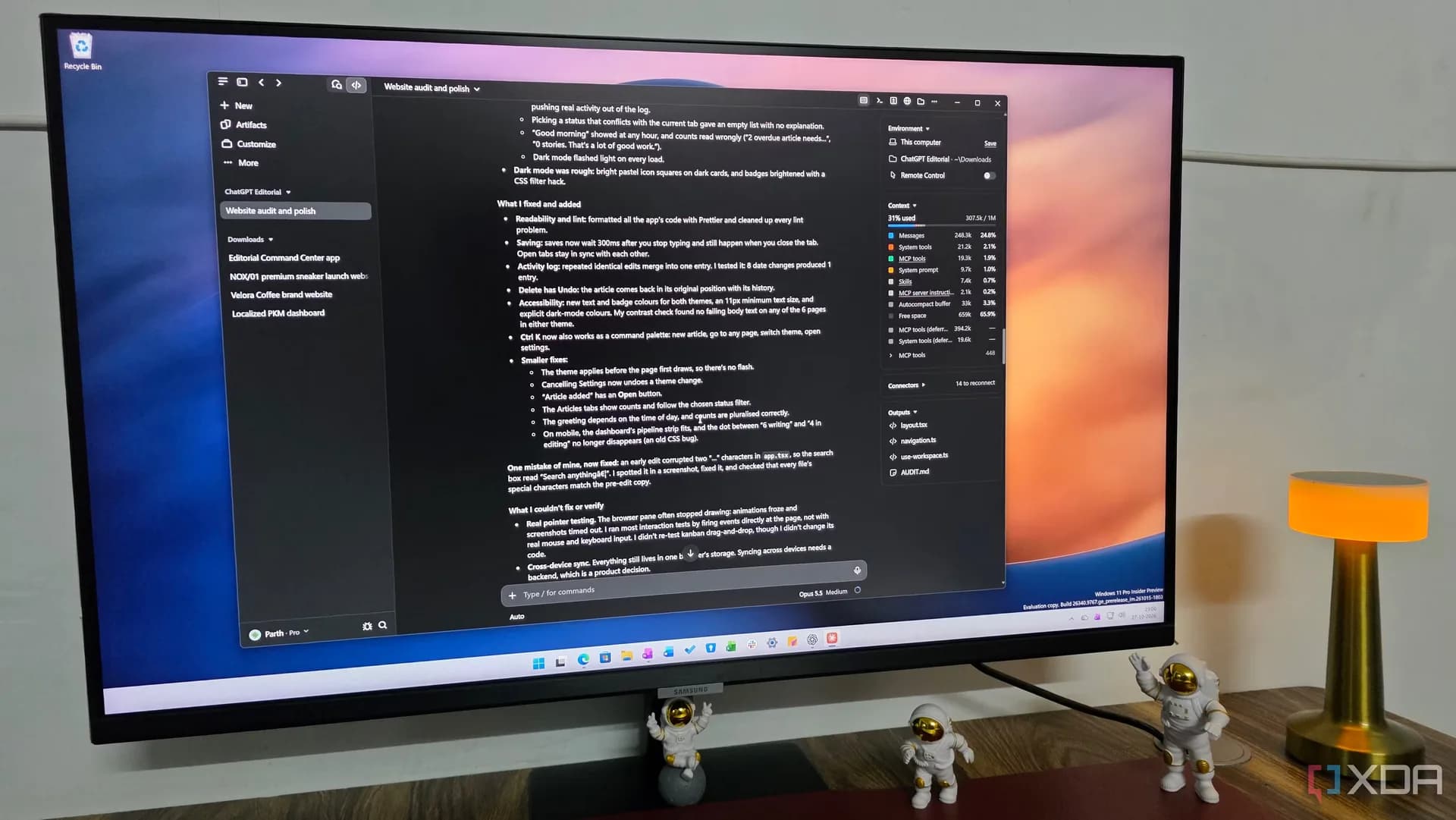
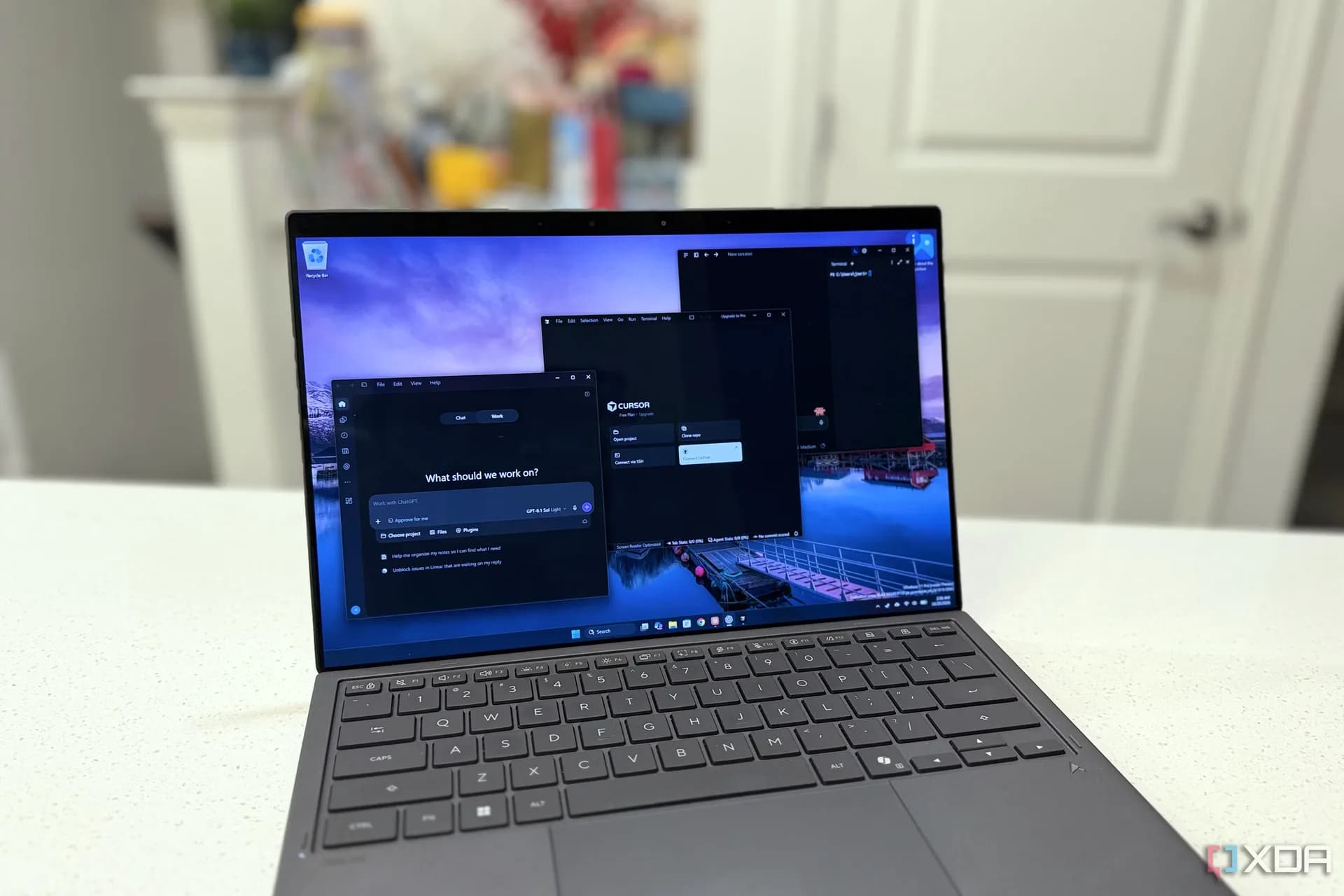
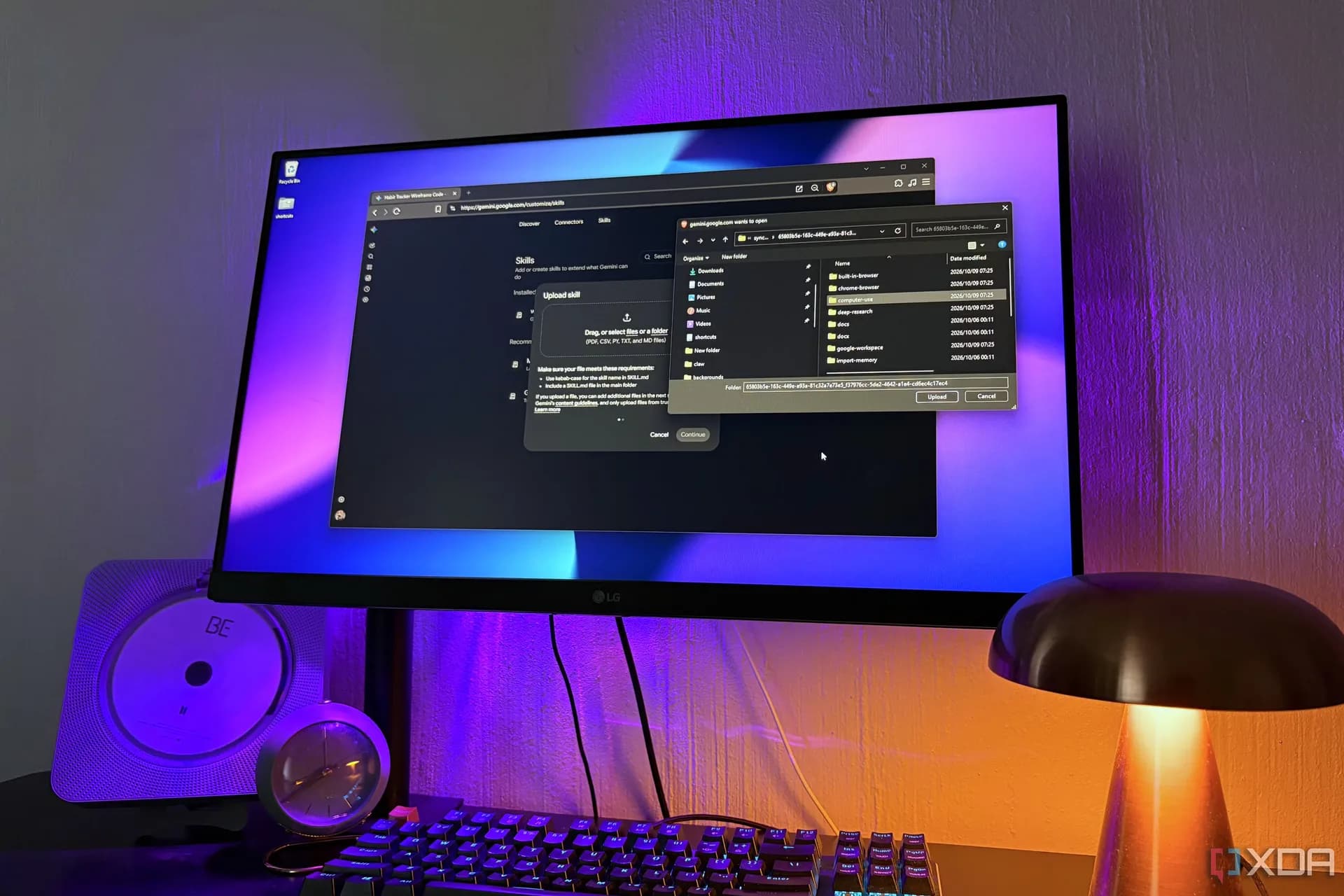
This isn’t a product. It’s a documented pattern, published by XDA on 1 November 2026, for developers already paying for multiple coding AIs and tired of context whiplash. The author pays for all three subscriptions, uses Claude Code as their primary, but keeps Codex for finishing incomplete logic and Antigravity for visual verification via browser.
The shared folder eliminates the copy-paste tax of re-feeding context when usage limits hit or a model stalls mid-task. It works because these agents already support folder-based workflows, they scan for instruction files, respect markdown comments, and accept explicit handoff prompts. Antigravity needed more explicit prompting to write its handoff note.
Codex and Claude Code followed the pattern more readily. But all three now recognize each other’s signatures in HANDOFF.md and name predecessors in their opening lines. There’s no official support. No joint roadmap.
No Anthropic–OpenAI–Google alignment. Just interoperability baked into how these tools already behave, if you structure the inputs right. The method doesn’t solve model-level flaws. It sidesteps them.
And it turns subscription overlap from a cost into a redundancy layer: when one hits its limit, the next picks up, not from scratch, but from the last human-readable checkpoint. Availability? Immediate. You build it yourself.
No download. No signup. Just a folder, four Markdown files, and the three apps you already have open. Next step?
The author says they’re testing whether the same pattern holds with local models, but that’s not in the XDA report. What is confirmed: this works today, with current versions of Claude Code, Codex, and Antigravity, on standard desktop setups.
ADFiled by The AI Desk
Models, assistants and the companies and chips behind them, reported from what was released and what was claimed, with the difference kept clear.
More from this desk →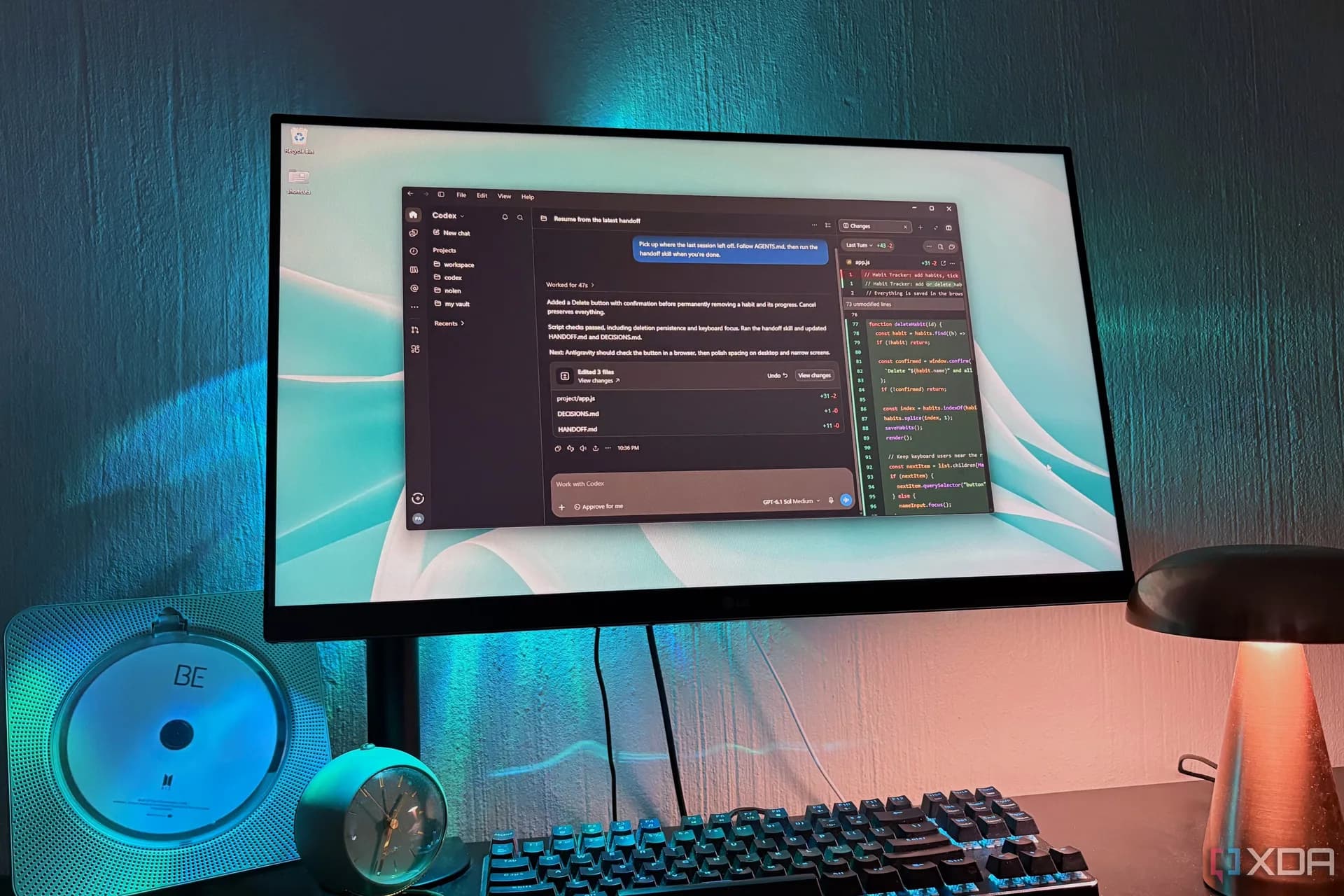
Be the first to comment
Join the argument. No password, just your email or a passkey.