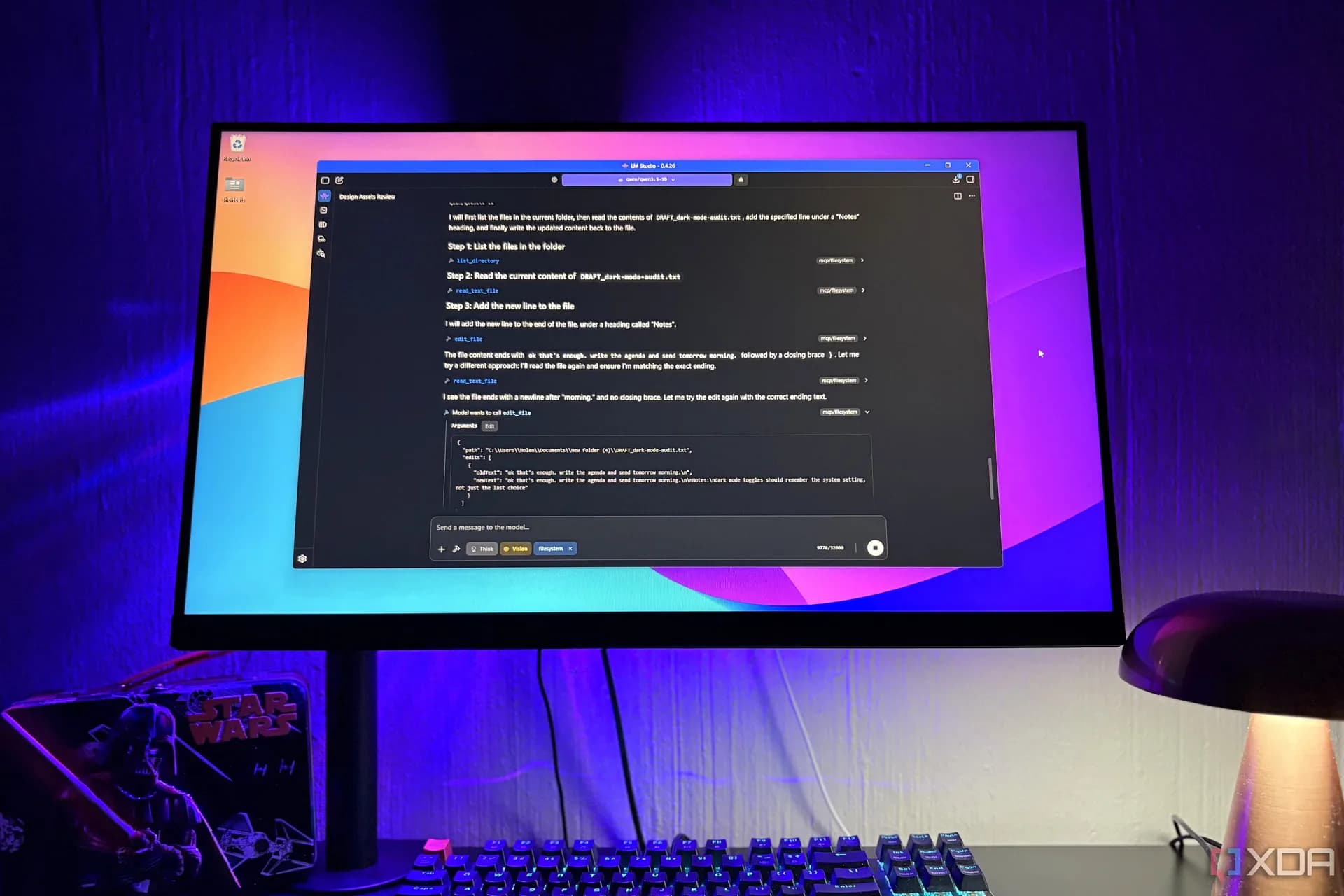
Claude Code isn’t a note-taking app. It’s an AI agent built for code — and yet, in a real-world test across a sprawling Obsidian vault, it outperformed both VS Code and a local LLM at turning fragmented thoughts into linked, filed, context-aware notes. That’s the core finding of XDA Developers’ hands-on comparison published Thursday evening, not a lab benchmark, but a workflow stress test on a live knowledge base full of daily notes, wikilinks, and unstructured text. No new product launch. No pricing. No Indian or US release date. Just one developer’s verdict: Claude Code, with minimal setup, handled note capture and cross-note linking more reliably than tools designed for the job. And it did so by treating notes like source code. Reading the folder structure, reverse-engineering naming conventions, and writing to files in Obsidian’s native syntax without plugins or translation layers. The catch? It writes more than you ask for, explanations, suggestions, formatting. Unless you explicitly constrain it in a rules file. That’s not a bug. It’s how Anthropic’s agent layer works: reasoning first, editing second. VS Code stayed fast and precise for search and review, but offered zero automation for capture or linking. LM Studio with Qwen 3.5 9B ran locally and kept data private, but choked on vault size, hitting 20k tokens of its 30k context window just parsing a small sample, and failing to search inside file contents, not just names. So while Claude Code doesn’t replace Obsidian or Notion as a UI, it’s now the only tool in this trio that can autonomously administer a note system. Filing, linking, auditing broken references, without human intervention. That changes the bar for what ‘AI-powered productivity’ means on desktop. Next step? Wider testing against larger vaults, and whether Anthropic’s upcoming MCP integrations will tighten control over output verbosity. For now, it’s not about replacing your note app. It’s about offloading the admin.
Claude Code vs VS Code vs local LLM for note-taking
It wasn’t built for notes. But in a real Obsidian vault, Claude Code handled linking, filing, and daily notes better than VS Code or a local LLM — and exposed exactly where each tool breaks.
By Inference
The AI Desk · (1 hour ago)
Reported from
How this story was made
Written by the Hitechreports desk from the reporting credited above, with facts attributed to their original publishers. We do not test devices ourselves; anything about performance, battery life or cameras comes from the outlets that did. Prices are as reported at the time of writing. Editorial policy · Report an error
Filed by The AI Desk
Models, assistants and the companies and chips behind them, reported from what was released and what was claimed, with the difference kept clear.
More from this desk →Read next
More AI →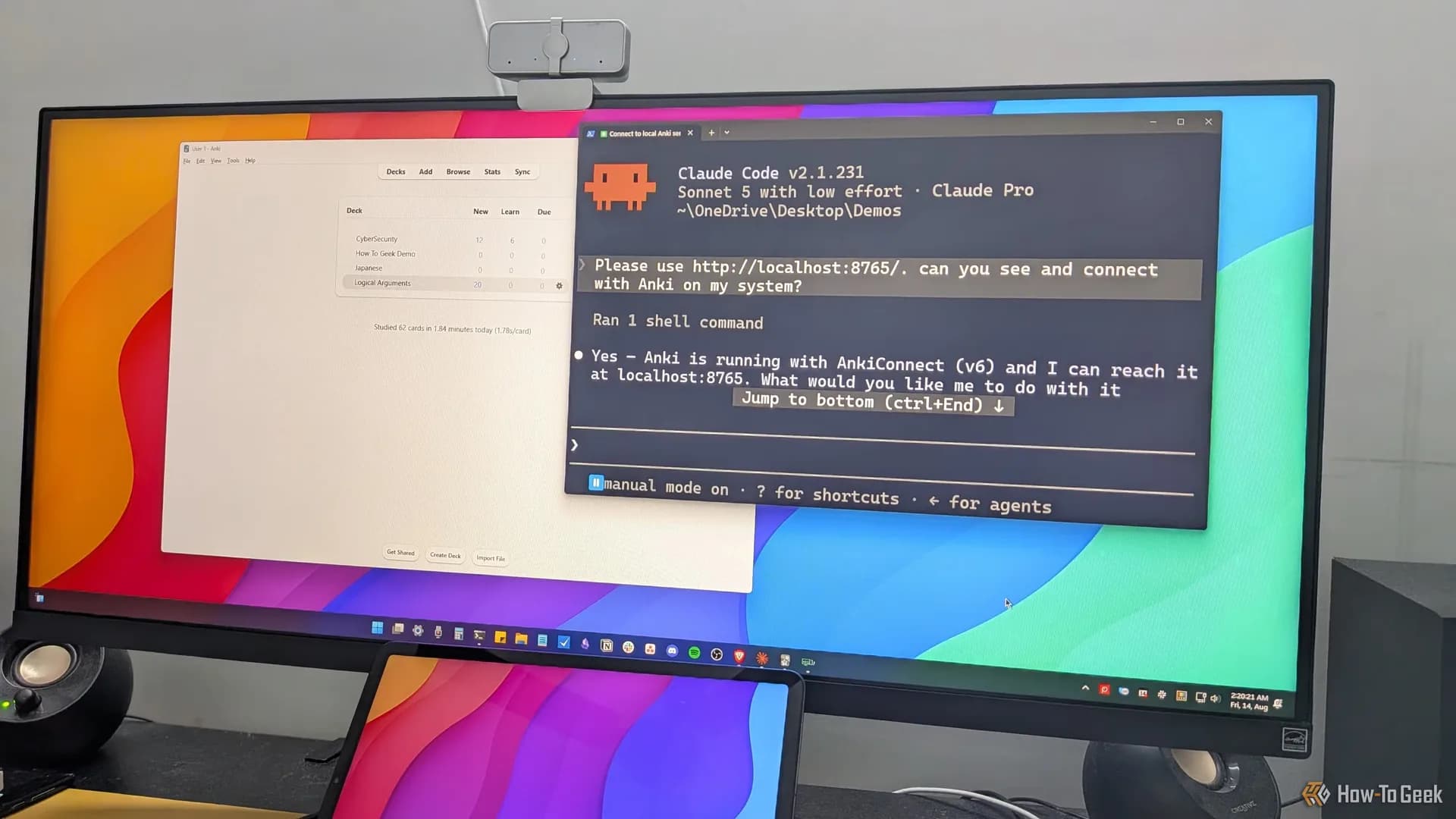
Claude code pricing: OpenCode Go is $10/month with 24 models and real usage caps
OpenCode Go launches at $10/month — half the price of Claude Code’s entry tier — with metered access to 24 coding models, including Gemini 4 Argon and Claude Haiku 5.5.
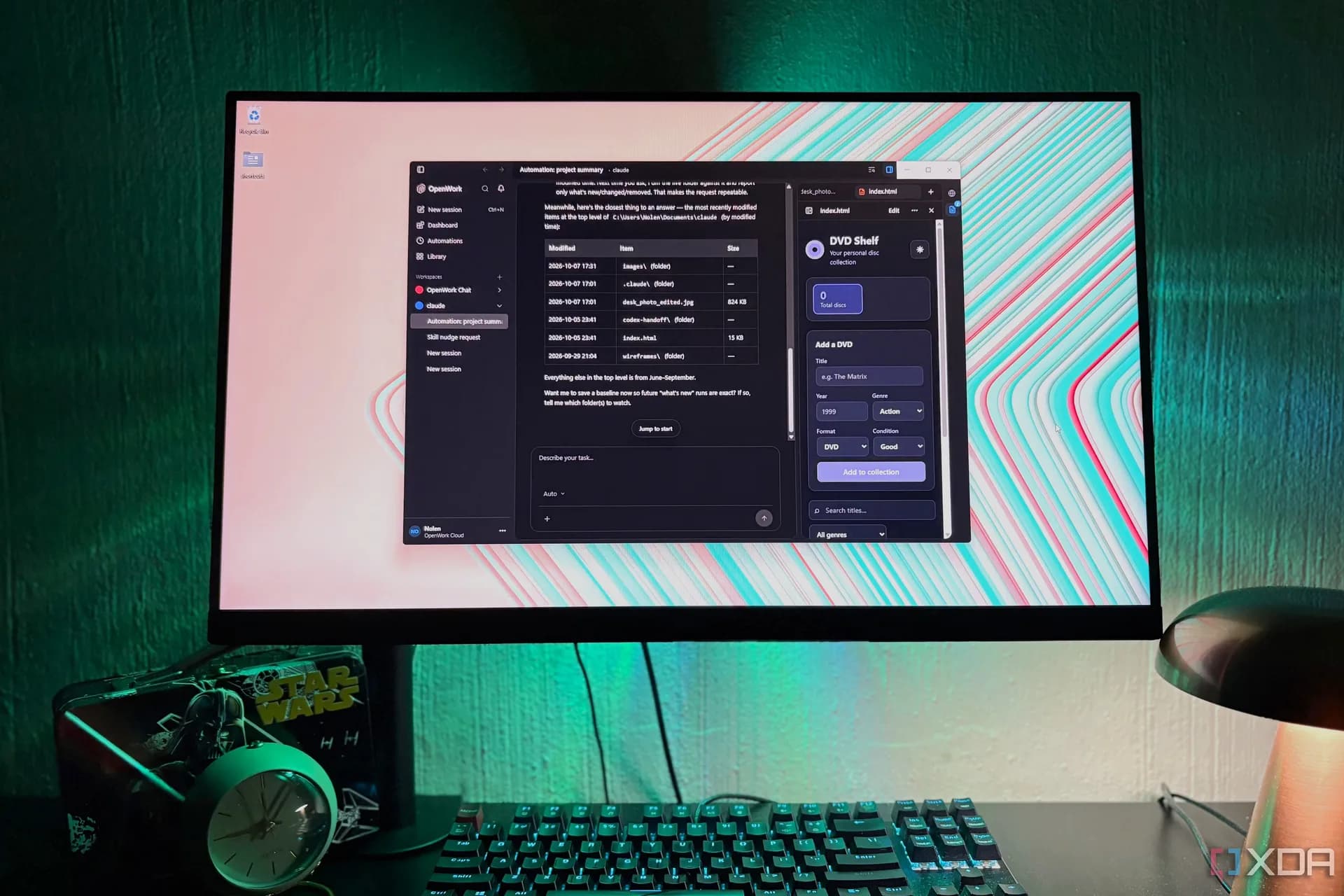
OpenWork launches as open-source desktop alternative to Claude Cowork
OpenWork launches as a free, open-source desktop alternative to Claude Cowork. It supports local models via Ollama and LM Studio, works with Anthropic and OpenAI keys, and imports Claude’s SKILL.md skills — but automations only run while the app is open, and there’s no mobile app yet.
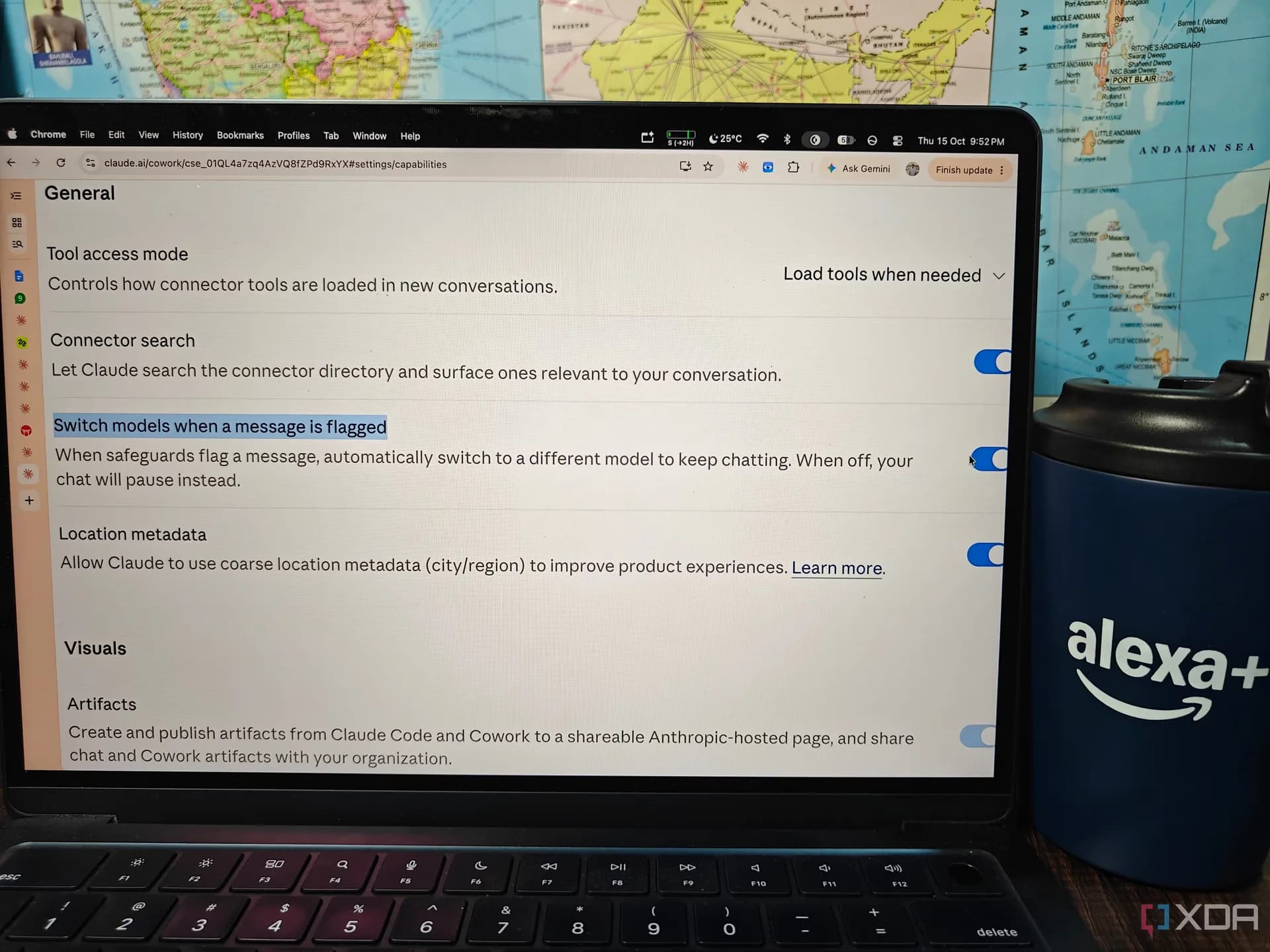
Claude Opus 5.5 downgrades to Opus 4.8 on security prompts — and Anthropic’s own tests show that fallback is significantly more vulnerable
Claude Opus 5.5 quietly downgrades to Opus 4.8 when it detects security-related prompts — and Anthropic’s own testing shows that fallback model is significantly more vulnerable to prompt injection attacks.
Be the first to comment
Join the argument. No password, just your email or a passkey.