Claude Pro users are shifting routine tasks to local AI models running on old gaming GPUs — cutting costs, tightening privacy, and sidestepping usage caps. A detailed XDA Developers report published 15 November 2026 documents how one user rerouted document analysis, browser-assisted research, and early-stage brainstorming from Anthropic’s $20/month Claude Pro plan to a local stack built around an RTX 3070, LM Studio, Jan Browser MCP, and open-weight models like Qwythos 9B v2 and Qwen 3.5 4B/9B.
No new hardware was bought. No cloud API keys were added. Just idle VRAM put to work. The shift isn’t about ditching Claude, it’s about rationing it.
Claude Pro enforces a rolling five-hour usage window plus a weekly cap across all modes: chat, Claude Code, Claude Design, and Claude in Chrome. Every browser interaction via the official extension eats into that same pool. And while Opus 5.5 is up to 40% more token-efficient than earlier Opus versions, the report notes users often respond not by conserving, but by doing more, faster.
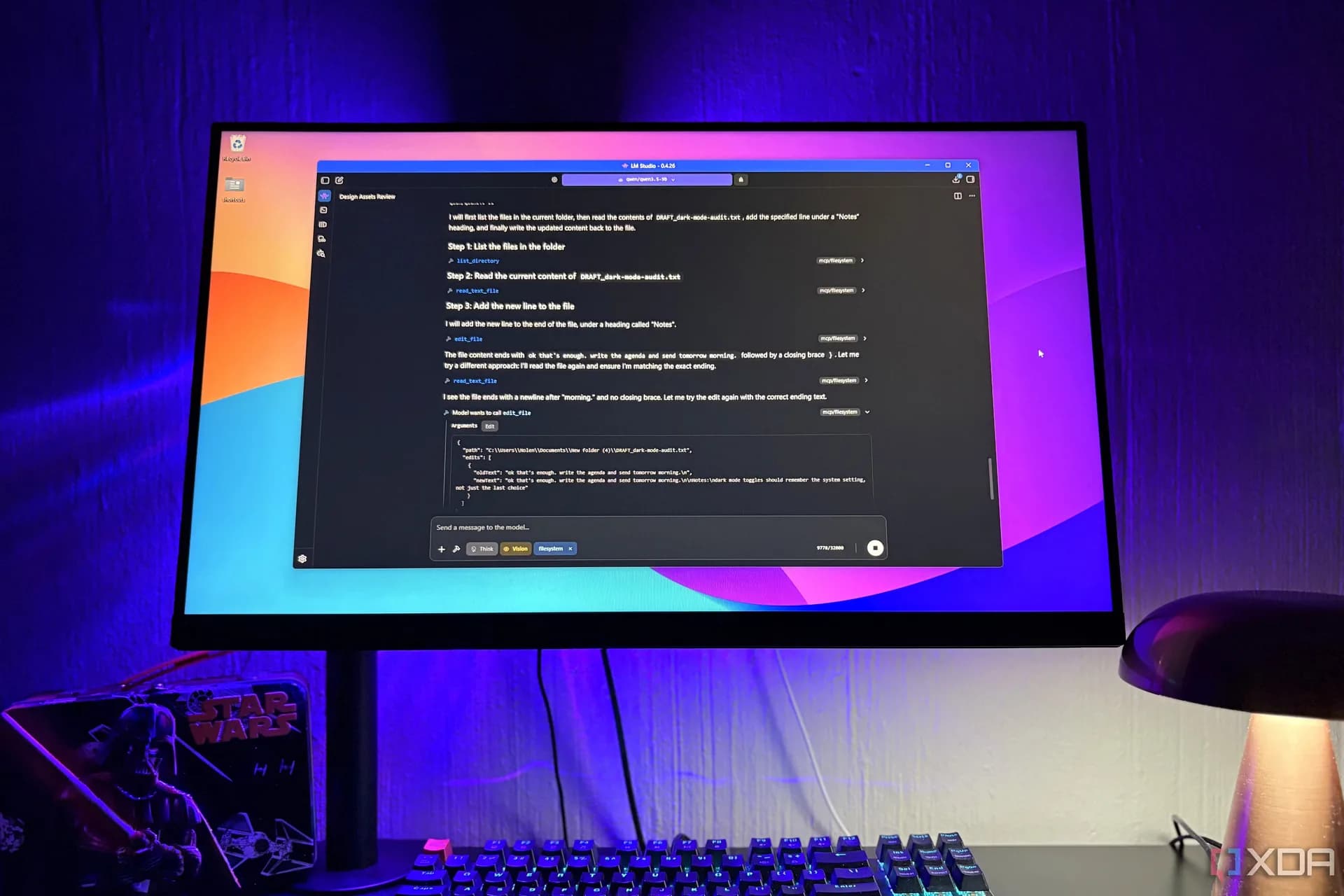
That’s Hedonic Adaptation meeting Jevons Paradox: efficiency fuels expansion, not restraint. So instead of feeding low-stakes queries to Claude, the user now runs them locally. PDFs, Word docs, and folders of insurance paperwork or bank statements stay entirely on-device. LM Studio handles document upload and RAG.
Jan Browser MCP (with Brave, site access set to “On Click”) handles page navigation, no remote logging, no prompt injection risk beyond what’s already in the browser tab. For quick ideation, Qwen 3.5 4B delivers speed. For richer back-and-forth, Qwythos 9B v2, described as “talking a lot like an older Sonnet”, handles extended sessions with no time or token limits.
Only when an idea solidifies does the user export a summary and feed it to Claude for refinement, design, or technical validation. This isn’t niche tinkering. It’s a workflow recalibration driven by price, privacy, and practicality, and it’s replicable on any mid-tier GPU with 8GB+ VRAM and a few hours of setup.
Anthropic hasn’t announced changes to its usage model. But for users watching their Claude meter tick down, the alternative is already running, quietly, locally, on hardware they already own.
ADFiled by The AI Desk
Models, assistants and the companies and chips behind them, reported from what was released and what was claimed, with the difference kept clear.
More from this desk →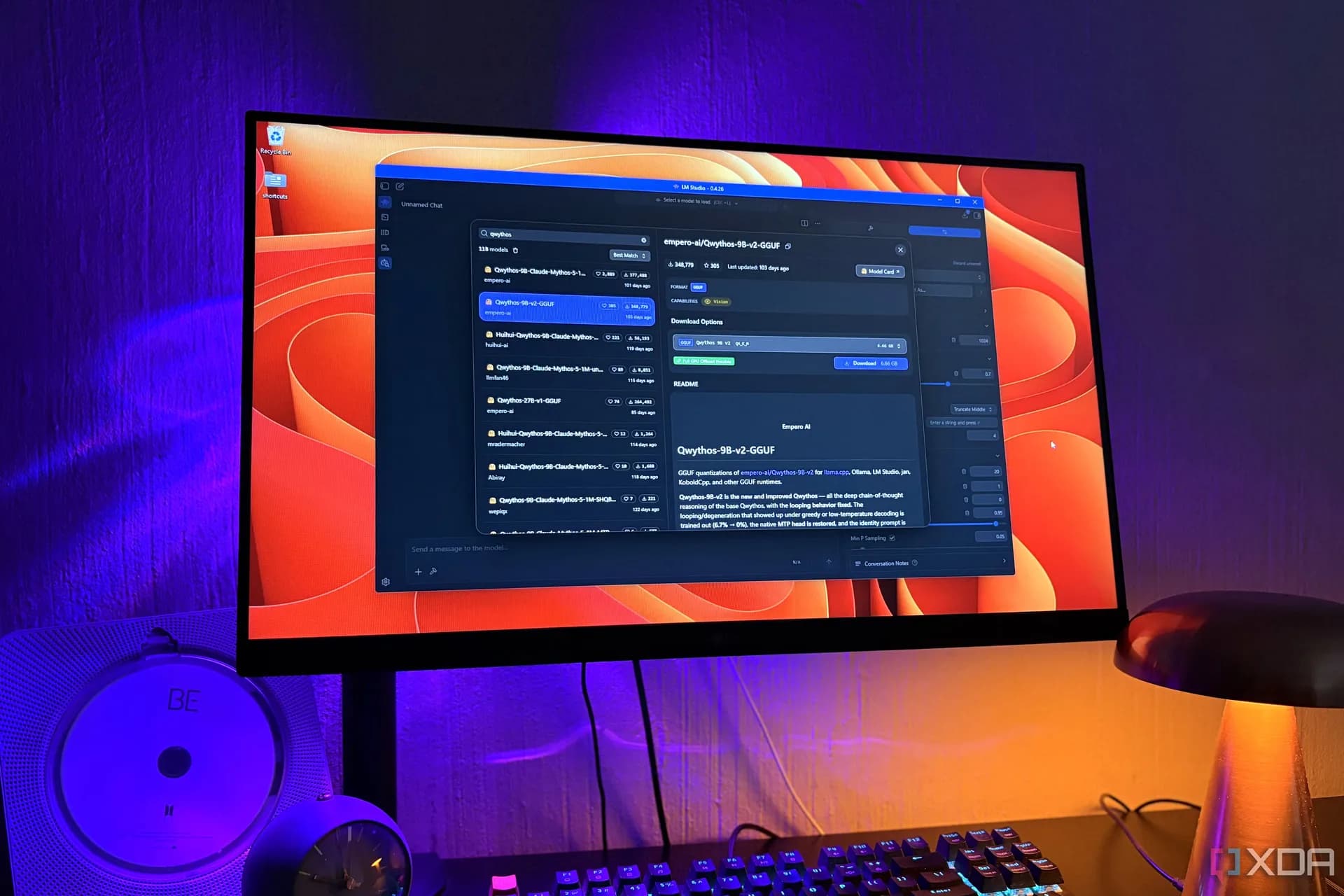

Be the first to comment
Join the argument. No password, just your email or a passkey.