
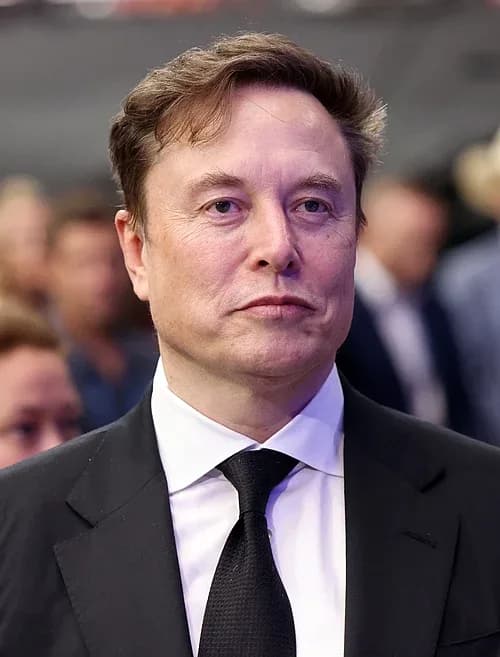
Starlink’s India launch remains stalled as Elon Musk publicly accuses Mukesh Ambani of obstructing competition — a claim Indian regulators have flatly denied. The service has held provisional satellite operator licenses since 2025 but still lacks final spectrum allocation and security clearance, both required before commercial operations can begin in the world’s most populous nation. No launch date is set. No pricing or rollout plan has been announced for India. No Starlink user terminals are available for sale there. And no Indian telecom operator, including Reliance Jio or Bharti Airtel. Has yet begun offering the service, despite earlier distribution agreements with SpaceX. Musk’s latest X posts, published Thursday and Friday, escalate rhetoric that began earlier this week: he questioned whether Ambani is “the real boss of India”, mocked him as the country’s “prime minister”, and accused him of protecting a “monopolistic exploitation” of Indian internet users. Ambani and Reliance Jio did not respond to TechCrunch’s request for comment. India’s Ministry of Communications pushed back sharply, stating its satellite communications framework is “fair and non-discriminatory” and that Starlink is at “broadly the same regulatory stage” as two other licensed satellite operators, neither named in the statement. All three are undergoing mandatory security assessments before spectrum assignment. That administrative allocation. Not an auction, is what New Delhi chose, over Jio’s stated preference. It’s also the method SpaceX wanted. So the dispute isn’t about process. It’s about timing, control, and who gets to shape India’s satellite internet market first. Jio isn’t waiting. Its joint venture with SES aims to launch its own satellite broadband service. Airtel, meanwhile, holds a major stake in Eutelsat OneWeb, which is also racing to deploy in India. This isn’t just about bandwidth. It’s about infrastructure sovereignty, pricing power, and access in a country where over 600 million people remain offline. Especially in rural areas Starlink claims it can reach. Musk’s frustration is real, but his framing misreads the landscape. India isn’t blocking Starlink because of Ambani. It’s moving deliberately, applying the same security and spectrum rules to all foreign and domestic satellite entrants. The next milestone? Completion of those security assessments. Until then, Starlink stays grounded in India. While Jio and Airtel build their own orbital alternatives. No timeline has been given for that completion.
Elon Musk Accuses Mukesh Ambani While Starlink Remains Stalled in India
Musk’s public jabs at Ambani don’t change the facts: Starlink remains unlicensed, unequipped, and unavailable in India — and regulators say it’s in the same queue as everyone else.
By The Ledger
The Tech Business Desk · (2 hours ago)
In this story
Reported from
How this story was made
Written by the Hitechreports desk from the reporting credited above, with facts attributed to their original publishers. We do not test devices ourselves; anything about performance, battery life or cameras comes from the outlets that did. Prices are as reported at the time of writing. Editorial policy · Report an error
Filed by The Tech Business Desk
Big tech, startups, earnings, regulation and policy — the decisions that shape the products.
More from this desk →Read next
More Tech Business →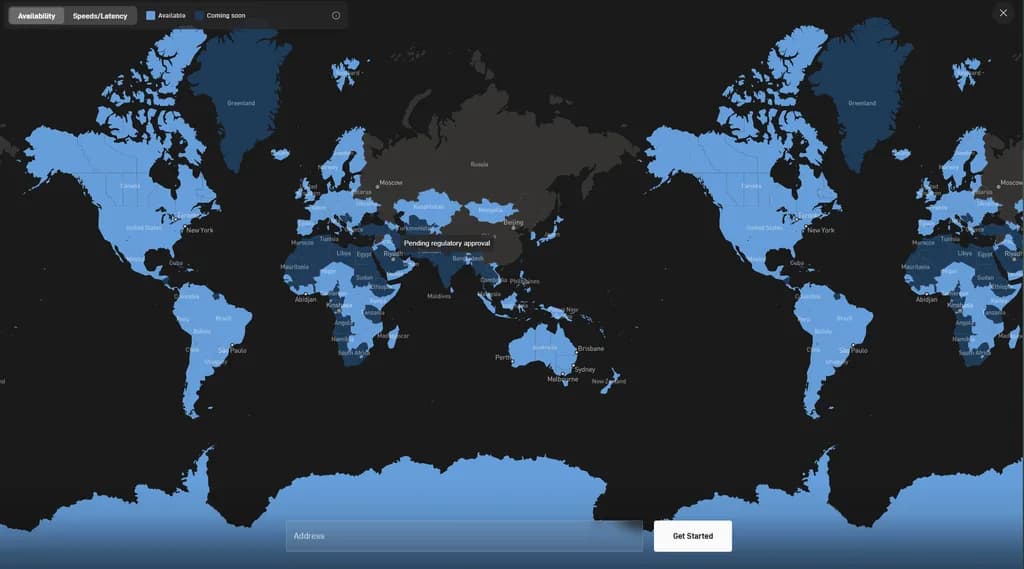
Starlink India Launch Delayed: No Oligarchs Named, No Security Clearance Granted
Starlink’s commercial launch in India remains stalled—not by oligarchs, but by security clearances.

SpaceX Buys Nationwide 800 MHz Spectrum, Clears FCC Hurdle for 15,000-Satellite Mobile Network
SpaceX has bought up to 14 MHz of 800 MHz low-band spectrum from Grain Management — former T-Mobile assets acquired in the Sprint merger — to build a terrestrial mobile network that will run alongside its satellite-based Starlink Mobile service.
Google Pixel 11 Price in India: Rs 19,000 Off on Flipkart Big Billion Days 2026
Google Pixel 11 is now available in India at Rs 99,999 — down from its official price of Rs 1,04,999 — during Flipkart’s Big Billion Days 2026 sale.
Be the first to comment
Join the argument. No password, just your email or a passkey.