The economic wing of the Rashtriya Swayamsevak Sangh wants the Indian government to halt Starlink's commercial rollout before it starts.
Swadeshi Jagran Manch urged New Delhi on October 13 to block Elon Musk's satellite broadband unit from delivering services in the country. The group argued that the platform's space-based architecture makes it impossible for domestic regulators to enforce mandated internet shutdowns during local crises or guarantee that user data stays strictly within national borders.
Starlink already secured a Global Mobile Personal Communication by Satellite licence on June 6, 2025, agreeing to strict Department of Telecommunications security mandates. Starlink executive Lauren Dreyer stated at the India Mobile Congress 2026 that the company built 20 ground station hubs across the country to satisfy domestic security rules.
Even with those hubs in place, orbital routing remains a major sticking point.
An April study by the Takshashila Institution pointed out that while Indian authorities can inspect ground gateways, they lack any technical way to verify what takes place between satellites in low Earth orbit. Starlink's regulatory permit explicitly prohibits routing domestic traffic across inter-satellite laser links. Yet Indian monitoring equipment stationed on the ground cannot tell whether packets hop between satellites before hitting a local terminal. That leaves compliance resting largely on written corporate pledges.
That technical blind spot creates two operational problems. Starlink could keep connections alive during state-directed emergency shutdowns, or sever access when critical communications are needed. The Takshashila study advised New Delhi to restrict mass retail adoption and favour satellite operators tied to domestic joint ventures.
Border enforcement agencies have already encountered hardware on Indian soil. Security personnel found an active Starlink terminal at a militant hideout in Manipur. Musk claimed orbital beams over India were deactivated, but security officials told The Guardian that the hardware still functioned in border zones alongside Myanmar. In another incident, a drug trafficking vessel hauling a $4.25 billion methamphetamine cargo near the Andaman and Nicobar Islands relied on a Starlink terminal. When Andaman police demanded user registration details, the satellite provider refused, citing privacy laws.
Diplomatic trade friction is now shaping the pushback as well. SJM national co-convenor Ashwani Mahajan noted that if American regulators weaponise national security tariffs against Indian trade, New Delhi possesses equal justification to halt foreign satellite networks on security grounds. The stance follows remarks from Musk accusing domestic corporate figures of orchestrating regulatory delays, pointedly naming Reliance chairman Mukesh Ambani.
Clearance remains stalled across the board. Union Communications Minister Jyotiraditya Scindia stated on October 9 that Starlink, Eutelsat OneWeb and Reliance Jio's satellite division can launch only after securing separate security clearances from the Ministry of Home Affairs. Spectrum fees also remain unresolved after the sector regulator proposed a levy equal to 4 percent of adjusted gross revenue last year.
TBFiled by The Tech Business Desk
Big tech, startups, earnings, regulation and policy — the decisions that shape the products.
More from this desk →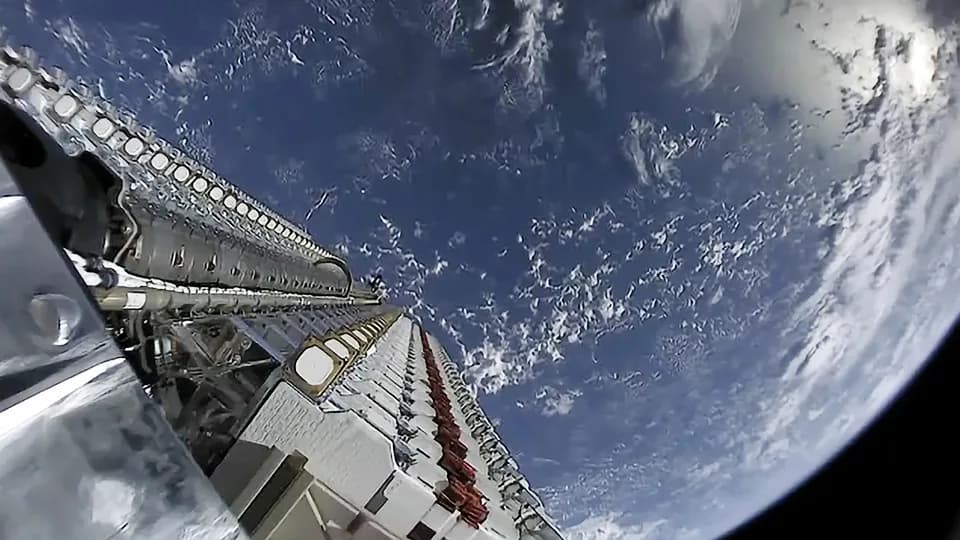


Be the first to comment
Join the argument. No password, just your email or a passkey.