Apple's touchscreen MacBook Pro does not turn the Mac into an iPad. That is the headline finding from Bloomberg reporter Chris Welch, who got hands-on time with the laptop after Apple's launch event in Los Angeles on Wednesday, the first chance anyone outside Apple has had to actually touch the thing.
It's a reversal for a company whose own design chief once argued a touchscreen Mac would never make sense. Apple unveiled the machine on Wednesday starting at $2,899, and it ships on 6 November.
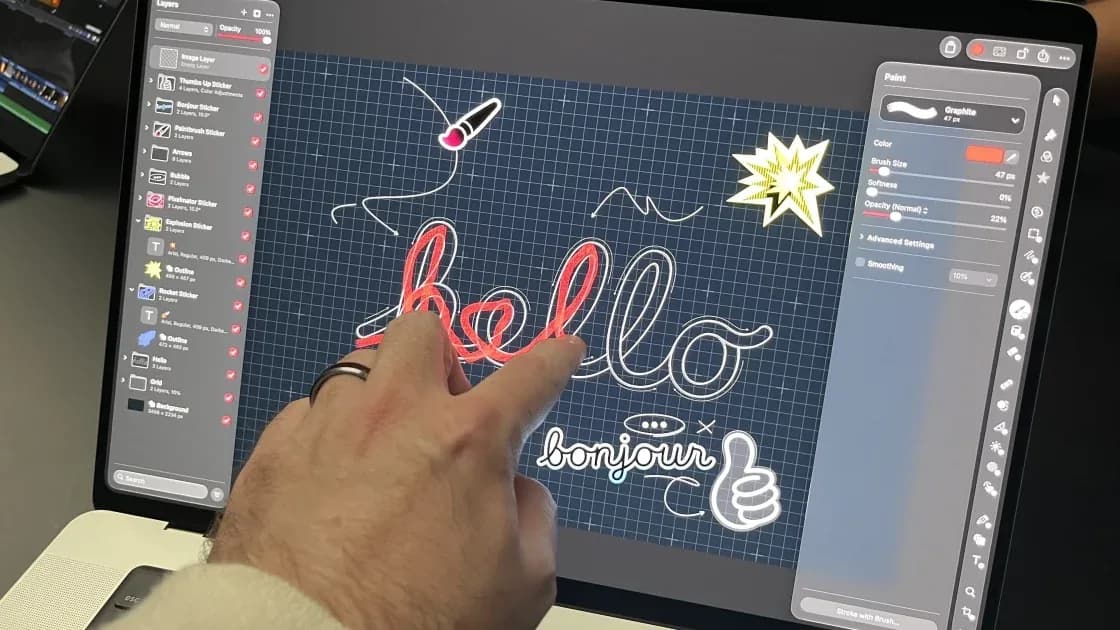
Welch described Apple's approach as measured. There's no oversized interface or sweeping redesign of macOS waiting underneath. Instead, small adjustments kick in only when a finger touches the glass. Menu items spread further apart to give fingertips more room, then snap back to their normal spacing the moment you switch to the trackpad or a mouse.
Pinch-to-zoom and drag and drop felt smooth and responsive in his telling. Part of that comes down to engineering: the touch sensor sits built into the OLED panel itself rather than layered on top of it, which is how most touchscreen Windows laptops handle the same job.
The weak spot, according to Welch, is the cluster of three tiny window buttons in the top left corner of every app. Apple briefly enlarges them when you touch the screen, but he found the animation "a bit sluggish" and lacking polish. It's a small detail, but a reminder that bolting touch onto a decade-old desktop interface still throws up edge cases Apple hasn't fully smoothed over.
Apple has tried touch-adjacent hardware on the MacBook Pro before. The Touch Bar, a thin strip of context-sensitive buttons above the keyboard, was phased out starting in 2021 after years of user complaints. This time the company appears to be moving more cautiously, leaning on a feature set users already understand rather than inventing new gestures from scratch.
One place touch clearly helps: iPhone Mirroring, Apple's tool for controlling an iPhone's screen from a Mac. Welch found it felt far more natural with a finger than a cursor, closer to simply using the phone. Developers testing iPhone and iPad apps on the Mac should get a similar benefit, since tapping through an app in development looks and feels closer to how it will actually run.
The $400 premium over the standard M6 MacBook Pro has drawn criticism online, with some users accusing Apple of charging for a gimmick. Welch pushes back on that framing, attributing most of the added cost to the dual-layer OLED panel itself, which hits 2,000 nits of brightness and is calibrated individually at the factory.
He still wants more. No Face ID, no built-in mobile data, nothing that would make the touchscreen MacBook Pro feel like a genuinely new category of device rather than a familiar laptop with an added input method. An Apple employee told reporters the company is only getting started tuning macOS for touch, which suggests whatever ships on 6 November is a first draft rather than a finished vision. Anyone unconvinced can still buy the regular M6 MacBook Pro, which keeps the old screen and skips the extra cost entirely.
CDFiled by The Computing Desk
Laptops, desktops, processors, graphics cards and the operating systems that run on them.
More from this desk →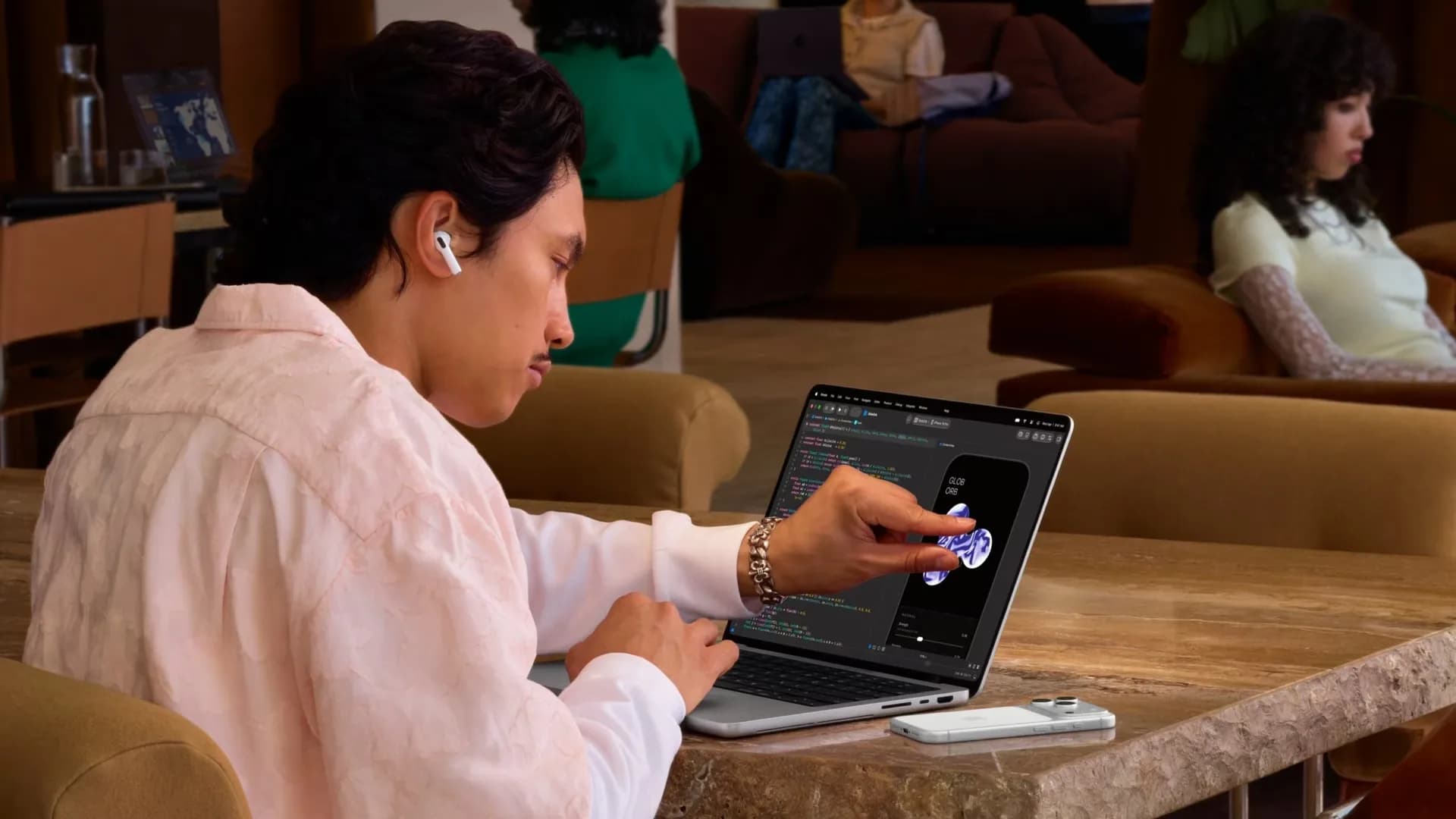

Be the first to comment
Join the argument. No password, just your email or a passkey.