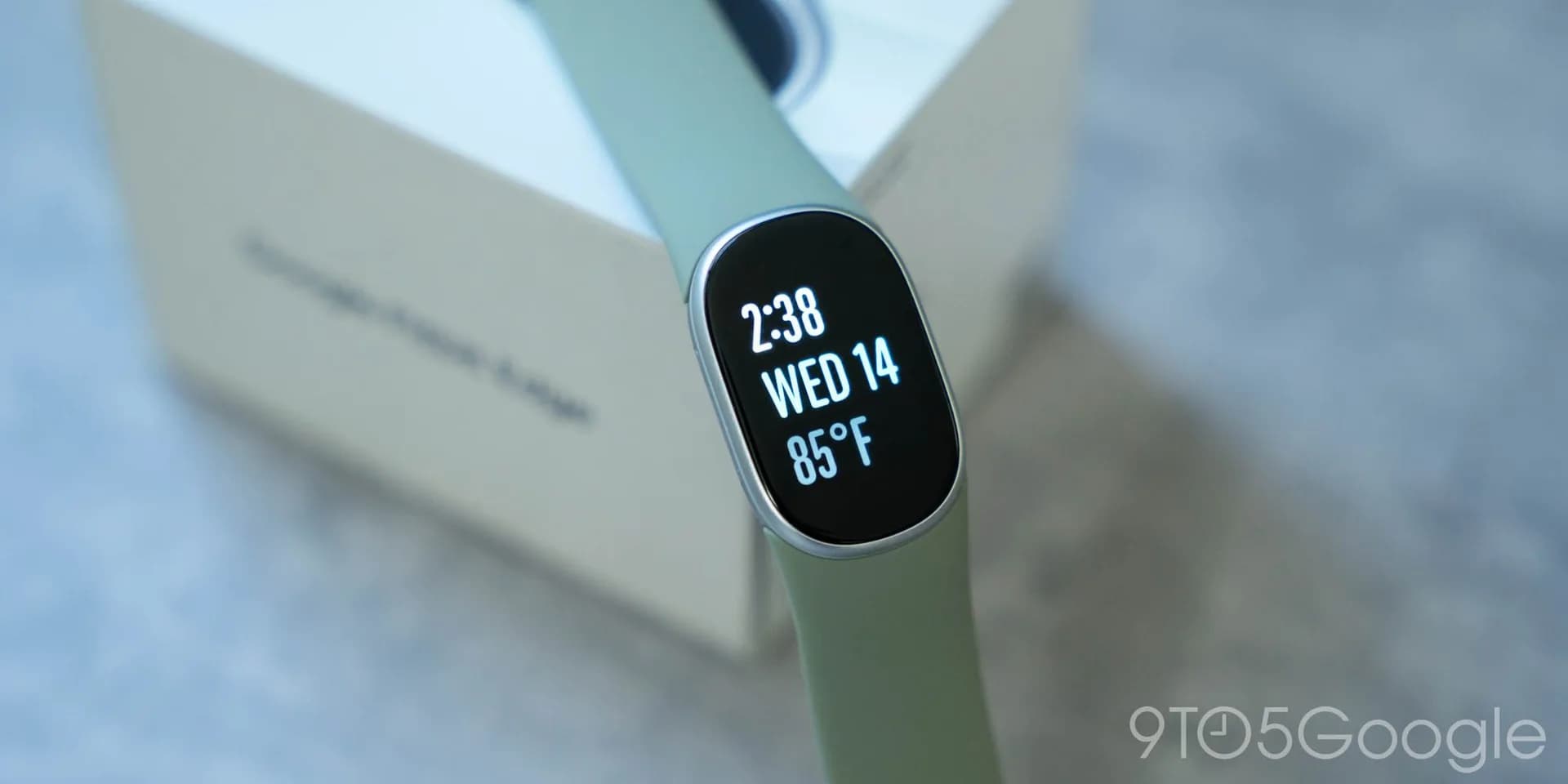
The Fitbit Edge, announced earlier this month, is due in stores within days at $180. It runs the same core tracking as the cheaper Fitbit Air but adds an interactive AMOLED screen and an ambient light sensor, with battery life rated up to seven days if the always-on display stays off. Before anyone hands over that money, a comparison published by Android Authority on Friday makes the case for five alternatives already on the market.
The most obvious step up is the Google Pixel Watch 5, priced around $399. It runs the full Wear OS experience, with third-party apps, a speaker and microphone, Google Gemini, and NFC for Google Wallet payments, none of which the Edge offers. Its larger display is also easier to navigate, according to the comparison. The tradeoffs are real: the Pixel Watch 5 can't match the Edge's seven-day battery life, it skips iOS support entirely, and it costs more than double.
Fitbit's own cheaper option
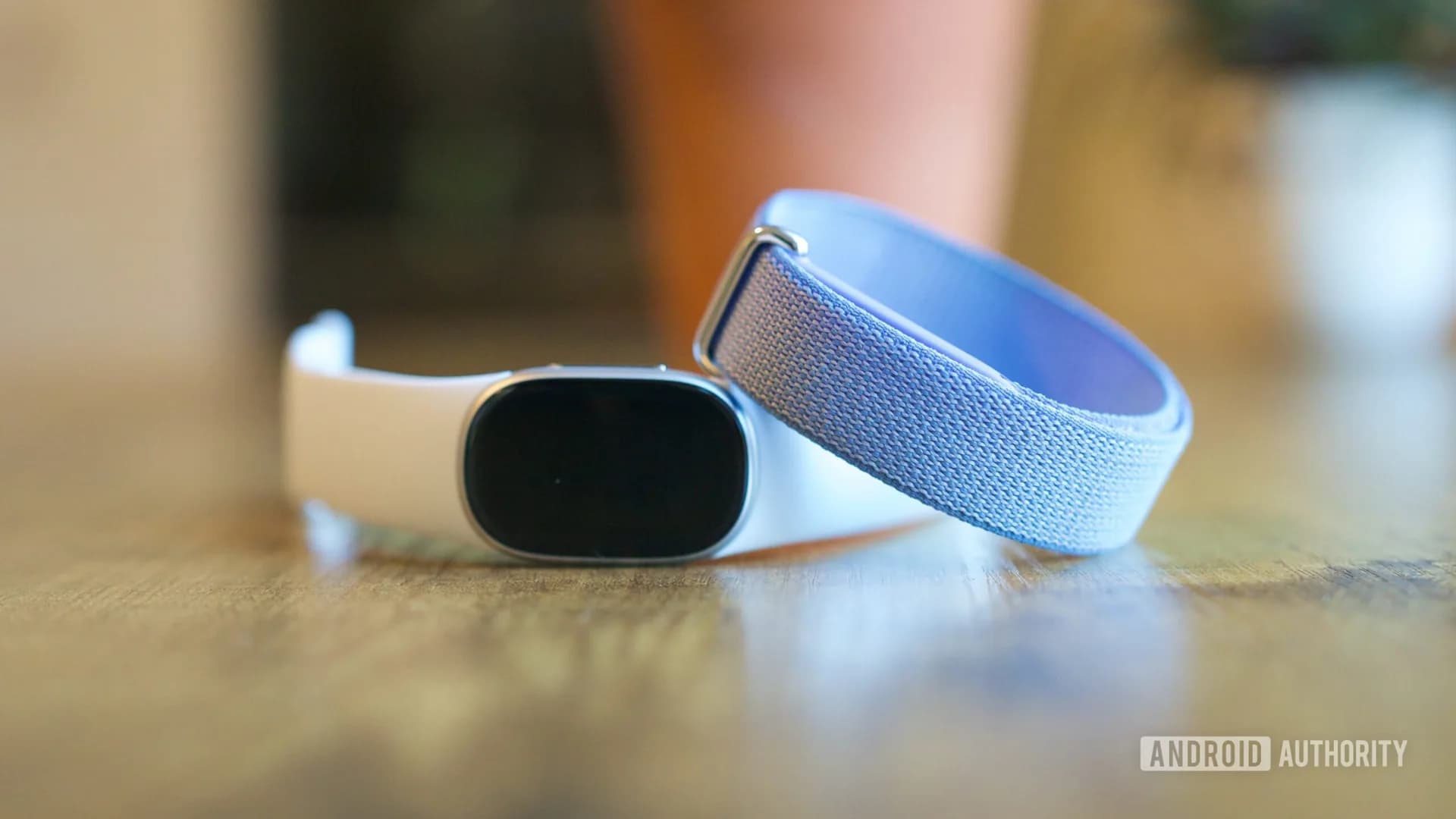
The Fitbit Air, which launched before the Edge and set up this generation of Fitbit devices, remains in the lineup at roughly $80 less. Android Authority found the two trackers nearly identical on raw fitness data and even on battery life, with the Edge's extra ambient light sensor the main sensor difference. What separates them is the screen. The Air has none, so checking stats means opening the companion app, but buyers who don't mind that get a smaller, lighter band for meaningfully less money.
Budget and ultra-light picks
Samsung's Galaxy Fit 3 undercuts even the screenless Air at around $70. It packs a 1.6-inch AMOLED display and a battery rated for up to two weeks, with heart rate, SpO2 and sleep tracking covered. It drops continuous heart rate monitoring, skin temperature sensing and ECG to hit that price, which the comparison frames as a fair trade for anyone who wants basic notifications and a wrist display without paying flagship rates.
For people who'd rather not wear anything that looks like a gadget, the Oura Ring 5 is the pick, at $399 plus a $5.99 monthly subscription for full functionality. It skips a screen entirely and goes lighter on fitness depth than the rest of this list, but Android Authority singles out its sleep tracking as a strength, backed by six to nine days of battery life in a ring built from actual jewelry-grade materials.
The older model that still competes
The Fitbit Charge 6 rounds out the list. It's been on the market for a few years, and the Edge beats it on blood pressure trend reports, loss of pulse detection, screen size and a touch more battery life. But the Charge 6 has turned up on Amazon for around $135, about $25 under its list price, and it still supports NFC payments, a feature Fitbit removed from the Edge outright. For buyers who want tap-to-pay more than a modern display, that gap matters.
The Fitbit Edge ships within days. Whether any of these five end up the smarter buy will depend less on specs than on whether a shopper actually wants a screen on their wrist in the first place.
GDFiled by The Gadgets Desk
Audio, wearables, cameras, tablets, chargers and every other device worth carrying or plugging in.
More from this desk →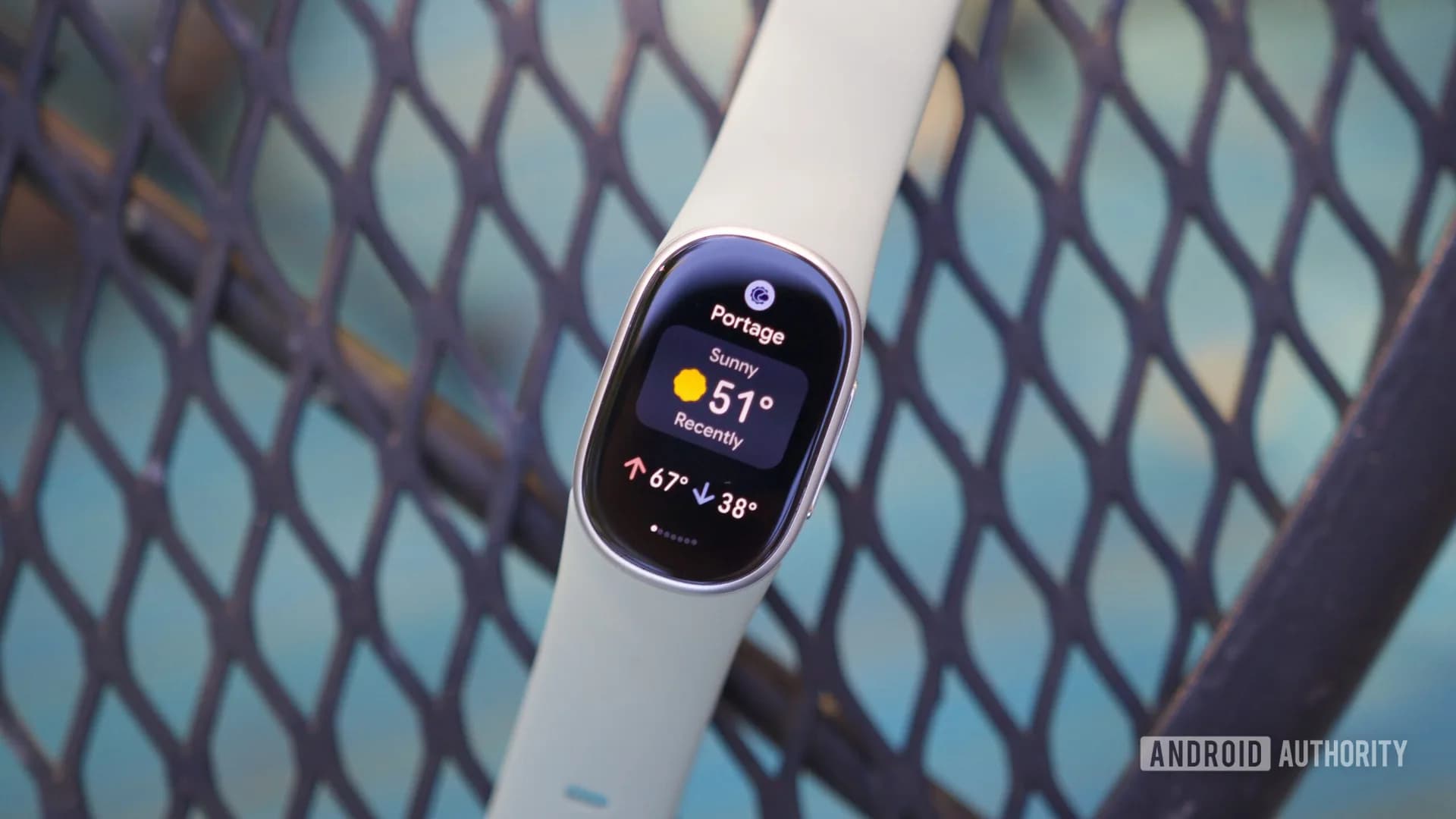
Be the first to comment
Join the argument. No password, just your email or a passkey.