Google isn't calling it a Charge 7. The successor to the Fitbit Charge 6 is called the Fitbit Edge, and it's built to sit between the screenless Fitbit Air and the Pixel Watch 5 in Google's wearable lineup, according to DC Rainmaker and PCMag, which both received briefings ahead of the announcement.
The Edge costs $179.99, preorders are open now, and the device ships October 27. That's roughly $20 more than the Charge 6's $159.95 launch price, and well above the $99 to $129 range PCMag says the Charge 6 has actually been selling for lately. A Stephen Curry edition runs $219 in the US, Canada and EMEA.
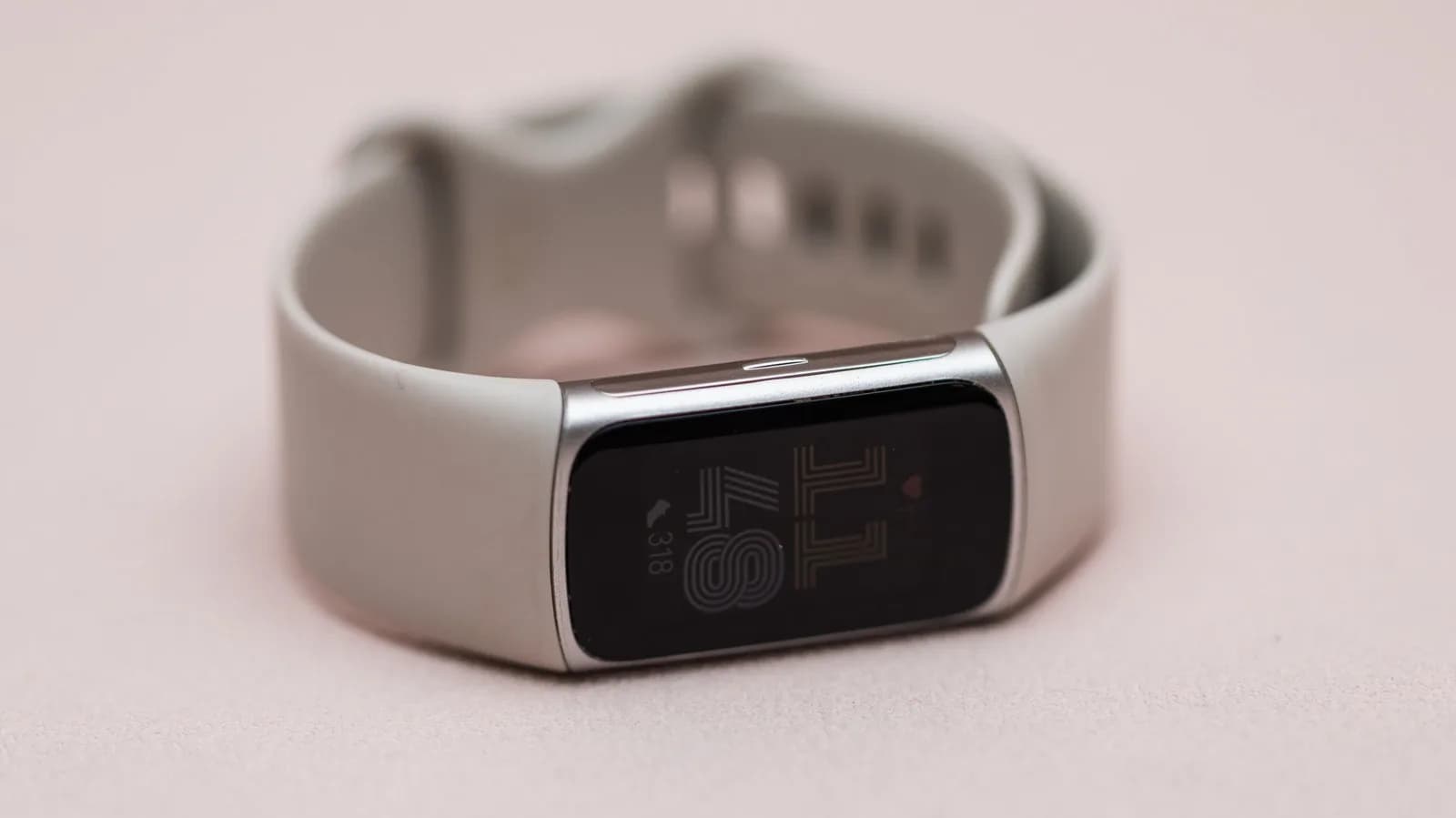
The headline change is the display: a 1.34-inch AMOLED touchscreen, up 46 percent from the Charge 6's 1.04-inch panel, per DC Rainmaker's breakdown. The case is 11.5mm thick versus 11.2mm on the Charge 6. For the first time on a narrow-screen Fitbit, there's also a physical side button you can click rather than a touch-sensitive pad.
The battery is user-replaceable, something Android Authority notes as a first for any Fitbit-branded product. 's currently the only serviceable part. Neither source has details yet on how, or whether, the screen itself can be repaired if it cracks.
Google says GPS accuracy is improved by 40 percent over the Charge 6, thanks to a new chipset and aluminum casing, addressing a real complaint: on the Charge 5 and Charge 6, GPS reportedly only worked properly if you loosened the band enough that heart rate tracking broke, something Google had previously admitted was a design tradeoff. An altimeter is new too, for stair counts and elevation.
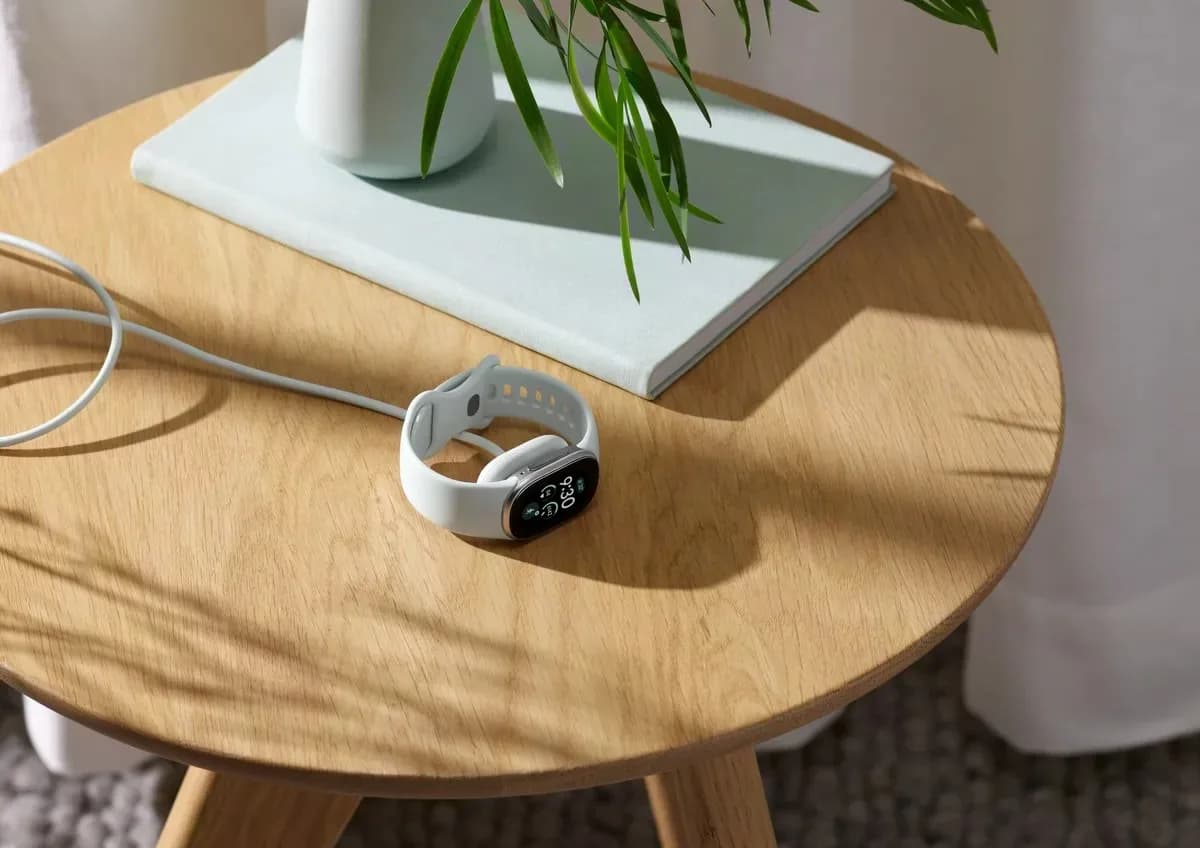
Automatic workout detection, borrowed from the Fitbit Air, now recognizes roughly 100 activities instead of about 10, and the device supports 50 manual workout profiles. Google claims five minutes on the charger buys a full day of use, and the battery estimate stays at seven days, the same figure the Charge 6 carried. PCMag notes that estimate didn't hold up well in its own testing of the Charge 6, which lasted three days with the always-on display active and 4.5 days without it.
What's gone, and what Pixel Watch owners will recognize
Google Pay contactless payments have been removed, as has the EDA Scan stress feature, though continuous background stress monitoring remains. The interface has been redesigned around the same widget-based tile system found on the Pixel Watch 5 and Samsung Galaxy Watch 9, though the Edge doesn't run Wear OS. It keeps FDA- and EU-cleared ECG with background AFib detection, SpO2, skin temperature sensing, 5ATM water resistance and IP68 dust protection. Unlike the Android-only Pixel Watch 5, the Edge works with both Android and iPhones.
The Edge also inherits Health Guardian, the proactive alert system Google introduced with the Pixel Watch 5, which flags irregular heart rhythms, high or low heart rate, loss of pulse or possible breathing emergencies. A Premium subscription to the Google Health app, $9.99 a month or $99.99 a year after a three-month trial, unlocks an AI coaching feature Google calls Health Coach.
Separately, Google announced a multi-year partnership with Flo Health, the cycle-tracking app with roughly 80 million users. Starting early next year, data will sync both ways: cycle information flows into Google Health, while resting heart rate, HRV, skin temperature and sleep data can flow back into Flo. Google says the Flo integration will be fully optional and says it plans dedicated women's health research initiatives, without giving specifics yet.
Still unclear: whether the Charge 6, the $99.95 Inspire 3 or the $149.95 Luxe stay on sale alongside the Edge. Google hasn't said.
GDFiled by The Gadgets Desk
Audio, wearables, cameras, tablets, chargers and every other device worth carrying or plugging in.
More from this desk →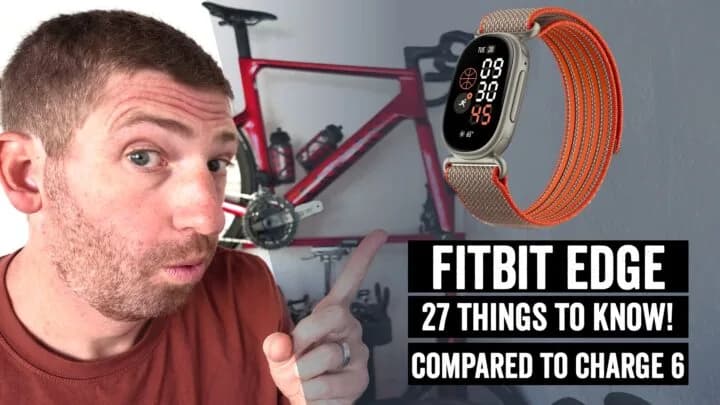
Be the first to comment
Join the argument. No password, just your email or a passkey.