AMD will bring FSR 4 to laptops and handhelds by December 31, 2026 — no RTX Spark required. The company confirmed the timeline through Jack Huynh, senior VP of Computing and Graphics, in comments to South Korean media reported by The Elec. It’s not just a software update: new APUs built for FSR 4 are launching this year, likely under the Ryzen Z3 and Z3 Extreme names, with support baked into silicon. These chips are tipped to use what insiders call “RDNA 3.5+”, a hybrid architecture that adds FSR 4’s machine learning upscaling to an RDNA 3.5 base, not full RDNA 4. Linux driver references earlier this year pointed to “RDNA 4m”, but AMD has clarified its RDNA 4 rollout remains desktop-first. The Z3 series is reportedly built on a 25mm × 25mm package, packing 12 GPU compute units, four Zen 6 CPU cores, and two low-power Zen 5 cores. With the Z3 tuned for 15W and the Z3 Extreme for 25W. That power envelope fits gaming laptops and high-end handhelds like the Asus ROG Ally X and Lenovo Legion Go. But it leaves out older hardware. The Steam Deck, standard ROG Ally, and Xbox Series consoles, all RDNA 2-based. Won’t get FSR 4 until next year, if at all. And while leakers have tied the codename ‘Gainsborough’ to upcoming shipping docs, and Kepler_L2 says it shares the same architecture as the Z3 chips, AMD hasn’t confirmed whether Gainsborough is for Valve, ASUS, or someone else entirely. What’s certain: FSR 4 is no longer locked to RX 9000 desktop GPUs. A lightweight INT8 version already runs on RX 7000 cards. Now it’s coming to integrated graphics, meaning laptops for gaming, not just desktop replacements, will finally get real-time AI upscaling without Nvidia hardware. Availability starts late 2026. No pricing or exact launch dates were given.
FSR 4 is coming to laptops for gaming by end of 2026
FSR 4 lands on laptops and handhelds before year-end — powered by new Ryzen Z3 chips and a lighter INT8 model.
The Computing Desk · (2 hours ago)
Reported from
How this story was made
Written by the Hitechreports desk from the reporting credited above, with facts attributed to their original publishers. We do not test devices ourselves; anything about performance, battery life or cameras comes from the outlets that did. Prices are as reported at the time of writing. Editorial policy · Report an error
Filed by The Computing Desk
Laptops, desktops, processors, graphics cards and the operating systems that run on them.
More from this desk →Read next
More Laptops & PCs →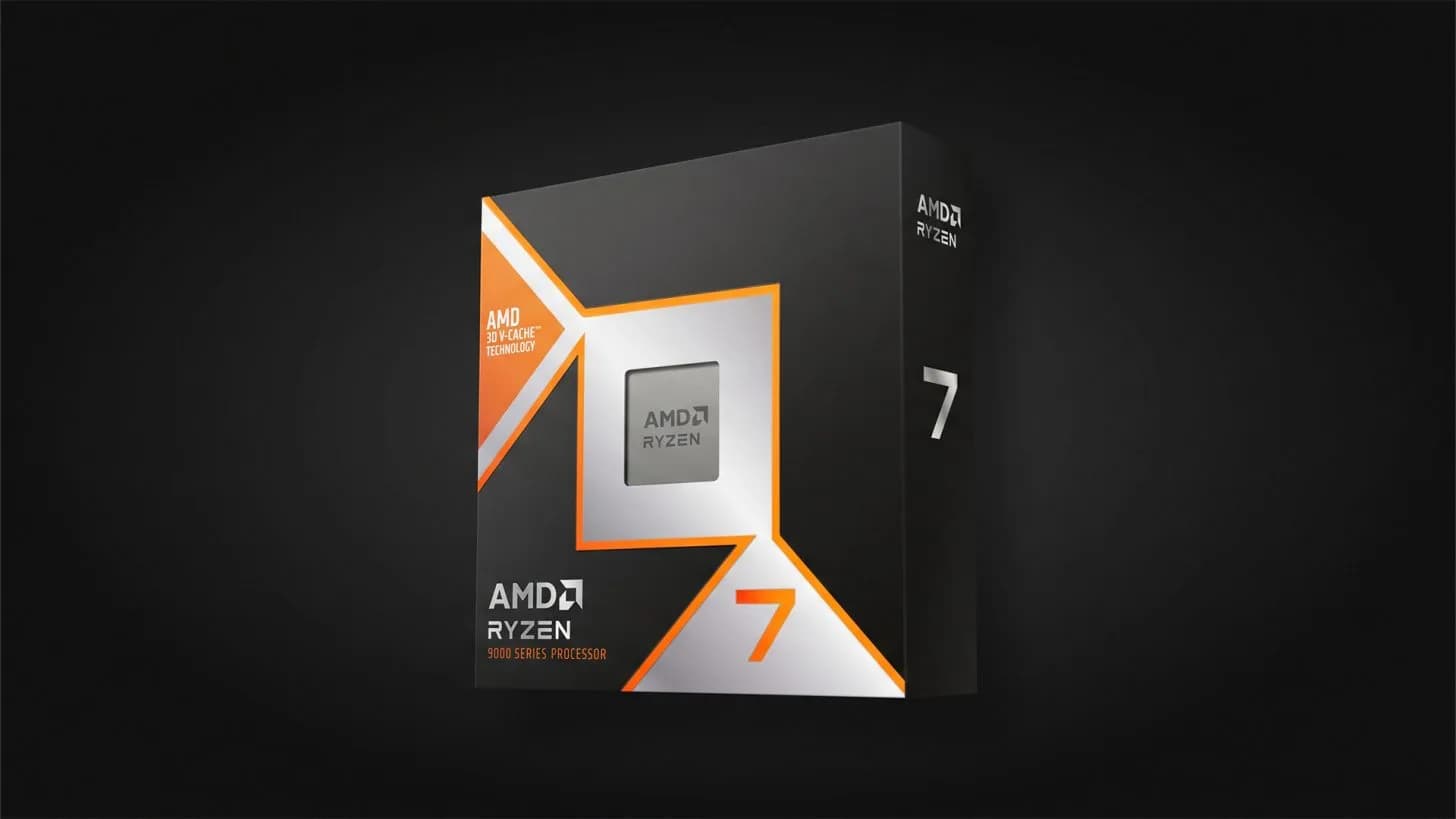
AMD Ryzen 7 9800X3D Drops Across Amazon and Newegg Bundles
AMD's Ryzen 7 9800X3D was listed at $411 on Amazon and $429 on Newegg when Wccftech reported the discounts on Wednesday, with both storefronts bundling game codes and hardware extras.
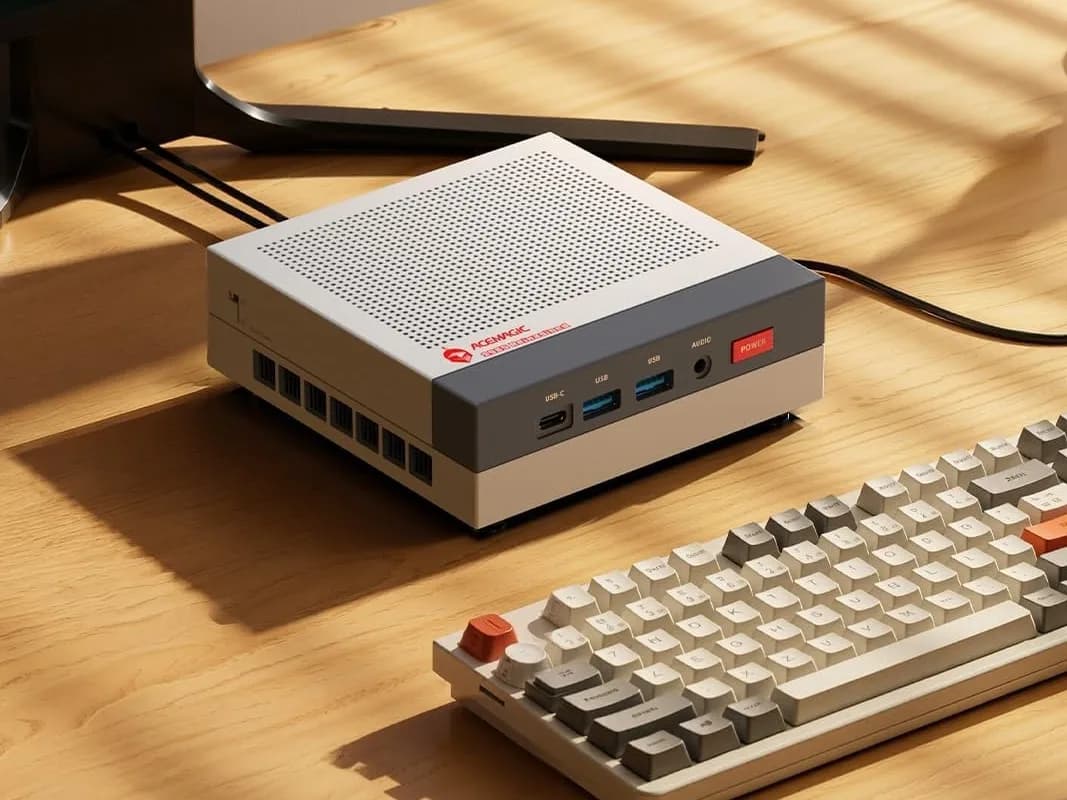
Acemagic X3 Mini PC $546
The Acemagic X3 mini PC — Ryzen 7 H255, 16 GB LPDDR5-6400, 1 TB PCIe Gen 4 storage — is $546 on Amazon through October 11. Use code JZLM55AT. The K5 variant is $360.99 with code 964TVL7B. Both are available now.
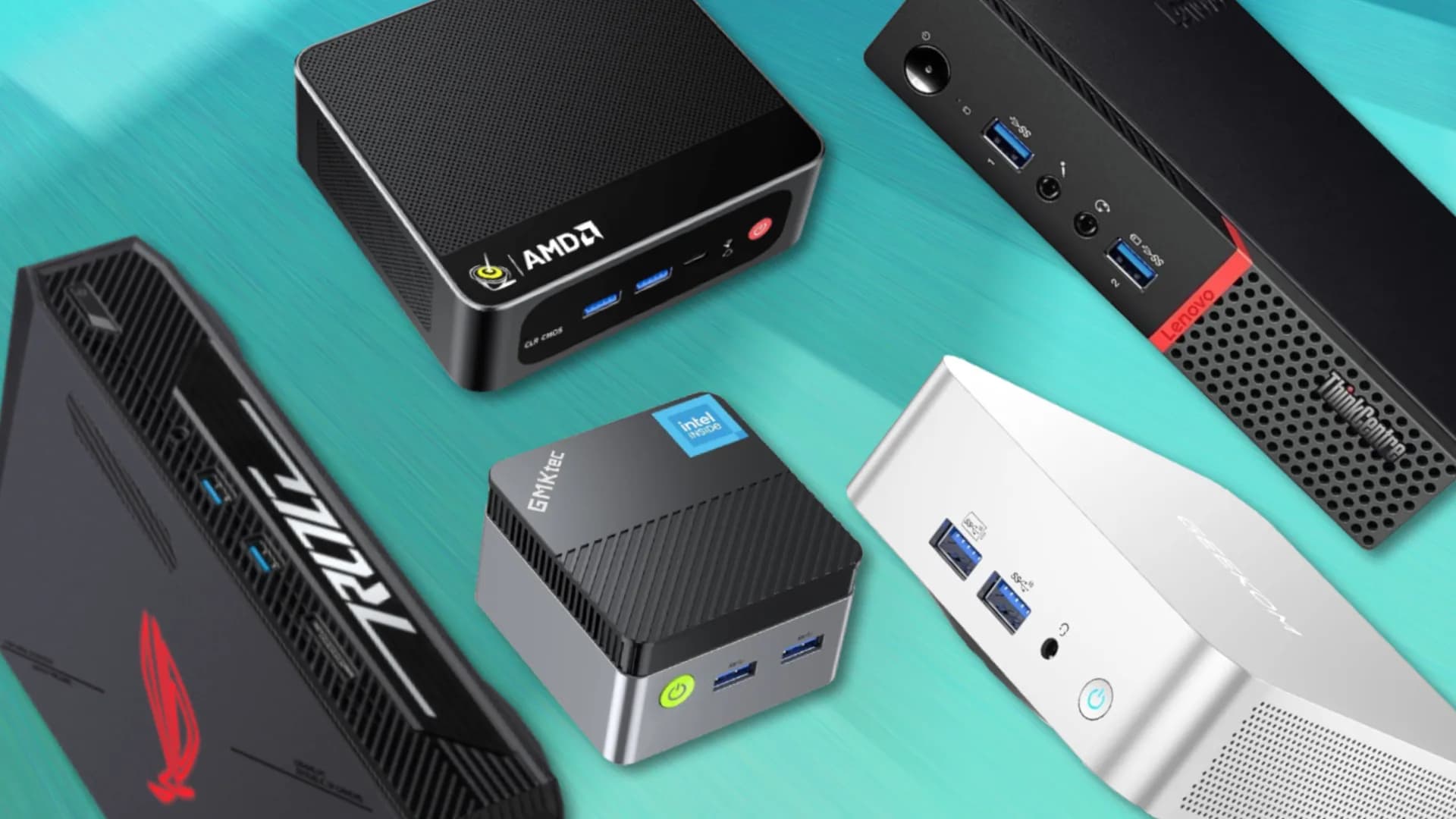
Mini PCs Under $600: Ryzen 7, Core i7, and 32GB RAM Deals Hit Amazon
Reatan A8 at $519. Kamrui P2 at $569 — down $360. Glorlin AI Mini at $570. ACEMAGIC M5 at $573. All nine are fully configured, globally shipped, and priced below $600.
Be the first to comment
Join the argument. No password, just your email or a passkey.