Gemini 4 Argon is live — but not freely. Google has quietly rolled out its new frontier model, first confirmed in early October, and it’s already hitting hard usage limits for paying subscribers. The model is available to Google AI Ultra users at €100 per month and, more recently, to Google AI Pro subscribers at €20 per month, a tier often discounted or free for students and apprentices in select markets. But that access comes with sharp constraints: a five-hour weekly usage allowance on the Pro plan, easily burned through by just three moderately complex prompts when set to “High” thinking effort. One test cited by Notebookcheck used up 33% of that cap in a single request. That’s not a misprint. It’s a hard ceiling. And it resets only after five hours, not per day or per week. So yes: you pay €20, get five hours, and may hit your limit before lunch. And no, there’s no option to buy more time. Not yet. Not anywhere. Not even in the US or India, where pricing hasn’t been announced, meaning the €20 and €100 figures apply only to European markets as reported. No Indian rupee or US dollar price has surfaced. No launch date beyond “early October” has been pinned down. No hardware tie-in. No device. No standalone app. Just a model. Gated, rationed, and now accessible in two places: the Gemini app (with strict quotas) and Google Search’s AI Mode (quota-free, but with trade-offs). In AI Mode, users can pick Gemini 4 Argon via the plus icon, same model, same name. But usage doesn’t count against the Gemini app’s five-hour cap. Responses are shorter, less configurable, and weaker on coding or iterative tasks, but they’re tied directly to Google’s live search index, so web-aware answers tend to be fresher and more precise. There’s still a hidden limit, though: an invisible algorithmic throttle that downgrades to a smaller model once usage crosses an undisclosed threshold. No one knows what triggers it. Google isn’t saying. What is clear: this isn’t the open, generous rollout some expected. It’s a tightly metered preview. Aimed less at developers or power users, and more at testing real-world load, latency, and prompt economics ahead of wider availability. Next step? Watch for Google to adjust the quota structure, or finally confirm US and Indian pricing. Neither has happened yet.
Gemini 4 Argon price, release date, and how to actually use it (it’s not what you think)
It’s live, it’s named, and it’s rationed: Gemini 4 Argon is here — but only in bursts, only in Europe for now, and only if you know where to bypass the cap.
By Model Card
The AI Desk · (1 hour ago)
Reported from
How this story was made
Written by the Hitechreports desk from the reporting credited above, with facts attributed to their original publishers. We do not test devices ourselves; anything about performance, battery life or cameras comes from the outlets that did. Prices are as reported at the time of writing. Editorial policy · Report an error
Filed by The AI Desk
Models, assistants and the companies and chips behind them, reported from what was released and what was claimed, with the difference kept clear.
More from this desk →Read next
More AI →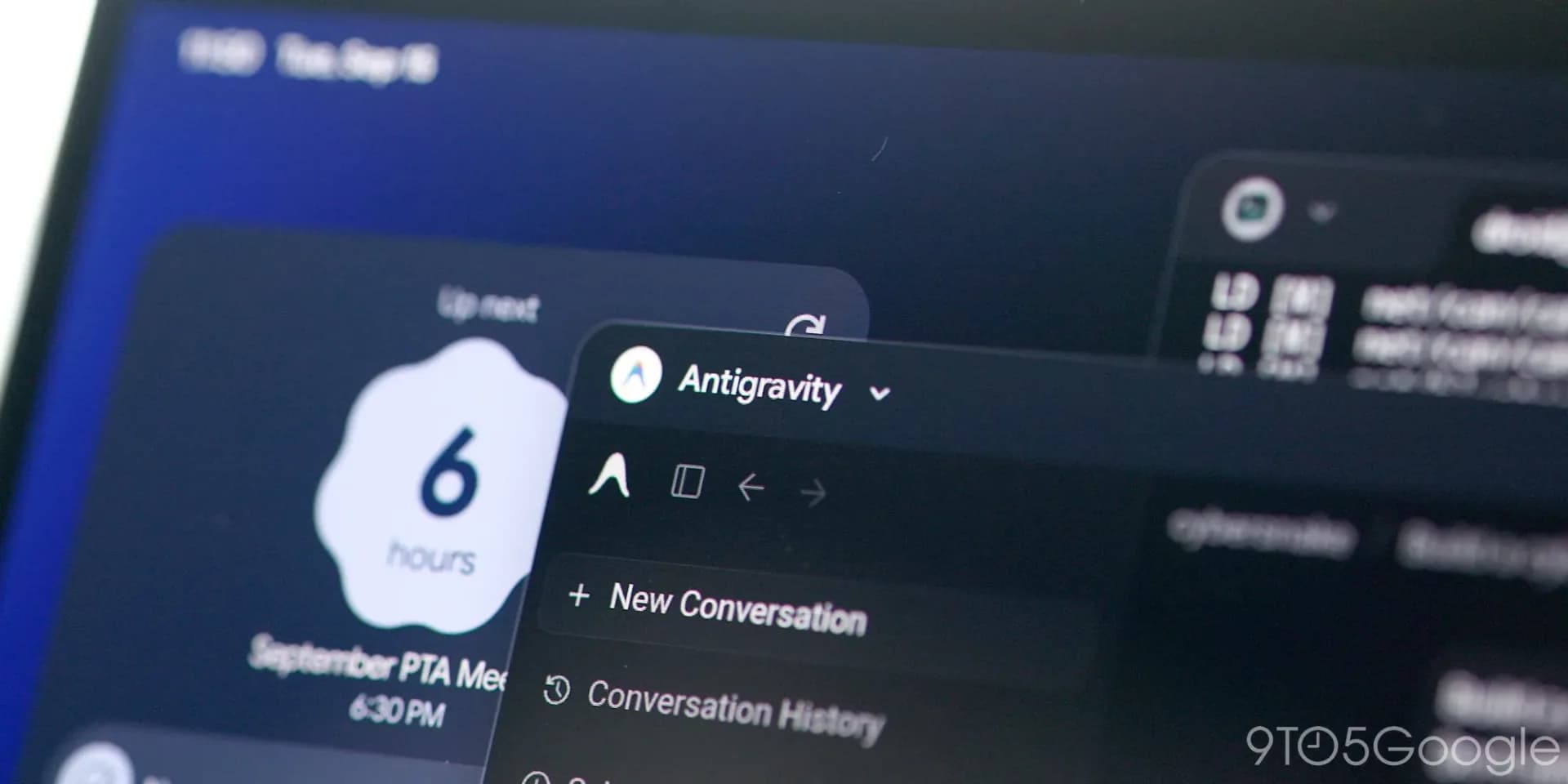
Gemini 4 Argon is now in Antigravity for AI Pro and AI Ultra subscribers
Gemini 4 Argon is now live inside Antigravity — Google’s AI coding platform — for subscribers to Antigravity for AI Pro and AI Ultra plans.
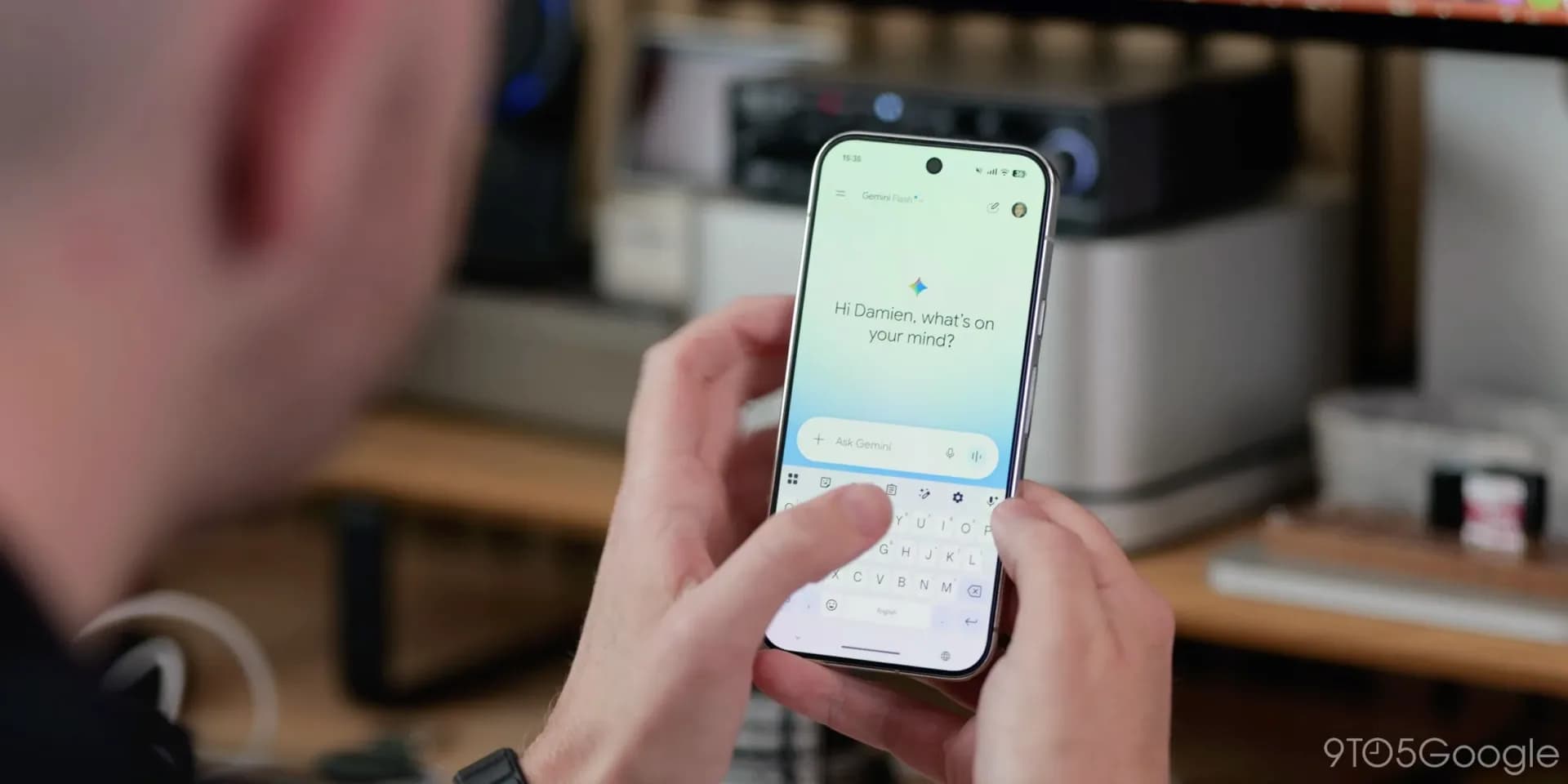
Gemini free users locked into Auto model selection as Google tightens AI access
Google has quietly locked free Gemini users into automatic model selection—no manual switching allowed. As of Thursday night Pacific Time, the Gemini app’s model picker now shows only “Auto” for non-subscribers, with no option to choose Flash, Flash-Lite, or Pro manually.
Gemini 4 Argon free PDF to interactive web app tool
Gemini 4 Argon now converts PDFs into interactive visual web apps — free, in-browser, no signup beyond a Google account. Digit India confirmed it’s live as of 16 October 2026.
Be the first to comment
Join the argument. No password, just your email or a passkey.