Google Antigravity built a shippable-looking e-commerce site in 30 minutes while using just 8% of a five-hour usage allowance. Claude Code took 50 minutes and burned nearly half that quota. Codex finished in 25 minutes — but with cramped typography and weak visual hierarchy. That’s the result of a controlled, one-prompt coding challenge published by XDA Developers on 22 November 2026, testing three AI tools against the same complex spec: GearHaus, a premium consumer electronics store with homepage, catalog, search, product pages, cart, checkout, user accounts, and admin dashboard.
No follow-up prompts. No edits. What each model spat out first is what got scored. Antigravity won, not because it was flawless, but because it was the only one that looked like something a design agency would hand off to engineering.
Its hero section grabbed attention. Its gradients and accent colors felt intentional. Its dark theme worked. Its product images matched the aesthetic, not stock filler.
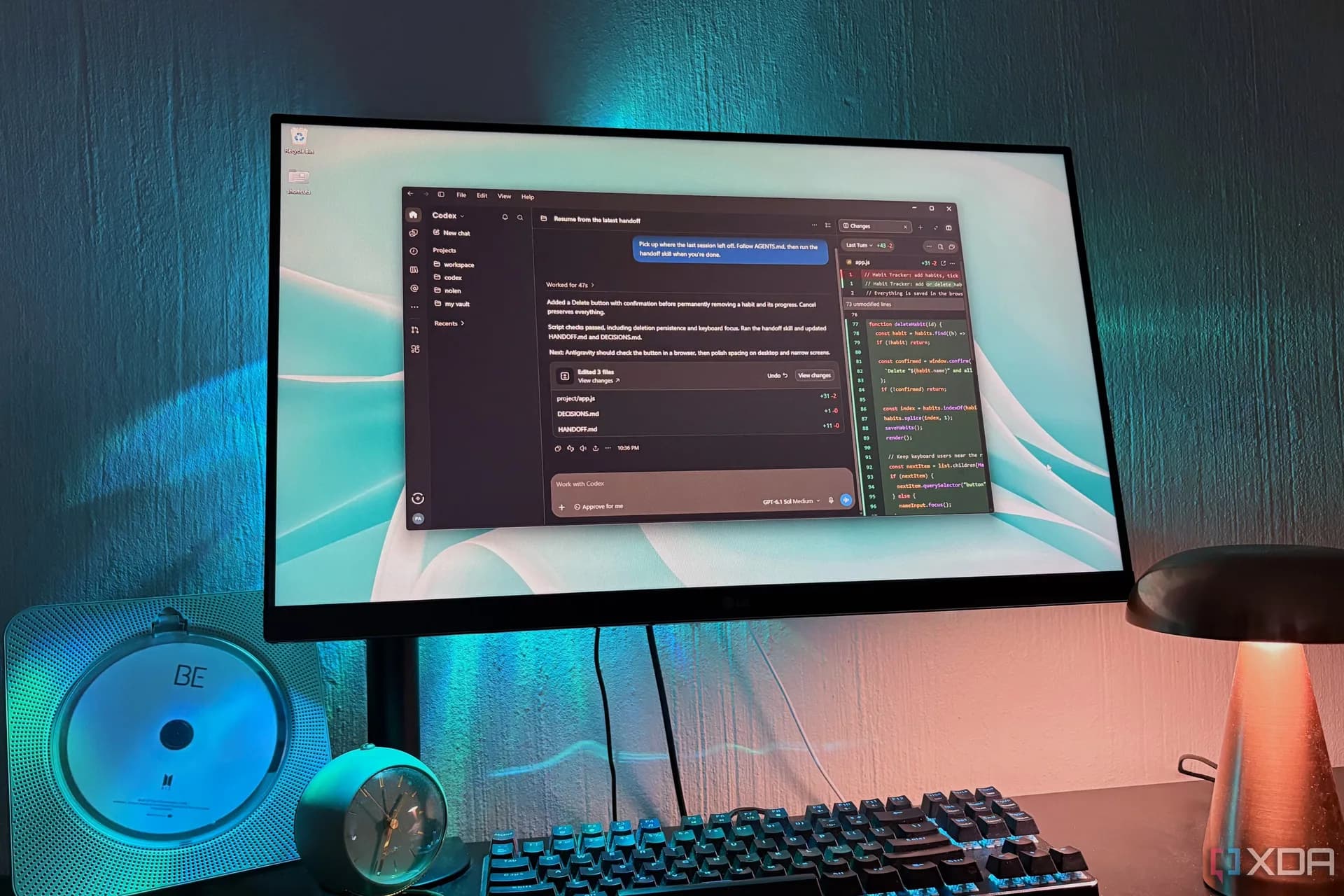
Claude Code’s output had clean code and a functional admin dashboard, but its homepage was ordinary, its navigation unpolished, and its product imagery generic. The tool lacks native image generation, and that gap showed. Codex moved fastest and delivered original-looking product images and a cohesive green theme, but small fonts hurt readability, and the bestsellers section lacked visual hierarchy.
All three used default models: Gemini 3.8 for Antigravity, Opus 5.5 for Claude Code, GPT-6.1 (high reasoning) for Codex. None were tested for security, scalability, or accessibility compliance, and the author explicitly says he’d still run deployment checks before going live. This isn’t a benchmark. It’s a stress test of how far AI coding assistants have come at turning complex specs into frontend artifacts, and how far they still have to go.
Antigravity’s efficiency (8% usage) and polish suggest Google’s tight integration of Gemini 3.8 with UI generation gives it an edge in visual coherence. Claude Code’s high resource cost and generic output raise questions about its real-world throughput for commercial projects. Codex remains fast and capable, but inconsistent where design nuance matters.
No pricing, availability, or rollout dates for Antigravity were disclosed in the report. The tool remains unannounced outside this test. Claude Code and Codex are available today, but this test shows their outputs still require significant human curation before reaching users.
ADFiled by The AI Desk
Models, assistants and the companies and chips behind them, reported from what was released and what was claimed, with the difference kept clear.
More from this desk →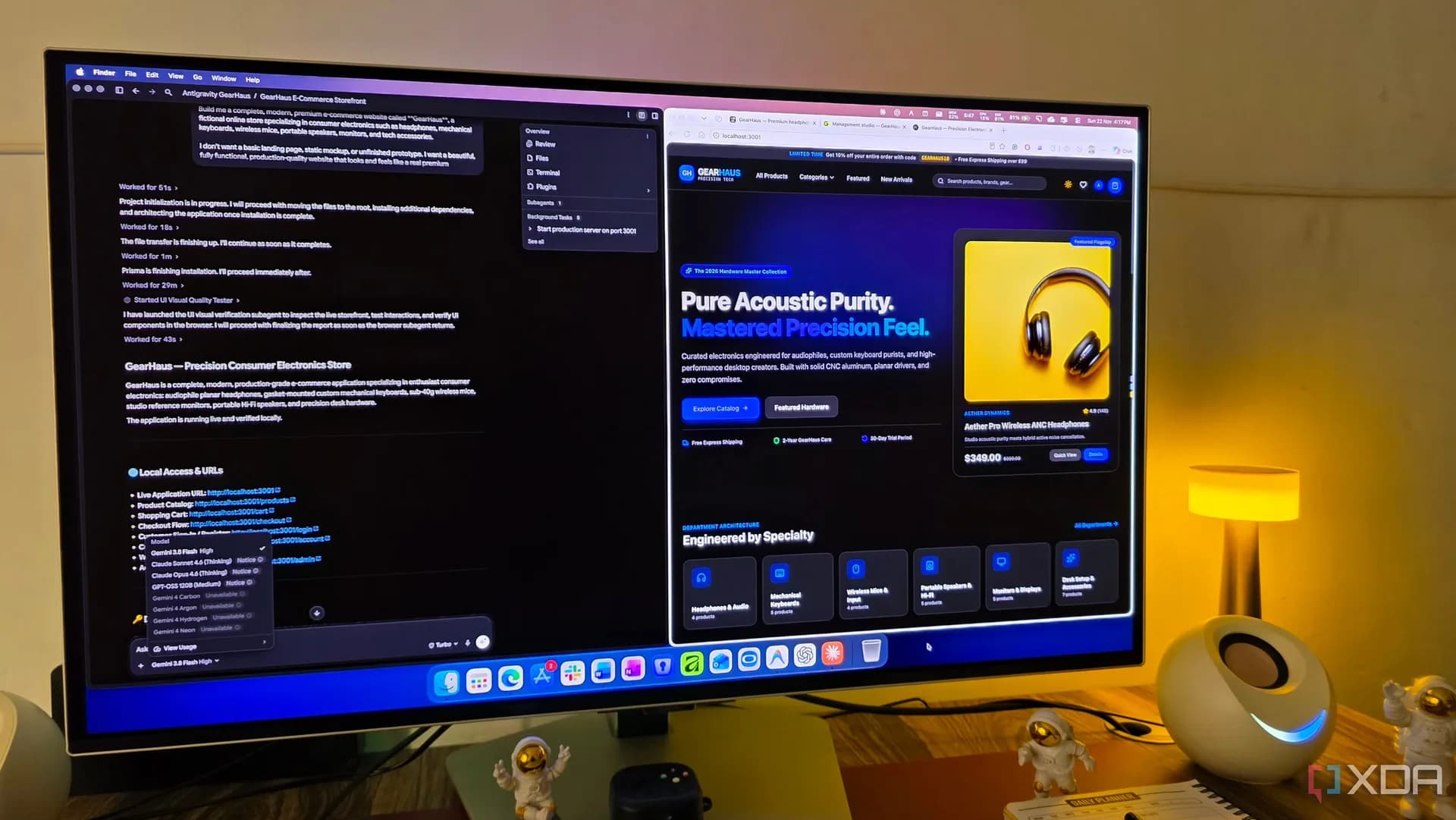

Be the first to comment
Join the argument. No password, just your email or a passkey.