Google Maps now lets you find and share locations using Plus Codes — short, address-free digital codes like JJXX+HR8, across Android, iOS, and desktop. The feature is live globally and requires no update: it’s built into the current version of the app. You don’t need an internet connection to use a Plus Code once the map area is downloaded, but you do need Google Maps installed and the relevant region cached for offline navigation. No new subscription, no toggle in settings, no beta sign-up: it’s already there, buried under a long-press on the map or a tap on your blue dot location marker. It’s not a replacement for street addresses. It’s what you use when there is no street address. A remote trailhead in Himachal Pradesh, a specific loading bay at Bengaluru’s Kempegowda International Airport, a food stall tucked behind a temple in Varanasi with no signage or pin on any map. Plus Codes are Open Location Codes: an open standard, not proprietary tech. Anyone can generate or decode them without Google’s servers, though Google Maps remains the most widely used interface for doing so. They’re not new. Google launched them in 2014, but they’ve never been this easy to access inside the app. Tap the code, copy it, paste it into search. Done. In India, where over 60% of rural addresses lack formal street names, and in the US, where delivery drivers routinely circle subdivisions looking for Unit 3B in a building with no visible numbering, Plus Codes solve a quiet, persistent friction point. They cost nothing. They work without phone number verification, without account linking, without granting extra permissions. And unlike live location sharing. Which fades after an hour, a Plus Code is permanent, static, and shareable via SMS, WhatsApp, email, or even printed on a flyer. Google doesn’t charge for it. Doesn’t monetise it. Doesn’t require sign-in to receive one. You just need the app. The next step? Wider adoption by logistics firms, local governments, and emergency services. Especially in regions where mapping infrastructure lags behind population growth. Vela Maps, the open-source alternative mentioned in community chatter, supports OpenStreetMap-based location codes, but doesn’t yet implement Plus Codes natively. That integration is expected in its v2.3 release, due early next year.
Google Maps directions now work without an address
No street? No problem. Google Maps’ Plus Codes let you drop a pin, copy a short code (like JJXX+HR8), and share an exact spot — even offline — anywhere in the world.
The Software Desk · (1 hour ago)
Reported from
How this story was made
Written by the Hitechreports desk from the reporting credited above, with facts attributed to their original publishers. We do not test devices ourselves; anything about performance, battery life or cameras comes from the outlets that did. Prices are as reported at the time of writing. Editorial policy · Report an error
Filed by The Software Desk
Apps, platforms, operating system releases, security fixes and the features arriving in them.
More from this desk →Read next
More Apps & Software →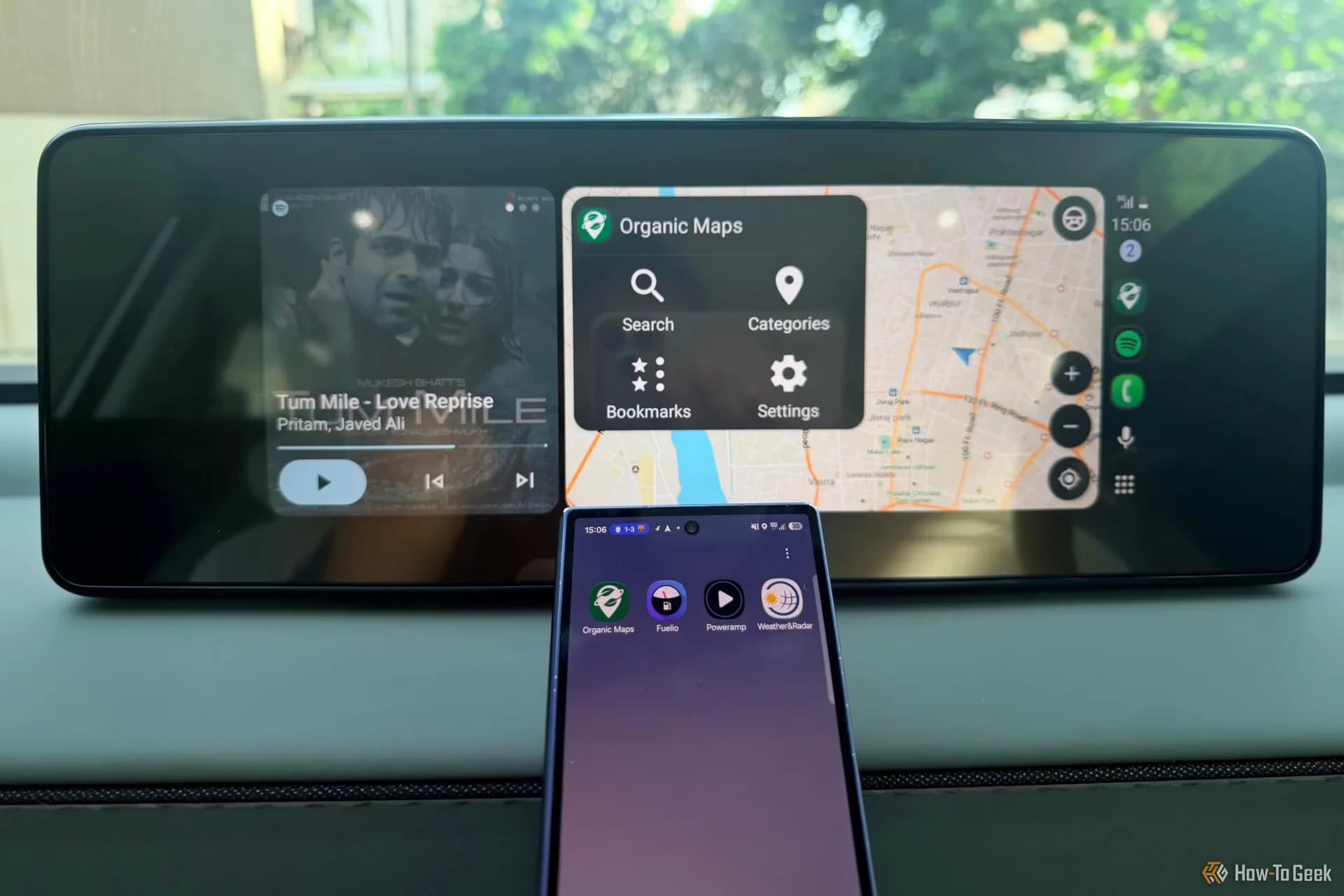
Four Android Auto Apps Rethink Daily Google Maps Directions
Android Auto drivers stuck in a loop with default services have alternatives. Four utilities offer offline navigation, detailed audio equalizers, live weather radar, and direct fuel expense tracking.
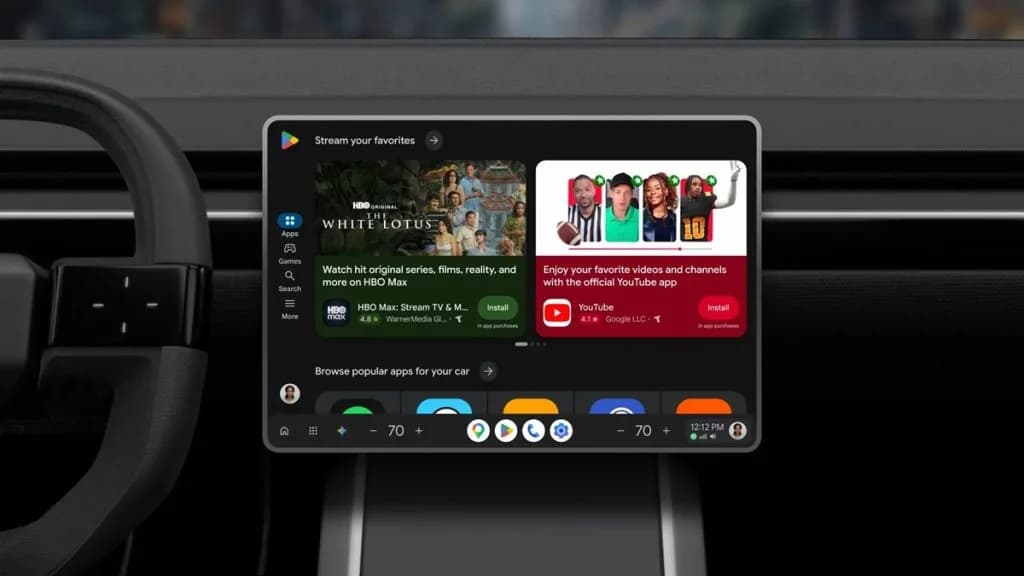
Google Play Redesigns In-Car Storefront and Adds Background YouTube Audio
Google is overhauling the Google Play storefront for vehicles with Google built-in, adding background audio playback for YouTube alongside new apps including JioHotstar, Firefox and Ludo King.
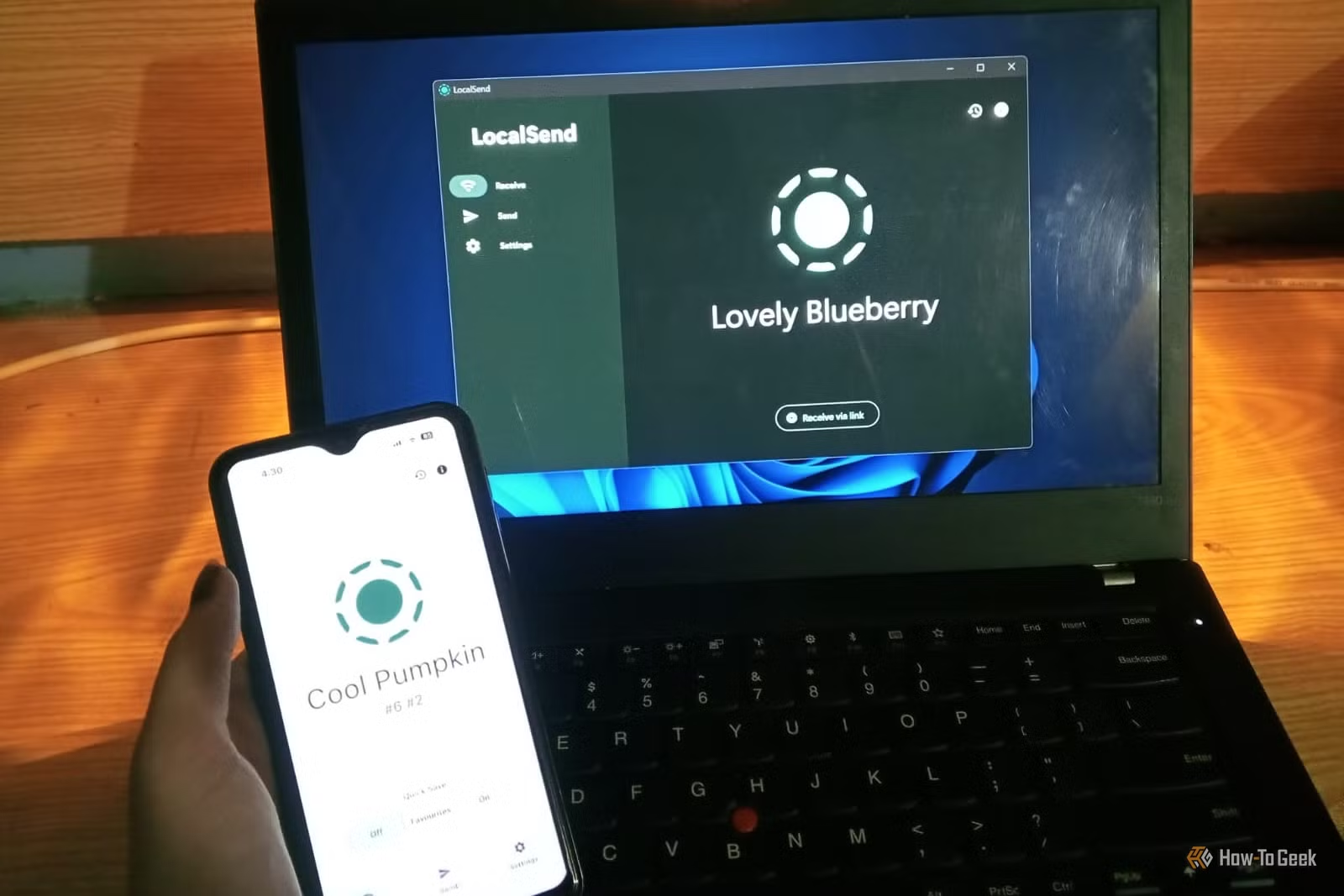
Open Source File Sharing Tool LocalSend Bridges Linux Windows And Phones
LocalSend offers cross-platform file transfers across Linux, Windows, macOS, Android, and iOS over local networks, cutting out cloud storage and cables without locking users into a single brand ecosystem.
Be the first to comment
Join the argument. No password, just your email or a passkey.