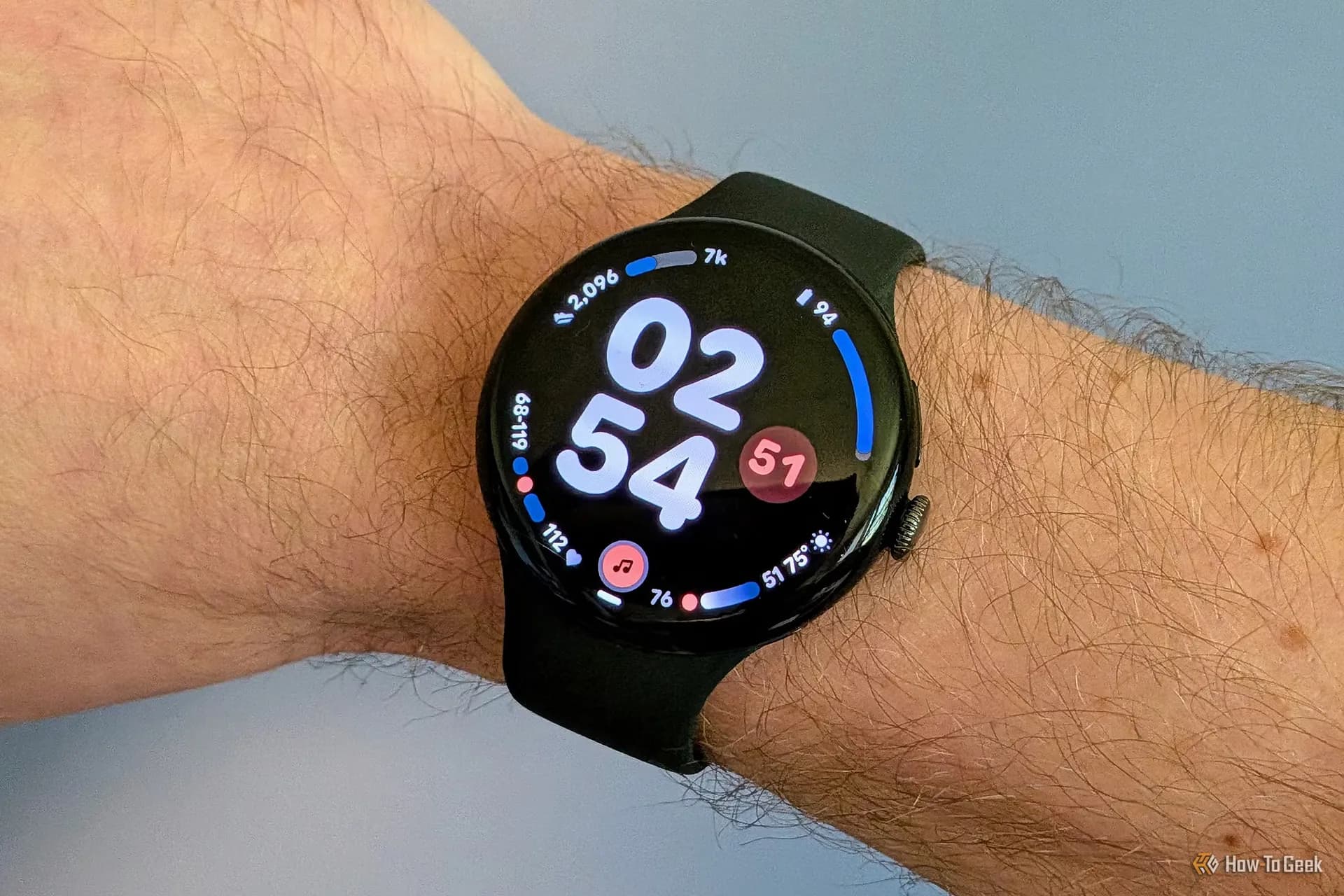
Google has confirmed it will shut down Safety Signal on the Pixel Watch on December 12, 2026 — removing automatic emergency calls and fall detection for users without cellular service or a Google Health Premium subscription. That feature previously worked offline, using only the watch’s sensors and local processing, even when the phone wasn’t nearby. Now, it’s gone unless you pay for both cellular data and Health Premium, or upgrade to a newer model with satellite SOS. The cutoff applies to all Pixel Watch models still running Safety Signal, including the Pixel Watch 3 and earlier LTE variants. No grandfathering. No extension. Just a hard stop in 47 days. This isn’t the only paywall tightening. Google Health Premium. $10/month or $100/year, is now mandatory for AI fitness coaching, adaptive workout plans, and advanced health insights on the Pixel Watch. Samsung’s Galaxy Watch 9 offers comparable coaching and health analytics at no extra cost, though it requires a Galaxy phone. The Moto Watch Ultra also bundles Polar-powered running coaching without subscription. Gemini access is tiered too: basic responses work free, but Gemini 3 requires Google AI Plus ($5/month), and Gemini 4 Argon demands Google AI Pro ($20/month). None of those tiers are bundled with Pixel Watch purchase. Not even for Pixel phone owners, who get exclusive AI features elsewhere in the ecosystem. The result? A Pixel Watch that costs $349 at launch now carries a minimum four-year ownership cost of $749, $349 for hardware plus $400 for Health Premium alone. That’s before adding AI subscriptions or cellular fees. Meanwhile, the Galaxy Watch 9 starts at $329 and delivers its full health suite out of the box. Google hasn’t announced pricing or availability for any new Pixel Watch model that might replace the current line. But with Safety Signal ending in under two months and no public signal of reversal, users face a stark choice: pay up, switch platforms, or downgrade expectations. The Pixel Watch remains fully functional as a timepiece, notification hub, and basic fitness tracker without subscriptions. But its headline safety and AI features now require dual payments, not one.
Google Pixel Watch Safety Signal ends December 12
Safety Signal ends December 12. Health Premium is now mandatory for AI coaching. Gemini 4 Argon costs $20/month. And none of it comes free — even with a Pixel phone.
By Living Room
The Home Tech Desk · (2 hours ago)
Reported from
How this story was made
Written by the Hitechreports desk from the reporting credited above, with facts attributed to their original publishers. We do not test devices ourselves; anything about performance, battery life or cameras comes from the outlets that did. Prices are as reported at the time of writing. Editorial policy · Report an error
Filed by The Home Tech Desk
TVs, home appliances and the smart home: refrigerators, washing machines, air conditioners, purifiers, robot vacuums, the sets on the wall and the platforms that connect them. Launches, prices in the US and India, and what changed.
More from this desk →Read next
More Smart Home →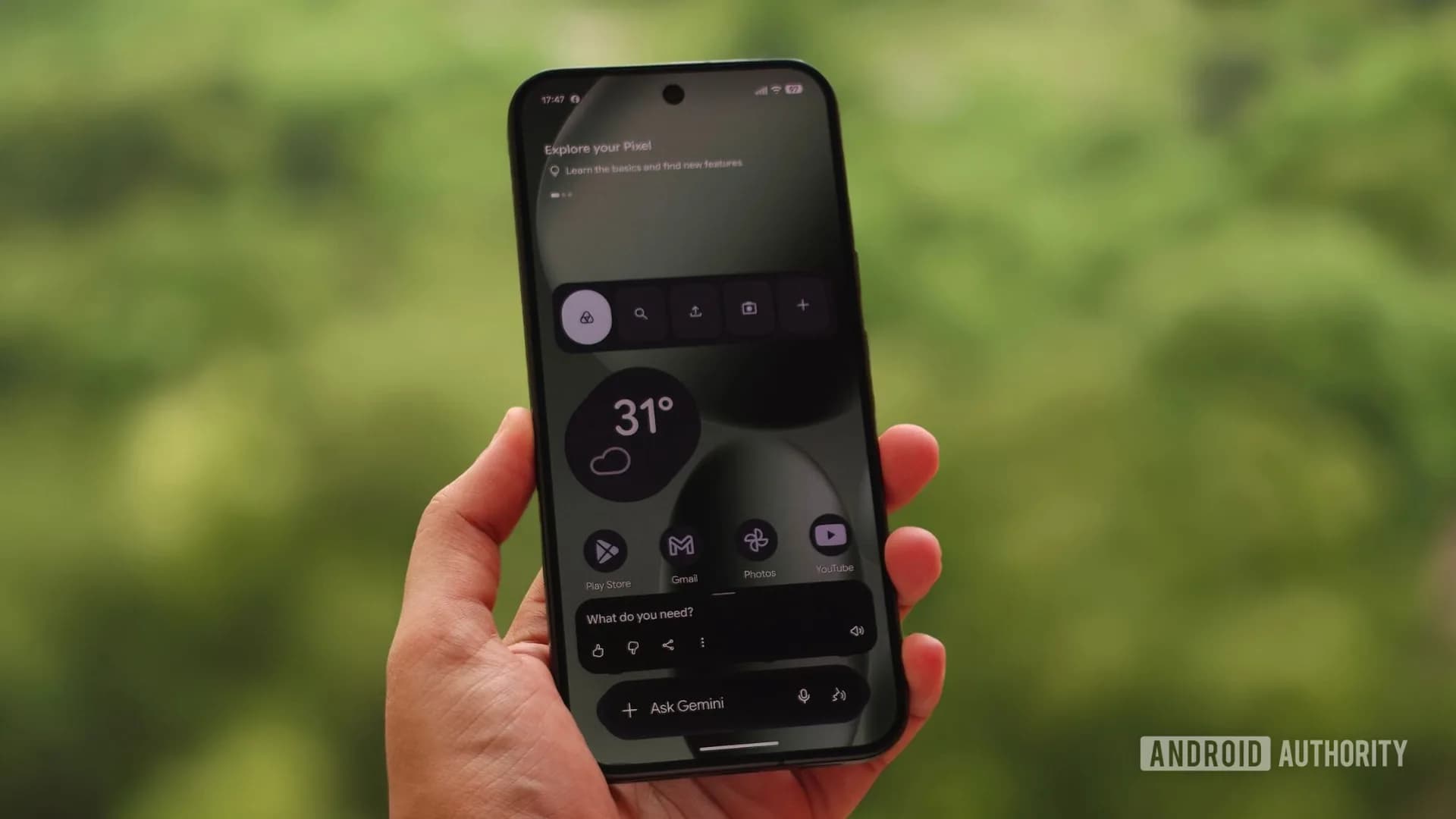
Gemini Google Help Assistant Live on Google Play Support Pages
Google has embedded Gemini directly into its official support pages — starting with Google Play — turning static help articles into a live, AI-powered chat interface.
Gemini AI Publish Button for Styles Found in Teardown
Google is building a way to publish and share AI-generated image and video styles directly from Gemini—according to an APK teardown spotted by Android Authority on October 13, 2026.

ChatPlayground AI Lifetime Plan Drops to $60 for ChatGPT and Gemini Access
ChatPlayground AI discounted its Unlimited Plan lifetime subscription to $59.97 through October 11, packaging side-by-side access to ChatGPT, Gemini AI, DeepSeek, and twenty other models behind one prompt window.
Be the first to comment
Join the argument. No password, just your email or a passkey.