Windows 11 now runs natively on the iPhone Duo — no jailbreak, no emulator, no hypervisor. Just Arm code translated to Arm code, booting in seconds on Apple’s first foldable, which has been in stores for just three weeks. The project, called WindowsiOS, was built by Ammaar Reshi, Google AI Studio’s product and design lead, and it’s already live on GitHub with full source code and a working demo on X (formerly Twitter).
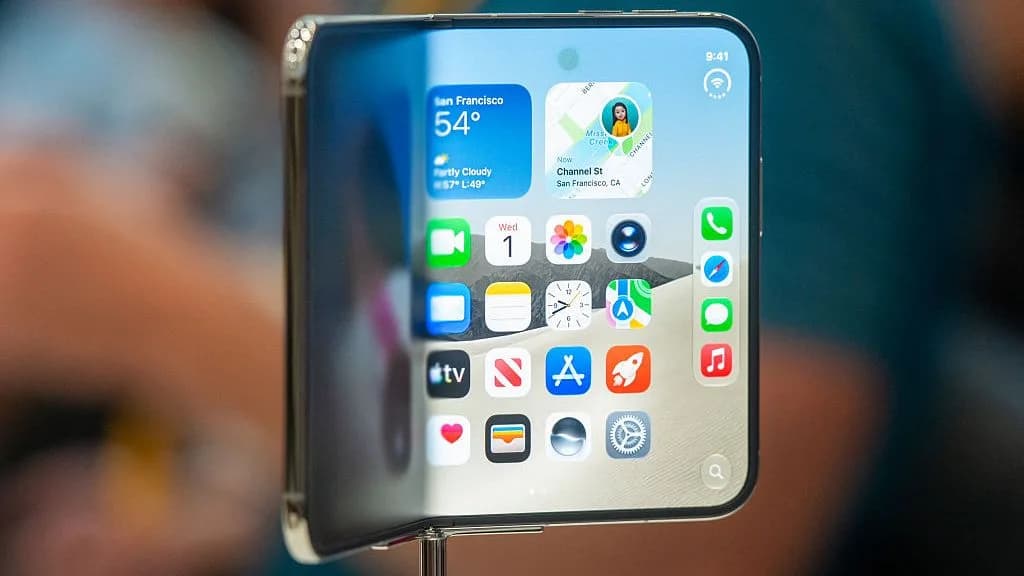
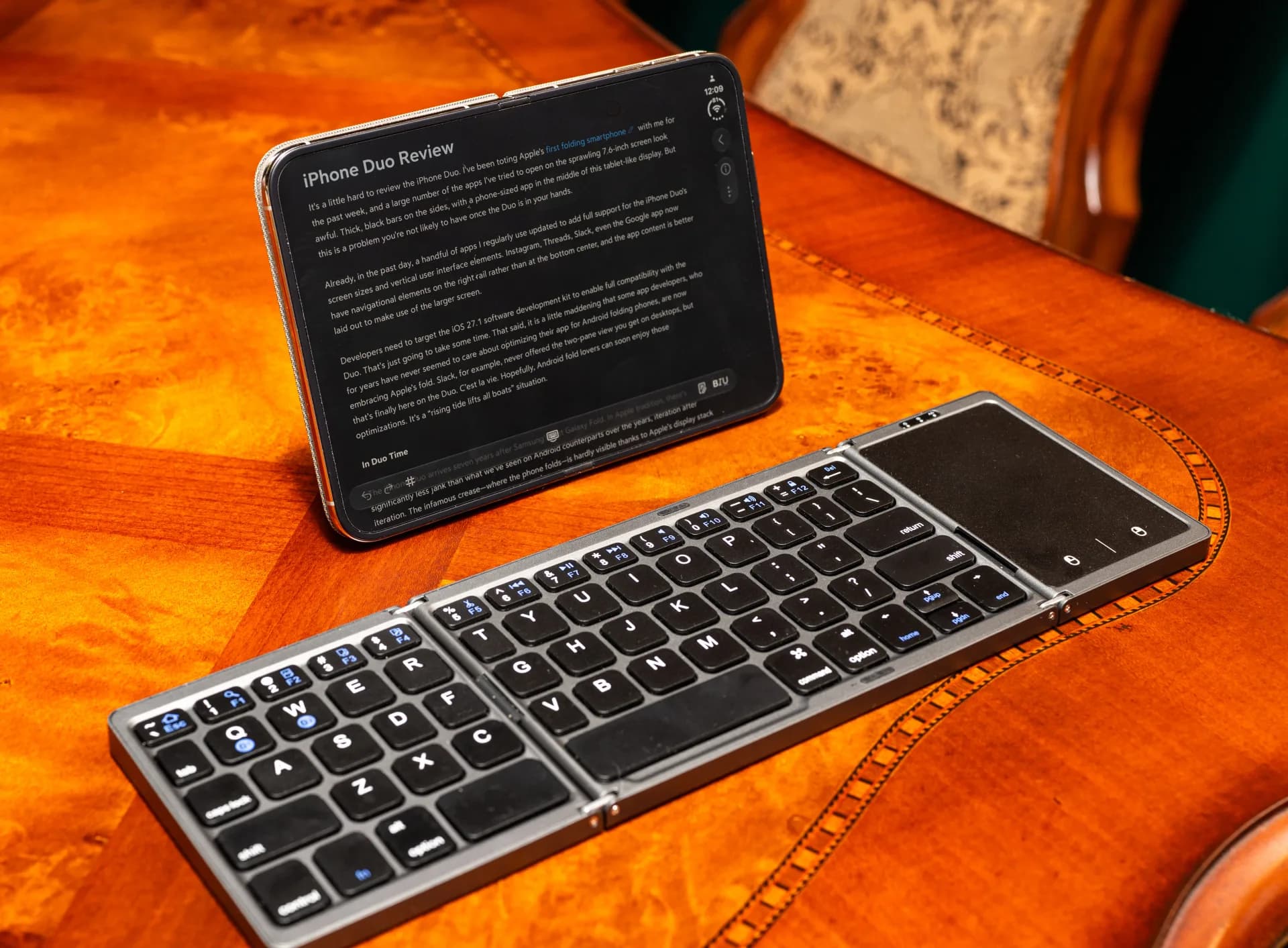
It runs Windows 11 24H2, Microsoft Edge, and Google’s Antigravity coding app, all touch-optimized. Fold the Duo halfway: the lower screen becomes a keyboard and trackpad. Unfold it: Windows fills the full 7.6-inch display. This isn’t emulation.
It’s translation, Windows’ native Arm binaries converted on-the-fly into instructions the iPhone Duo’s A20 Pro chip executes directly. That’s why it’s fast. And why it’s fragile. Every launch requires a debugger attached to the phone via an Apple Silicon Mac running Xcode.
That debugger unlocks executable memory, a loophole used by other JIT-heavy iPhone emulators, and one Apple could close in a future iOS update, just as it did with hypervisor access in iOS 16.4. Windows gets only 4.5GB of the Duo’s 12GB RAM. Reshi stripped out over 35 background services, including Windows Defender, to get idle memory use down to 1.46GB.
No benchmarks are published. No App Store listing is possible. You need your own Windows 11 Arm image, Xcode, and technical patience. The README credits Gemini 4 Carbon for the Windows-specific engineering, fitting, since Google only opened Carbon to developers and AI Ultra subscribers this week.
Henge, the open-source project that previously ran macOS on modern iPhones, provided the core translator. This isn’t the only recent iOS–Windows crossover. In late October, another developer booted iOS 26 on Microsoft’s Surface Duo 2. He now plans to port iOS 27, the Duo’s current OS, back to that device.
Windows 11 on iPhone Duo is not a product. It’s a proof point: same ISA, same chip family, same architecture, and suddenly, the walls between platforms look thinner than ever. The next iOS update could break it. But for now, it boots.
And it works.
CDFiled by The Computing Desk
Laptops, desktops, processors, graphics cards and the operating systems that run on them.
More from this desk →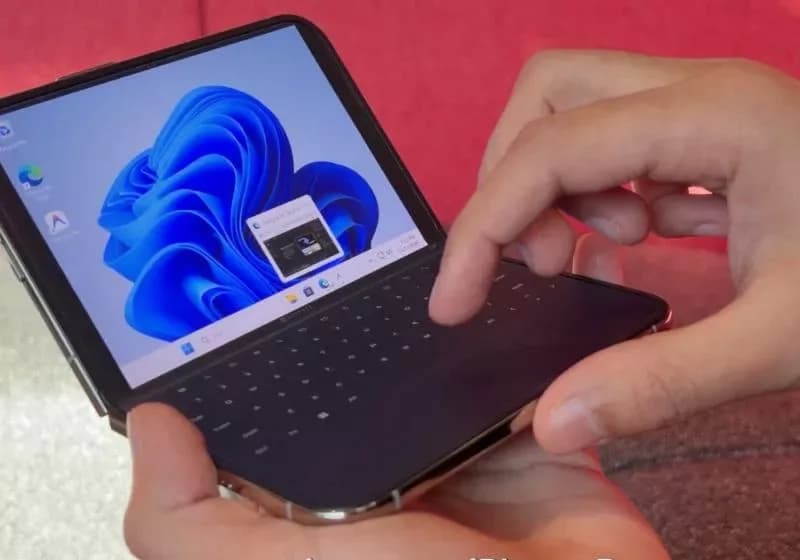
Be the first to comment
Join the argument. No password, just your email or a passkey.