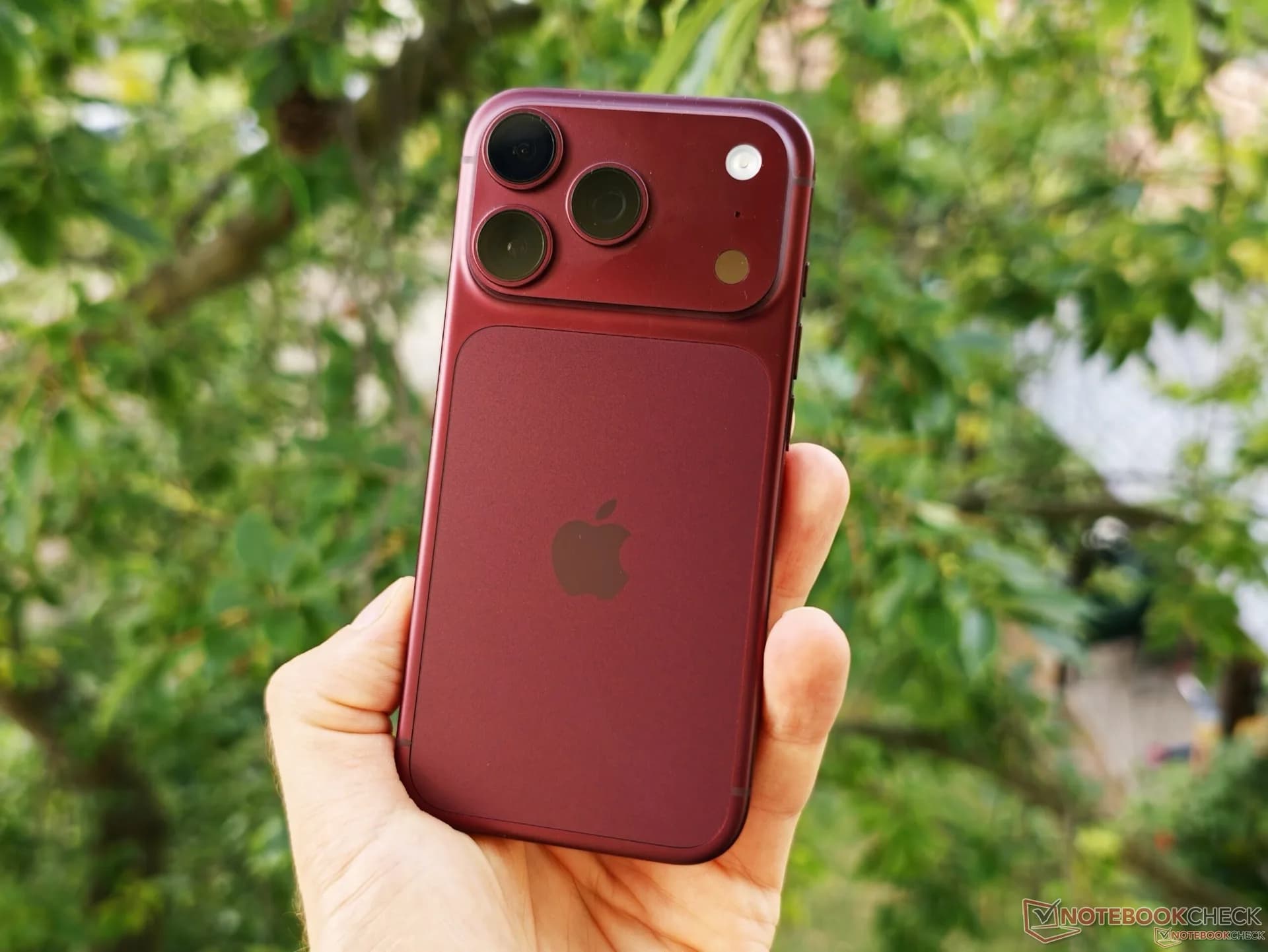
Your magnetic car mount or snap-on folio case might be actively sabotaging your photos. As mobile camera arrays grow heavier and more mechanically intricate, Apple continues to warn that nearby magnetic fields can throw off the rear camera hardware on handsets like the iPhone 18 Pro and iPhone 18 Pro Max.
The culprit is not MagSafe charging pucks made to official standards, but stray magnetic fields placed too close to the camera housing itself.
Modern flagship sensors rely on delicate mechanical systems to keep shots crisp. Most recent models pack optical image stabilization, which shifts lens elements or the primary sensor to smooth out shaky hands. Gyroscopes track how the chassis rotates and feed that data directly to the stabilization system so it can counteract movement instantly. Bring an unshielded magnet close to that sensing apparatus, and the readings skew immediately.
Focusing mechanisms run into the exact same problem.
Apple relies on closed-loop autofocus to fight blur from shaking hands and gravity. On-board accelerometers measure directional forces, while tiny magnetic sensors track the precise mechanical position of the lens to make real-time focus adjustments. Apple notes that strong external magnets sitting close to these parts can disrupt or completely disable the internal position sensors. When that happens, the lens cannot reliably establish where it is, leaving shots soft and video jittery.
Magnets Near the Glass
The problem has existed in the background since MagSafe arrived on the iPhone 12, but tighter tolerances make the interference harder to ignore. The iPhone 18 Pro lineup leans on hardware like variable apertures and large 48-megapixel Fusion Main cameras, where optical alignment matters down to fractions of a millimeter.
The hazard usually comes from third-party accessories built without Apple's clearance guidelines in mind. Common offenders include heavy-duty car dash mounts that use brute-force magnets, thick folio covers with magnetic latching flaps situated near the top corner, and clip-on grips or tripod plates that position metallic plates right beside the camera bump.
Apple's guidance on the issue is straightforward: keep magnetic metal and strong magnets away from the rear glass. If a case or mounting bracket puts a latch or a mounting puck within an inch or two of the lenses, taking it off before shooting is the only dependable fix.
MDFiled by The Mobile Desk
Phones from leak to launch to price cut: what was announced, what it costs where, and when it goes on sale. Indian launches and prices included, not appended.
More from this desk →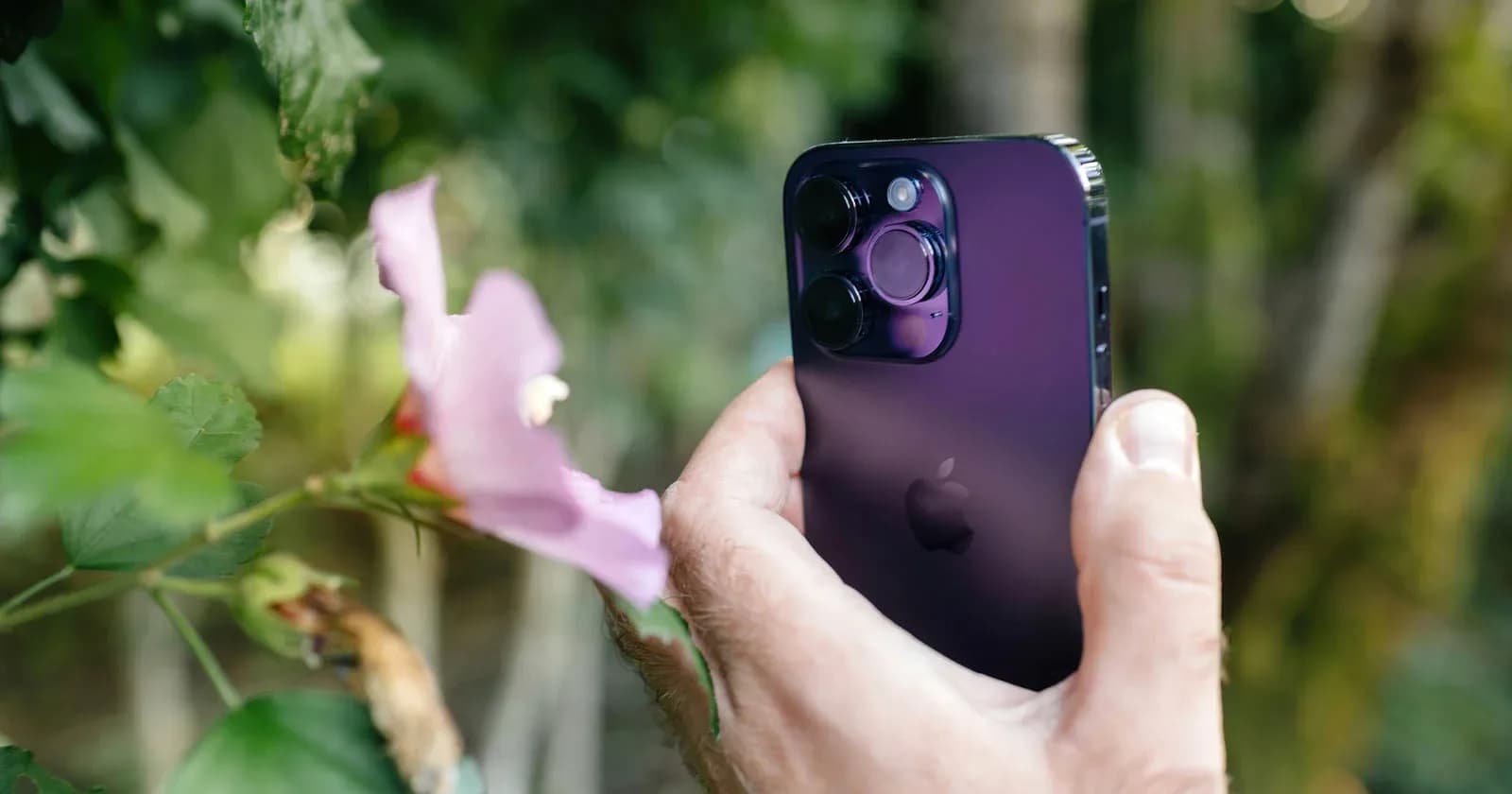

Be the first to comment
Join the argument. No password, just your email or a passkey.