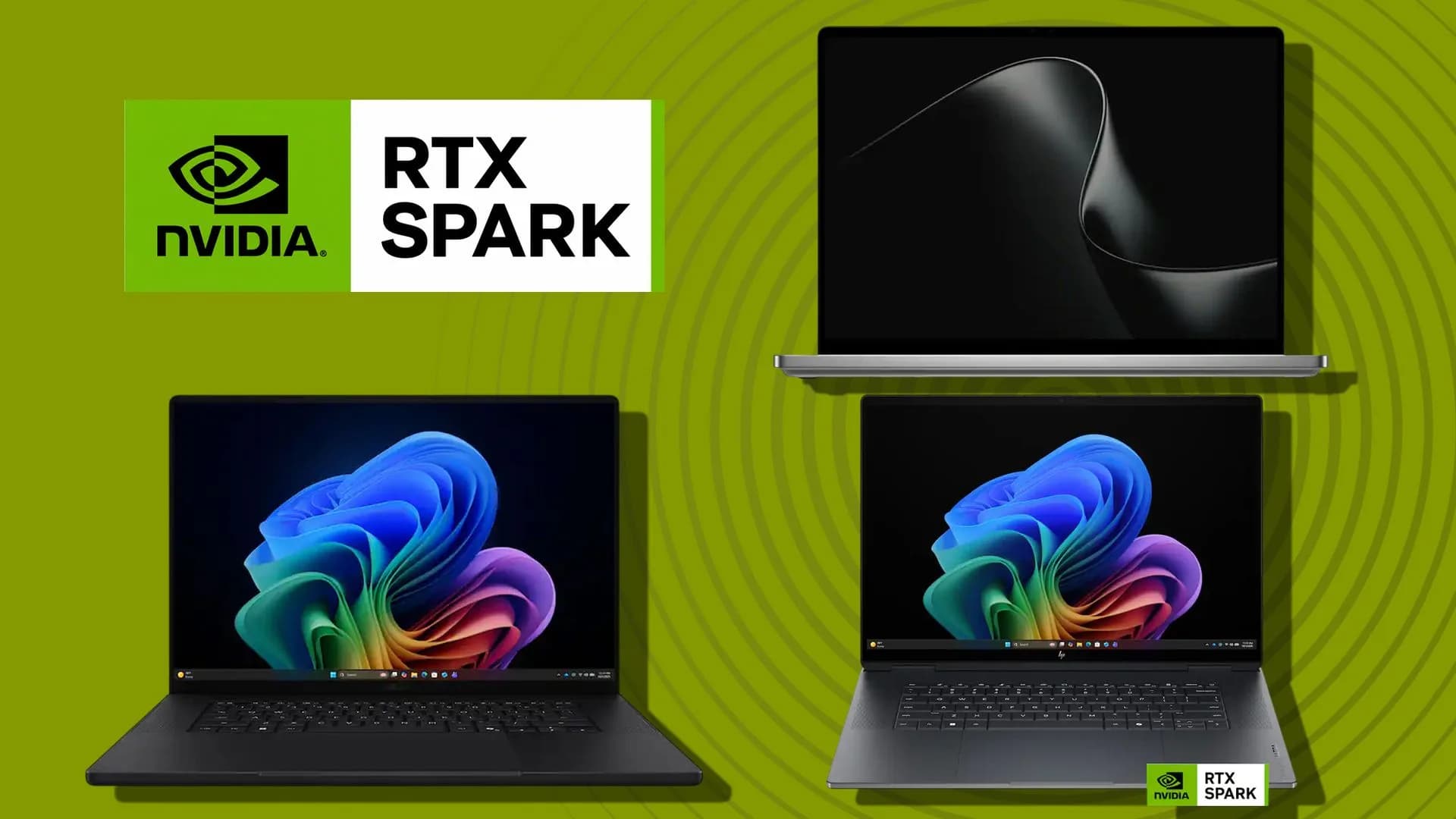
Nvidia RTX Spark laptops are now open for pre-order globally — starting at $2,599.99, with first shipments scheduled for October 16. The platform is built for small businesses that want to run AI models locally: no cloud dependency, no per-query fees, and full control over sensitive data like internal research, proprietary code, or customer documents. That’s the stated appeal, according to TechRadar Pro’s Wayne Williams, a freelancer who has covered PC tech for three decades and contributed to most major UK PC magazines. He calls local AI “increasingly attractive” for firms seeking predictable computing costs and room to experiment without vendor lock-in. Pre-orders are live through Best Buy and directly from manufacturers. Though no Indian pricing, UK pricing, or European pricing appears in the reporting. No retailer outside the US is named. No Flipkart, Amazon India, or Croma listing is cited. No Rs, £, or € figure is given anywhere. The RTX Spark platform itself pairs an Arm-based Grace CPU with a Blackwell GPU and unified memory, not shared VRAM or split RAM, but a single pool accessible by both processor and graphics core. Memory configurations range from 24GB to 128GB. The full chip delivers a 20-core CPU and 6,144-core GPU. A lower-tier variant offers 18 cores and 5,120 cores. HP’s OmniBook Ultra 16 uses the smaller chip in its 24GB and 32GB versions. But steps up to the full chip only in 48GB and higher configurations. That distinction matters, Williams notes: memory capacity alone doesn’t guarantee performance. Model size, precision, software compatibility, and GPU resource allocation all shape real-world results. Three models stand out in the initial wave. Microsoft’s 15-inch Surface Laptop Ultra is positioned as the most affordable entry point, starting at $2,599.99. And is recommended for early-stage use cases like internal AI assistants, document analysis, or coding support. HP’s 16-inch OmniBook Ultra 16 adds a 3K OLED touchscreen and scales up to 128GB of unified memory. For creative-AI hybrid work, think video editing alongside image generation or fine-tuning diffusion models. The Asus ProArt P16 enters with a 16-inch display, up to 128GB memory, and 2TB of storage. None of these are consumer gaming laptops. None are marketed for general productivity alone. All are framed as tools for developers, analysts, and technical teams building or deploying AI workflows on-premises. There is no mention of Linux support, Windows version, Copilot+ integration, or NPU offloading. No battery life, weight, or thermal specs appear. No review scores, lab benchmarks, or hands-on impressions are included, only configuration guidance from Williams’ analysis. Shipping begins October 16. Pre-orders are live now.
Nvidia RTX Spark laptops: $2,599.99 starting price, pre-orders live, shipping October 16
No cloud required. No subscription needed. Just $2,599.99 and a 15-inch Surface Laptop Ultra — if you’re ready to run Llama 4 or Phi-4 locally.
By Clock Speed
The Computing Desk · (2 hours ago)
Reported from
How this story was made
Written by the Hitechreports desk from the reporting credited above, with facts attributed to their original publishers. We do not test devices ourselves; anything about performance, battery life or cameras comes from the outlets that did. Prices are as reported at the time of writing. Editorial policy · Report an error
Filed by The Computing Desk
Laptops, desktops, processors, graphics cards and the operating systems that run on them.
More from this desk →Read next
More Laptops & PCs →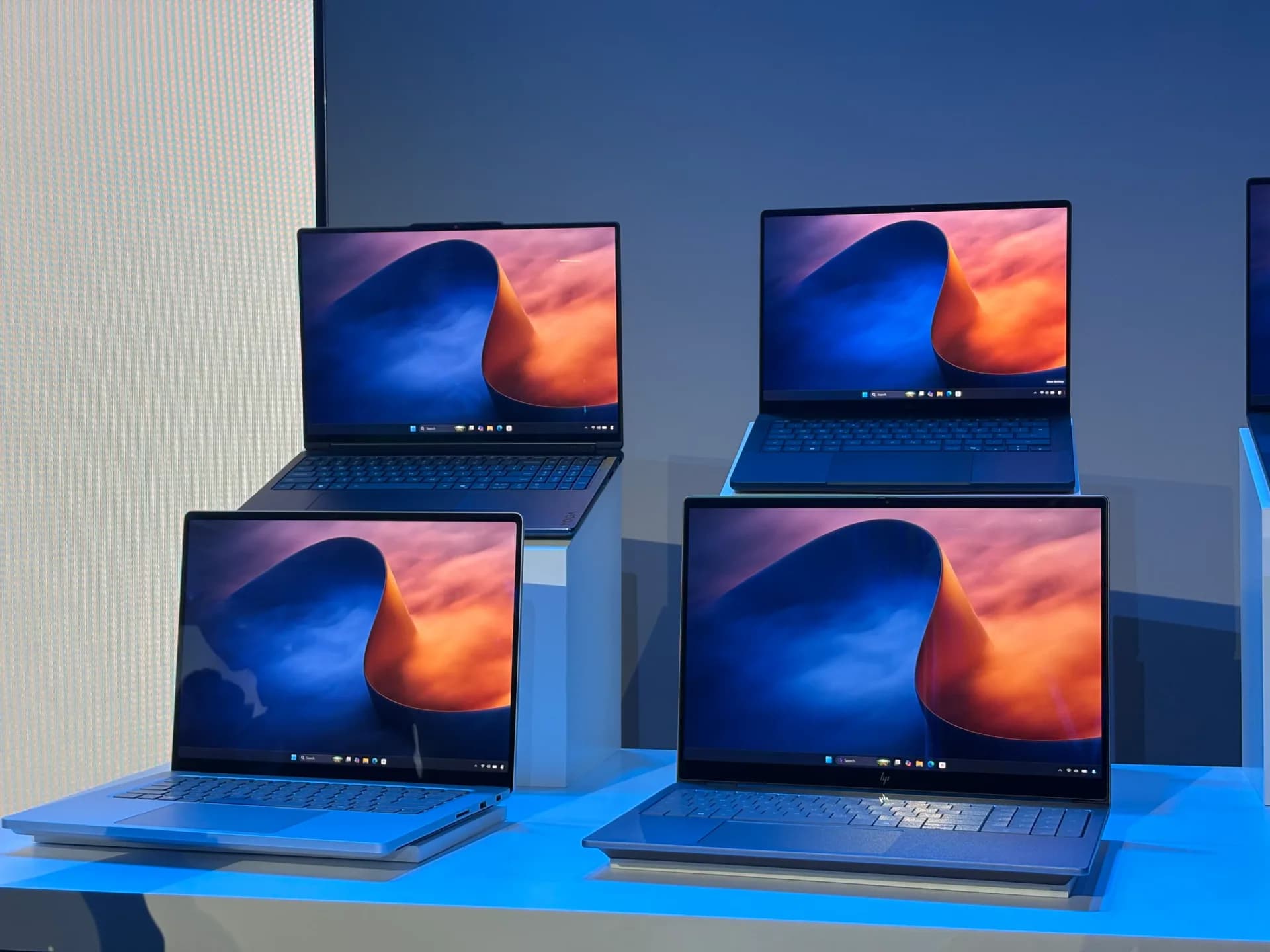
Surface Laptop Ultra launches with Nvidia RTX Spark
Microsoft has launched the Surface Laptop Ultra — a 15-inch Windows laptop built with Nvidia’s new RTX Spark platform, and priced from $2,600 in the US. Preorders opened Wednesday, October 7; shipping starts Friday, October 16.
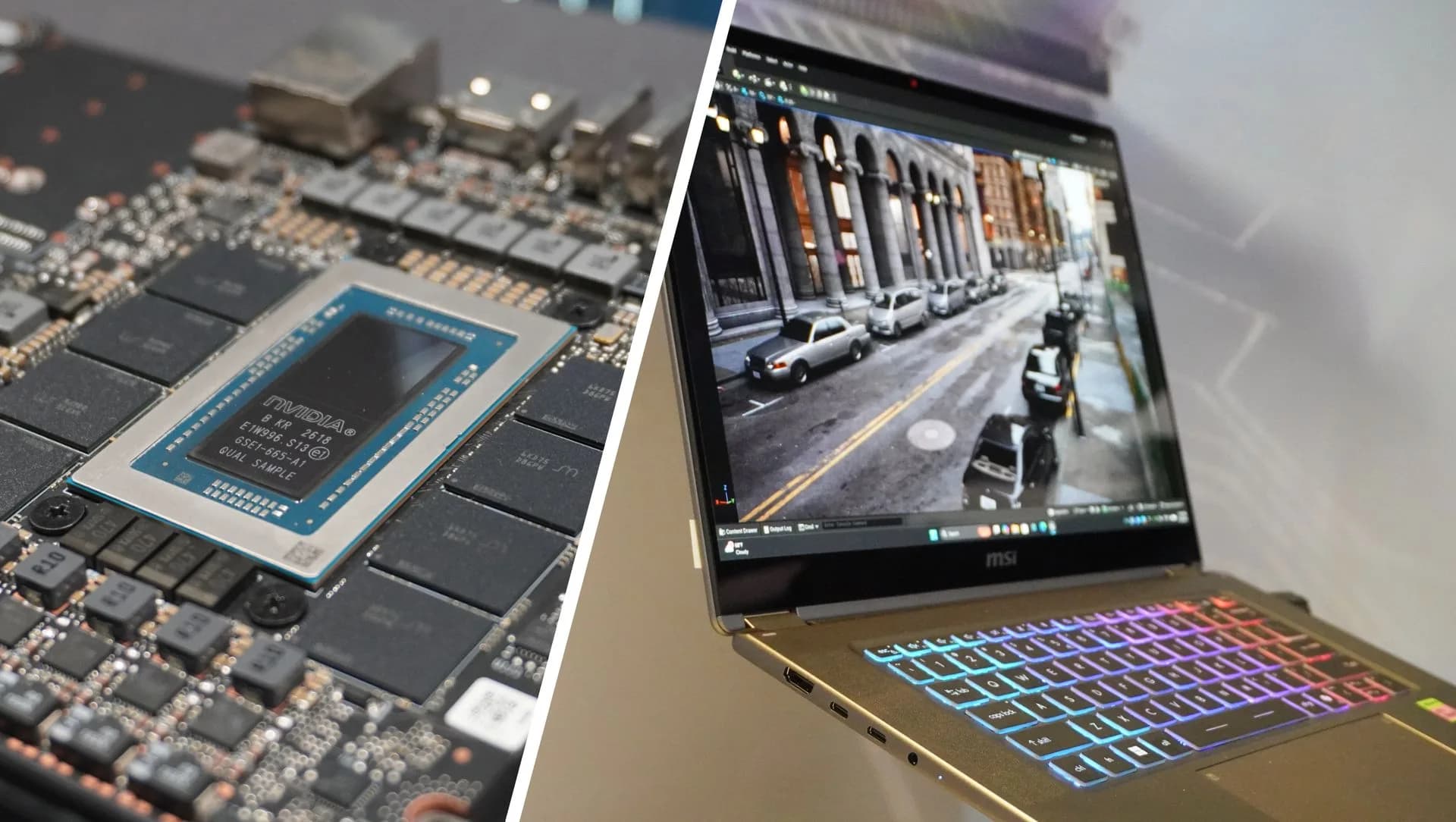
Nvidia RTX Spark laptop: same performance on battery as on AC
Nvidia RTX Spark laptops are shipping now — and they’re the first Windows PCs built on Arm that promise identical performance whether plugged in or running on battery.
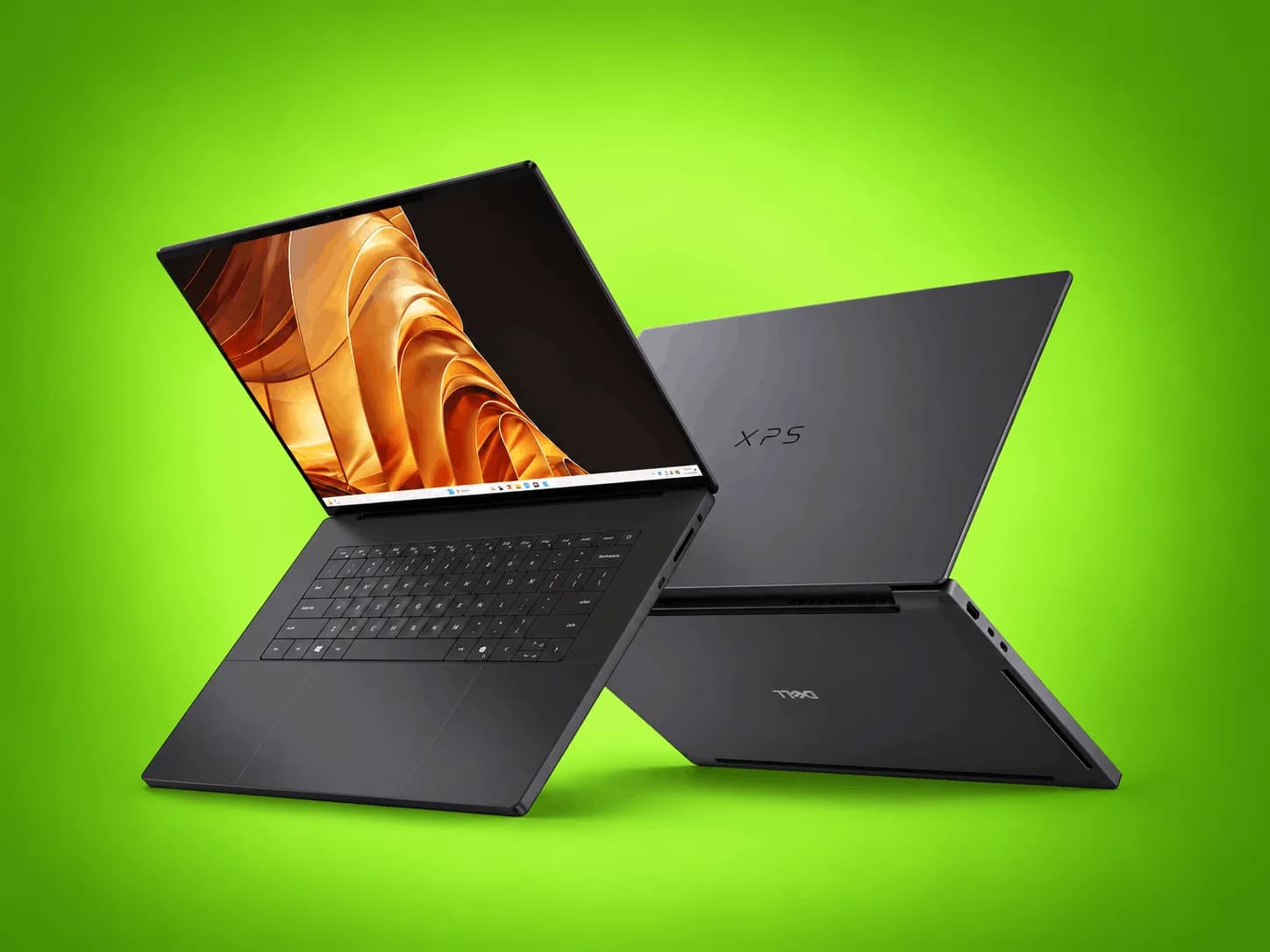
Dell XPS 16 Creator Edition with Nvidia RTX Spark N1X chip up for pre-order at $3,799.99
Dell XPS 16 Creator Edition with Nvidia RTX Spark N1X chip is now up for pre-order at $3,799.99 in the US — same price as the leaked listing from last week, and $1,000 more than the Asus ProArt P16’s $2,799.99 starting point. It ships October 16.
Be the first to comment
Join the argument. No password, just your email or a passkey.