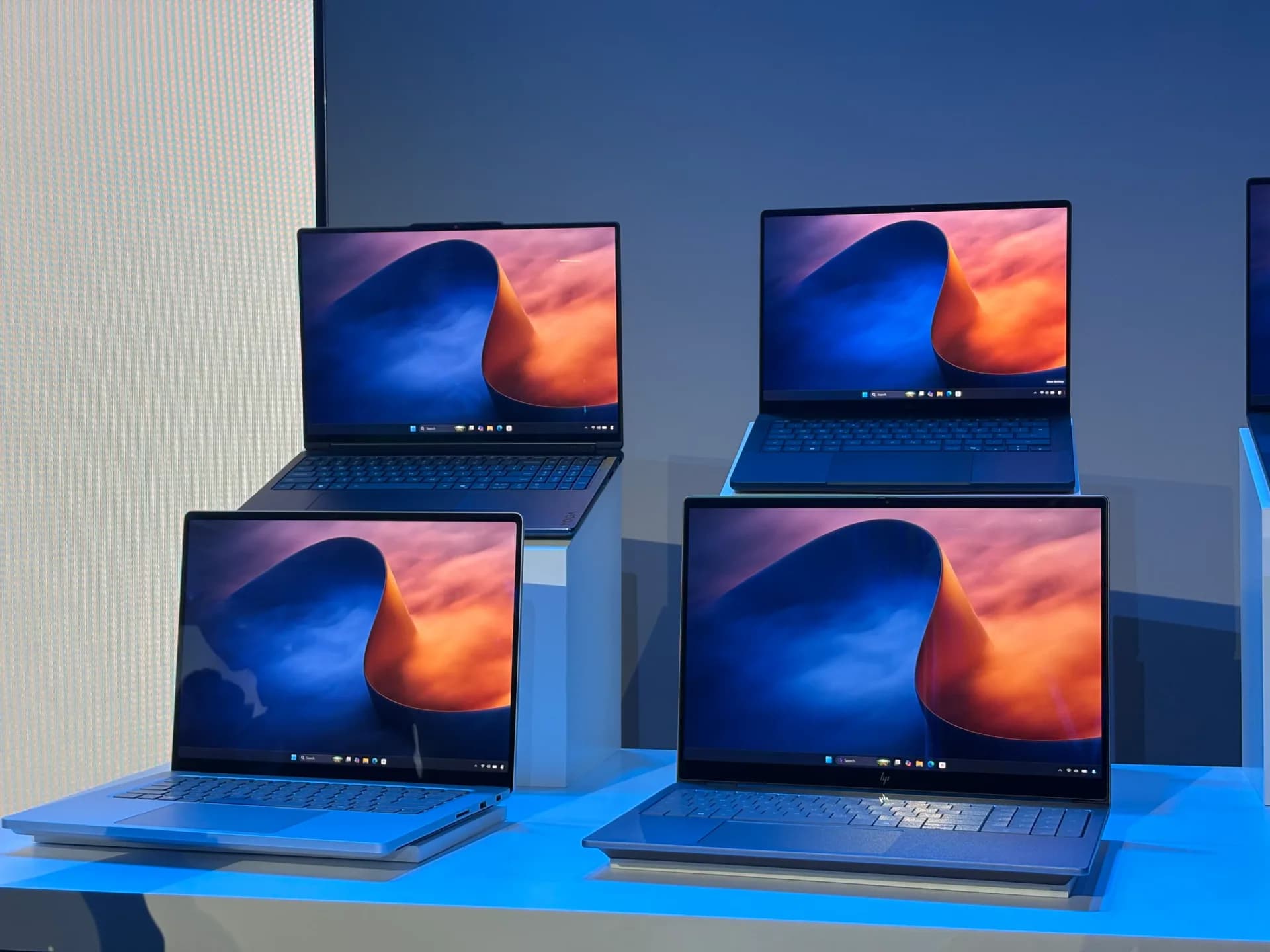
Preorders are officially live for the first wave of Nvidia RTX Spark notebooks, and the price tags confirm just how costly local machine-learning hardware has become.
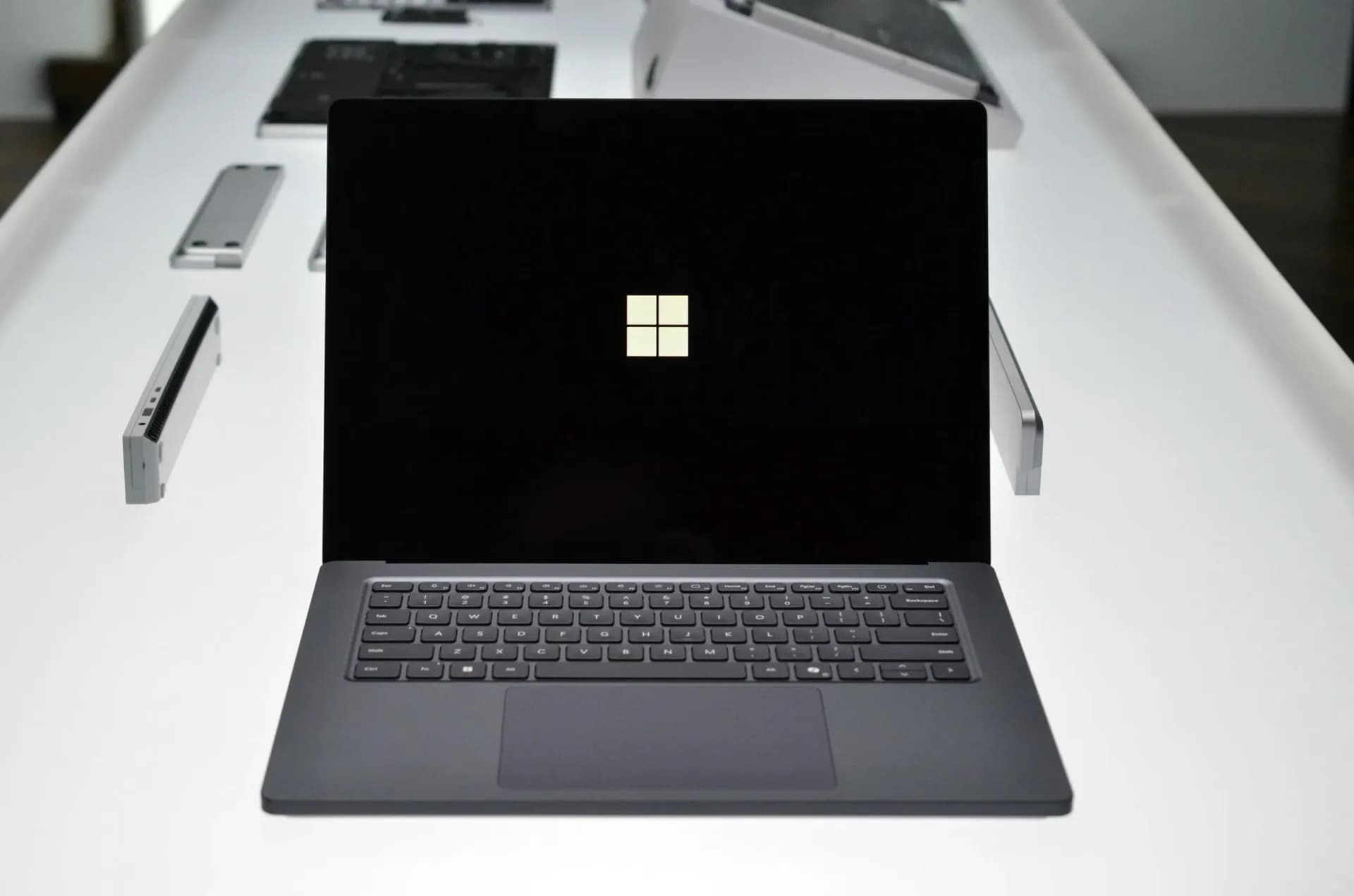
At the entry level, Microsoft's new Surface Ultra laptop begins at roughly $2,600. That base machine includes an 18-core Nvidia N1X processor paired with 5,120 CUDA cores, 24GB of unified memory, and a 512GB SSD. Upgrading that chassis to 64GB pushes the price to $4,300.
Buyers looking at Asus face even steeper sums. The Asus ProArt P16 starts at $4,500 for a 64GB trim, while a maxed-out edition with 128GB of unified memory and a 2TB SSD demands $7,000.
The hardware foundation here is Nvidia's N1X silicon, an Arm-based system-on-chip offered in two configurations. Beyond the 18-core variant, vendors can equip a 20-core chip that features 6,144 CUDA cores. Because the platform relies on unified LPDDR5x memory shared directly between CPU and graphics tasks, every gigabyte is soldered down. There is no upgrading it after purchase.
That creates an awkward value equation at the bottom end. A 24GB shared pool leaves relatively slim margins once system tasks, graphics buffers, and local AI parameters divide up the space. For comparison, traditional x86 laptops equipped with an Nvidia RTX 5070 Ti and 16GB of system RAM sit roughly $1,000 cheaper than the entry Surface Ultra. At the top end, the gap narrows against premium rigs. A Razer Blade 16 configured with an RTX 5080 and 64GB of RAM runs $4,700, making the 64GB Spark options look slightly less detached from current high-end rates.
While pitched primarily at developers running local AI weights, the platform is expected to match discrete RTX 5070 performance in games. Lower thermal budgets and unified memory bandwidth impose limits, but the silicon is expected to hold identical performance whether tethered to a wall outlet or running on battery power.
Software support is shifting alongside the hardware. Microsoft is discarding the separate "On Arm" branding for Windows, relying on emulation to bridge application gaps while rolling out a Hybrid Intelligence toggle designed to shift cloud AI workloads onto local hardware.
Those wanting one of the early systems can place preorders now through retail channels, with hardware configurations scaling up to that $7,000 ceiling.
CDFiled by The Computing Desk
Laptops, desktops, processors, graphics cards and the operating systems that run on them.
More from this desk →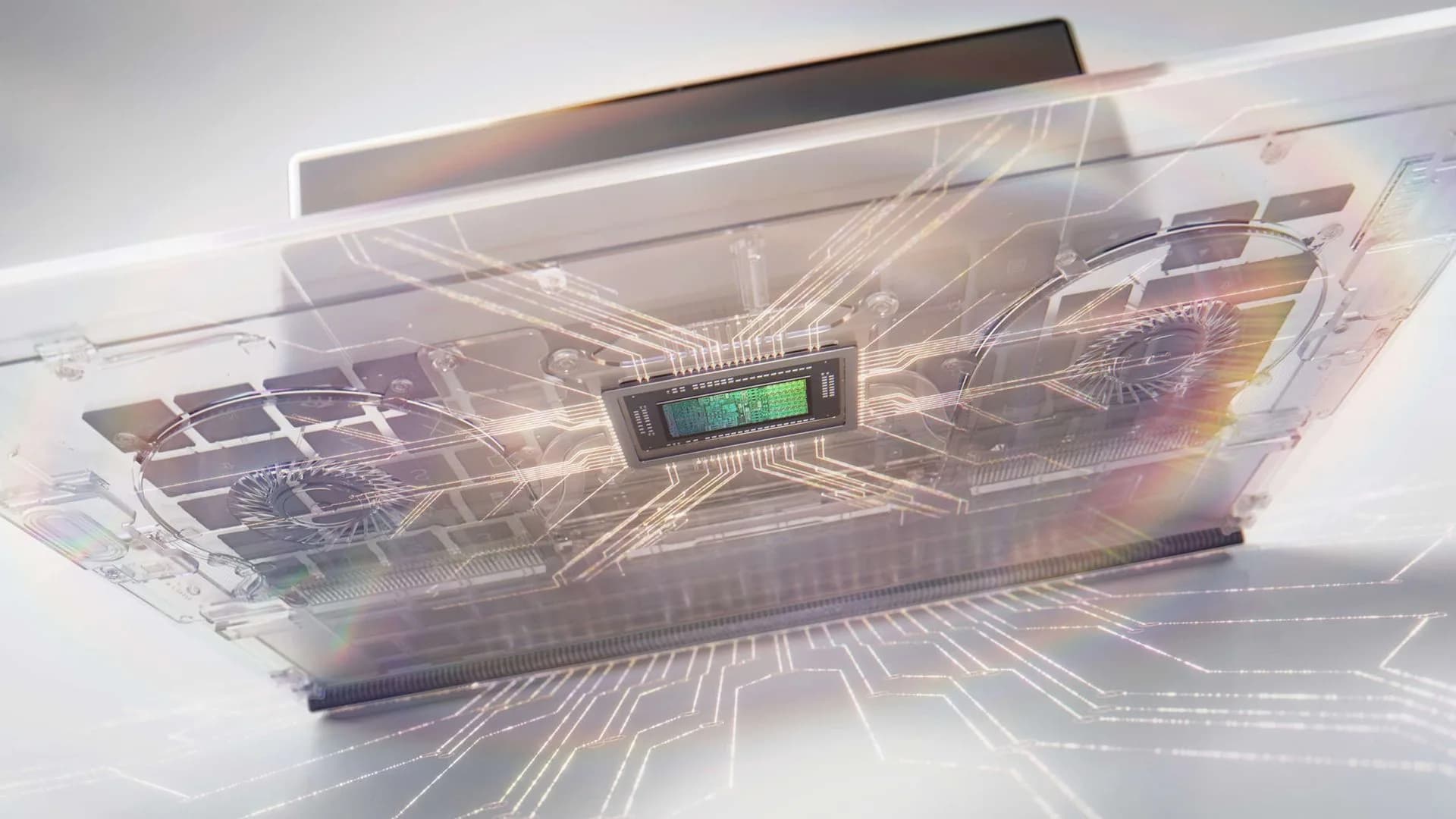
Be the first to comment
Join the argument. No password, just your email or a passkey.