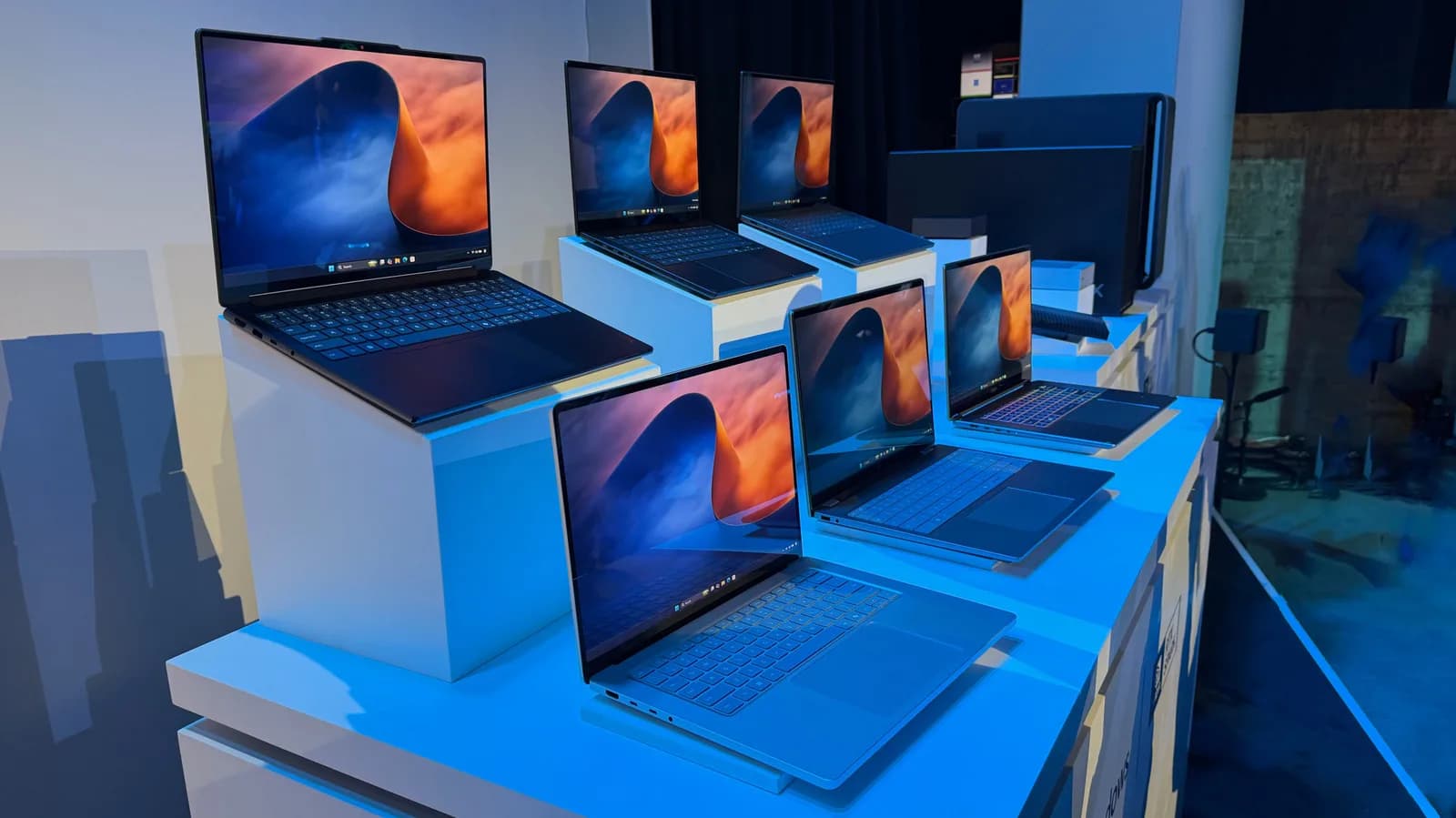
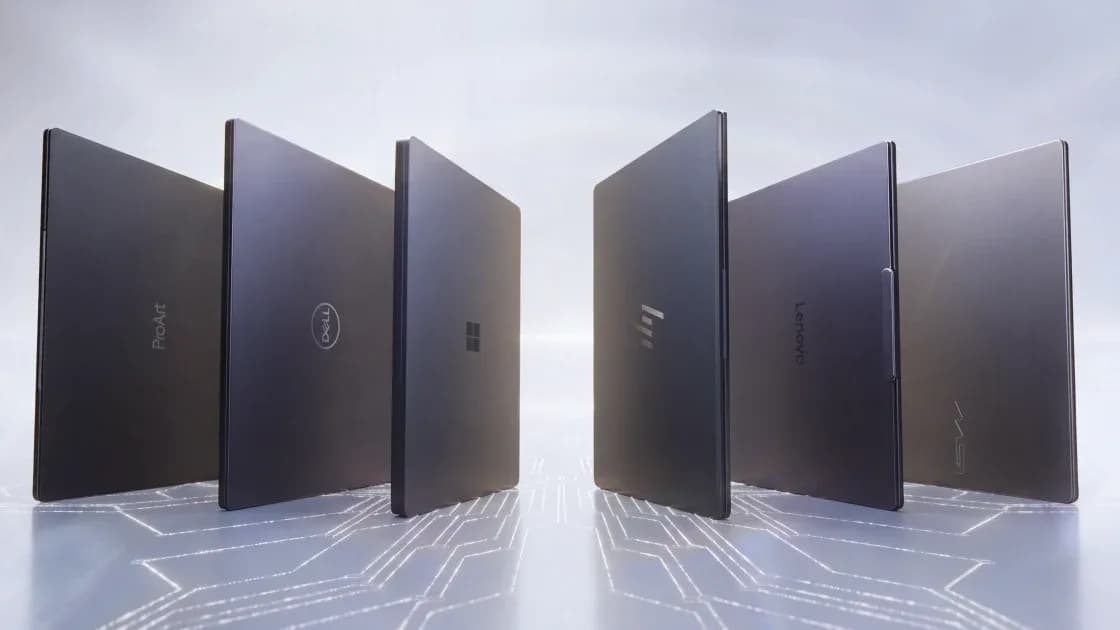
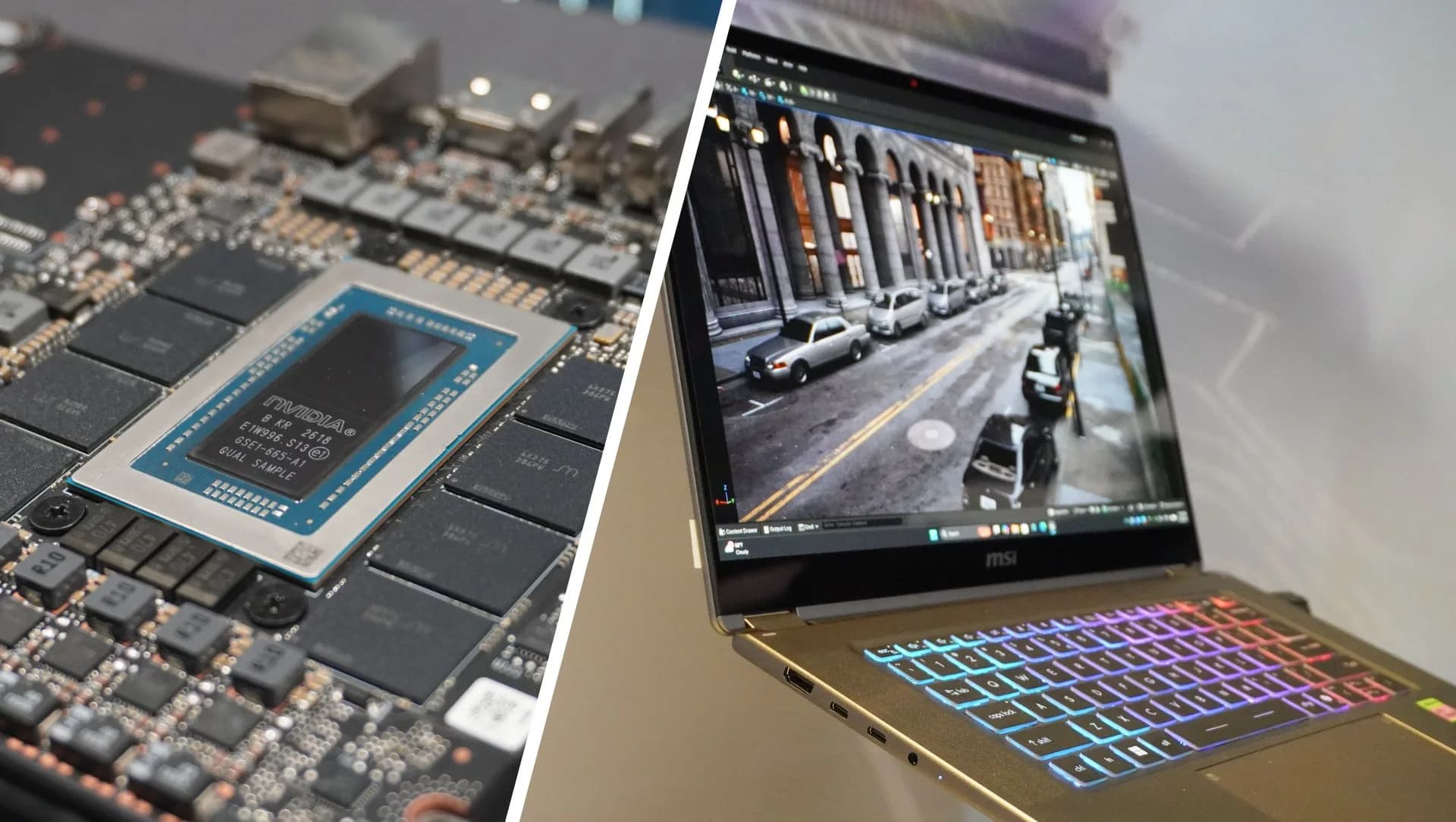
Nvidia's RTX Spark laptops run on Arm chips instead of the x86 silicon that has powered Windows gaming machines for decades, and that switch is causing exactly the kind of friction anti-cheat software is known for.
A reviewer at XDA Developers put nine of the most common kernel-level anti-cheat systems through their paces on an RTX Spark device this week. Five worked without real trouble. Counter-Strike 2 and Roblox, which lean on user-mode anti-cheat, loaded the same way they would on any x86 PC. Marvel Rivals took a bit longer because it had to cache shaders for the new hardware, but it got there. Destiny 2 needed a second launch attempt before its BattlEye driver stuck, which the reviewer noted might just be normal BattlEye behavior rather than an Arm-specific quirk.
The other four did not go as well. Call of Duty: Warzone crashed on launch with a generic error code. Valorant installed but would not load Riot's Vanguard driver. Battlefield 6 and Delta Force both threw up pop-ups saying the current hardware was unsupported and to switch to an x86 processor.
Why kernel-mode anti-cheat is the holdup
The issue isn't Windows on Arm itself. Nvidia's RTX Spark laptops run x86 code through a translation layer called Prism, and according to the testing, every single-player game tried ran through it without a hitch. Multiplayer titles are different because kernel-mode anti-cheat needs a native ARM64 driver to even load. Windows won't let a virtualized CPU run those drivers at all, since that's precisely the kind of workaround cheaters use to inject code.
Fixing that takes more than Nvidia flipping a switch. It needs the game's publisher, the anti-cheat vendor and the operating system all shipping compatible pieces at once. Nvidia's own launch materials for RTX Spark list BattlEye, EA Javelin, Easy Anti-Cheat, Riot's Vanguard, Activision's RICOCHET and Tencent's Anti-Cheat Expert as partners working toward Arm support, which covers every anti-cheat that failed in this round of testing.
The catch is timing. PUBG, which also runs on BattlEye, isn't expected to get RTX Spark support until early 2027 because the developer hasn't finished its side of the work. Other fixes, the reporting suggests, may roll out game by game rather than all at once across a publisher's catalog. And so far Nvidia has only committed to supporting RTX Spark specifically, leaving the broader question of other Snapdragon-powered Windows laptops unanswered.
In the meantime, there's a workaround that isn't really a fix. GeForce Now, Nvidia's own cloud gaming service, can run most of the affected titles except Riot's games by offloading the computing to remote servers instead of the laptop's local Arm chip. It's not being pitched as a long-term answer for competitive shooters, but it's there to plug the gap until the anti-cheat vendors and publishers catch up.
For now, anyone buying an RTX Spark laptop expecting to play Valorant or Call of Duty day one will need to wait. Whether that wait ends in weeks or stretches into next year depends on partners outside Nvidia's direct control, and none of them have given a firm date.
CDFiled by The Computing Desk
Laptops, desktops, processors, graphics cards and the operating systems that run on them.
More from this desk →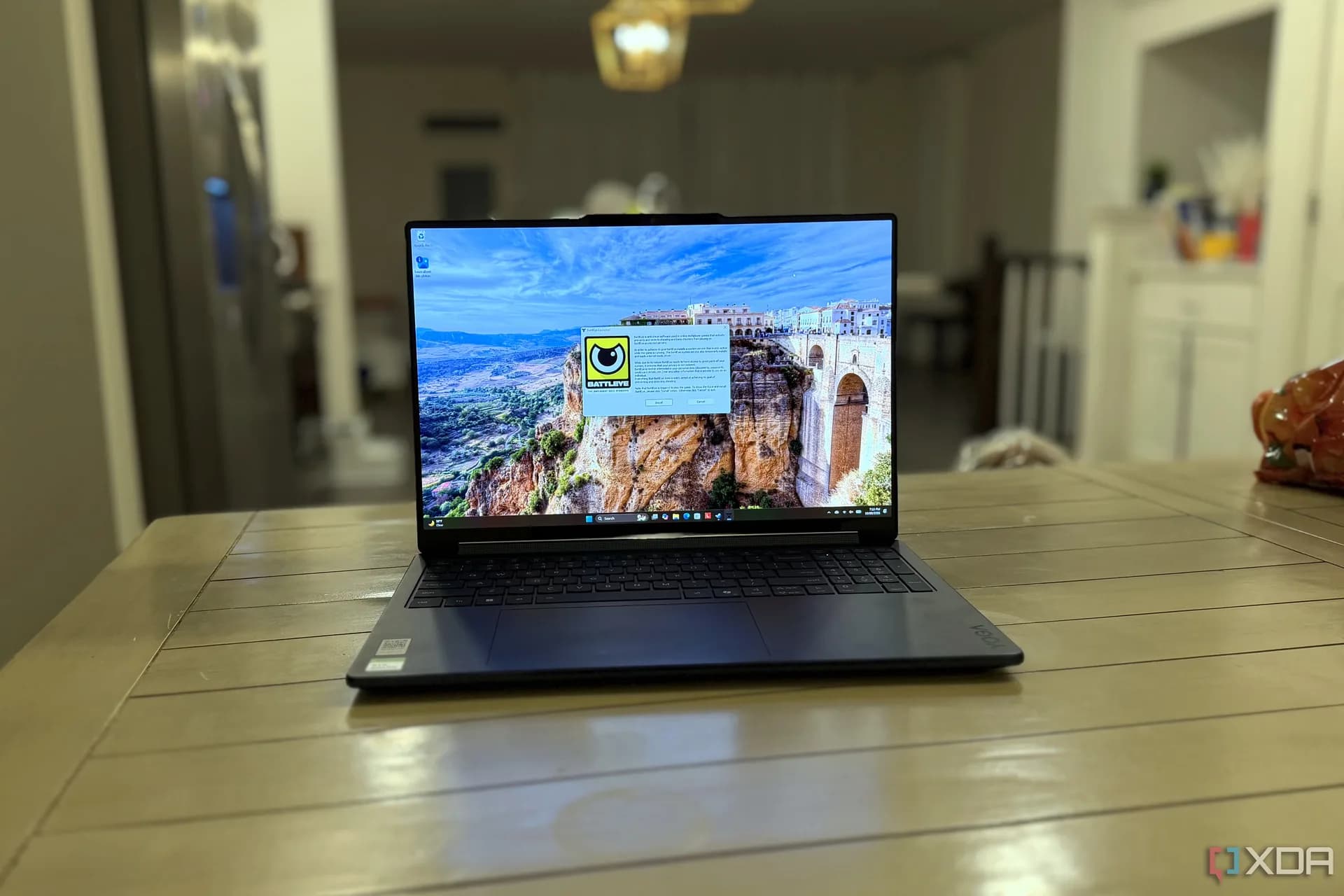
Be the first to comment
Join the argument. No password, just your email or a passkey.