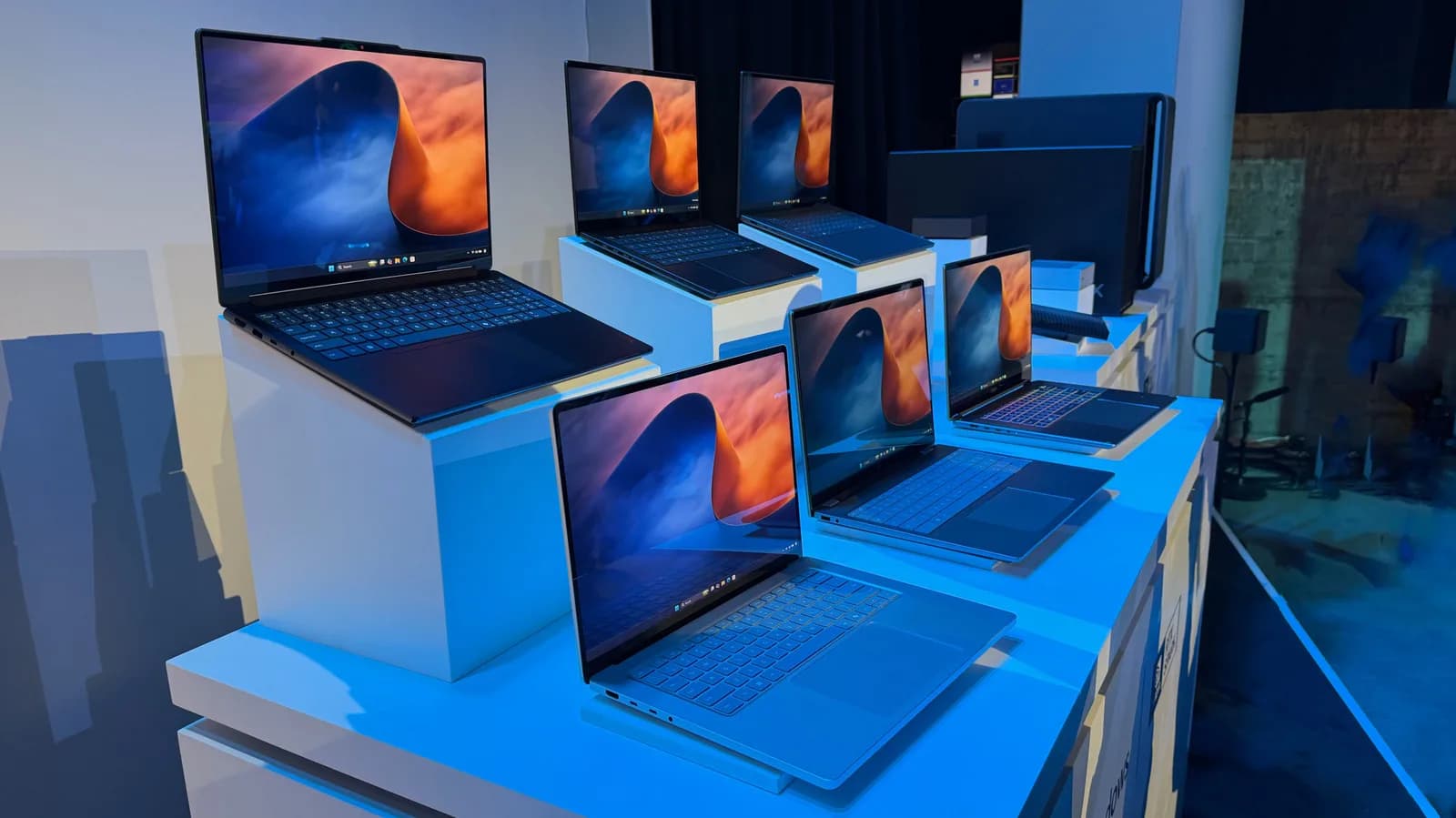
NVIDIA’s RTX Spark N1X chip is official — and it’s shipping in Windows laptops this fall. The first device, Microsoft’s Surface Laptop Ultra, launches Thursday, October 17, priced at $2,499 in the US and ₹2,19,999 in India. Asus follows with the ProArt P16 on November 5, starting at $2,299 and ₹1,99,999. Both run Windows 11 on Arm, powered by the new SoC: up to 20 Grace Arm CPU cores (10P + 10E), a Blackwell GPU with up to 6,144 CUDA cores, and up to 128GB of unified LPDDR5x memory at 9,400 Mbps. A lower-tier variant offers 18 CPU cores and 5,120 GPU cores. NVIDIA says RTX Spark systems match RTX 5070 laptop performance while drawing less power, specifically, twice the efficiency at 60W gaming loads compared to an Intel Core Ultra 9 285H + RTX 5070 combo. That efficiency translates to sustained 1440p gaming on battery: Engadget ran Gears of War: E-Day at high settings with no visible frame drops on the Surface Laptop Ultra unplugged. It also means AI developers can load massive models like Qwen3.8-Flash-Next (125B parameters) locally. No cloud tokens required. Adobe is re-architecting Photoshop and Premiere for RTX Spark, and Microsoft is baking deeper support for on-device agents like OpenClaw and GitHub Copilot into Windows 11. But compatibility isn’t universal. RTX Spark relies on Microsoft’s Prism x86 emulator. Launch titles confirmed include Control Resonant, NBA 2K27, World of Warcraft: Forever, and Gears of War: E-Day. NVIDIA says it’s working with anti-cheat providers, a longstanding blocker for Arm-based multiplayer games. Notebookcheck has already tested the Asus ProArt P16 with synthetic benchmarks and creator workloads. Full results go live November 5. RTX Spark isn’t just another GPU upgrade. It’s NVIDIA’s first full SoC for Windows laptops. And the first serious Arm-based challenge to Apple Silicon’s six-year lead in unified-memory efficiency. The question isn’t whether it works. It’s whether Windows users will trust Arm for their primary creative or AI rig. Pre-orders open Thursday.
NVIDIA RTX Spark N1X launches: Surface Laptop Ultra and Asus ProArt P16 arrive this week
The RTX Spark N1X is here — and it’s in the Surface Laptop Ultra ($2,499) and Asus ProArt P16 ($2,299) this week.
The Computing Desk · (2 hours ago)
Reported from
How this story was made
Written by the Hitechreports desk from the reporting credited above, with facts attributed to their original publishers. We do not test devices ourselves; anything about performance, battery life or cameras comes from the outlets that did. Prices are as reported at the time of writing. Editorial policy · Report an error
Filed by The Computing Desk
Laptops, desktops, processors, graphics cards and the operating systems that run on them.
More from this desk →Read next
More Laptops & PCs →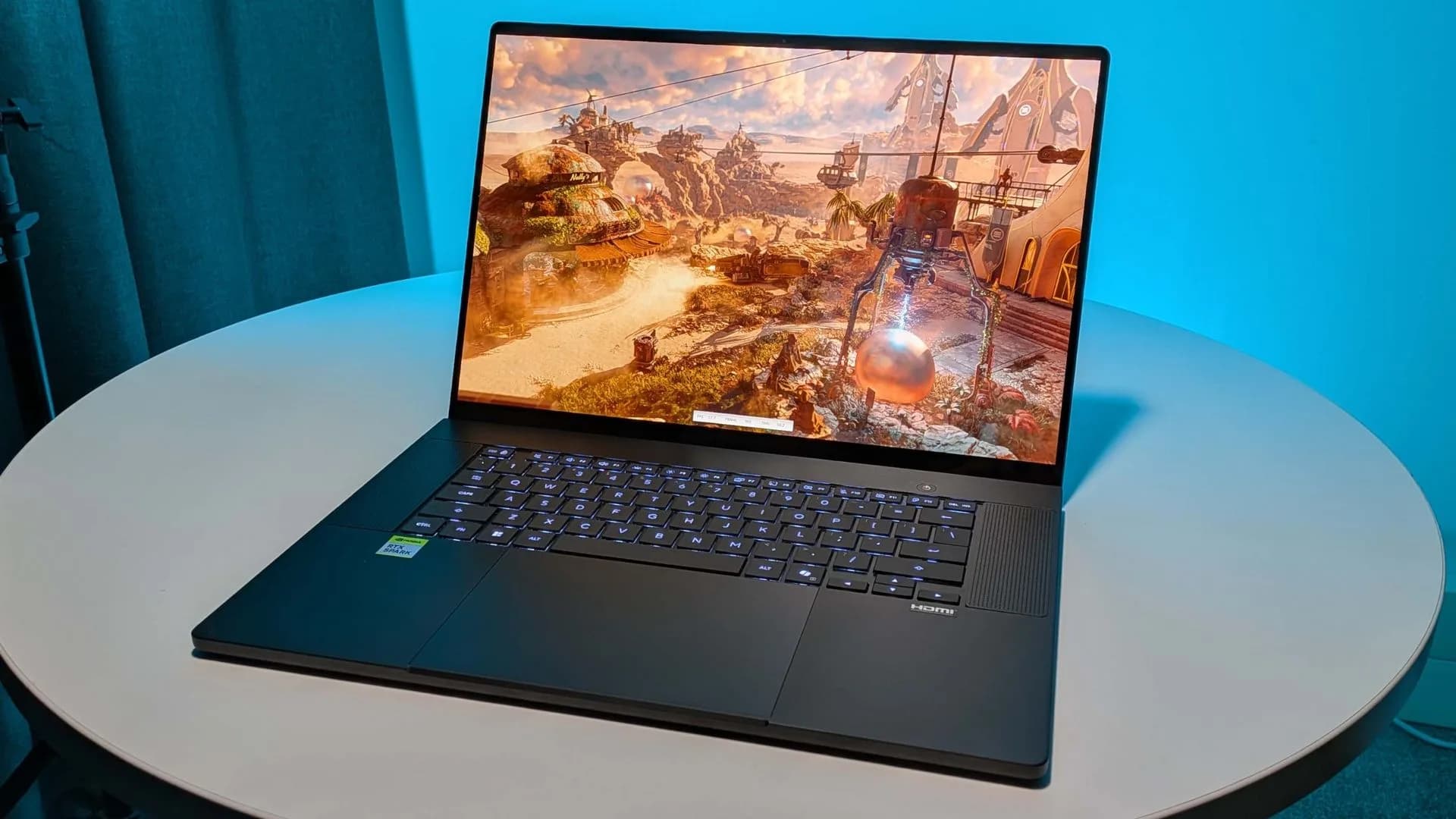
RTX Spark N1X launches in Asus ProArt P16: $2,700 Arm-based Windows laptop arrives this week
Nvidia’s RTX Spark N1X SoC is real—and it’s shipping in the Asus ProArt P16 this week, starting at $2,700.
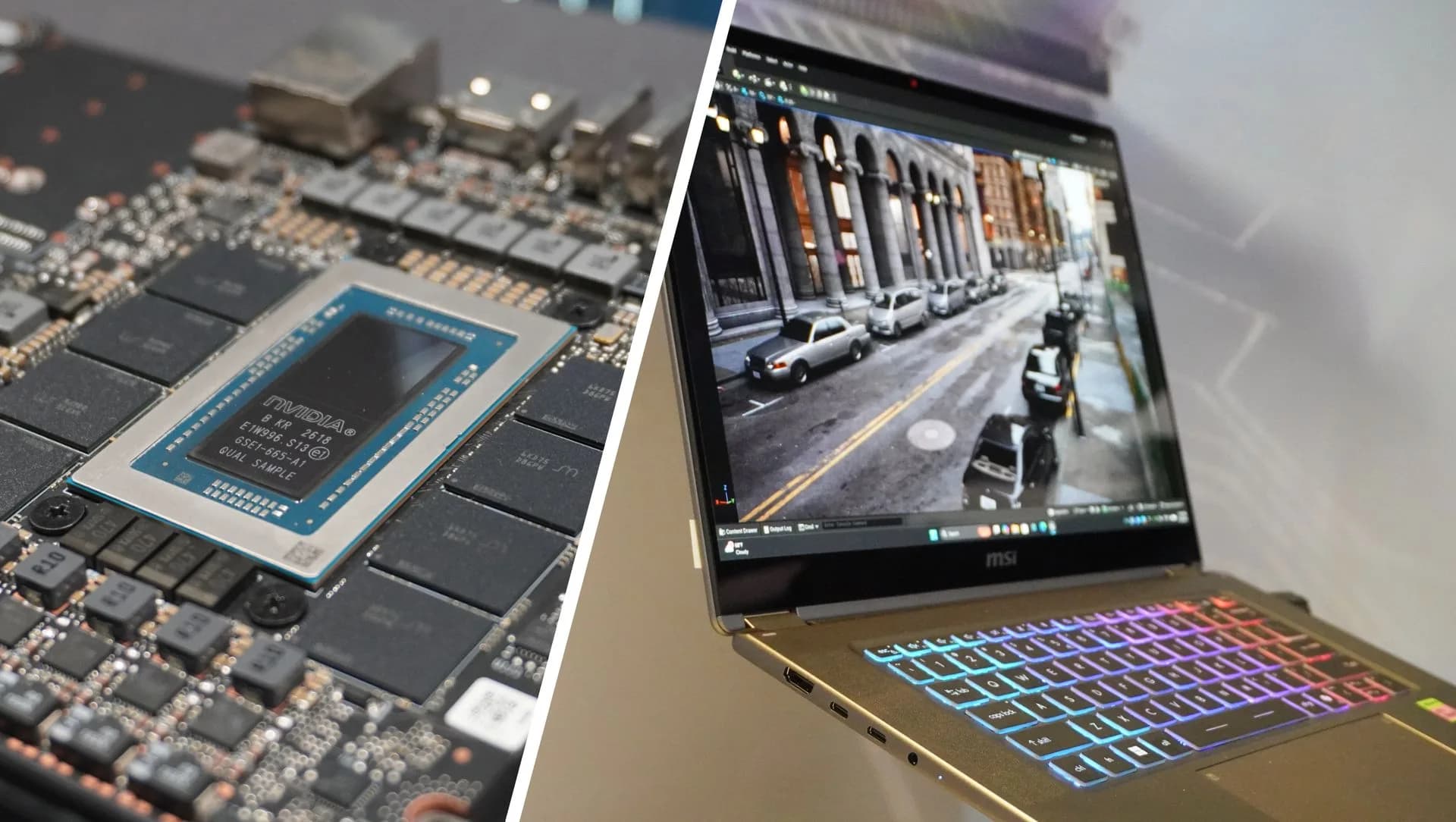
Nvidia RTX Spark laptop: same performance on battery as on AC
Nvidia RTX Spark laptops are shipping now — and they’re the first Windows PCs built on Arm that promise identical performance whether plugged in or running on battery.
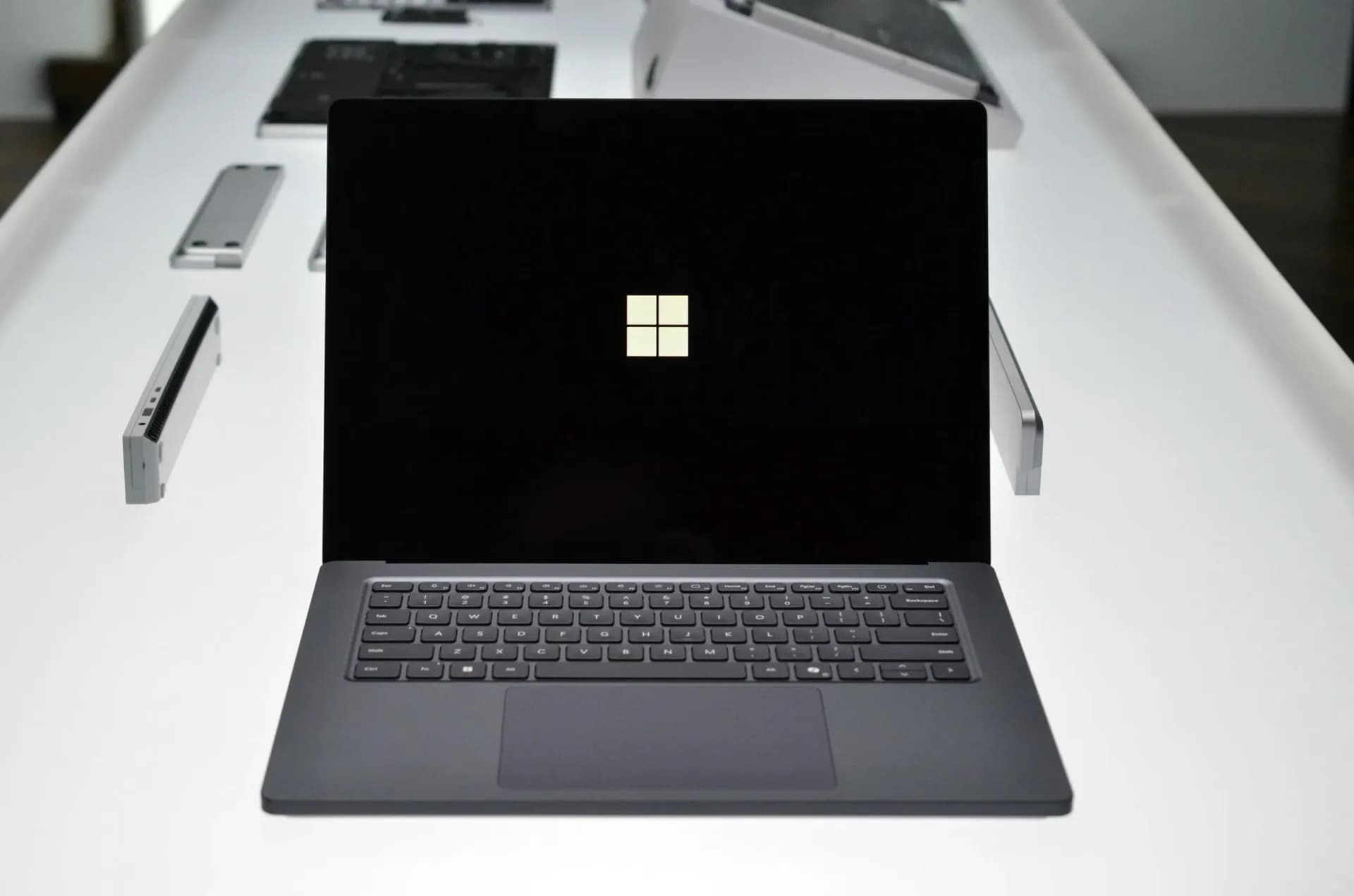
RTX Spark laptops best buy: $2,599 start, $6,999.99 top, October 16 launch
The first RTX Spark laptops launch October 16 — starting at $2,599, topping out at $6,999.99 for the Asus ProArt P16 with 128GB of unified memory and 2TB storage.
Be the first to comment
Join the argument. No password, just your email or a passkey.