Nvidia's RTX Spark N1X processor has started showing up inside a wave of high-end Windows laptops, and the first extended impressions are in. The Verge's Antonio Di Benedetto, Sean Hollister and Tom Warren spent roughly a week with five different machines built around the chip, and their early notes paint a picture of a capable but expensive new entrant into the Arm laptop race that Qualcomm has mostly had to itself.
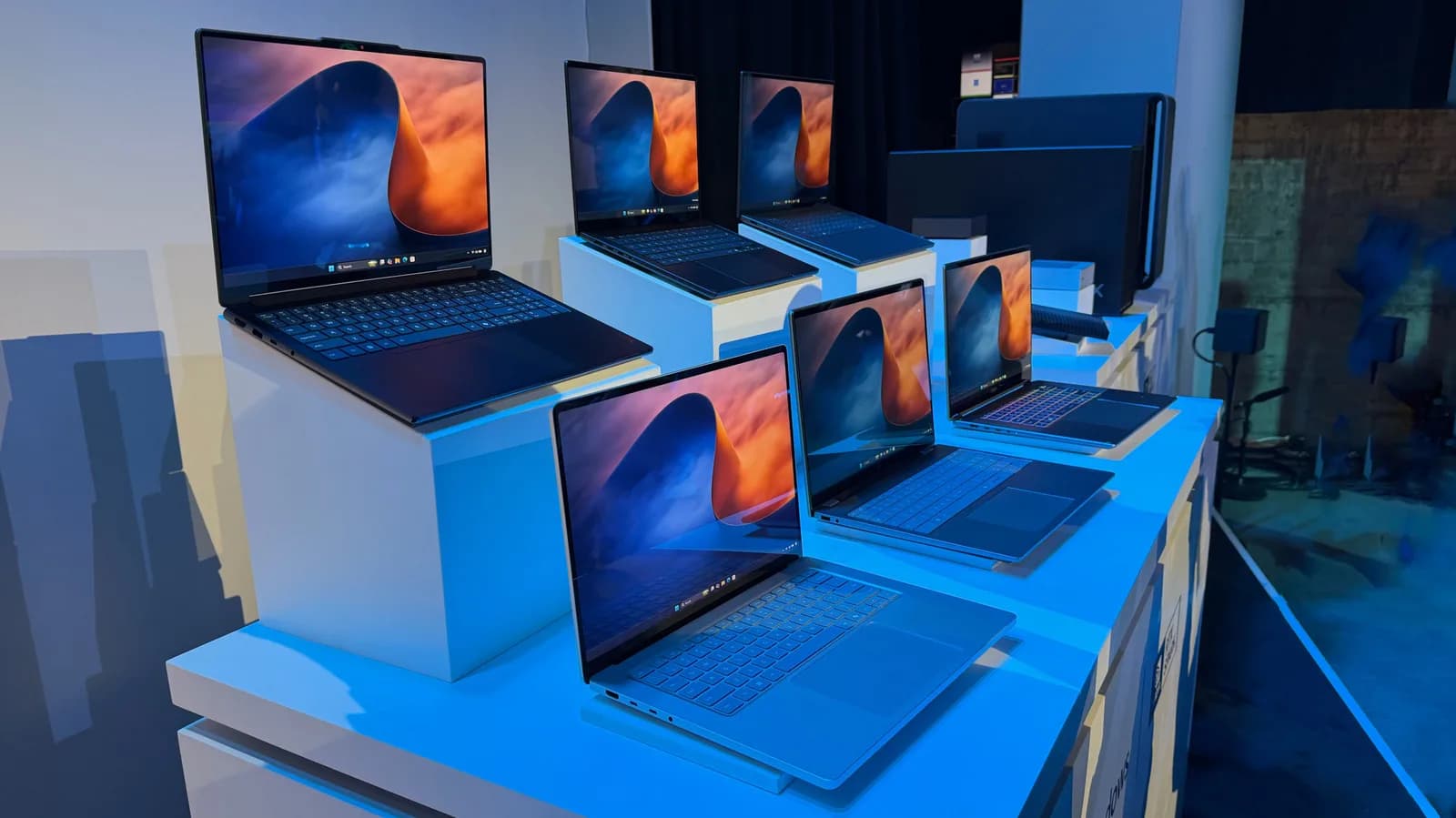
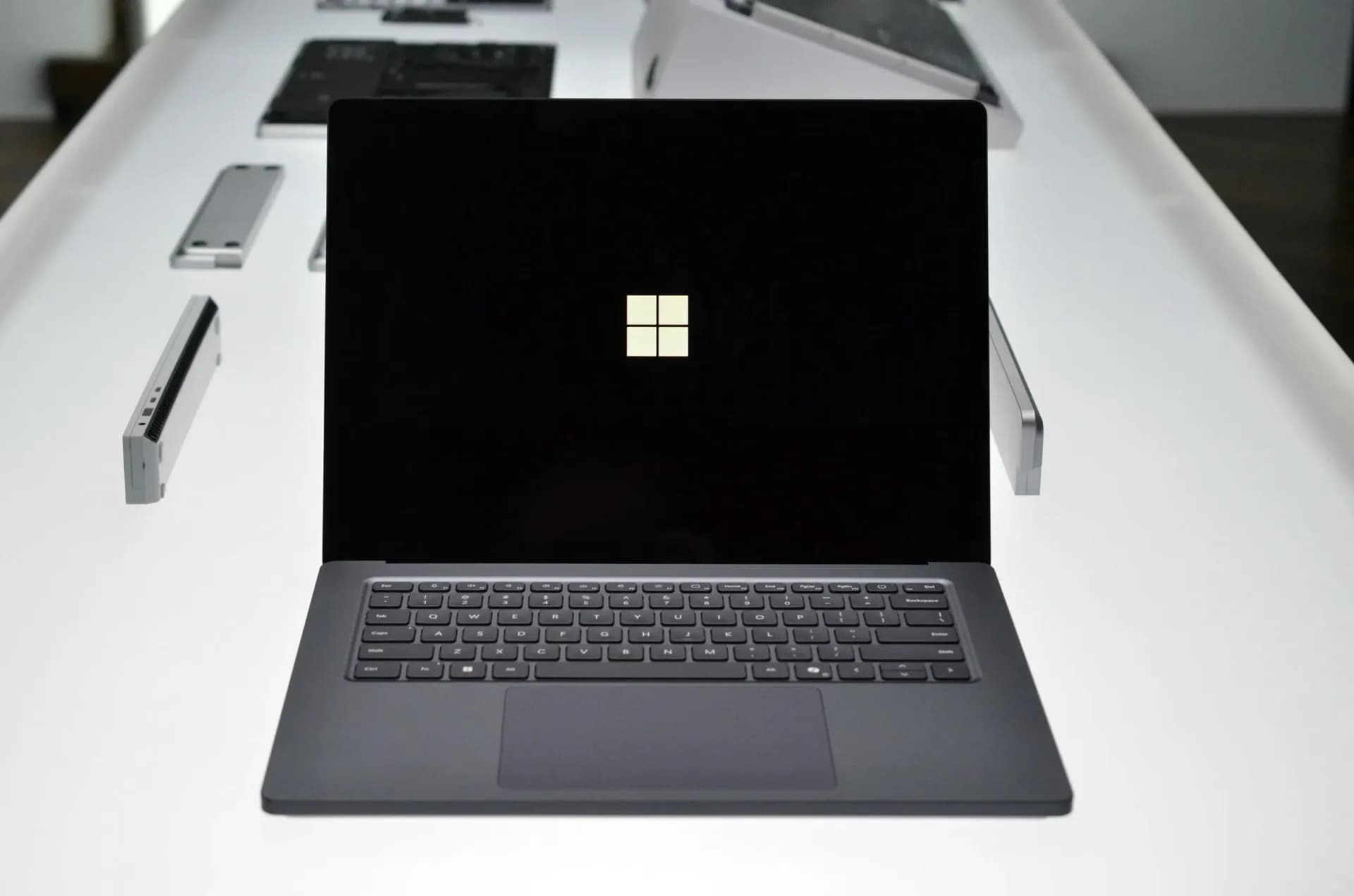
The lineup includes Microsoft's Surface Laptop Ultra with 128GB of unified memory, which Warren reviewed separately, alongside a 64GB Asus ProArt P16 that Hollister used and a 128GB top-spec version of the same laptop that Di Benedetto tested. Di Benedetto also had a 64GB Lenovo Yoga 9n 2-in-1 and a 32GB HP OmniBook Ultra running at the same time.
Same chip, very different prices
Every one of those machines uses the same N1X silicon, with 20 CPU cores and 6,144 GPU CUDA cores, but the laptops carrying it range from $3,199.99 for the HP OmniBook Ultra to $6,999.99 for the Asus ProArt P16. Nvidia also offers a cut-down 18-core, 5,120-CUDA-core version of the chip that brings the entry price down to $2,599.99, available in a smaller Surface Laptop Ultra or the Asus ProArt P14 with 24GB of RAM. None of these are budget machines, and The Verge's team frames them squarely for developers, coders and content creators rather than everyday buyers.
Windows on Arm has mostly grown up
Di Benedetto's biggest takeaway is that Windows on Arm, long a punchline for software gaps, is in much better shape now, a shift he credits largely to the groundwork Qualcomm's Snapdragon X chips forced on developers. Adobe's Photoshop and Premiere already run natively, and even an x86 holdout like Lightroom Classic worked fine for him through Microsoft's Prism emulation layer. Hollister had a similar experience running Signal, Discord, Audacity, CapCut, Evernote, Slack and other everyday apps as his daily driver, though he noted occasional slow loads, a few vanished Evernote notes after alt-tabbing, and apps ignoring his system dark mode setting.
Gaming is where the story splits
Warren, who normally games on a desktop with an RTX 5090, found medium settings at 1440p with DLSS performance mode got him to a stable 60fps in most titles. He clocked Black Myth: Wukong averaging 70fps at native 3270x2180 resolution, Cyberpunk 2077 at 66fps and Forza Horizon 6 at 57fps, all under the same medium-settings, DLSS-performance configuration.
Hollister's results were less uniform. He got smooth 60fps in Returnal, Expedition 33, Jedi Survivor and Shadow of the Tomb Raider at various upscaled or native resolutions. But Helldivers 2 struggled to hold 60fps even at a DLSS-upscaled 1080p during the game's busiest missions, and Star Wars Zero Company proved stubbornly CPU-bound, capping out between 37fps and 39fps regardless of what graphics settings or resolution he tried.
The Verge says this isn't an exhaustive, scored review of any single laptop, just a first week of impressions across the lineup. Full reviews of the individual models, including Warren's complete Surface Laptop Ultra write-up, are expected to follow as the team puts more time into AI workloads and battery life on the new chip.
RRFiled by The Reviews Roundup Desk
What the reviews are saying: verdicts on new devices from the outlets that tested them, summarised and credited to each. This desk does not test products itself.
More from this desk →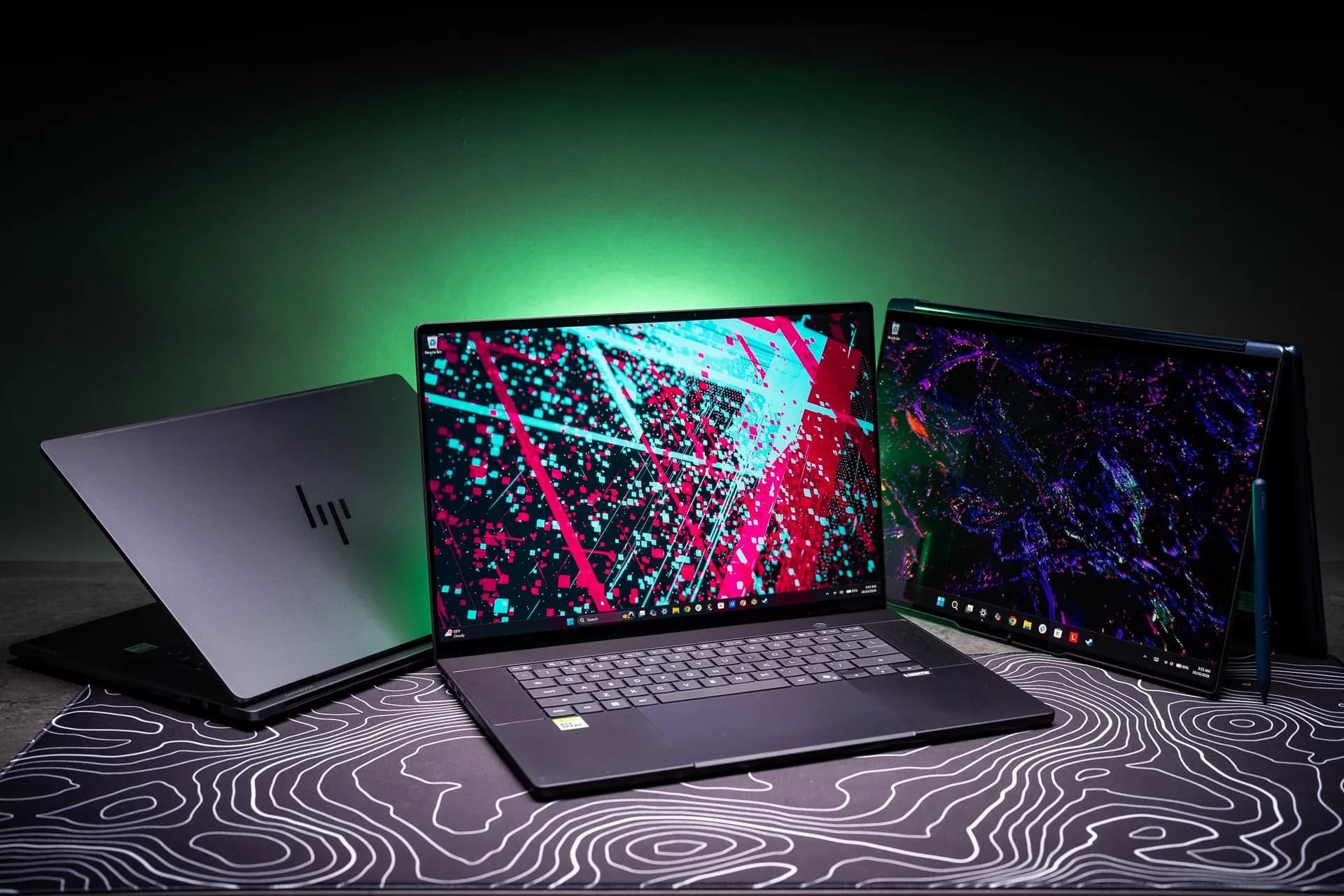

Be the first to comment
Join the argument. No password, just your email or a passkey.