The classic over-ear gaming headset is running into serious competition from in-ear monitors. Long gaming sessions often bring headband fatigue and clamped skulls, nudging players toward compact monitors originally built for stage musicians and audiophiles.
Recent evaluations by SoundGuys show that traditional audiophile IEMs are holding their own across distinct game genres, even when they lack the aggressive branding or built-in boom mics of conventional gaming gear.
Dialing in Positional Cues
For competitive first-person shooters, spatial clarity takes precedence over boomy bass. In SoundGuys' testing, the Oriveti Bleqk Dynabird proved particularly capable at sorting out layered soundscapes. Testers found they could track enemy footsteps, directional gunfire, and team chatter simultaneously, without narrative dialogue getting smothered by low-end rumble.
The Dynabird is not tuned for absolute neutrality. The outlet pointed out an overemphasis in sub-bass and a slight roll-off in higher frequencies during music playback. Yet its passive isolation blocked ambient household distractions during testing, making it a viable crossover pick for tactical shooters and casual play.
Dialogue and Cinematic Scale
Story-driven titles present entirely different acoustic demands. Narrative campaigns like Cyberpunk 2077 rely on intelligible vocal tracks rather than pinpoint enemy positioning. For those environments, SoundGuys singled out the Truthear Gate.
According to the outlet's testing, the Gate kept dialogue clear and positioned forward in the audio mix, avoiding harsh or fatiguing treble peaks. Testers wore the set for six consecutive hours without discomfort. That smooth response comes with compromises, though: the Gate delivered minimal bass impact for action set pieces and lacked the spatial accuracy needed for competitive play.
Players chasing raw cinematic punch faced another set of trade-offs with the Meze Audio Alba. SoundGuys credited the Alba with heavy, tactile low-end response and sharp highs that gave crumbling structures and explosions genuine bite. Vocal clarity remained strong despite the energetic low end.
Its acoustic presentation faltered in tactical scenarios, however. The testing revealed a compressed soundstage that felt clustered directly between the ears, causing directional cues to whip abruptly from left to right. That narrow presentation made tracking distant opponents frustrating.
The Hardware Trade-Offs
Choosing dedicated in-ears over purpose-built gaming headsets requires a few practical adjustments. Unlike gaming-specific models such as the Razer Moray, standard audio IEMs frequently omit integrated microphones. Gamers who rely on live voice chat must either supply their own aftermarket cable with an inline mic or run a standalone desk microphone.
Cable swapping remains straightforward across standard two-pin and MMCX connectors, softening the inconvenience. As more players look to ditch heavy headbands during marathon gaming runs, the broader audiophile catalog is stepping up to fill the void.
GDFiled by The Gadgets Desk
Audio, wearables, cameras, tablets, chargers and every other device worth carrying or plugging in.
More from this desk →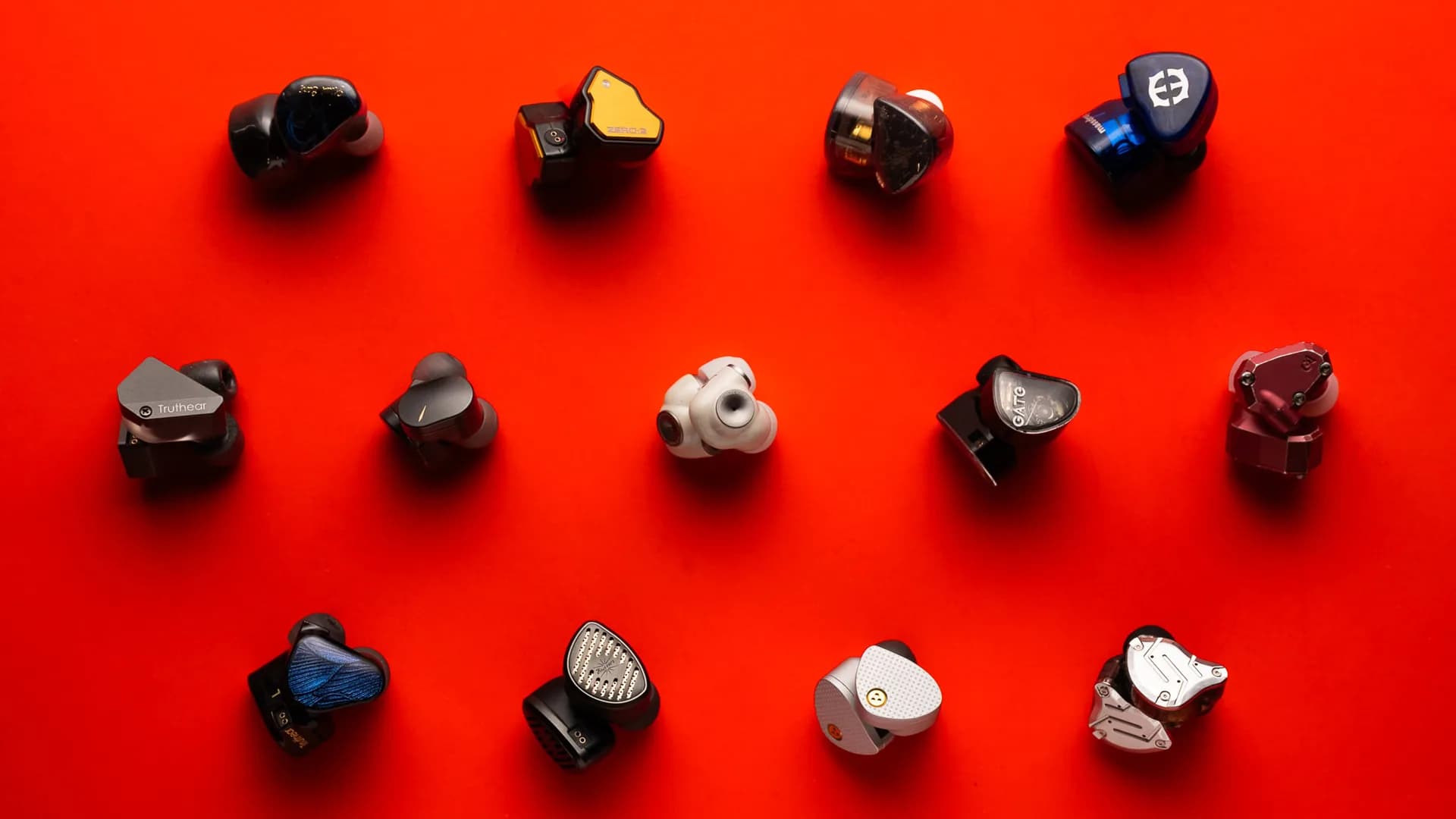
Be the first to comment
Join the argument. No password, just your email or a passkey.