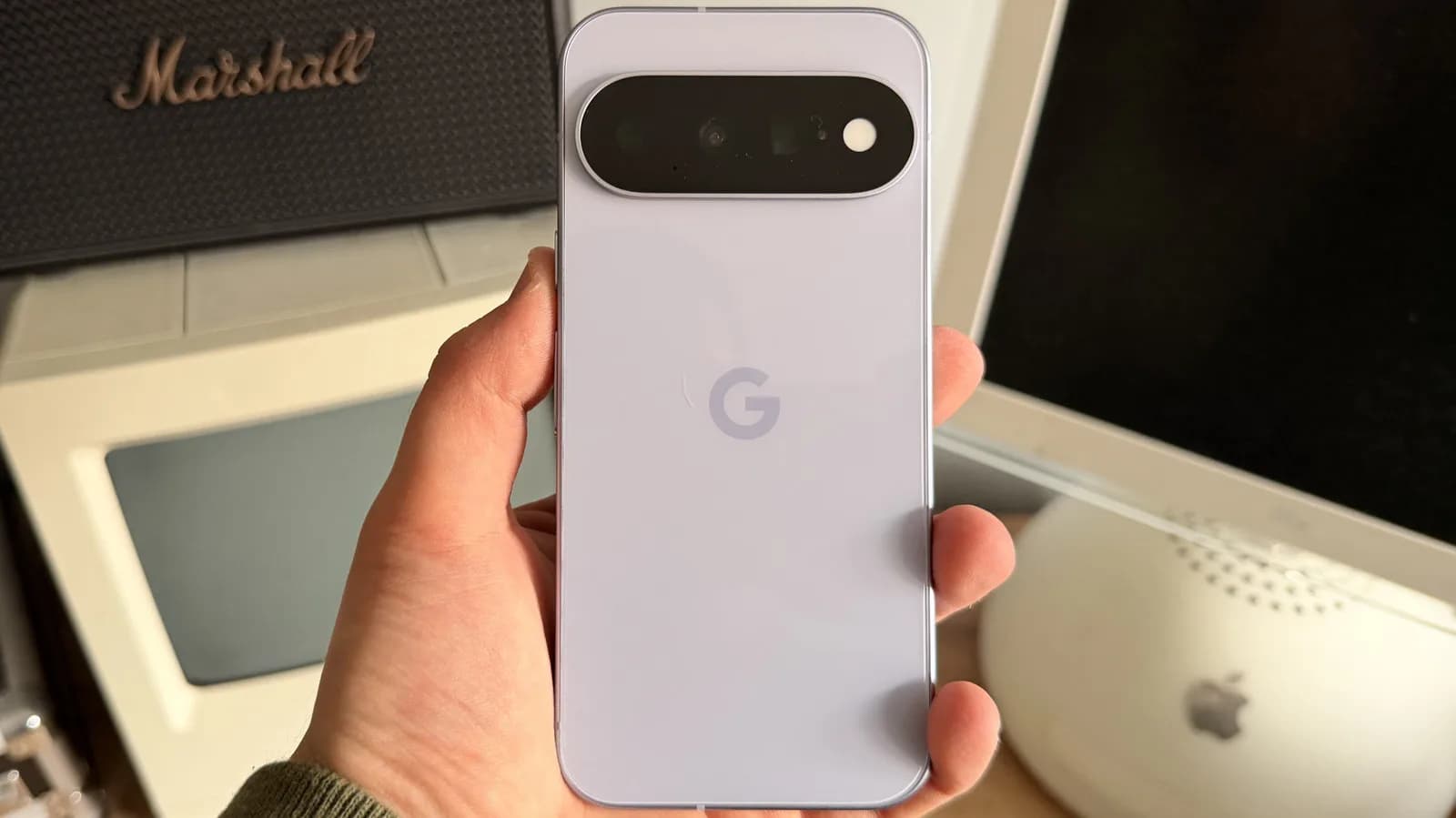
The Pixel 11 starts at $899 in the US — $100 more than the Pixel 9 and Pixel 10 launched for. In India, it’s priced at Rs 79,999. That’s the first thing to know. Not a rumour. Not a leak. Google’s official starting price for the base model, announced in mid-August 2026, reflects broader industry pressure: AI-driven demand for higher-capacity RAM has pushed costs up across Android flagships. The Pixel 11 isn’t immune. And for owners of a Pixel 9 or Pixel 10, that price hike lands hard, especially when the hardware upgrades are minimal. 12GB of RAM? Same as before. 6.3-inch display? Same resolution, same refresh rate range, same Gorilla Glass Victus 2. 4,985 mAh battery? Just 15 mAh bigger than the Pixel 10’s. Even the camera array mirrors the Pixel 10: 48MP wide, 13MP ultrawide, 10.8MP telephoto. Only the Pixel 9 lags behind. No telephoto, no Pixelsnap wireless charging, and a smaller 4,700 mAh battery. But even that phone is still under warranty, still supported, still rated for seven years of updates. So why upgrade now? There’s no performance leap. The Tensor G6 chip trails both Apple’s A19 (iPhone 17) and A20 Pro (iPhone 18 Pro), and falls short of Qualcomm’s Snapdragon 8 Elite Gen 5 in benchmarks. Brightness? Up to 3,000 nits, identical to the Pixel 10. Charging speeds? 25W Pixelsnap (up from 15W), but wired stays at 30W, same as the Pixel 10. Wi-Fi 6E and Bluetooth 6.0? Yes. But the Pixel 9 already shipped with Wi-Fi 7 and Bluetooth 5.3. Dual eSIM? New. Physical SIM slot? Gone. That’s the trade-off. The real differentiator is software: Gemini Intelligence, Rambler, Magic Capture. These launch exclusive to the Pixel 11. Google hasn’t confirmed whether they’ll trickle down, or when. So if you’re on a Pixel 9 or Pixel 10, your decision hinges on two things: battery health, and cost. Most Pixel 9 units. Launched August 2024, are approaching 750 charge cycles. Pixel 10s. Launched August 2025, sit around 400. At 1,000 cycles, battery health typically drops below 80%, triggering a warning in Settings. Until then, replacement isn’t needed. A DIY kit from iFixit costs $59.99 for the Pixel 9, $49.99 for the Pixel 10. Professional service adds labor. But even fully installed, it’s far cheaper than $899. Unless, of course, Google’s trade-in offers or limited-time discounts close that gap. For now, the math is clear: unless your Pixel 9’s battery is failing now, or you need those new AI features today, waiting makes sense. The Pixel 12 is expected in August 2027. Until then, your current Pixel isn’t obsolete, it’s just older. And that’s fine.
Pixel 11 Pro vs Pixel 10 vs Pixel 9: Why $899 Is Hard to Justify
The Pixel 11 starts at $899 — $100 more than last year’s models, with almost no hardware gains. So who actually needs to upgrade?
By Home Screen
The Home Tech Desk · (1 hour ago)
Reported from
How this story was made
Written by the Hitechreports desk from the reporting credited above, with facts attributed to their original publishers. We do not test devices ourselves; anything about performance, battery life or cameras comes from the outlets that did. Prices are as reported at the time of writing. Editorial policy · Report an error
Filed by The Home Tech Desk
TVs, home appliances and the smart home: refrigerators, washing machines, air conditioners, purifiers, robot vacuums, the sets on the wall and the platforms that connect them. Launches, prices in the US and India, and what changed.
More from this desk →Read next
More Smart Home →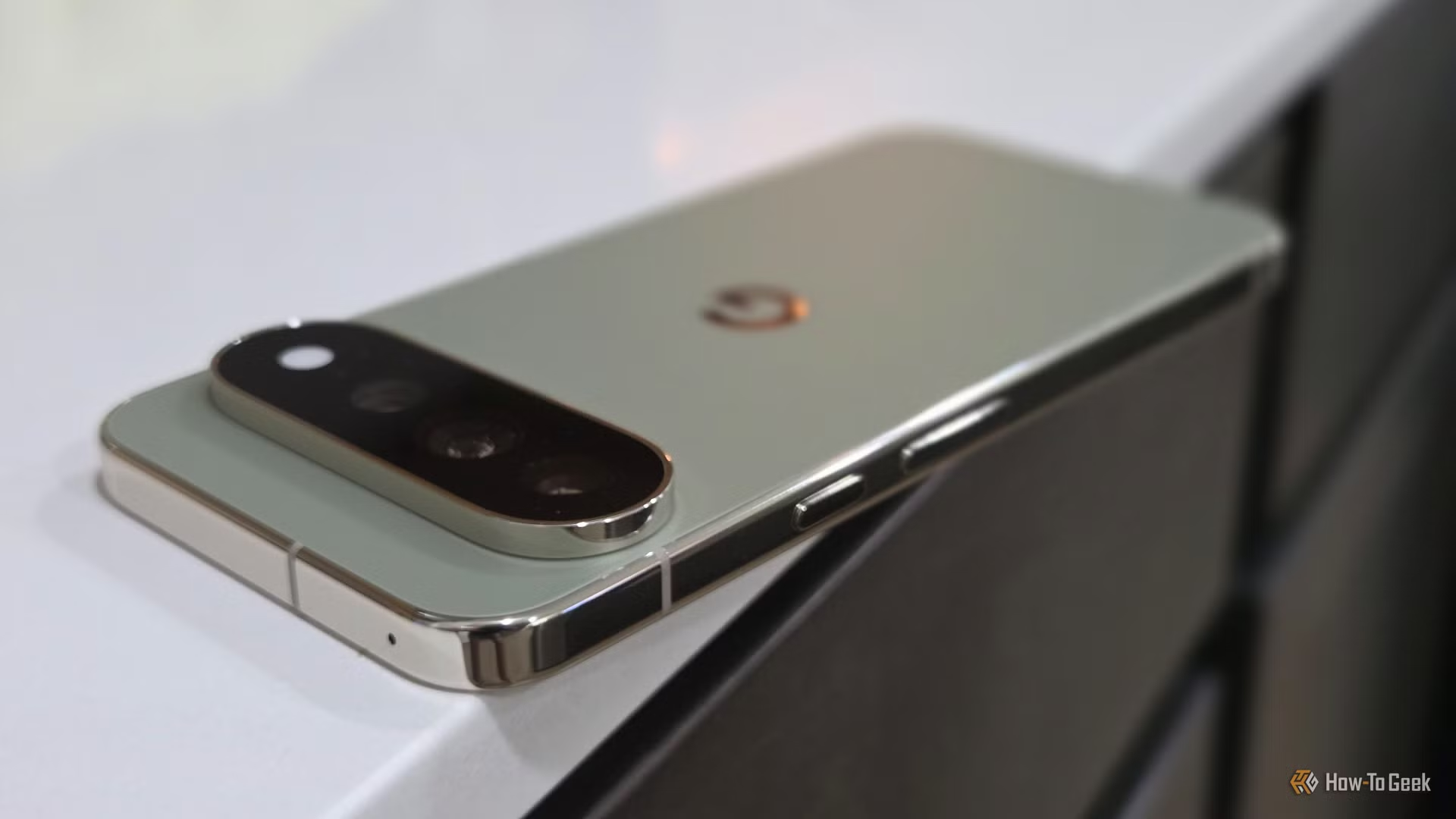
Google Replaces Basic Assistant Tools With Gemini Across Pixel Hardware
Google's push to center Pixel phones on Gemini AI is alienating longtime fans who bought the devices for clean software, especially as basic voice tools stumble.
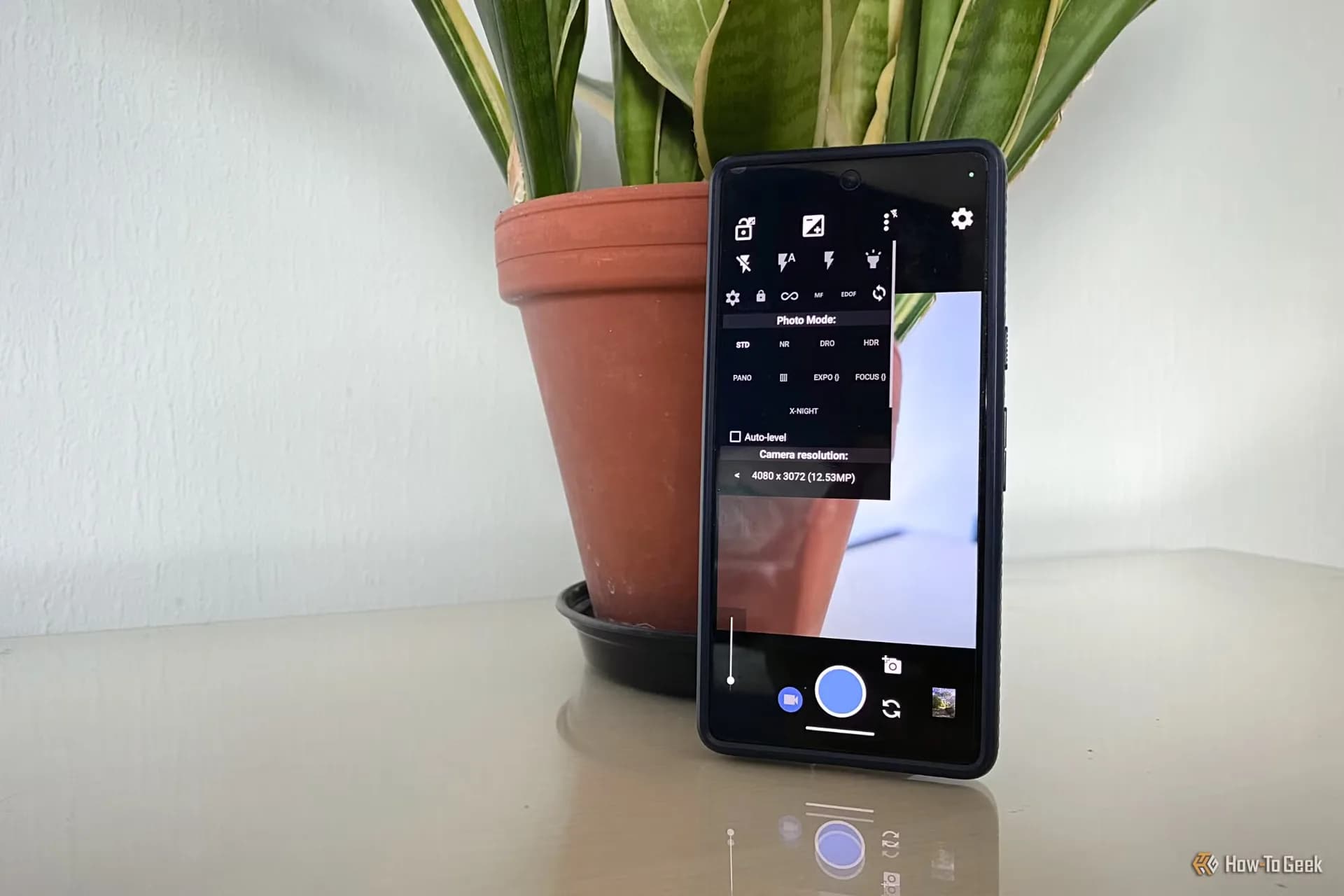
Open Camera Lets Pixel Users Bypass Heavy Google AI Photo Processing
Google Pixel smartphones rely heavily on computational photography to brighten dark scenes and sharpen snaps. For photographers wanting raw capture and unboosted JPEGs, the open-source Open Camera app provides a manual alternative.

Unofficial PixelBoard App Brings Pixel 11 Rambler Voice Dictation to Other Android Devices
A modified Gboard app named PixelBoard lets owners of older Android phones use the Pixel 11 exclusive Rambler dictation tool, stripping spoken filler words without requiring system root access.
Be the first to comment
Join the argument. No password, just your email or a passkey.