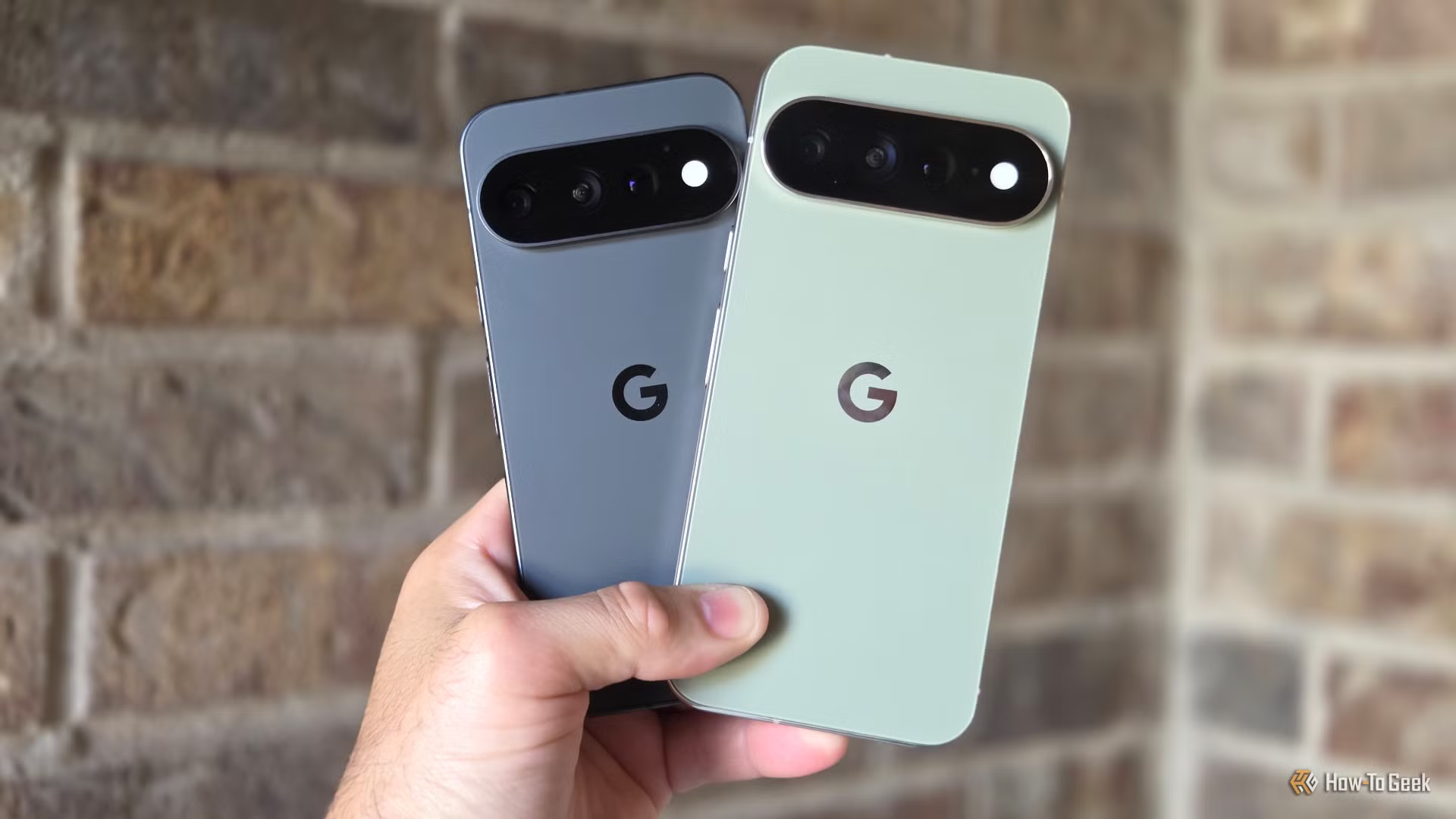
Google Pixel turns 10 years old on October 20, 2026 — and the anniversary arrives with a quiet pivot, not a fanfare. The Pixel 11 is out: faster than the Pixel 10, with marginally better cameras and quicker charging. But its headline feature, a new HiLight notification LED. Has drawn muted reactions. It’s not a breakthrough. It’s not even a reset. It’s the latest sign that Google’s flagship line is no longer chasing hardware supremacy, but anchoring Android’s software and AI evolution instead. The Pixel 10 launched earlier this year with MagSafe-style Qi2 wireless charging and a deliberate downshift in camera hardware for the base model, telephoto cut, appeal narrowed to value-conscious buyers. The Pixel 11 doubles down on that direction. Its Tensor chip still lags behind Snapdragon in raw performance. Its cameras stick with familiar sensors and cap out at 4K video, while rivals ship 200-megapixel shooters and 8K recording. Google isn’t matching those specs. It’s layering AI on top: Gemini Live for real-time voice conversations, Magic Editor for scene-level photo manipulation, Video Boost for upscaling footage after capture. Those features land first. And sometimes exclusively, on Pixels. Samsung’s Galaxy AI, Nothing’s Nothing OS integrations, even Xiaomi’s HyperOS tools now follow similar playbooks. That pressure matters. So does Google’s seven-year OS and security update promise. Now the longest in the industry, which it extended from the original five-year commitment made with the Pixel 6. That policy didn’t just raise the bar for competitors. It forced Android OEMs to rethink how long they support devices, and pushed chipset makers like Qualcomm to guarantee longer driver support windows. The trade-off is clear: you’re not buying the fastest chip or the most megapixels. You’re buying the cleanest, most future-proofed version of Android. One that ships with Gemini Intelligence baked in, gets updates before anyone else, and serves as the reference point for what the platform should do next. The Pixel 10 starts at $799 in the US and ₹79,999 in India. The Pixel 11’s pricing hasn’t been disclosed in the reporting, but Google confirmed it will launch globally in late November 2026.
Google Pixel 10-year anniversary: What the Pixel 11 says about Android's future
Ten years after the first Pixel, Google’s flagship isn’t winning on specs — it’s defining Android’s AI future, update cadence, and software priorities.
By Living Room
The Home Tech Desk · (2 hours ago)
Reported from
How this story was made
Written by the Hitechreports desk from the reporting credited above, with facts attributed to their original publishers. We do not test devices ourselves; anything about performance, battery life or cameras comes from the outlets that did. Prices are as reported at the time of writing. Editorial policy · Report an error
Filed by The Home Tech Desk
TVs, home appliances and the smart home: refrigerators, washing machines, air conditioners, purifiers, robot vacuums, the sets on the wall and the platforms that connect them. Launches, prices in the US and India, and what changed.
More from this desk →Read next
More Smart Home →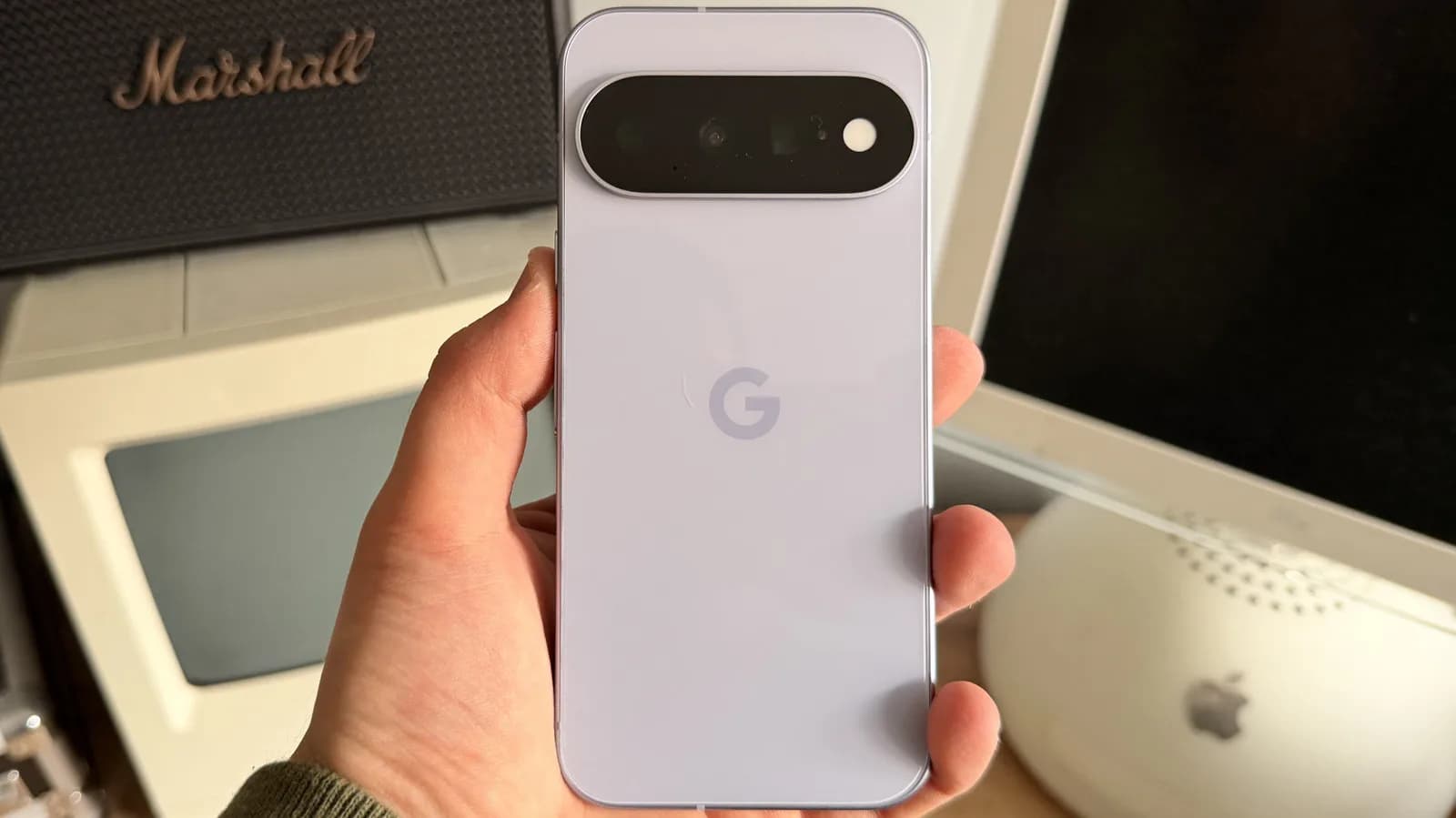
Pixel 11 Pro vs Pixel 10 vs Pixel 9: Why $899 Is Hard to Justify
The Pixel 11 starts at $899 in the US and Rs 79,999 in India. It has the same screen, same RAM, same cameras as the Pixel 10 — and a Tensor G6 chip that lags behind rivals. Battery replacements cost under $60. Upgrade logic is thin.

Unofficial PixelBoard App Brings Pixel 11 Rambler Voice Dictation to Other Android Devices
A modified Gboard app named PixelBoard lets owners of older Android phones use the Pixel 11 exclusive Rambler dictation tool, stripping spoken filler words without requiring system root access.
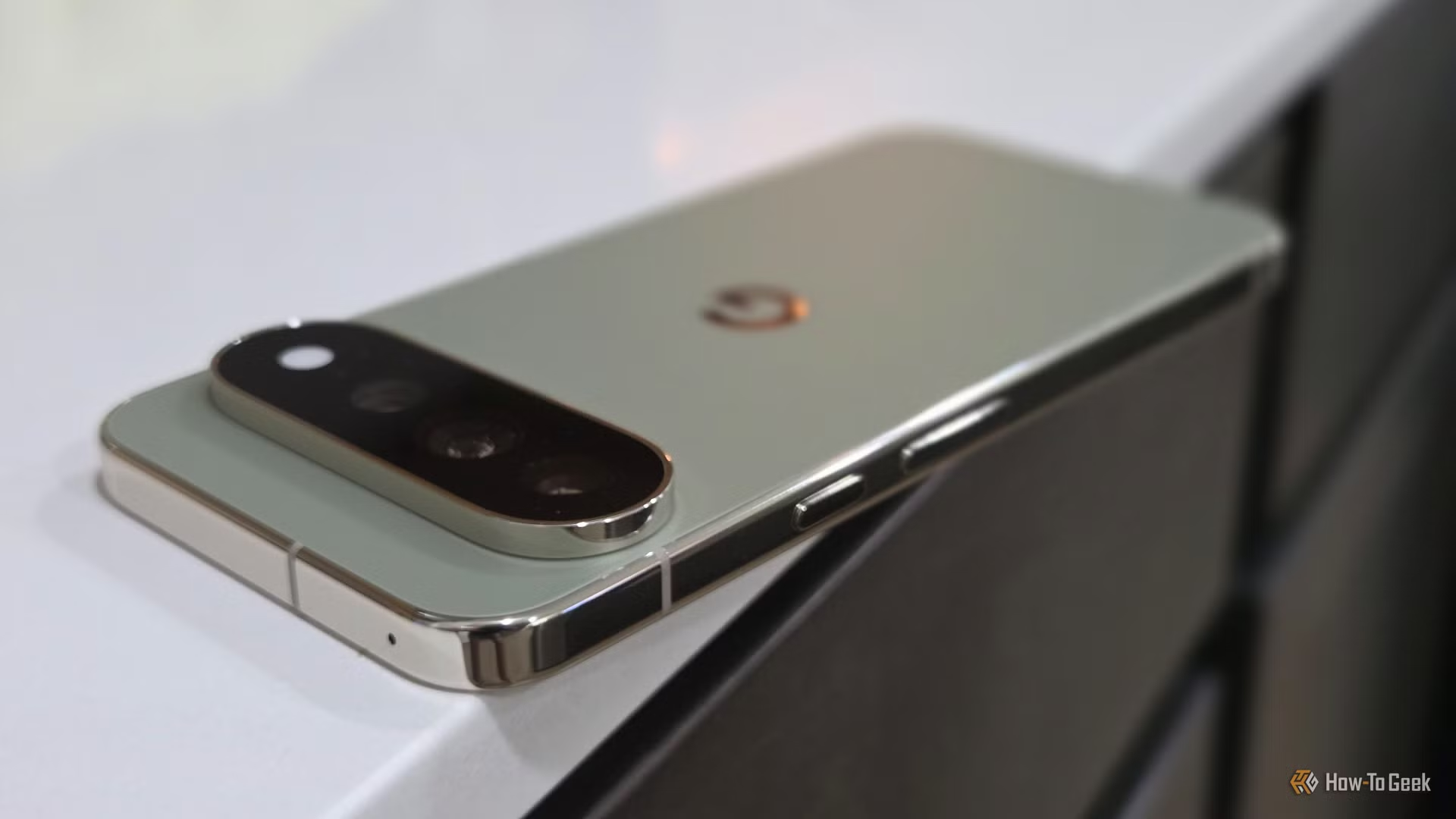
Google Replaces Basic Assistant Tools With Gemini Across Pixel Hardware
Google's push to center Pixel phones on Gemini AI is alienating longtime fans who bought the devices for clean software, especially as basic voice tools stumble.
Be the first to comment
Join the argument. No password, just your email or a passkey.