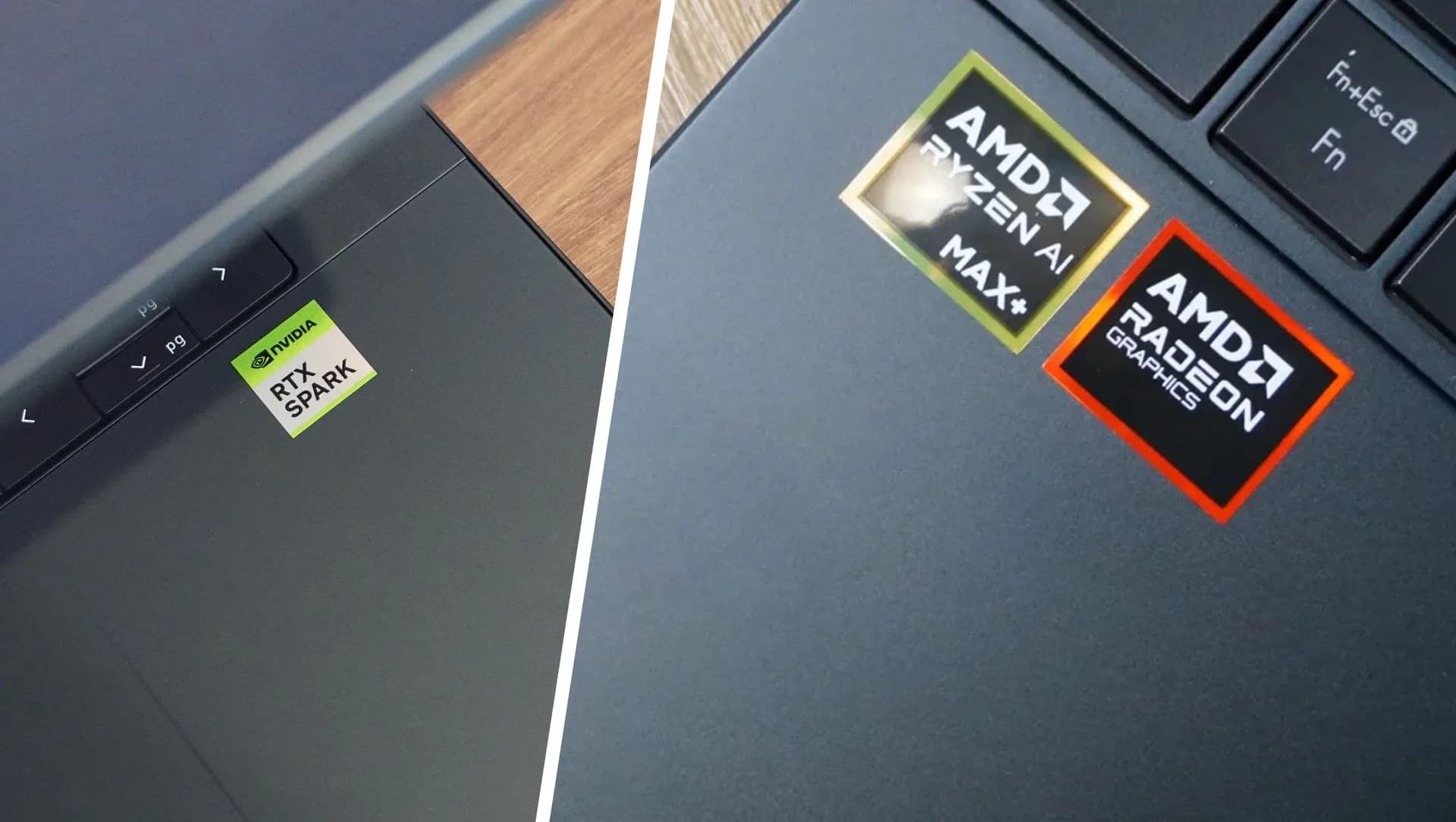
Nvidia’s RTX Spark laptop platform is official — and AMD has already fired back. The chipmaker confirmed the RTX Spark launch alongside Microsoft’s Surface Laptop Ultra on Friday, touting unified memory, local AI, and desktop-class performance in a thin-and-light chassis. But within hours, AMD’s Mike Nordquist, CVP of Client Product Marketing, called it a validation, not an invention. Of a category AMD entered over a year ago with Strix Halo, and now dominates with its second-gen Ryzen AI Max 400 series (codename Gorgon Point Halo), announced just last month. The headline number? 192GB of unified memory, 64GB more than RTX Spark’s 128GB cap. Enabling AI models up to 300 billion parameters, per Nordquist. That’s not theoretical: it’s shipping. And it runs natively on x86, not Arm. Which brings us to the real friction point. Nvidia’s RTX Spark and Microsoft’s Surface Laptop Ultra both rely on Arm architecture, same as Qualcomm’s Snapdragon X Elite. That means Windows apps built for x86 must be emulated on the fly. AMD doesn’t hide from that reality. Nordquist pointed out that Arm wasn’t mentioned once in the entire RTX Spark keynote. “I still don’t know what that experience is going to be,” he said, bluntly questioning CPU performance and app compatibility. “Everything just runs native [on AMD]. You’re buying into something that’s going to work.” He added: “They’re new to the laptop market in general. We’ve been doing it for 30 years-plus in this space, so I think we know how to run Windows.” No price or availability details were given for any RTX Spark-based system in the Tom’s Guide report. Only that Microsoft’s Surface Laptop Ultra is the flagship partner device. AMD did not announce pricing or launch dates for its Gorgon Point Halo systems either, but confirmed they are in-market now. What’s clear is this isn’t about specs alone. It’s about execution: whether Arm’s power efficiency gains outweigh the risk of emulation hiccups, legacy software breakage, and thermal compromises in real-world use. Benchmarks, not briefings. Will decide that. Next up: actual reviews of RTX Spark laptops, side-by-side with Ryzen AI Max 400 machines, measuring not just AI throughput but battery life, sleep reliability, gaming compatibility, and how well Photoshop, Premiere, and Visual Studio actually behave without translation layers. That testing starts now.
RTX Spark laptop vs Ryzen AI Max 400: AMD says Nvidia is late to the unified-memory PC
AMD says Nvidia didn’t invent the unified-memory laptop — it just joined one AMD launched in early 2025. And with 192GB of RAM and no emulation layer, Team Red says it’s already ahead.
The Computing Desk · (4 hours ago)
Reported from
How this story was made
Written by the Hitechreports desk from the reporting credited above, with facts attributed to their original publishers. We do not test devices ourselves; anything about performance, battery life or cameras comes from the outlets that did. Prices are as reported at the time of writing. Editorial policy · Report an error
Filed by The Computing Desk
Laptops, desktops, processors, graphics cards and the operating systems that run on them.
More from this desk →Read next
More Laptops & PCs →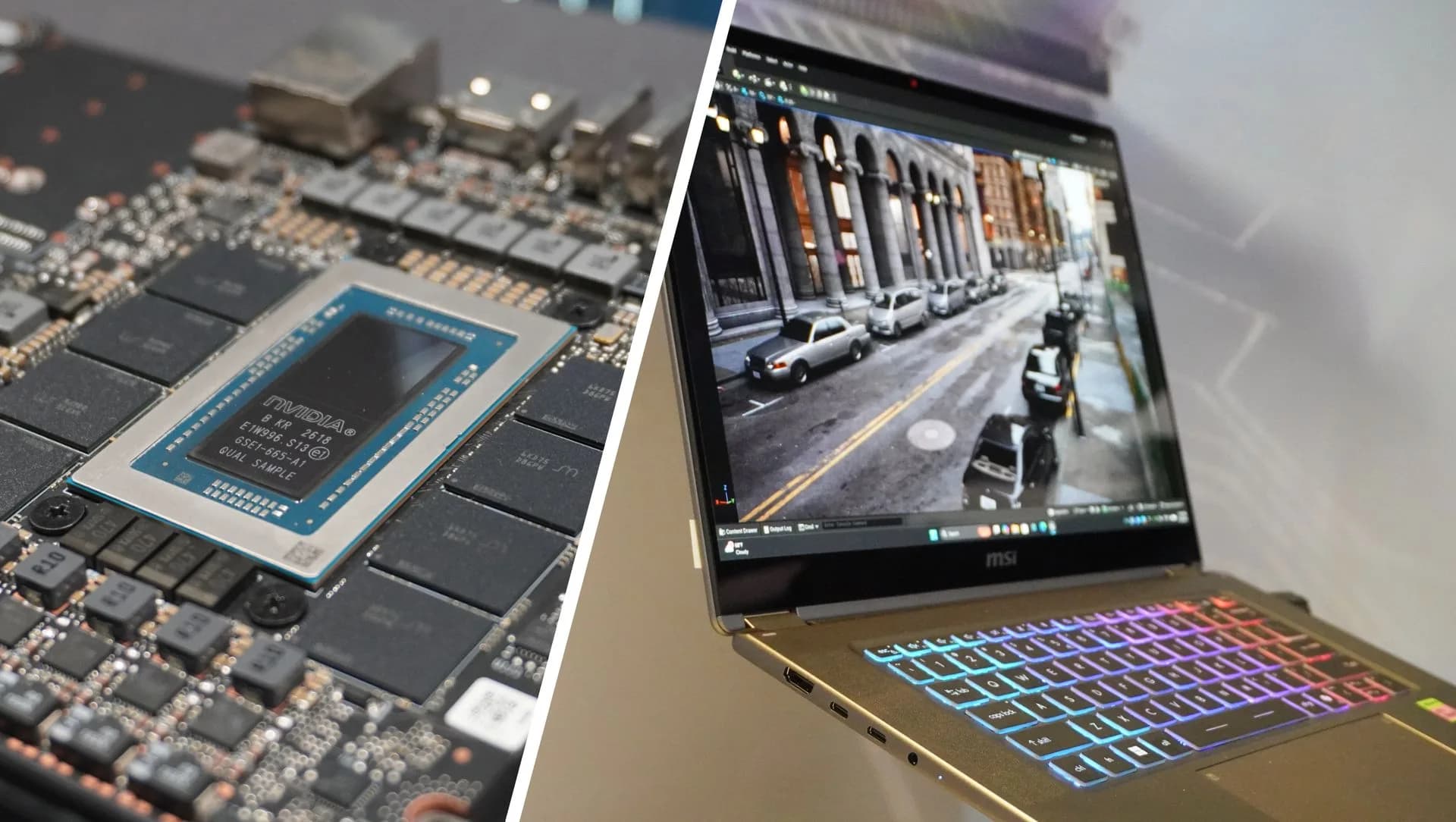
Nvidia RTX Spark laptop: same performance on battery as on AC
Nvidia RTX Spark laptops are shipping now — and they’re the first Windows PCs built on Arm that promise identical performance whether plugged in or running on battery.
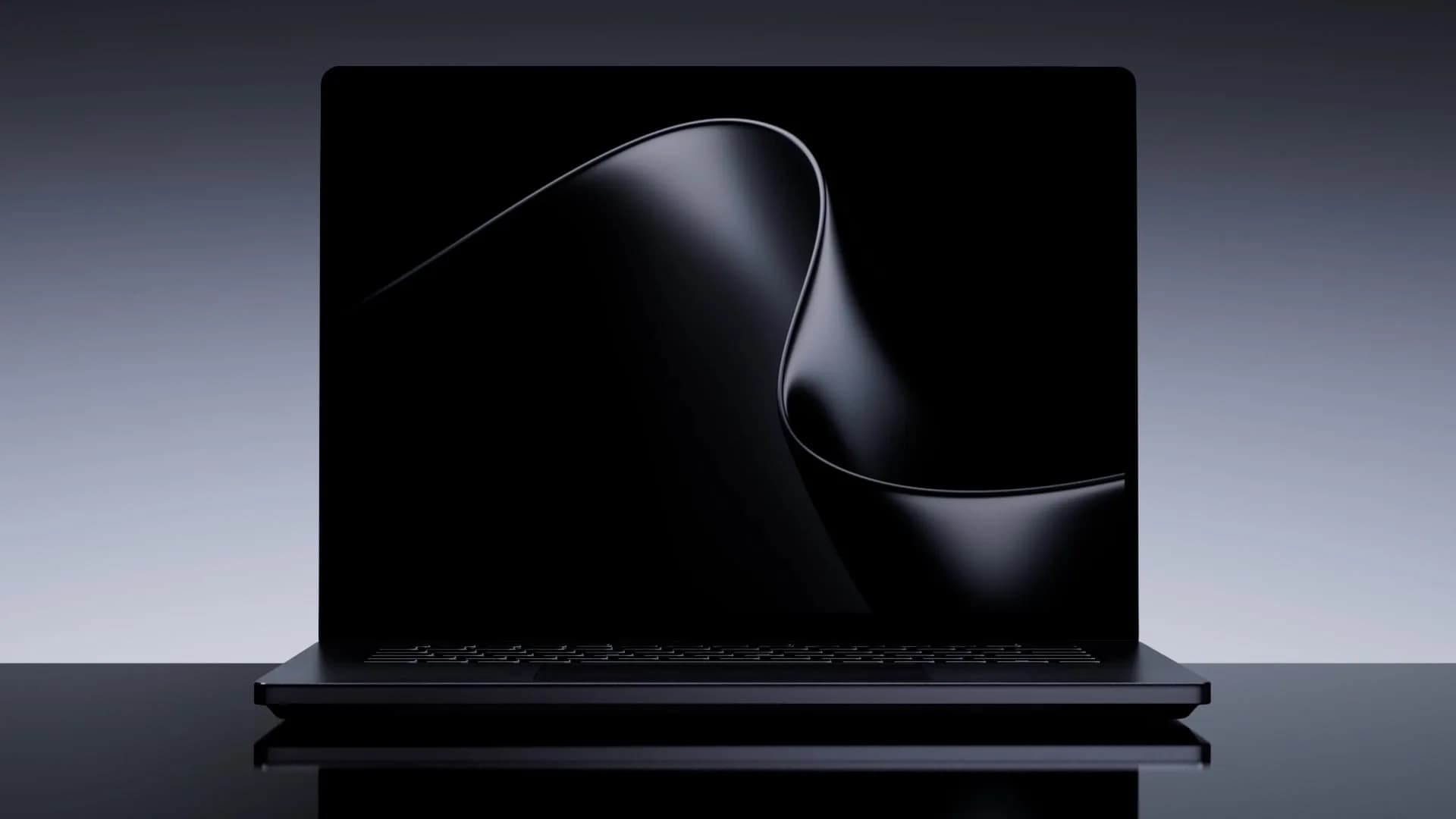
Surface Laptop Ultra launches at $2,599 to take on MacBook Pro 16
Microsoft has priced the Surface Laptop Ultra at $2,599 in the US and Rs 2,29,990 in India — launching October 16 — as a direct, spec-for-spec challenge to Apple’s 16-inch MacBook Pro, which starts at $2,999 (Rs 2,49,990).
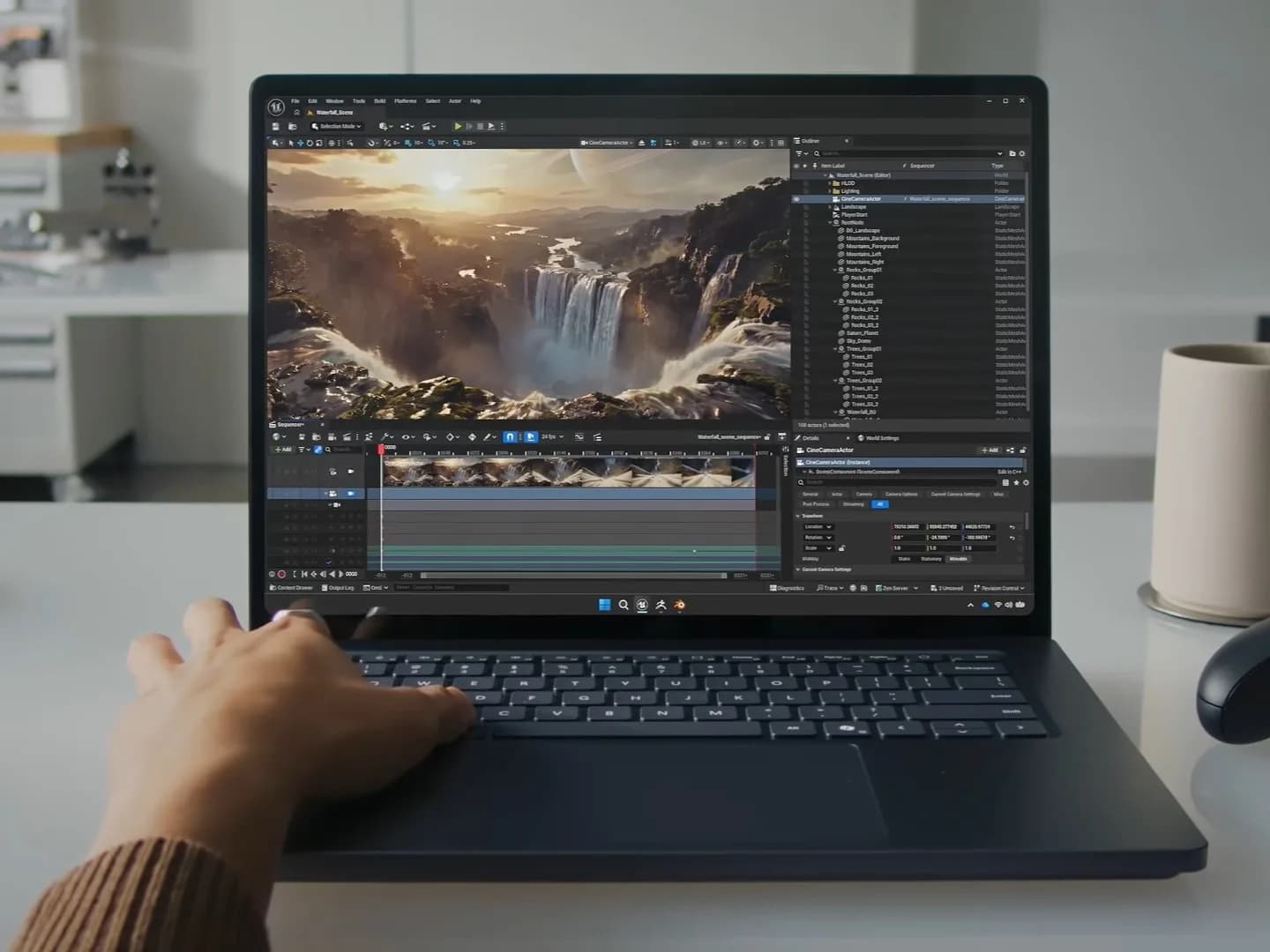
Surface Laptop Ultra cost: $2,999 matches MacBook Pro 16 with M5 Pro
Microsoft Surface Laptop Ultra starts at $2,999 — matching the Apple MacBook Pro 16 with M5 Pro, 24 GB RAM and 1 TB storage. That price point is now live, confirmed by Notebookcheck’s reporting on the device’s launch configuration.
Be the first to comment
Join the argument. No password, just your email or a passkey.