Two of Russia's newest Rassvet-3 communication satellites are spiraling downward and will incinerate in the atmosphere within weeks, dealing a sharp setback to Moscow's attempt to build an orbital rival to Starlink internet.
Tracking data from Sonik Space projects that Rassvet-3 23 will reenter on Oct. 29, followed by Rassvet-3 17 on Nov. 1. Both spacecraft went up in July as part of an emergency drive to establish sovereign low-Earth-orbit connectivity. SpaceX cut off Russian access to Starlink satellites earlier this year, leaving Russian front lines scrambling for reliable battlefield communication.
Moscow pushed batches of third-generation Rassvet satellites into space in March and July, aiming for an operational altitude of 800 kilometers. Almost none made it there. A craft from the March launch tumbled out of orbit back in June, and the latest decay projections indicate the July deployment suffered identical failures.
The hardware that managed to stay up is not where it was supposed to be. Figures from OrbitalRadar show the remaining Rassvet-3 units lingering between 250km and 512km. Operating that low introduces heavy atmospheric drag, even if space agencies sometimes settle for 500km orbits to trim launch burdens and reduce transmission latency. For a network designed to span vast territories, the compromised altitude shrinks coverage footprints dramatically.
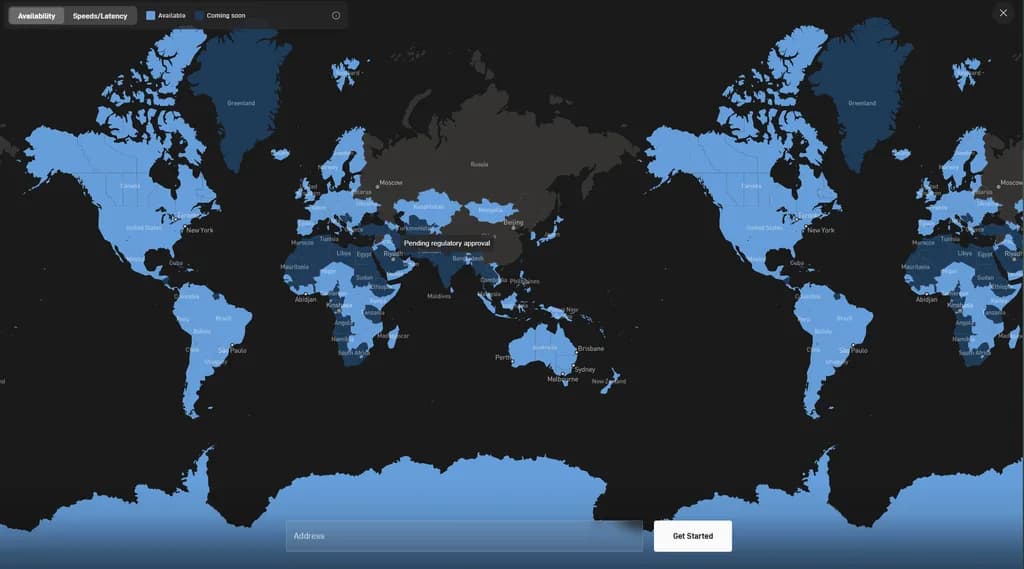
The Institute for the Study of War cautioned in August that the Rassvet network was unlikely to deliver viable coverage in the near future. The system currently fields roughly 24 operational satellites, according to tracking estimates. Starlink, by contrast, operates more than 10,000 spacecraft in orbit.
Ukrainian reports indicate Russian units on the front lines can squeeze roughly two hours of daily uptime out of the Rassvet constellation. That limited window demonstrates that the transmitters function, but the service remains miles away from steady broadband.
Moscow wants 250 satellites aloft by 2027 to establish real continuity. Hitting that target requires a launch tempo and payload success rate that Russia's space program has not demonstrated this year. Until Russian rocketry can reliably park payloads in stable orbits and keep them there, its Starlink alternative exists mostly on paper.
CDFiled by The Computing Desk
Laptops, desktops, processors, graphics cards and the operating systems that run on them.
More from this desk →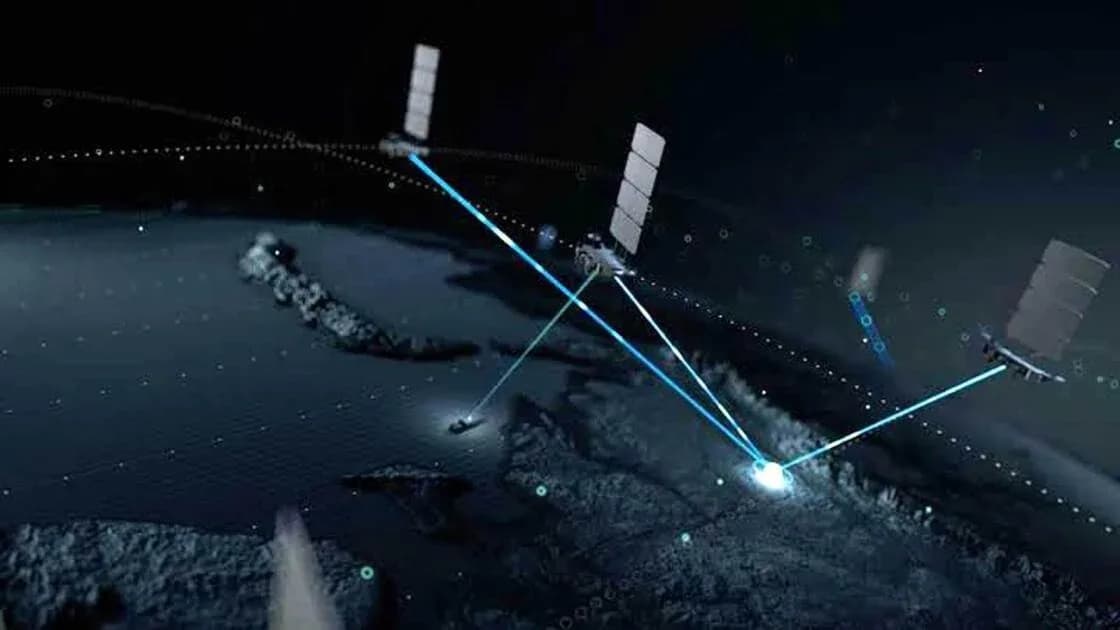


Be the first to comment
Join the argument. No password, just your email or a passkey.