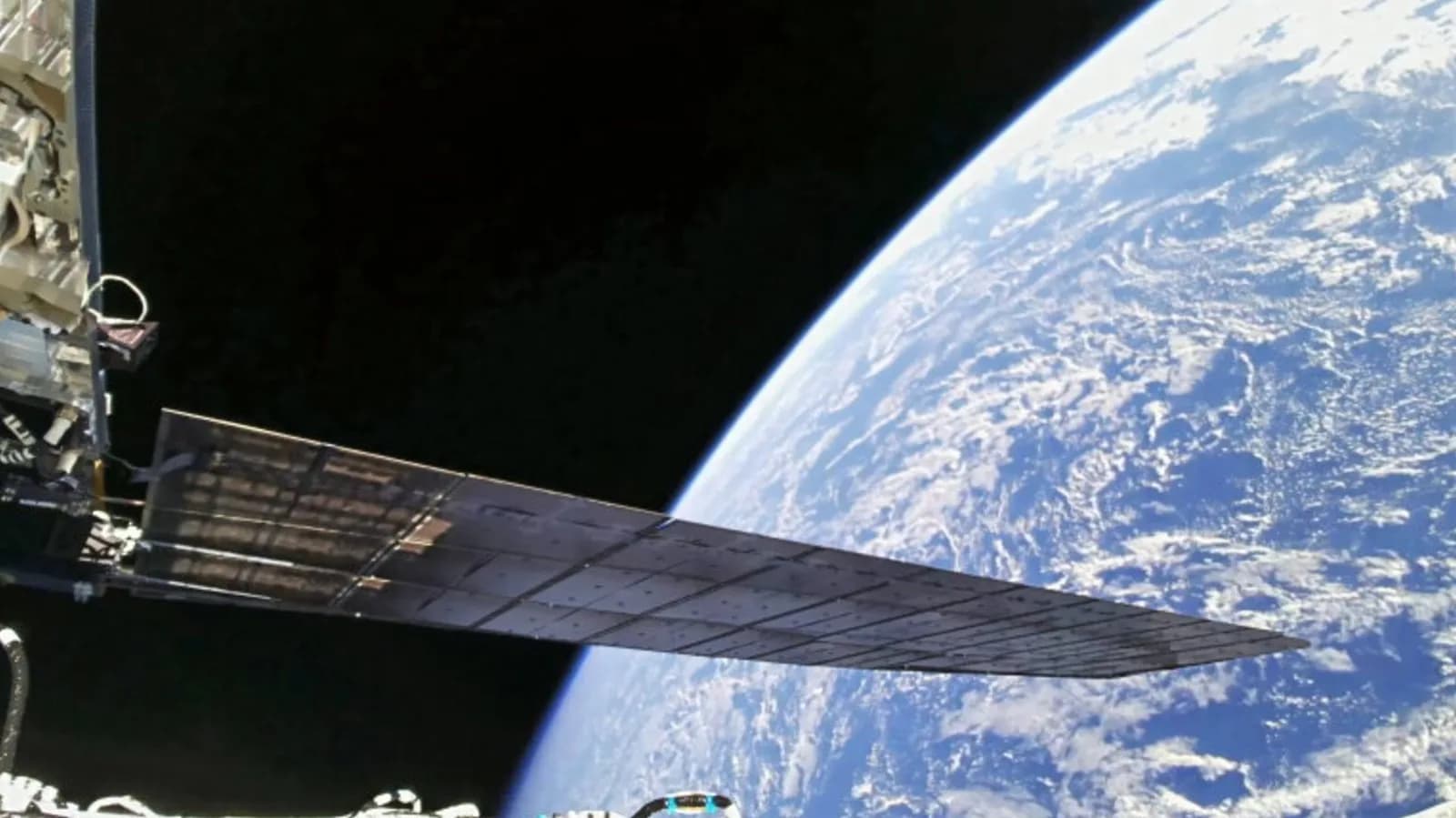
Amazon Leo satellite internet is set to enter beta testing in late 2026 — starting with the U.S., UK, Canada, Germany, and France, after the company confirmed it has already launched 396 satellites and built over 1,000 more. The service, formerly Project Kuiper, will not launch as a standalone broadband product. Instead, Amazon plans to bundle it with Prime subscriptions and hardware like Ring doorbells, Fire TV devices, and eero Wi-Fi gear. No pricing has been announced. But Starlink. Its benchmark and target, currently charges $120/month in the U.S. And £109/month in the UK for residential service, with over 4 million subscribers across 100+ countries. Amazon’s constellation remains far smaller: its first-gen network aims for 3,200 satellites, versus Starlink’s more than 10,000 already in orbit. Leo satellites will orbit higher. Between 590 km and 630 km, than Starlink’s 340–550 km range, a difference that affects latency and coverage geometry but not consumer-facing speed claims. Amazon told Ars Technica the service is designed to support 4K streaming and “clean” video calls, even in remote areas where cable or fiber is unavailable. Regulatory delays and launch costs. Reportedly $2,600 to $7,000 per kilogram, have slowed progress. Anyone in the five beta countries can join Amazon’s free waitlist now. The first customer hardware. User terminals, has not been unveiled. No timeline for India or other markets has been shared.
Starlink internet cost vs Amazon Leo: What we know about pricing, plans, and beta launch
Amazon Leo enters beta late this year in five countries — but Starlink already serves 100+ with 10,000+ satellites. Pricing, hardware, and Indian rollout remain unannounced.
By Market Close
The Tech Business Desk · (3 hours ago)
Reported from
How this story was made
Written by the Hitechreports desk from the reporting credited above, with facts attributed to their original publishers. We do not test devices ourselves; anything about performance, battery life or cameras comes from the outlets that did. Prices are as reported at the time of writing. Editorial policy · Report an error
Filed by The Tech Business Desk
Big tech, startups, earnings, regulation and policy — the decisions that shape the products.
More from this desk →Read next
More Tech Business →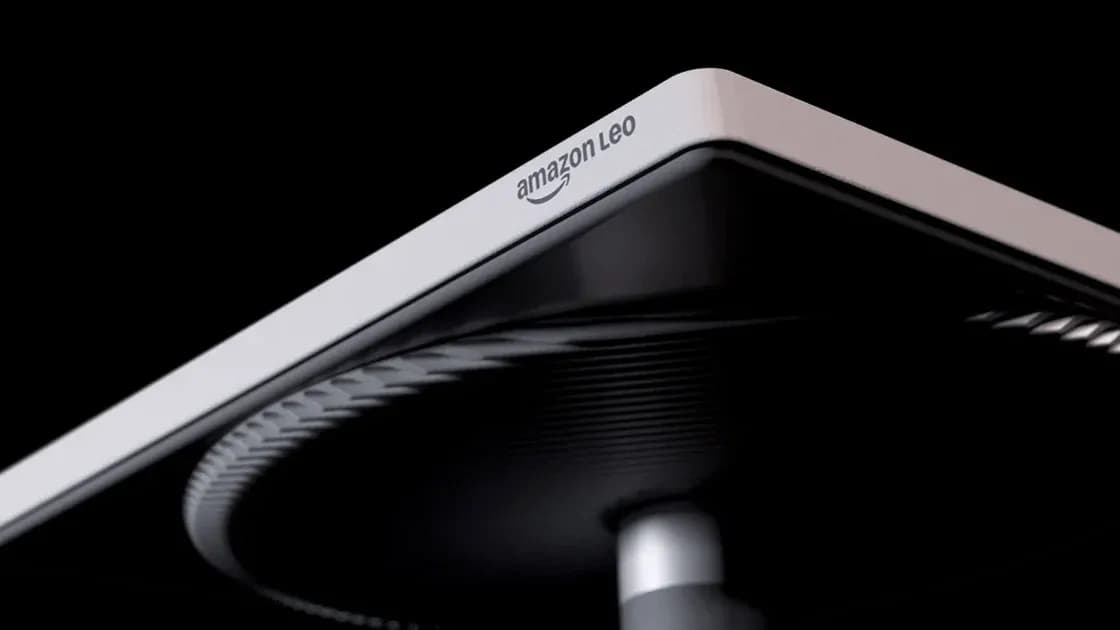
Amazon Tops 400Mbps in Military Trial of Starlink Internet Rival Leo
Amazon clocked download rates topping 400Mbps during a military demonstration of its Leo satellite internet system, previewing real-world performance for its upcoming consumer terminal ahead of a planned rollout this year.

FBI Arrests OpenAI Product Employee Over Hidden Conference Room Bug
Federal authorities arrested an OpenAI product team worker after discovering a hidden recording device plugged behind an executive conference room television in the company's San Francisco office.

OpenAI Must Surrender Hiring Records to Apple in Trade Secrets Dispute
A federal judge ordered OpenAI to turn over hiring records and chat logs involving former Apple staff within days, advancing Apple's trade secrets lawsuit against the artificial intelligence developer.
Be the first to comment
Join the argument. No password, just your email or a passkey.