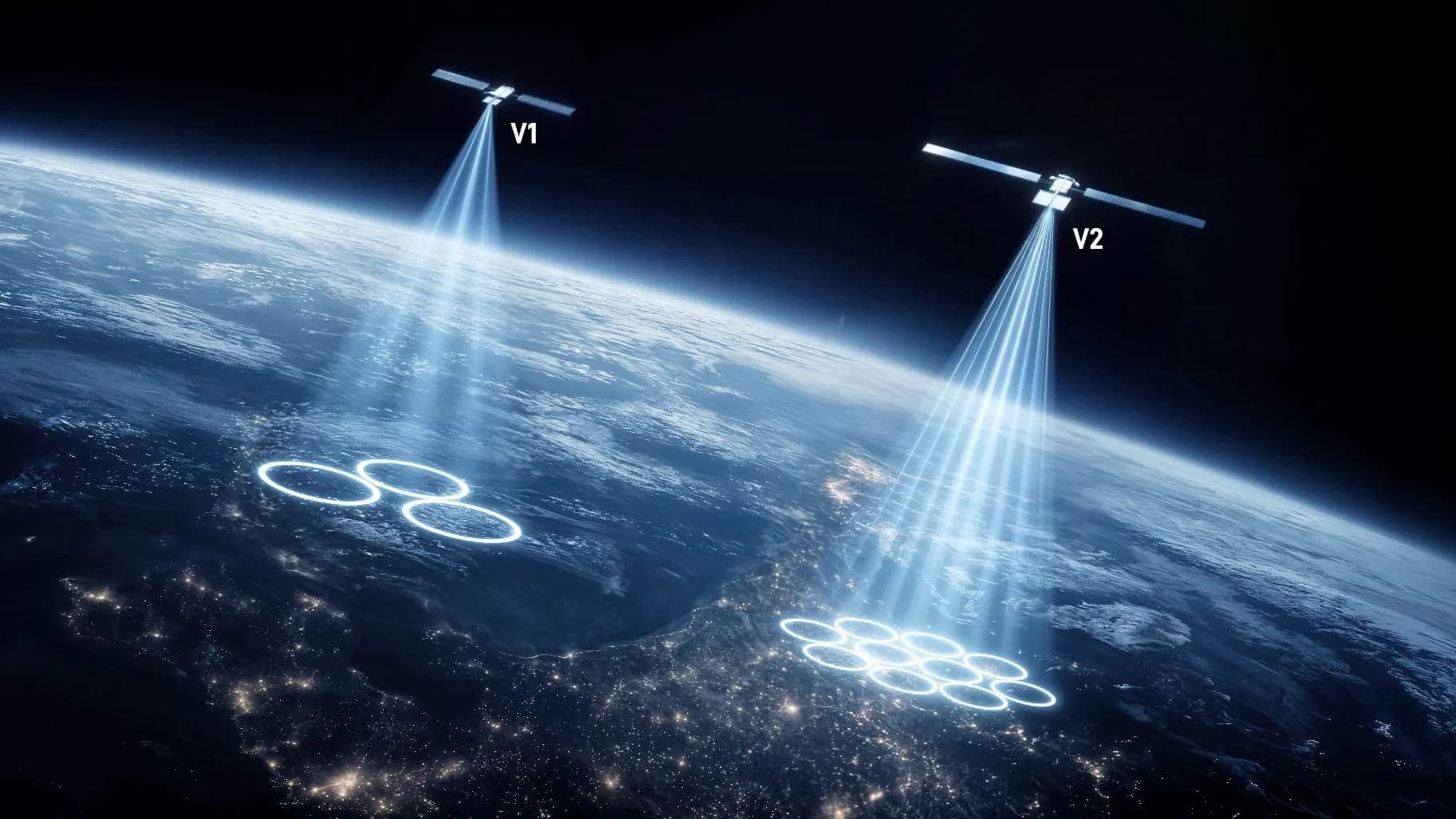
Ukraine’s President Volodymyr Zelenskyy has warned that China is transferring technology to Russia for a Starlink-alternative satellite network — Rassvet (“Dawn”), which Kyiv says could shift battlefield advantage in the air war over Ukraine by year-end. He made the statement in Pryluky on October 15, hours after a Russian cruise missile killed 22 people, including five children, in the same city. Zelenskyy told reporters Beijing “works on the possibility of helping Russia with a similar Starlink” and that “the Chinese will share with Russia” relevant hardware around the turn of the year. Though he named no Chinese firms. Reuters and Ukrainian intelligence sources describe the entities behind Rassvet as Russian: Bureau 1440, a subsidiary of IKS Holding. So far, 32 Rassvet satellites have launched, 16 in March, 16 in July. Against a federal target of 156 by December 31, 2026. That’s roughly 20% of the annual goal. None have reached their intended 800 km orbit. One reentered the atmosphere in June, two others showed no orbit-raising maneuvers, and Ukrainian military intelligence says Rassvet is used “in a fragmented manner, only once the satellites pass over Ukrainian territory.” Effectiveness remains low, per Oleh Ivashchenko, Ukraine’s military intelligence chief. Experts cited by Militarnyi say much of Rassvet’s core hardware likely comes from off-the-shelf Chinese components, not a full turnkey system. That fits broader patterns: leaked Angara rocket expansion plans list just 57 Chinese machines out of 541 total, yet those account for 28.2% of the project’s technological core. Zelenskyy’s push isn’t abstract. He wants Starlink access extended over Russian territory so Ukrainian drones can strike ballistic missile and drone launch sites up to 200 km inside Russia. A capability he says Donald Trump supports but has deferred to Elon Musk. At the same time, US Patriot missile deliveries to Ukraine have dropped sharply: 675 in 2023, 364 in 2025, and just 264 so far in 2026. The shortfall ties to both strained US-Ukraine relations and global interceptor shortages linked to US-Iran tensions. Kyiv is hedging: Ukrainian firm Stetman plans a 360-satellite constellation built by Denmark’s GomSpace and launched by SpaceX starting in 2027, but only a test satellite launch has been confirmed. European alternatives, Zelenskyy said in Pryluky, “aren’t yet close to what Ukraine needs.” The warning is real. Rassvet exists. Its coverage is expanding. But the claim that Chinese tech will let Russia “dominate the skies over Ukraine” within months goes beyond what public evidence shows. Especially with less than three months left to hit even a fifth of its stated 2026 satellite target. What matters next isn’t rhetoric. It’s whether Washington sanctions the Russian entities behind Rassvet, or finally greenlights Starlink use over Russia. Before the constellation grows beyond its current, limited reach.
Starlink Ukraine: Zelenskyy warns China aiding Russia's Rassvet satellite network
Zelenskyy warns China is helping Russia build a Starlink alternative — but Rassvet has launched just 32 satellites against a 156-target for 2026, and none have reached operational orbit.
By Plugged In
The Gadgets Desk · (3 hours ago)
Reported from
How this story was made
Written by the Hitechreports desk from the reporting credited above, with facts attributed to their original publishers. We do not test devices ourselves; anything about performance, battery life or cameras comes from the outlets that did. Prices are as reported at the time of writing. Editorial policy · Report an error
Filed by The Gadgets Desk
Audio, wearables, cameras, tablets, chargers and every other device worth carrying or plugging in.
More from this desk →Read next
More Gadgets →
Starlink Starshield Speed Limit in Ukraine: 100 mph Cap Disrupts Drones
Starshield in Ukraine now blocks use on vehicles and drones moving faster than 100 mph — a restriction confirmed by Ukrainian officials and attributed by Elon Musk to the US government. The Pentagon’s Inspector General has been asked to investigate.
Starlink internet cost vs Amazon Leo: What we know about pricing, plans, and beta launch
Amazon Leo satellite internet enters beta in late 2026 in the U.S., UK, Canada, Germany, and France — bundled with Prime and hardware. No price yet. Starlink serves 100+ countries with over 4 million subscribers.

Amazon Launches Bee Frontier and Bee Eclipse AI Listening Wearables
Amazon-owned Bee has launched the Bee Frontier wearable and Bee Eclipse phone attachment, two always-listening AI devices that turn daily conversations into reminders and to-do lists, starting at $74.99 in the US.
Be the first to comment
Join the argument. No password, just your email or a passkey.