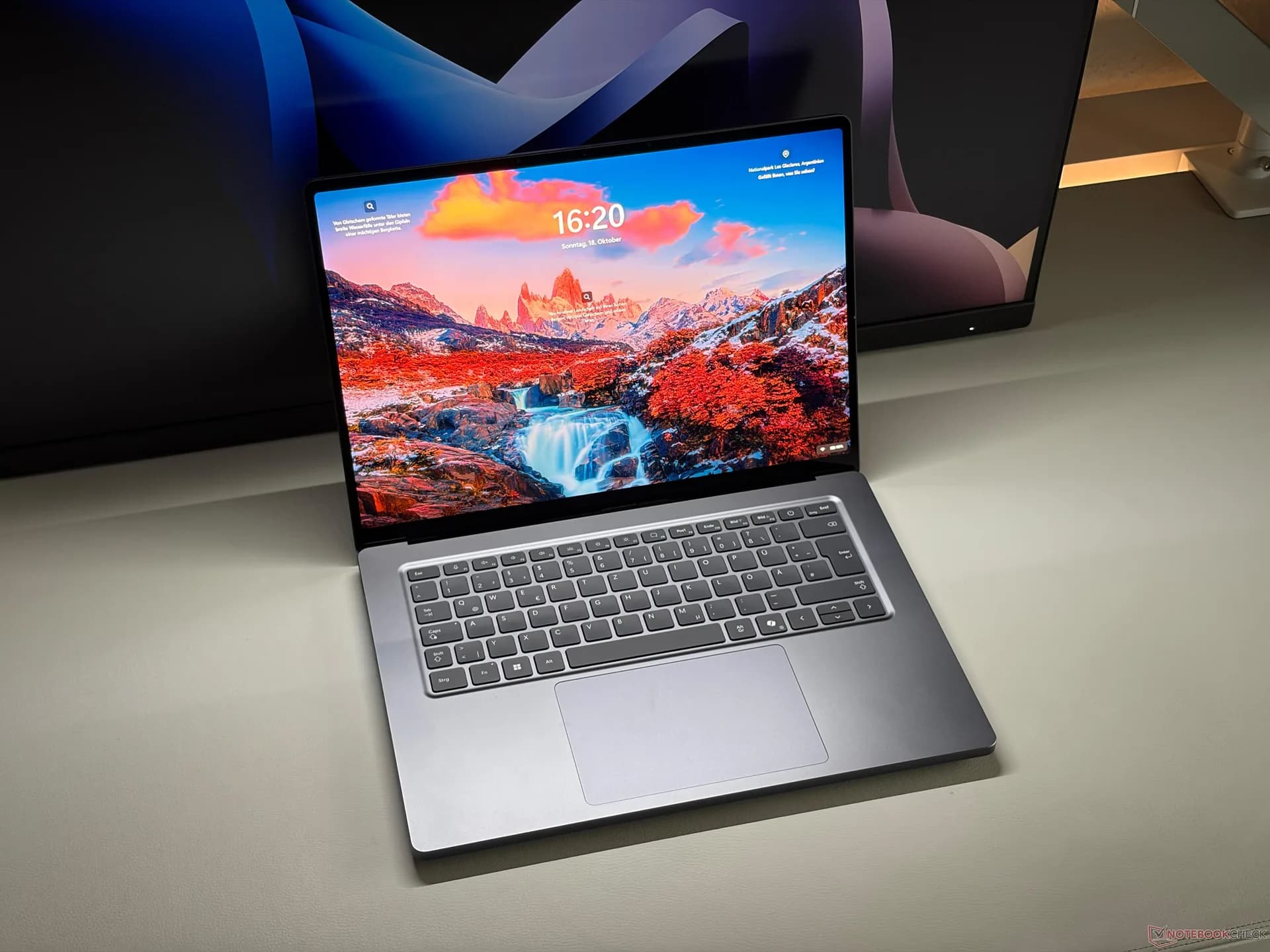
Microsoft Surface Laptop Ultra RTX Spark review: 2000-nits Mini-LED panel is the problem — not the brightness, but how it’s built. Notebookcheck’s hands-on verdict lands hard on the display: it’s a 120 Hz Mini-LED touchscreen with peak HDR brightness over 2,000 nits and accurate P3/sRGB calibration, yet it has no local dimming, sluggish IPS response times, visible ghosting, and a black level of 0.61 cd/m² that makes dark content look washed out. That’s worse than the MacBook Pro 16’s Mini-LED panel and far short of high-end OLEDs like the Asus ProArt P16’s. The backlight flickers at 4650 Hz (only at or below 100% brightness), which is high enough to avoid most PWM sensitivity. But it’s still there, and it’s another layer of compromise in a $4,299 laptop that’s supposed to be uncompromising. The review unit runs Nvidia’s new RTX Spark N1X SoC, a 20-core chip. Paired with 64 GB RAM and a 1 TB SK hynix PCIe 5.0 SSD. CPU performance matches the ProArt P16, beats Intel Panther Lake and AMD Zen 5, but falls behind Apple’s M5 Pro and M5 Max. GPU performance lines up with the GeForce RTX 5070, aided by unified memory, though the review cuts off mid-sentence on that point. Stability is solid under load and on battery, and Windows ARM compatibility issues are acknowledged upfront in Microsoft’s official specs. Build quality is premium: a dark gray metal chassis, excellent rigidity, fingerprint-resistant finish. But the design feels heavier and thicker than it looks. 2 kg, with a two-layer base that makes it bulkier than the larger ProArt P16. Hinges are wobbly. There’s no lid-opening notch. Serviceability is limited to fans, battery, and one M.2-2280 SSD slot. No SD-Express support. The magnetic USB-C charger works, but only on the right-side port, and its unique shape blocks the adjacent USB-A port when plugged in. The 1080p webcam is decent. The backlit keyboard is comfortable but lacks key travel. The haptic trackpad is excellent. Price? $4,299 direct from Microsoft for the configuration tested. Same as the ProArt P16 RTX Spark, which starts at $7,000 but ships with more RAM options and better display implementation. In India, no pricing is reported. This isn’t a launch story. It’s a first review, and it lands at a moment when buyers comparing ‘Surface Laptop Ultra vs MacBook Pro’ or searching ‘Surface Laptop Ultra review’ will find a clear warning: the hardware ambition is real, but the display execution undermines the whole premise. Microsoft’s next move? A firmware update for local dimming? A panel revision? Notebookcheck doesn’t say. But it does say this: ‘The Surface Laptop Ultra is a bit disappointing, especially considering the high price.’ Sales begin immediately via Microsoft’s online store, no wider retail rollout date is given.
Surface Laptop Ultra review: 2000-nits Mini-LED panel is the problem
Notebookcheck’s review finds the Surface Laptop Ultra’s 2000-nits Mini-LED screen impressive on paper — but flawed in practice, with no local dimming, ghosting, and poor black levels. $4,299 starts the pain.
Get this deal
surface laptop ultra review
Find on AmazonPaid links. As an Amazon Associate, Hitechreports earns from qualifying purchases. Prices change; the story gives the price as reported when it was written.
By The Roundup
The Reviews Roundup Desk · (3 hours ago)
Get this deal
surface laptop ultra review
Find on AmazonPaid links. As an Amazon Associate, Hitechreports earns from qualifying purchases. Prices change; the story gives the price as reported when it was written.
Reported from
How this story was made
Written by the Hitechreports desk from the reporting credited above, with facts attributed to their original publishers. We do not test devices ourselves; anything about performance, battery life or cameras comes from the outlets that did. Prices are as reported at the time of writing. Editorial policy · Report an error
Filed by The Reviews Roundup Desk
What the reviews are saying: verdicts on new devices from the outlets that tested them, summarised and credited to each. This desk does not test products itself.
More from this desk →Read next
More Reviews →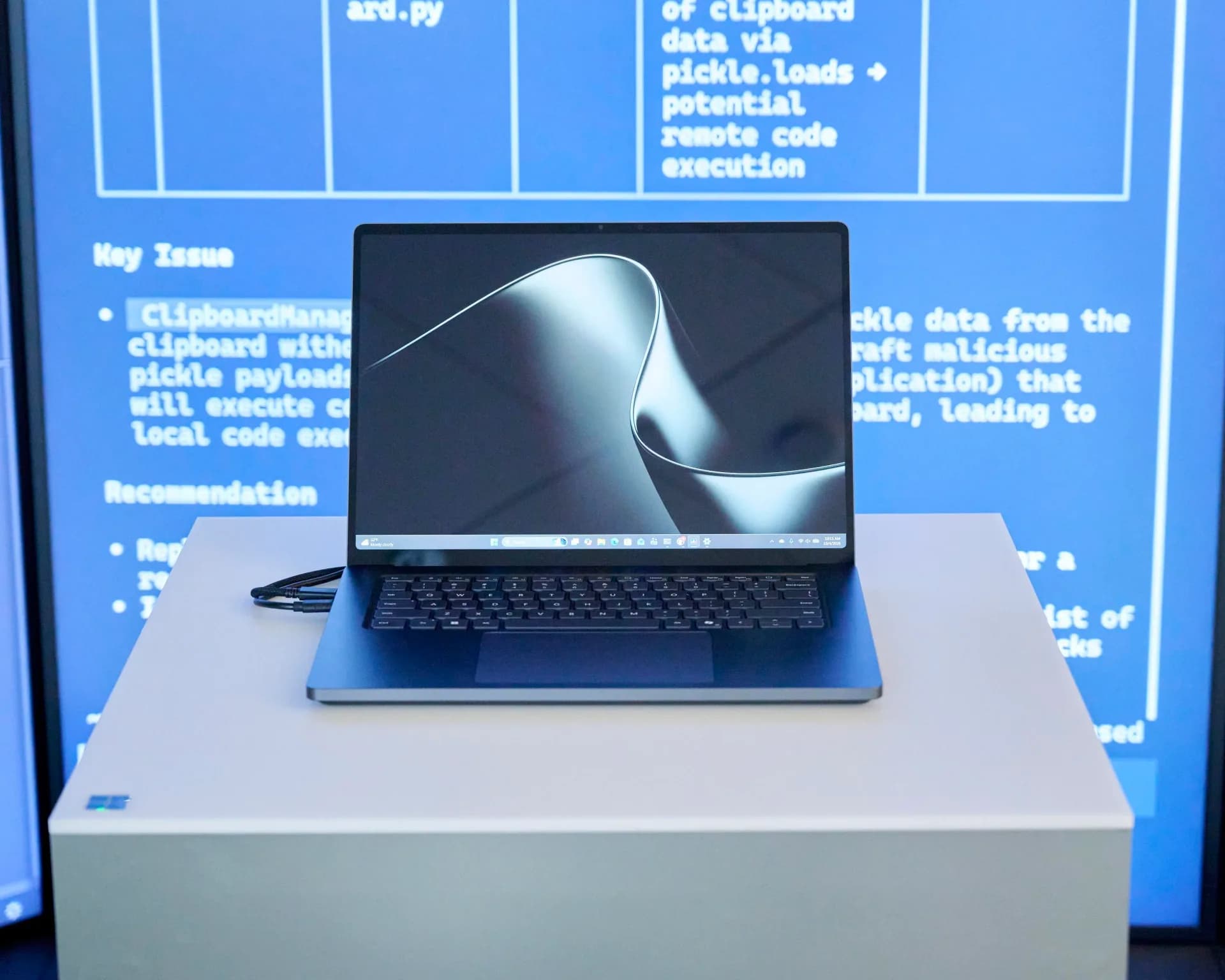
Surface Laptop Ultra review: $2,599 to $5,899, RTX Spark AI chips, and an AI future that hasn’t arrived
The Surface Laptop Ultra is reviewed: $2,599–$5,899, RTX Spark chips, 2,000-nit MicroLED, Magnetic Connect — and AI features that mostly don’t work out of the box.
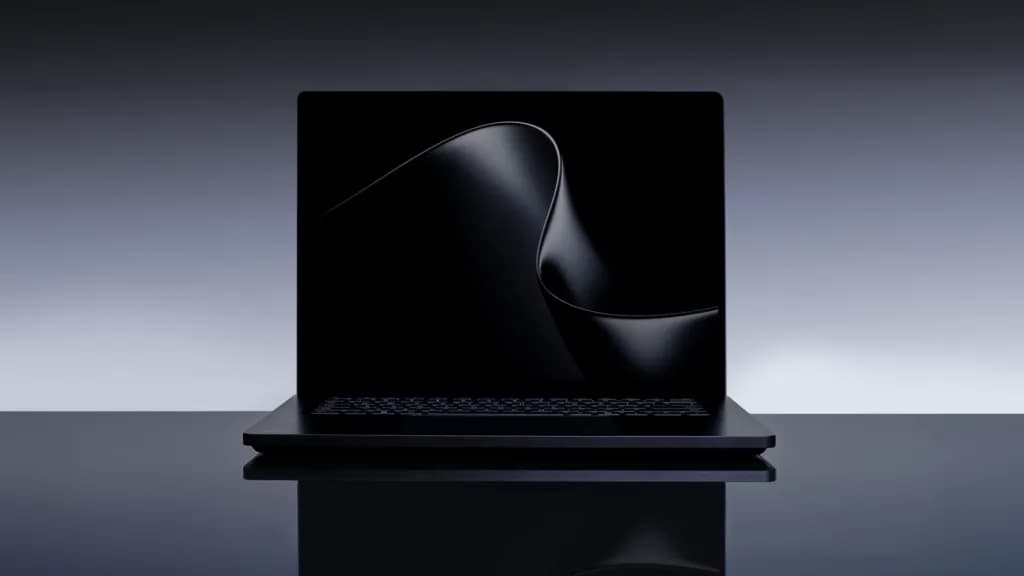
Surface Laptop Ultra price: $1,000 trade-in for MacBook Pro
Microsoft’s Surface Laptop Ultra trade-in offer promises up to $1,000 for MacBook Pros — but most users will get $45 to $275. Only a 2024 M4 14-inch hits $755. The US-only program is live now.
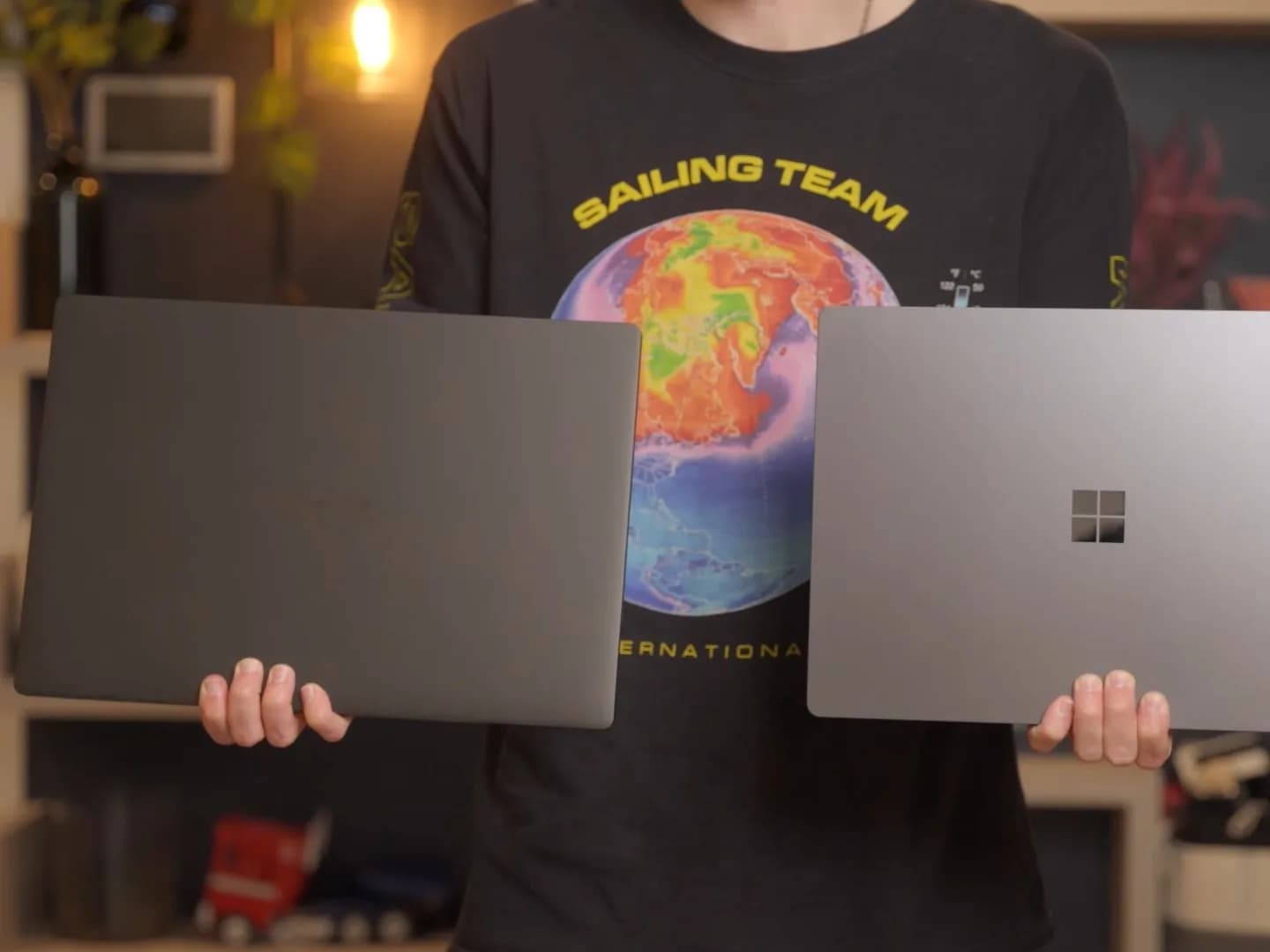
Surface Laptop Ultra battery life: RTX Spark N1X vs MacBook Pro, Zenbook A16
Surface Laptop Ultra battery life is 9 hours in video playback — same as MacBook Pro 14 — despite a 27% larger battery. Under GPU stress, it lasts just 53 minutes.
Be the first to comment
Join the argument. No password, just your email or a passkey.