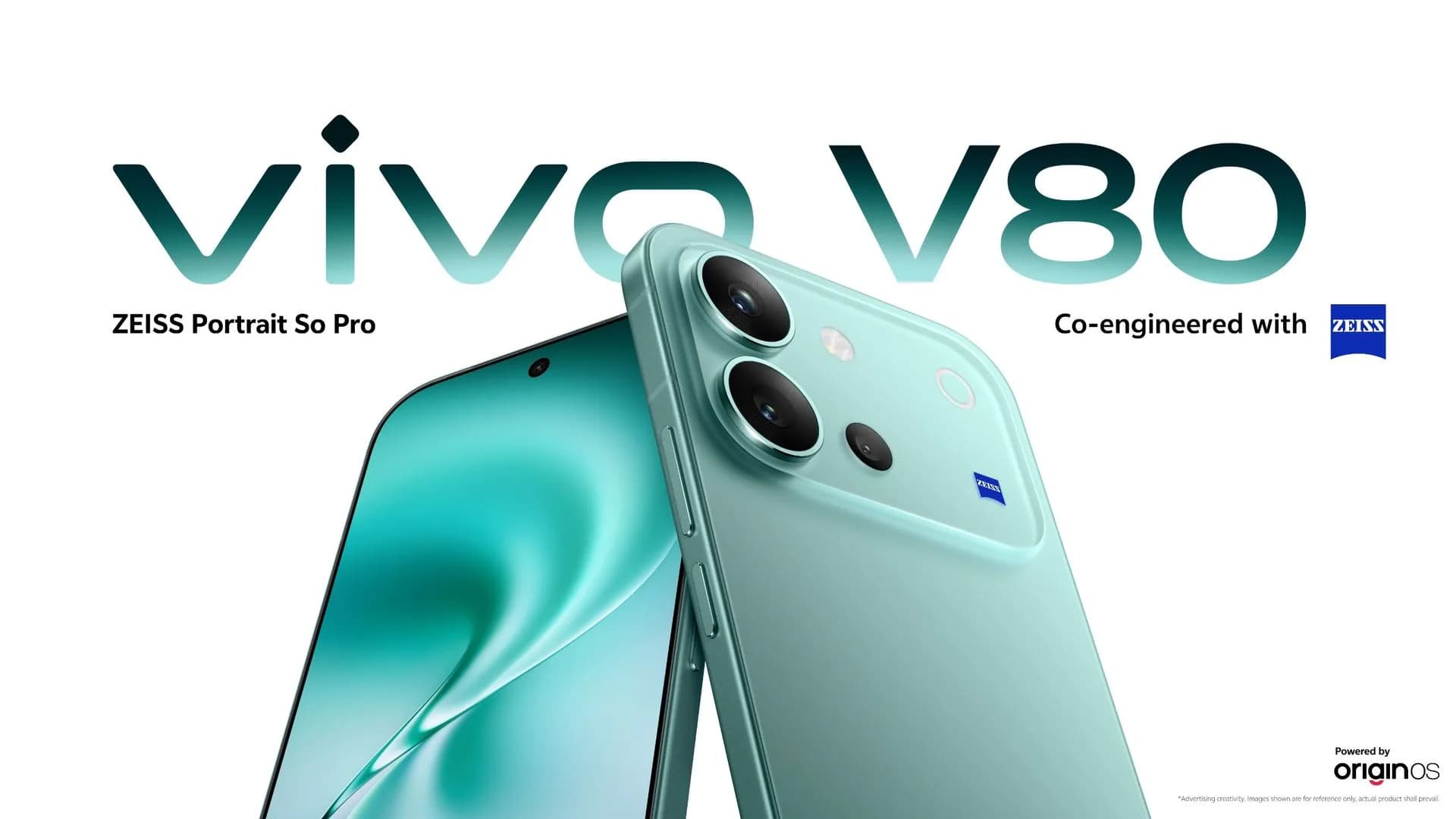
Vivo V80 launches globally with Zeiss-branded telephoto, AI-powered portrait tools, and a 7,200mAh battery — priced at ₹34,999 in India, $499 in the US. No UK or European pricing confirmed yet. Ships first in India, Southeast Asia, and the Middle East starting late October 2026. Not a flagship: it’s Vivo’s new mid-range V-series anchor, built around camera software more than sensor size. The headline hardware is a 50MP Zeiss Super Telephoto, 1/1.95-inch Sony IMX882, OIS, 3x optical zoom. Paired with a 50MP main using the newer Sony LYTIA 700V (1/1.56-inch), a standard ultra-wide, and a 50MP autofocus selfie shooter. Sensor specs are modest for the segment, so Vivo leans hard on processing: ZEISS 100mm Center-Stage Portrait mode delivers simulated Planar bokeh and cinematic color grading. CCD Flash Portrait mode mimics retro digital contrast and tone. And AI Creative Camera lets users retrofit lighting, sunlight, spotlights, soft glow. After capture. Other AI tools include Best Face (expression fixes from Live Photos), Magic Move (subject repositioning), Erase (distraction removal), and Image Expander (AI-generated scene extension). Video tops out at 4K/60fps front and rear, with preset color grades but limited manual controls. The phone packs a 6.59-inch 144Hz OLED, 90W charging, and a 7.69mm-thin chassis. Vivo hasn’t named the chipset or RAM/storage variants, those remain unannounced. What’s clear is the pivot: this isn’t about chasing pixel counts or sensor area. It’s about shipping a capable mid-tier hardware base and letting AI reshape intent, lighting, and composition post-capture. That strategy lands squarely in the current Android camera wars. Where Google Pixel’s Magic Editor and Samsung’s Generative Edit are already pushing similar boundaries. The V80 doesn’t beat them on spec sheets. But at under $500, it brings Zeiss branding and a full suite of generative tools to a price point those rivals don’t cover. Shipments begin in India this month.
vivo V80 camera phone price and specs
Zeiss optics, AI lighting swaps, and a 7,200mAh battery — all for under $500.
The Gadgets Desk · (2 hours ago)
Reported from
How this story was made
Written by the Hitechreports desk from the reporting credited above, with facts attributed to their original publishers. We do not test devices ourselves; anything about performance, battery life or cameras comes from the outlets that did. Prices are as reported at the time of writing. Editorial policy · Report an error
Filed by The Gadgets Desk
Audio, wearables, cameras, tablets, chargers and every other device worth carrying or plugging in.
More from this desk →Read next
More Cameras →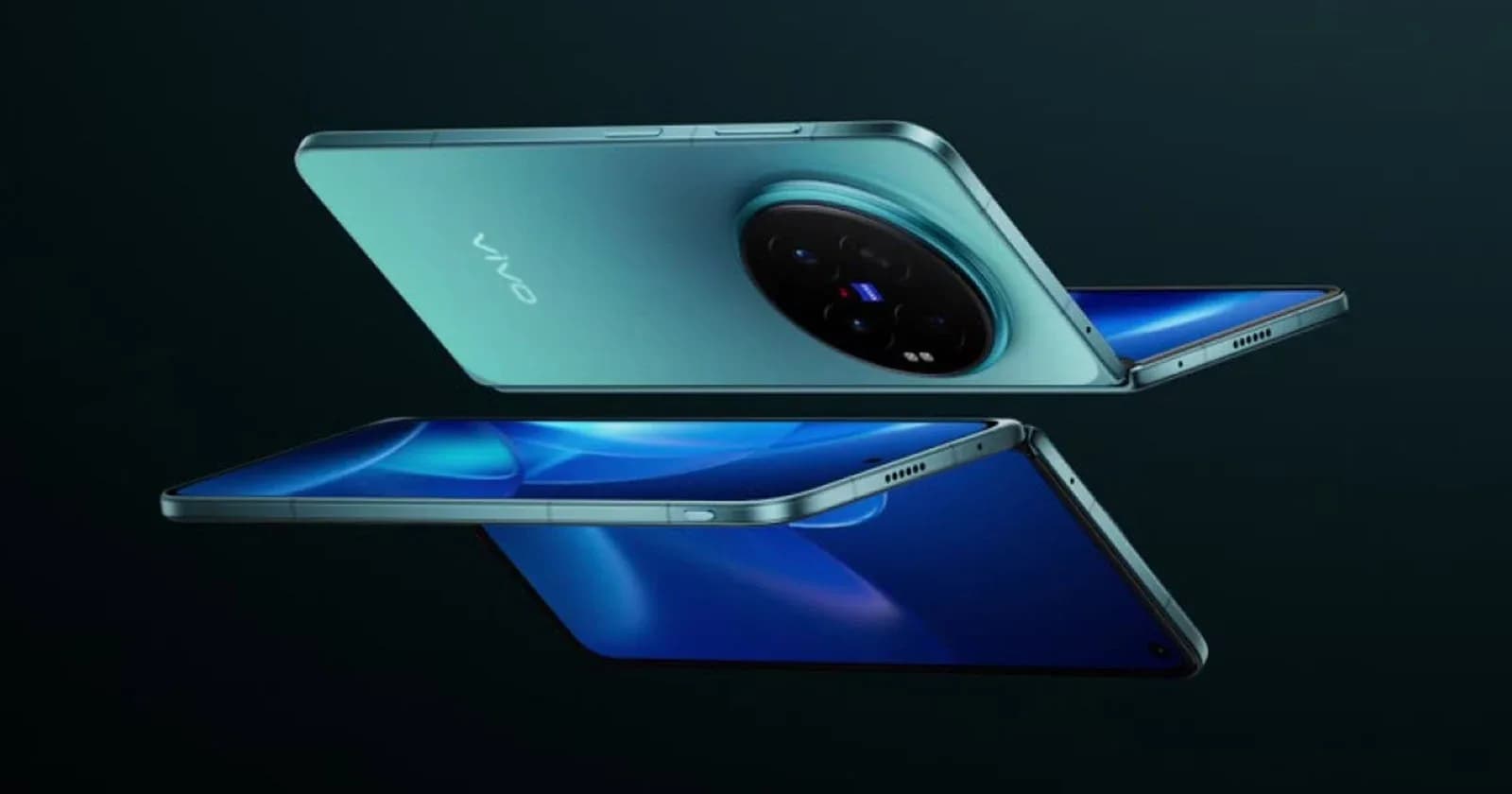
Vivo X Fold6 Launches Globally With 200-Megapixel Zeiss Camera Setup
Vivo launched its X Fold6 globally with an 8-inch screen, 5,000-nit peak brightness, and a Zeiss-branded triple rear camera system centered on a 200MP sensor.
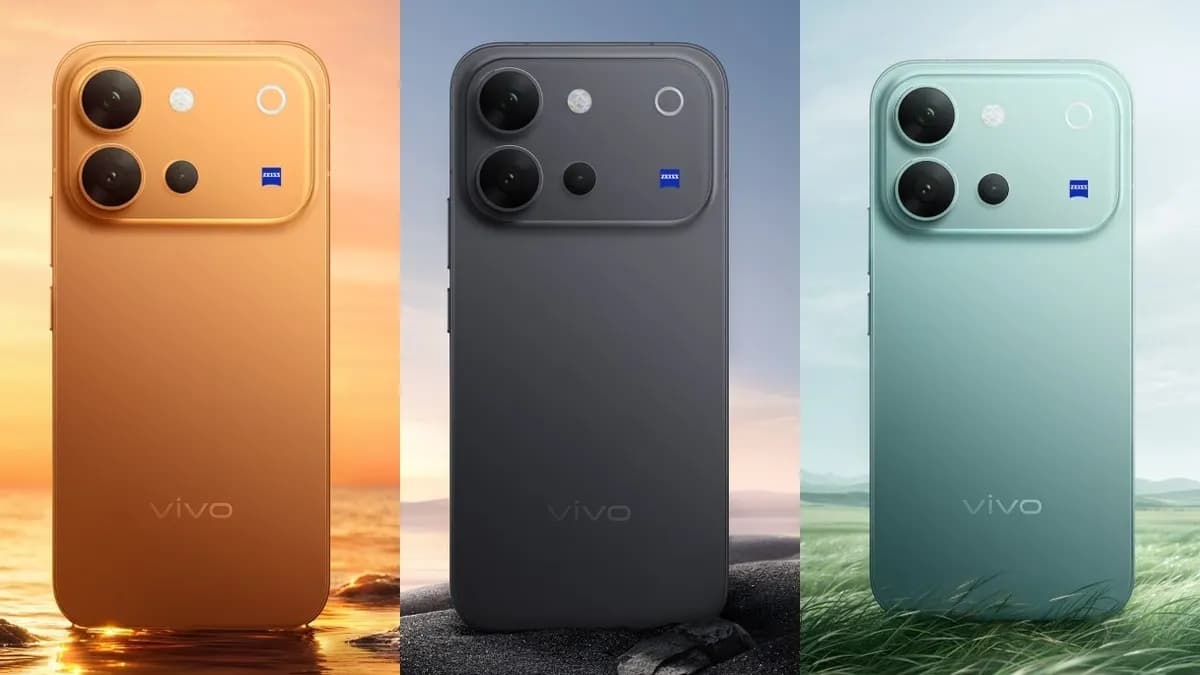
Vivo V80 and S2 FE launch in India: ₹62,999 and ₹38,999, both on sale now
Vivo has launched the V80 and S2 FE in India, with the V80 starting at ₹62,999 and featuring Zeiss cameras, a 7,200mAh battery and a Snapdragon 7 Gen 4 chipset. The S2 FE starts at ₹38,999 and packs a 10,000mAh battery, a 120Hz AMOLED display, and a MediaTek Dimensity 7300e processor.
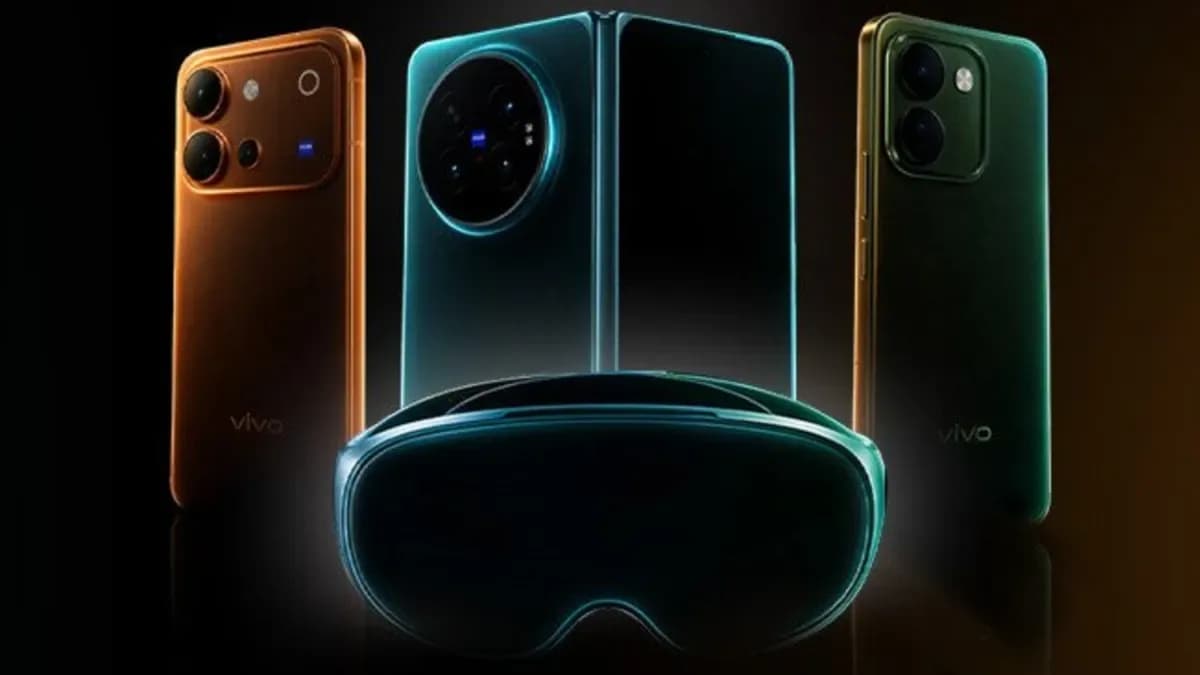
vivo V80, S2 FE, X Fold 6 India launch: specs, price, Android 17, live stream
vivo launches V80, S2 FE, and X Fold 6 in India — with 7,200mAh and 10,000mAh batteries, ZEISS 50MP trios, and Android 17 on OriginOS 7. No global dates. No Snapdragon 7 Gen 5. Prices start at ₹38,999.
Be the first to comment
Join the argument. No password, just your email or a passkey.