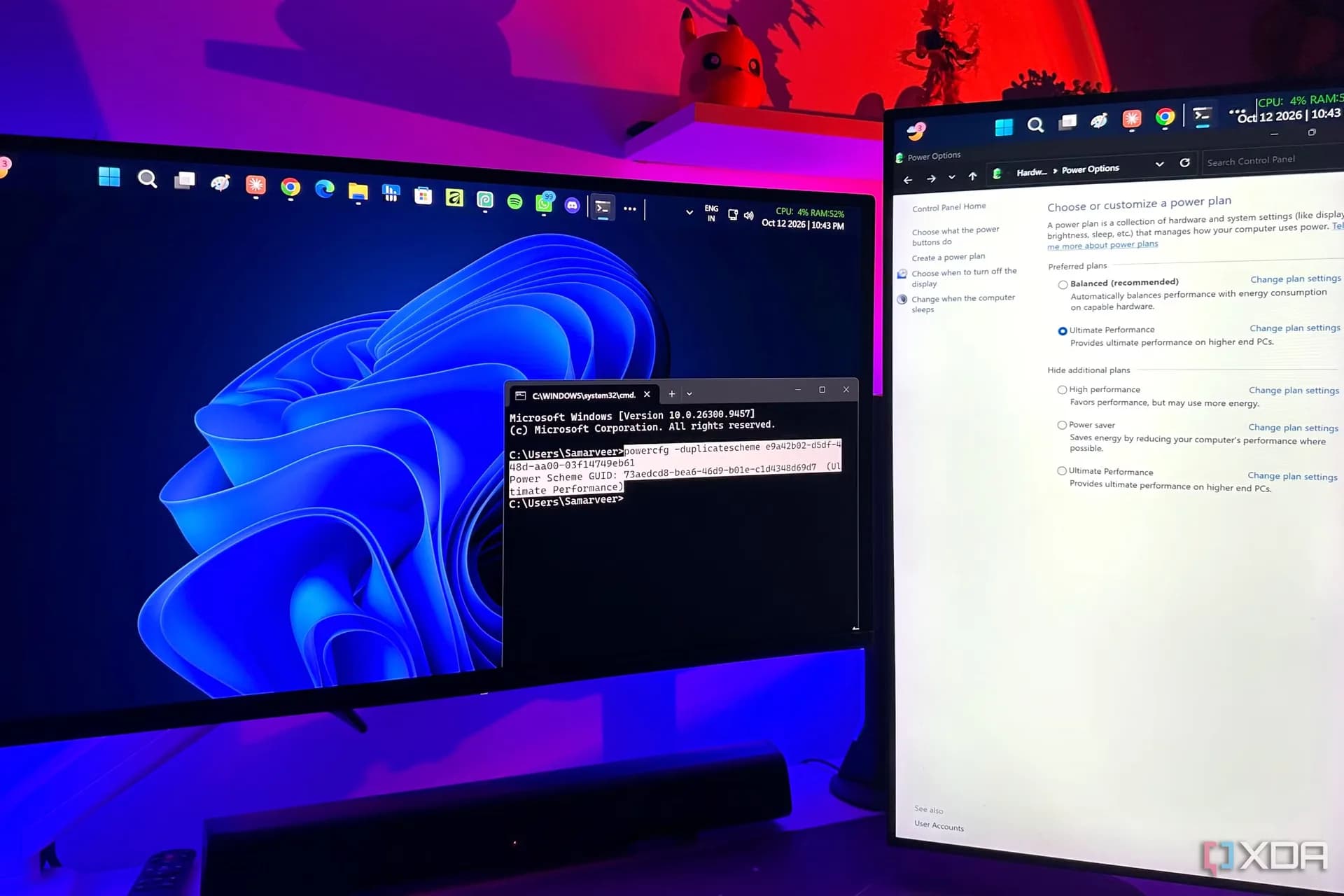
Windows 11’s hidden ‘Ultimate Performance’ power plan is real — and it’s now confirmed to ship with the OS, though Microsoft keeps it buried deep. It’s not a new feature, but a long-dormant, undocumented scheme that users can unlock via Command Prompt: powercfg -duplicatescheme e9a42b02-d5df-448d-aa00-03f14749eb61. Once activated, it appears in Power Options alongside Balanced and High Performance, and it behaves very differently from both. It forces the CPU’s minimum processor state to 100%, disables core parking entirely, and lowers the threshold for waking idle cores from ~80% to ~65% utilization. That means less latency when workloads spike. But also higher idle power draw, more heat, and no battery savings at all. It’s officially intended for high-end workstations running sustained, CPU-heavy tasks like video encoding or large-scale data processing. Not for laptops. Not for most gamers. And definitely not for everyday use. XDA Developers tested it across four titles: Fortnite, Cyberpunk 2077, Black Myth: Wukong, and Forza Horizon 5. Only Fortnite, a heavily CPU-bound, multiplayer title with real-time physics and network updates. Showed measurable gains: average FPS jumped from 101 to 108, and 1% lows improved. The other three, all GPU-bound single-player games, showed no statistically meaningful difference in frame rates or stuttering. That tracks with how Windows 11’s power management actually works: it doesn’t boost clocks or overclock chips. It just removes throttling guardrails, so the benefit only shows where the CPU was previously holding itself back. On a desktop workstation with robust cooling and stable power, that can shave milliseconds off render queue starts or compilation times. On a laptop? It’ll throttle sooner, run hotter, and drain the battery faster. With zero upside. Microsoft never advertises Ultimate Performance because it’s not a performance upgrade. It’s a trade-off: consistency over efficiency. And it’s only worth enabling if your workflow demands predictable, low-latency CPU response, not higher peak speeds. The plan ships with every copy of Windows 11 Pro and Windows 11 Home. No update required. No subscription. Just an admin-level CMD command and a reboot. It goes live the moment you enable it. No rollout, no delay, no regional restriction.
Windows 11 Pro Ultimate Performance power plan explained
It’s built into every copy of Windows 11 — but you won’t find it in Settings. Here’s what it does, who it’s for, and why Microsoft left it hidden.
The Computing Desk · (3 hours ago)
Reported from
How this story was made
Written by the Hitechreports desk from the reporting credited above, with facts attributed to their original publishers. We do not test devices ourselves; anything about performance, battery life or cameras comes from the outlets that did. Prices are as reported at the time of writing. Editorial policy · Report an error
Filed by The Computing Desk
Laptops, desktops, processors, graphics cards and the operating systems that run on them.
More from this desk →Read next
More Laptops & PCs →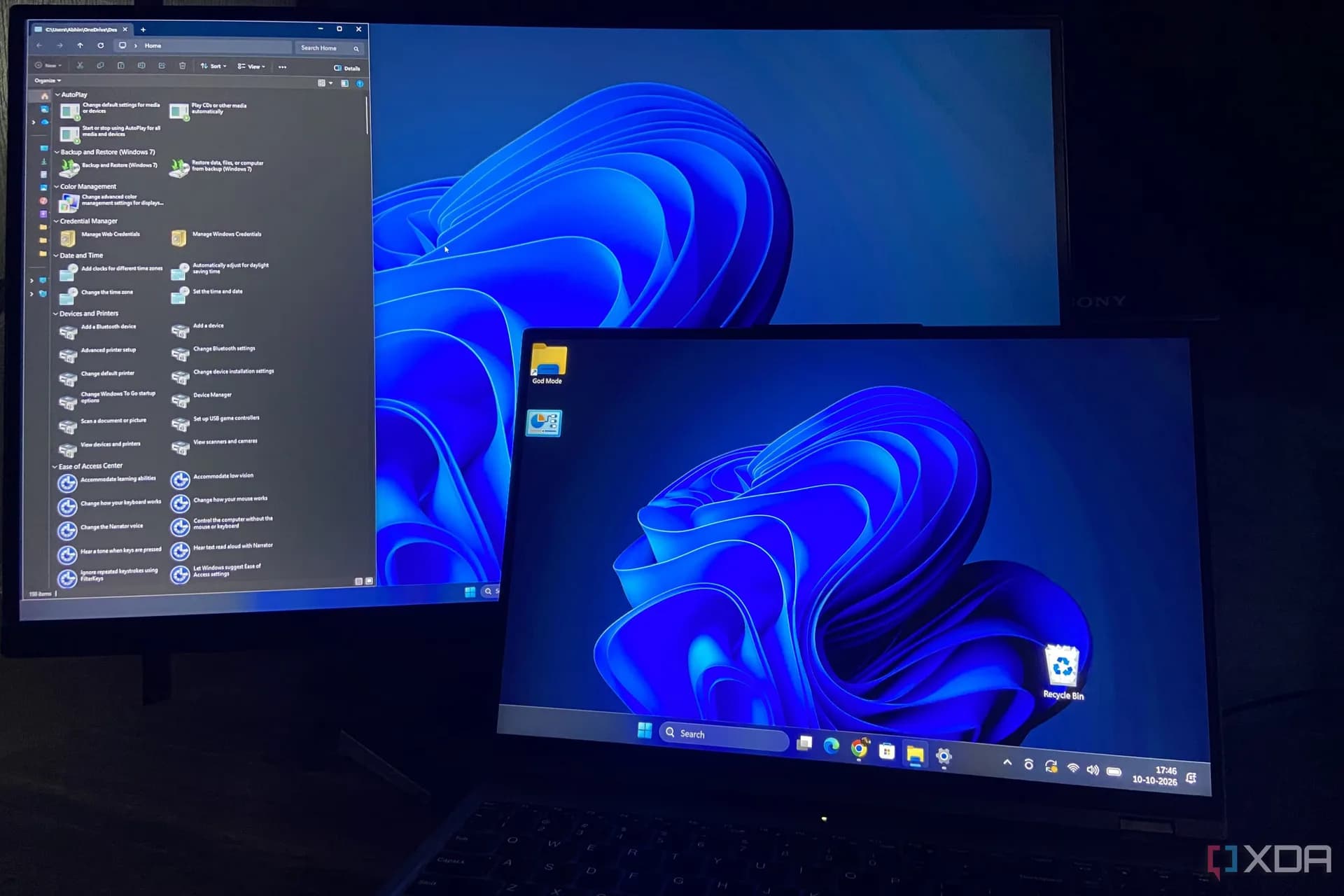
Windows 11 Pro users can skip the Settings app with a hidden Windows 7 folder
A hidden Windows 11 folder—activated by renaming a desktop folder with a specific CLSID—gives instant access to 200+ system settings in one searchable view. It’s called 'God Mode'. It works on Windows 11 Pro, Home, and Enterprise. And it’s been there since Windows Vista.
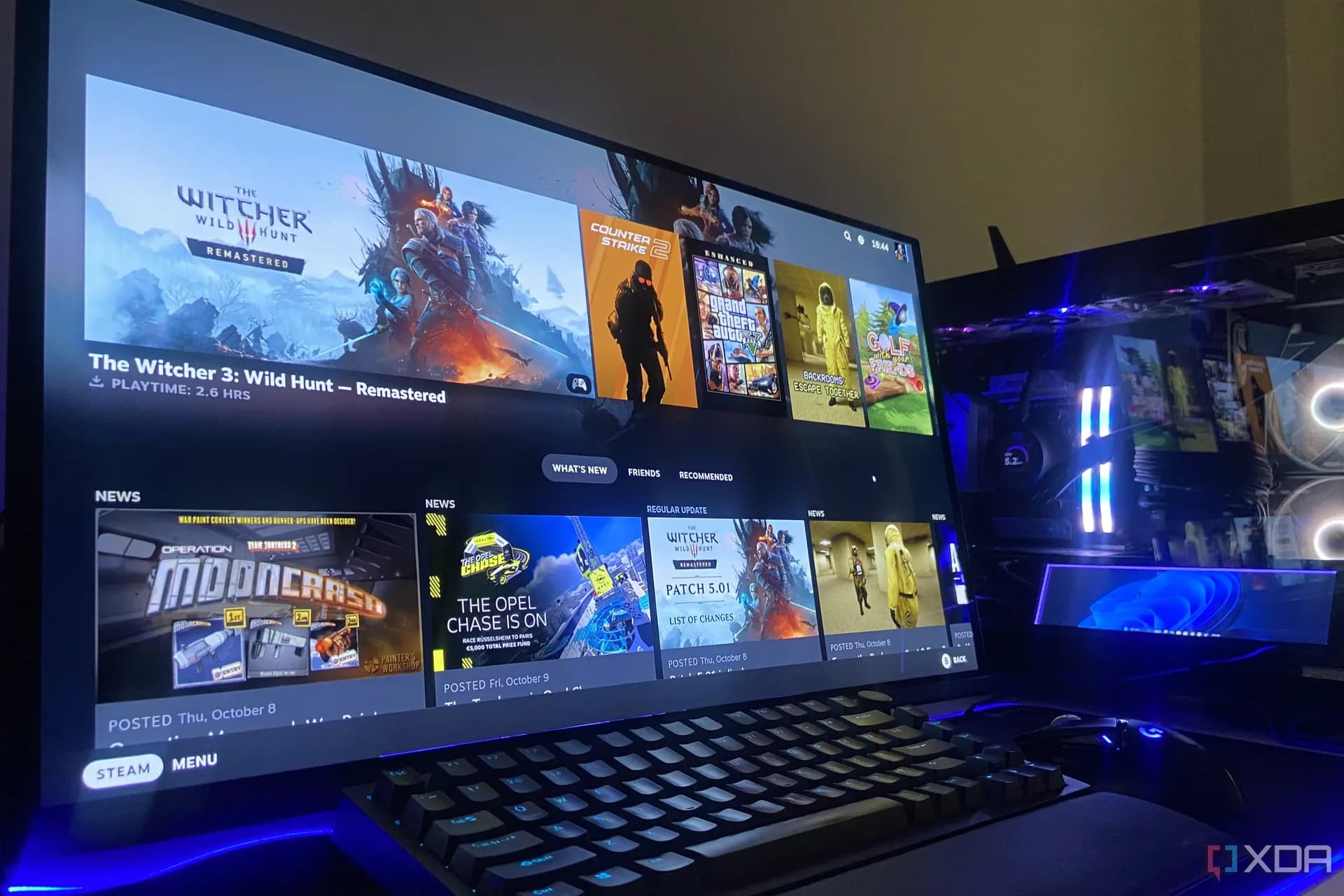
Windows 11 Dev Drive for Games: How to Use It to Speed Up Loading
Windows 11’s Dev Drive — built for developers, running on ReFS, and marked trusted by default — is now accelerating game loads for users who moved their Steam libraries onto it. First-launch shader compilation dropped from minutes to under two minutes; repeat launches took less than a second. Setup takes five minutes. Requires only an internal SSD and Windows 11.
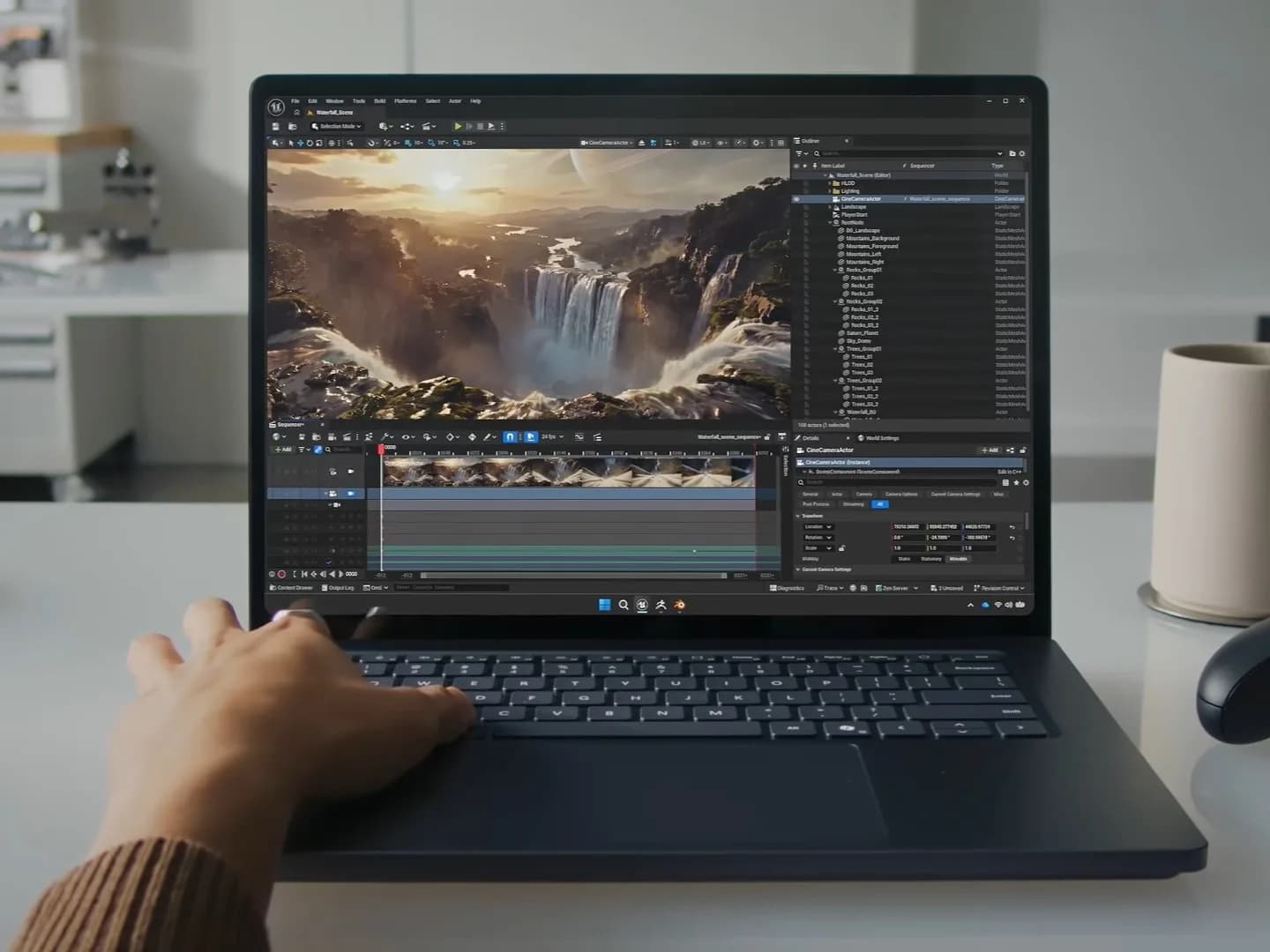
Surface Laptop Ultra cost: $2,999 matches MacBook Pro 16 with M5 Pro
Microsoft Surface Laptop Ultra starts at $2,999 — matching the Apple MacBook Pro 16 with M5 Pro, 24 GB RAM and 1 TB storage. That price point is now live, confirmed by Notebookcheck’s reporting on the device’s launch configuration.
Be the first to comment
Join the argument. No password, just your email or a passkey.