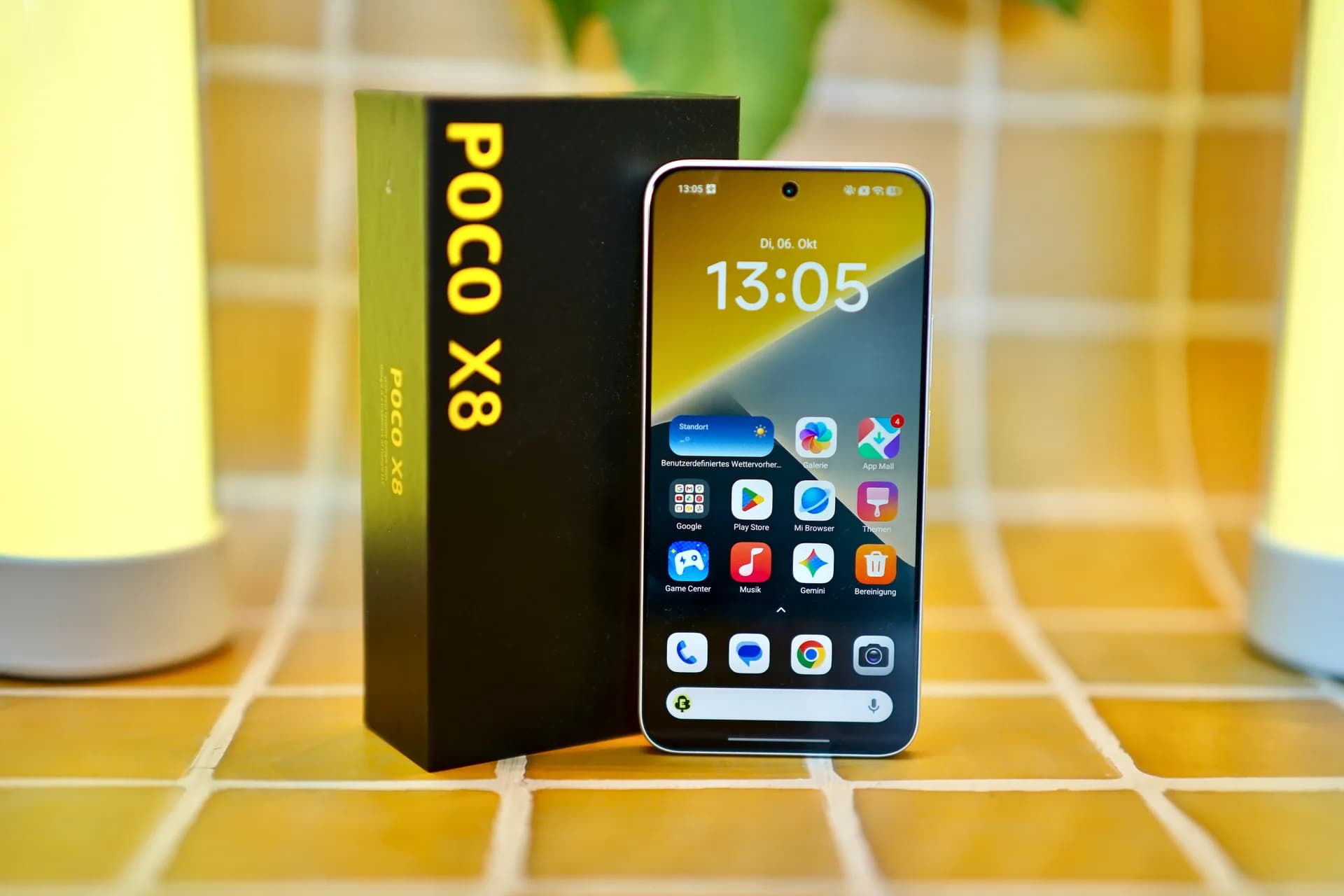
Xiaomi Poco X8 is live: $340, IP69K-rated, Android 16 with six-year security updates — but no eSIM, no Wi-Fi 7, and one camera that struggles in the dark. It’s not the Xiaomi 17 or 17 Pro. It’s not a car or a headset. It’s the Poco X8, and it’s already shipping globally at a price that undercuts nearly every midrange rival on durability, display brightness, and update promise. While skipping key features others include as standard. The Poco X8 starts at just under $340 in the US. In India, it’s priced at Rs 27,999 for the 8GB/256GB model and Rs 29,999 for the 12GB/256GB variant, both launched October 17, 2026. No official UK or EU pricing was disclosed, though European units ship with a charger and carry a 12-month warranty. The phone runs Android 16 out of the box, with August 2026 security patches. Xiaomi promises quarterly updates until 2032. Six years from launch, and five major OS upgrades, stretching to Android 21. That’s longer than Samsung or OnePlus offers in this segment, and matches only Google’s Pixel A-series commitments. But the trade-offs are sharp. There’s no eSIM. No Wi-Fi 7. Just Wi-Fi 5, capped at ~350 Mbit/s. No wide-angle or macro lens. Just a single 50MP main sensor and a depth assist module that doesn’t capture images. Low-light photos are described as “almost impossible without an additional light source.” Notebookcheck’s review unit had a white plastic back with visible screws and textured layers, industrial, not premium. Other colors: dark gray and orange. Build certifications are unusually robust: IP68, IP69K, TÜV SÜD water resistance to 2 meters for 72 hours, SGS drop certification onto granite from 3 meters, and battery testing across -40°C to +75°C. The 6.67-inch AMOLED display hits 1,000 cd/m² peak brightness. Among the brightest in any sub-$400 phone, and supports 120Hz refresh and 240Hz touch sampling. It also uses high-frequency PWM dimming for reduced eye strain. Performance? Midrange. The chip isn’t named in the source, but Notebookcheck notes “limited performance and slow internet” versus competitors. Likely referencing real-world 5G throughput and app load times. Dual nano-SIM is supported. VoLTE, VoNR and VoWiFi all work. Call quality is solid. NFC, IR blaster, USB OTG and an in-display fingerprint sensor (low-mounted, reliable after setup) are present. Facial unlock works in low light but uses only 2D recognition, less secure. No microSD slot. Storage is fixed at 256GB UFS 3.1. Ads persist in MIUI. No mention of an opt-out path. Environmental claims are vague: “plastic-free packaging,” rail and sea transport, self-repair program, but no CO₂ figures or lifecycle data. The Poco X8 is positioned as a rugged outdoor companion, not a photography or gaming flagship. It shares DNA with the Redmi Note 17 Pro 5G but drops the wide-angle lens and eSIM while adding more RAM options and undercutting it on price. It arrives as Xiaomi pushes deeper into long-term software support. A growing differentiator in markets like India and the US, where midrange buyers increasingly weigh update longevity over raw specs. Shipments have begun. No global rollout date was given, but availability is confirmed in Europe, India, and the US as of October 17.
Xiaomi Poco X8 review: $340, IP69K, six-year updates, no eSIM, no Wi-Fi 7, no night photos
The Poco X8 isn’t the Xiaomi 17. It’s cheaper, tougher, brighter, and promises six years of updates — but ditches eSIM, Wi-Fi 7, and usable night photos.
Get this deal
Verdict on the Xiaomi Poco X8
Buy on AmazonPaid links. As an Amazon Associate, Hitechreports earns from qualifying purchases. Prices change; the story gives the price as reported when it was written.
By The Roundup
The Reviews Roundup Desk · (3 hours ago)
Get this deal
Verdict on the Xiaomi Poco X8
Buy on AmazonPaid links. As an Amazon Associate, Hitechreports earns from qualifying purchases. Prices change; the story gives the price as reported when it was written.
Reported from
How this story was made
Written by the Hitechreports desk from the reporting credited above, with facts attributed to their original publishers. We do not test devices ourselves; anything about performance, battery life or cameras comes from the outlets that did. Prices are as reported at the time of writing. Editorial policy · Report an error
Filed by The Reviews Roundup Desk
What the reviews are saying: verdicts on new devices from the outlets that tested them, summarised and credited to each. This desk does not test products itself.
More from this desk →Read next
More Reviews →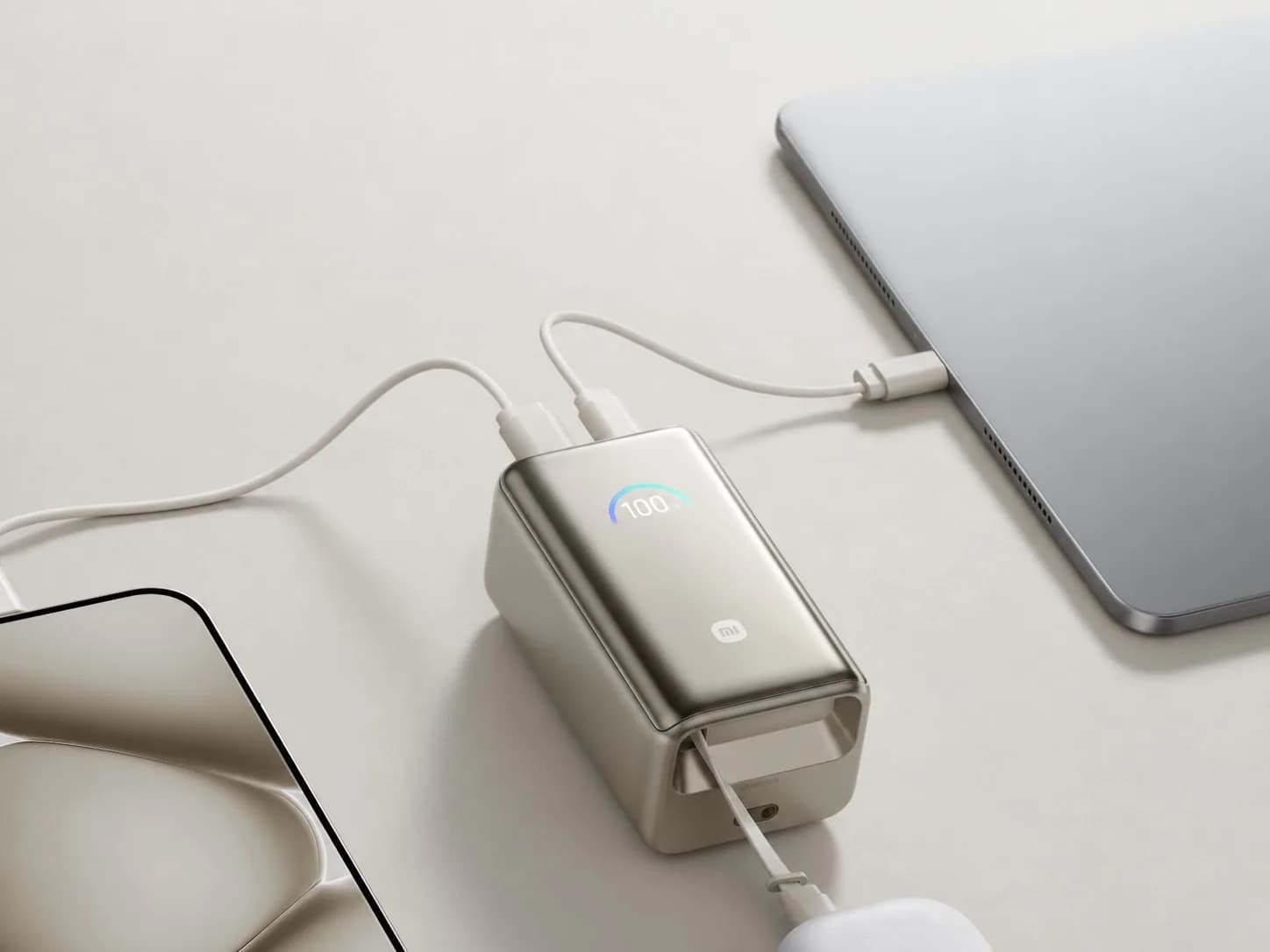
Xiaomi launches 10,000mAh NPB1055R power bank with retractable USB-C cable and smart display
Xiaomi’s new NPB1055R power bank packs 10,000mAh, a built-in 70cm retractable USB-C cable, a color digital display showing battery health and temperature, and triple-port charging — all for 299 yuan in China. No international release announced.

iPhone 18 Pro Demand Pushes Apple to Record Q3 Market Share
Apple crossed 20% share of global smartphone shipments for the first time in a Q3 period, Counterpoint Research says, driven by strong iPhone 18 Pro demand even as industry-wide shipments fell 20% year over year.

Xiaomi Pad 9 Pro Max beats Snapdragon 8 Elite Extreme Gen 6 in AnTuTu tablet rankings
Xiaomi Pad 9 Pro Max tops AnTuTu’s Android tablet rankings with Xring O3 chip — no Snapdragon in sight.
Be the first to comment
Join the argument. No password, just your email or a passkey.