Taking apart the Apple Watch Series 12 is slightly less treacherous than opening its predecessor, but only by a hair. Dismantling specialists at iFixit scored the standard smartwatch at 4 out of 10 for repairability, up from the 3 out of 10 handed to the Apple Watch Series 11.
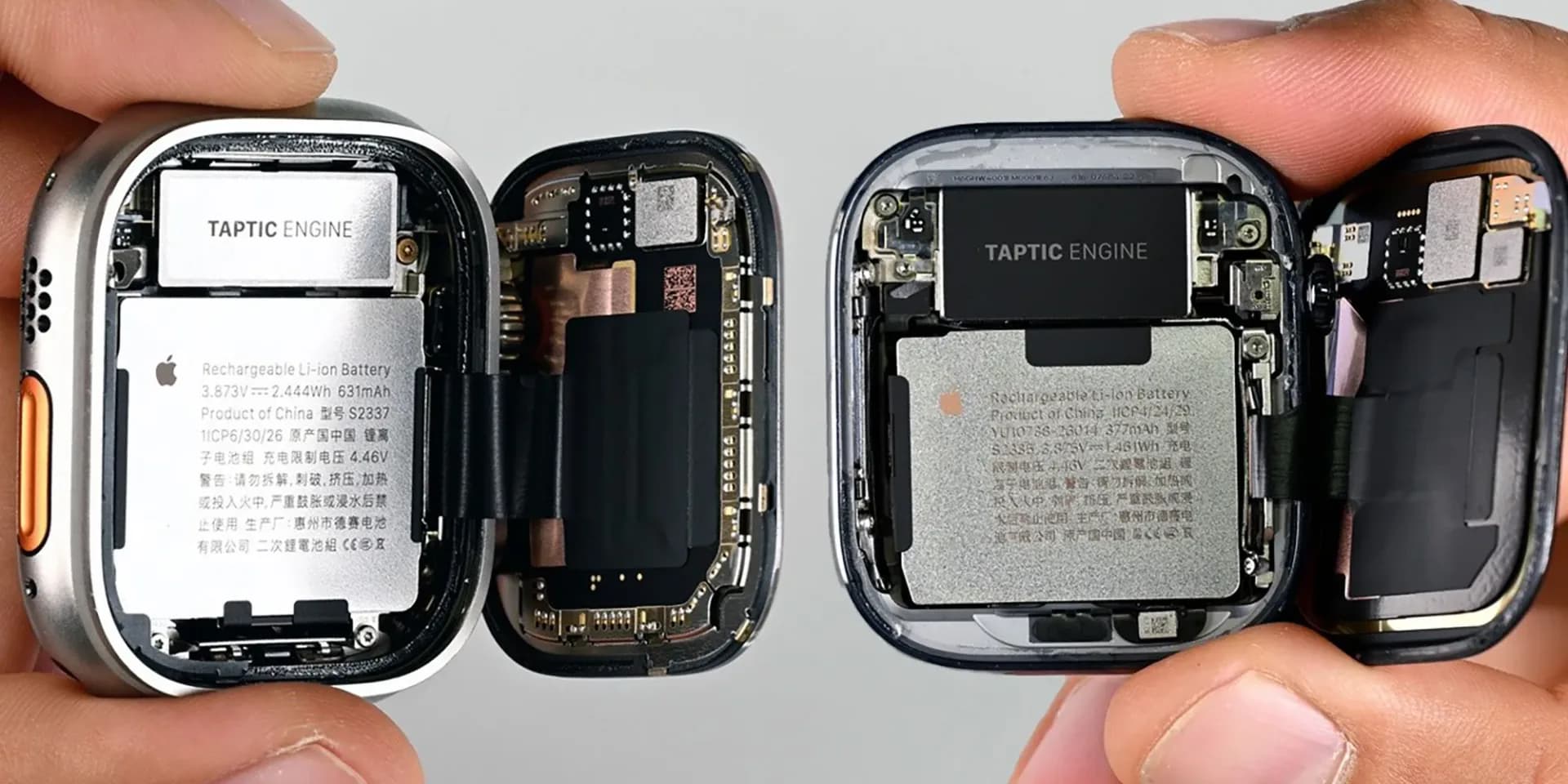
The one-point lift comes down to internal layout adjustments around power storage. Apple switched to stretch-release pull tabs under the battery, removing the struggle of prying volatile cells away from stubborn glue. Technicians also spotted an overhauled, simplified connector linking the screen to the logic board.
That connector creates a fresh headache, though. Anyone trying to swap just a cracked display now has to extract the battery alongside the screen assembly. Entry still happens strictly from the front. You heat the edge, slice through adhesive, and pray the glass does not fracture before you get inside.
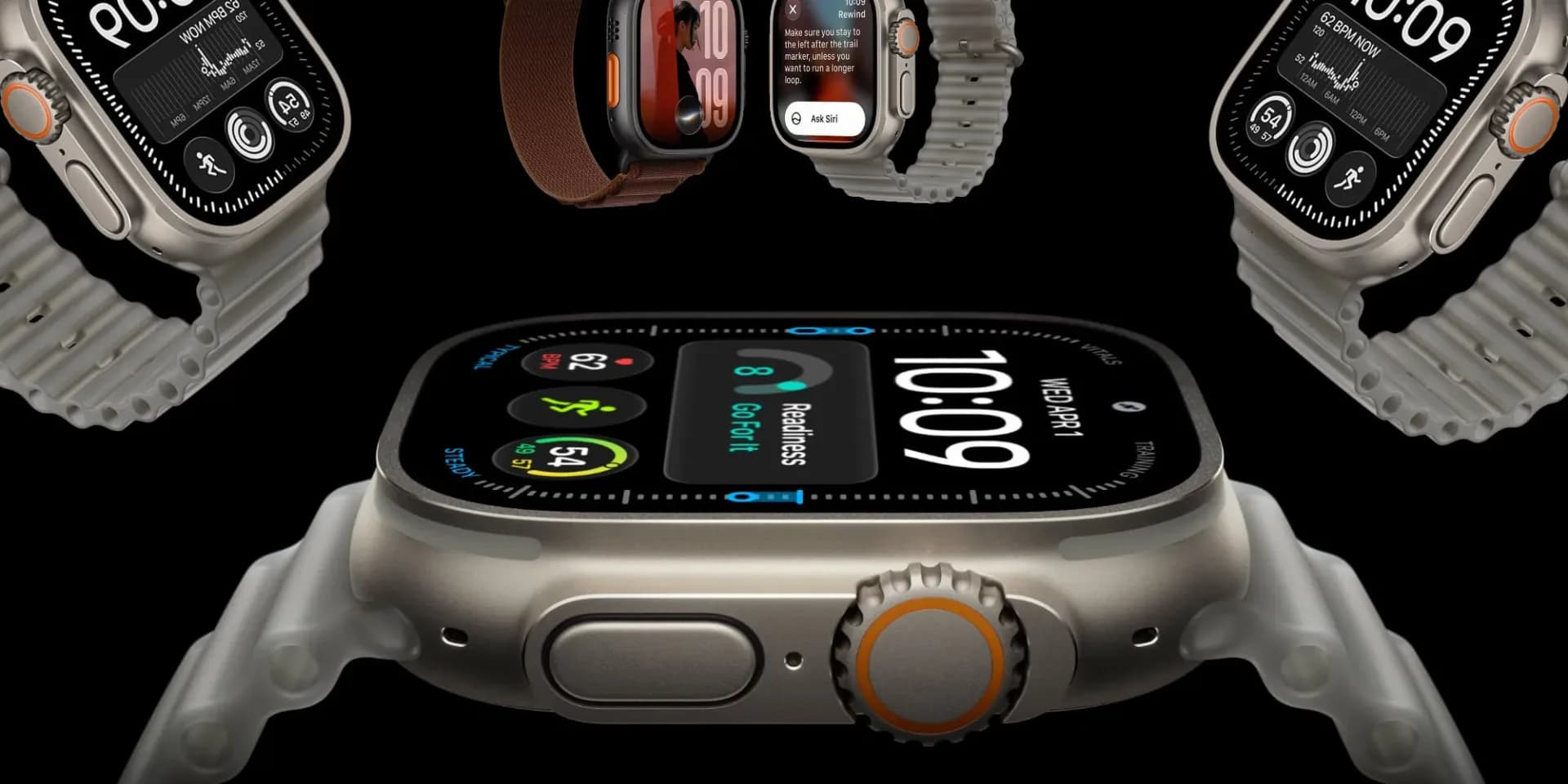
Things look even bleaker for the pricier Apple Watch Ultra 4. The rugged model showed zero progress in the teardown lab. Accessing its battery still requires melting face adhesive and levering out the display. The four exposed screws visible on the ceramic case back lead nowhere useful: taking them off only exposes health sensors, keeping the battery and motherboard locked away out of reach. Heating the housing and slicing the seal also threatens the device's factory waterproofing.
Legal Pressures Mount
These physical hurdles arrive alongside regulatory scrutiny. Right to Repair statutes across American states like California, New York, and Oregon demand that manufacturers provide independent repair shops and consumers with reasonable paths to service hardware.
While Apple opened up spare parts sales, rental toolkits, and diagnostic guides for iPhones, iPads, and Mac computers, smartwatches remain left out in the cold. The company does not offer official replacement screens, fresh batteries, or service manuals for Apple Watch models to the general public. If your wearable takes a beating, authorized Apple support outlets remain the sole sanctioned choice.
Wearable batteries degrade naturally over years of everyday recharging cycles. Forcing users to pry fragile OLED panels off tight watch cases just to refresh an exhausted cell creates unnecessary electronic waste. Independent repair advocates argue that withholding simple service parts cuts short the life of expensive hardware, keeping wristwear repairs far behind the progress made on phones and laptops.
GDFiled by The Gadgets Desk
Audio, wearables, cameras, tablets, chargers and every other device worth carrying or plugging in.
More from this desk →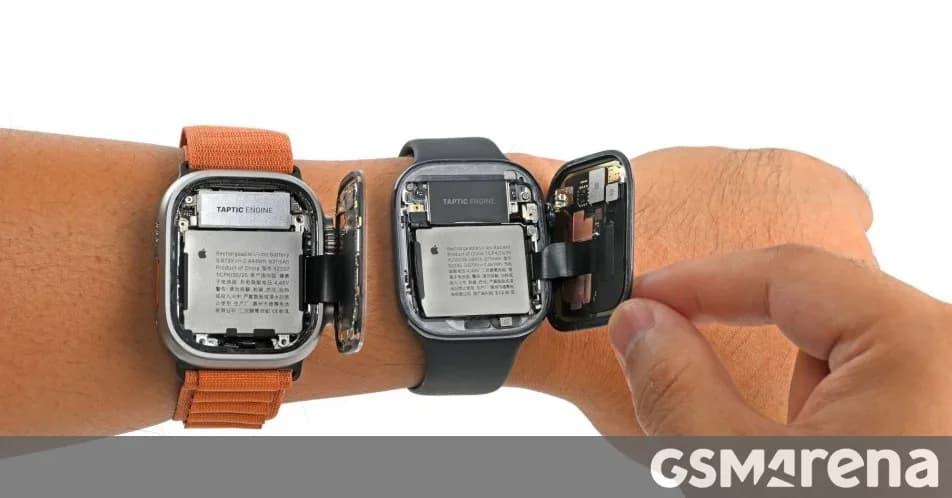

Be the first to comment
Join the argument. No password, just your email or a passkey.