IFixit has finished its teardown of Apple's newest wearables, and the verdict is familiar: better batteries, same stubborn screens.
The repair outlet published its breakdown of the Apple Watch Series 12 and Apple Watch Ultra 4 on Tuesday, closing out its sequence of teardowns from Apple's September launches. Both watches landed a 4 out of 10 on iFixit's repairability scale. The Ultra 4 matches its predecessor's score exactly. The Series 12 ekes out a one-point bump over the last base-model Apple Watch iFixit scored.
The batteries got bigger, at least. The Ultra 4 packs a 2.444 Wh cell, up from 2.313 Wh in the Ultra 3. The Series 12 carries a 1.461 Wh battery versus 1.403 Wh in the 46mm Series 11.
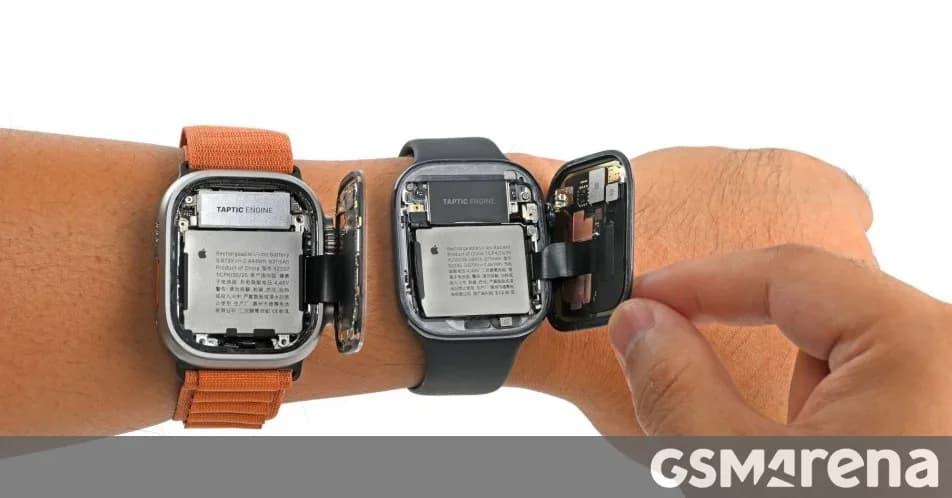
Getting to either battery still means prying off the display first. IFixit's Shahram Mokhtari applied heat to the Ultra 4's screen and used the company's new metal pick to crack it open, exposing the battery and Taptic Engine underneath. Four screws on the case bottom only grant access to the sensor assembly and the S11 chip, not the battery itself.
On the Series 12, Apple added stretch-release adhesive and a pull tab that make the battery itself easier to remove once inside. But getting inside is the hard part. Mokhtari found the tolerances around the Series 12's display even tighter than on the Ultra 4, enough that he worried about cracking the screen during disassembly.
Apple also swapped out the ZIF connector and tape that held the display in previous models for a simpler press connector. The tradeoff: pulling the screen on the Series 12 now means removing and replacing the battery too, whether you need to or not. "Which, if you've come this far, why wouldn't you?" Mokhtari said of the new arrangement.
How it stacks up against Google
IFixit's comparison point lands hardest for Apple. The outlet gave Google's Pixel Watch 5 a 9 out of 10, noting its display comes off with just two Torx screws and a gasket, and its battery can be pulled without fighting adhesive at all.
That gap, 9 versus 4, is the same story Apple has told on its watches for years: solid water resistance and a tight case, at the cost of anyone trying to fix the thing themselves without professional tools and a steady hand.
Neither watch is getting easier to repair at home anytime soon, and nothing in iFixit's findings suggests Apple plans to change course for the next generation. For now, a cracked Apple Watch screen still means a trip to an authorized repair shop, or a very careful afternoon with a heat gun and a metal pick.
GDFiled by The Gadgets Desk
Audio, wearables, cameras, tablets, chargers and every other device worth carrying or plugging in.
More from this desk →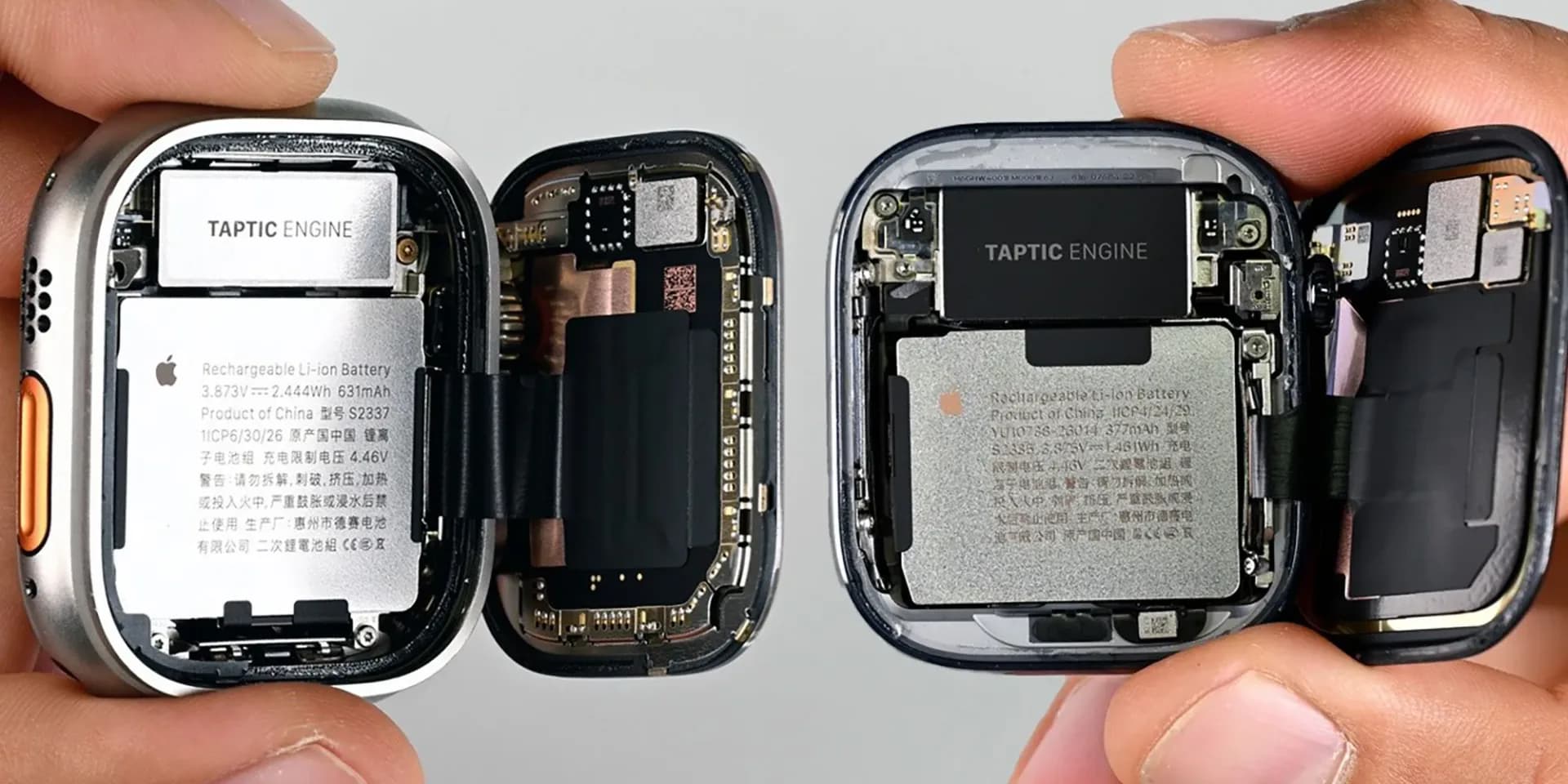
Be the first to comment
Join the argument. No password, just your email or a passkey.